
MapBookCallWhatsAppChat
Ayurvedic Abhyanga Massage Treatment Therapy at Sai Ayush Hospital, Hyderabad
ANP³ — AYURVEDA · NATUROPATHY · PHYSIOTHERAPY

Ayurvedic Abhyanga Massage Treatment in Hyderabad

Lymphatic
Drainage
Vata
Pacified
Muscular
Release
Absolute
Relaxation

Ayurvedic Abhyanga Massage Treatment in Hyderabad

Drainage: Lymphatic
Pacified: Vata
Release: Muscular
Relaxation: Absolute

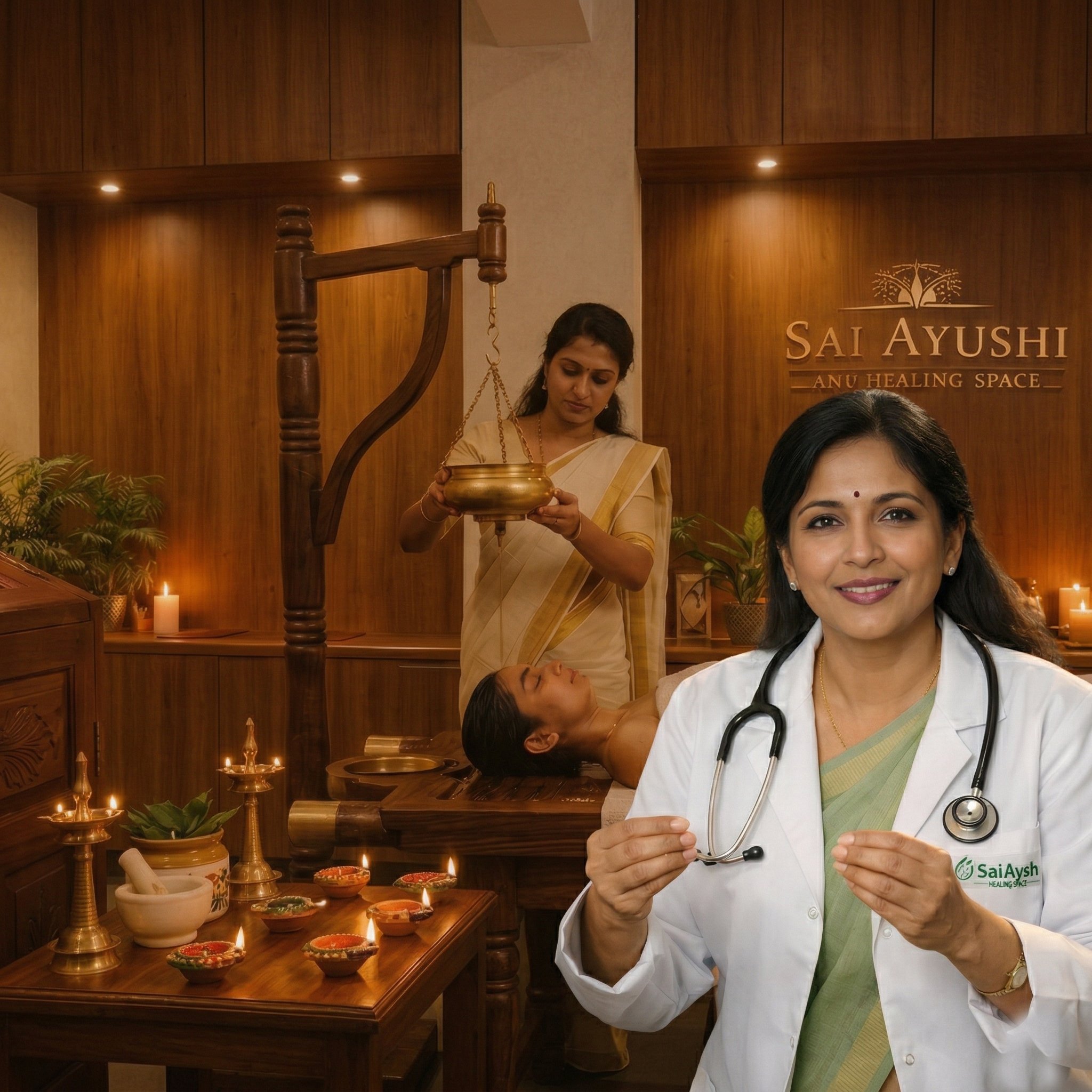
Sai Ayush Ayurveda Hospital provides authentic, physician-supervised Ayurvedic treatment for abhyanga massage in Hyderabad. This structured, clinical approach precisely targets cellular aging, deep-seated systemic toxicity, and chronic fatigue using classical therapies like targeted Abhyanga and deeply healing Panchakarma. Designed specifically for individuals seeking proactive, preventive health optimization, all interventions are conducted under strict doctor oversight to ensure absolute clinical safety and long-lasting systemic balance. Abhyanga is not merely a cosmetic or relaxing spa massage; it is one of the most powerful, deeply structural medical therapies in Ayurveda. For individuals suffering from severe, chronic joint pain, extreme physical exhaustion, highly erratic nervous system anxiety, or deep muscle stiffness, the heavy application of warm, medicated oils is a profound necessity, not a luxury. At Sai Ayush Ayurveda Hospital, Hyderabad, Abhyanga is performed strictly according to classical protocols by highly trained therapists. Instead of using generic lotions, our doctors meticulously select highly specific, heavy, medicated herbal oils (Taila) based exactly on your unique Dosha imbalance and pain profile. Our goal is to forcefully pacify aggravated Vata dosha, deeply lubricate bone and joint tissues, flush stagnant toxins from the lymphatic system, and force the nervous system into a state of profound, heavy, grounding rest.

  • Condition focus: Severe bodily exhaustion, chronic stiff joints, dry cracking skin, poor circulation, massive physical stress.
  • Key therapies: Two-therapist synchronized Sarvanga Abhyanga using Dhanwantaram or Mahanarayana Taila.

Quick Reference Matrix

PARAMETERCLINICAL DIRECTION
Who it may suitAnyone suffering from stiff, aching muscles or people with incredibly dry, 'creaky' Vata constitutions.
Who should avoidThe patient currently has a high fever, massive indigestion, or extreme amounts of physical toxins (Ama), as moving the lymph without purging can spread the disease.
Typical duration60-90 minute sessions.

Clinical Care Framework

This specialized program follows our integrated ANP³ medical model for fast, sustainable healing.

  • Treatment Model: ANP³ (Ayurveda, Naturopathy, Physiotherapy)
  • Supervision: Senior Ayurvedic Clinical Team
  • Target Conditions: Abhyanga Massage, Cellular Aging, Systemic Toxicity
  • Setting: Hospital Environment (KPHB OP/IP, Madinaguda OP)
  • Duration: Typically 7 to 21 days
  • Safety Protocol: Rigorous pre-treatment clinical evaluation required

What Is Abhyanga?

Abhyanga translates roughly to 'massaging the body's limbs' with warm oil. In Ayurveda, it is the ultimate 'Snehana' (oiling) therapy. Why oil? Because Vata dosha—the energy that causes 80% of all pain, anxiety, and aging—is by definition cold, dry, light, and erratic. The exact opposite of Vata is warm, heavy, wet oil. When you apply heavy, warm sesame-based medicated oils to the body, you are physically pouring the absolute antidote to pain and stress directly into your tissues. That is why Abhyanga is the primary treatment for almost all neurological, musculoskeletal, and stress-based disorders. It is a heavy, grounding medical procedure that literally 'weighs down' an overactive, exhausted nervous system.

Who Needs Abhyanga Therapy?

You may require clinical Abhyanga therapy if you experience:

  • Severe, chronic joint pain, cracking joints (crepitus), and severe stiffness
  • Extreme, crushing physical exhaustion and chronic fatigue syndrome
  • Severe, erratic anxiety, panic attacks, and an inability to relax
  • Chronic insomnia or highly disrupted, restless sleep
  • Extremely dry, rough, scaling skin and massive hair fall
  • Muscle spasms, restless leg syndrome, or sciatica
  • Post-stroke recovery or generalized physical paralysis/weakness

Ayurvedic Understanding of Touch and Oil

In Ayurveda, the skin is the primary organ of Vata dosha. The skin is also directly connected to the 'Majja Dhatu' (the deep nervous system and bone marrow). When Vata is aggravated by high stress, lack of sleep, or dry foods, the skin dries out and the nervous system becomes 'raw' and highly electrically sensitive. By saturating the skin with massive amounts of heavy, warm medicated oil, the heavy molecules physically cross the skin barrier, enter the bloodstream, and coat the raw nerves. This provides instant, profound physical sedation to the central nervous system without any chemical pills.

Who Should Avoid Immediate Ayurvedic Therapy?

Certain deep-tissue and intensive systemic therapies are strictly contraindicated and must be avoided by:

  • Individuals with acute medical emergencies or active systemic infections requiring ICU care
  • Patients presenting with highly contagious or acutely weeping dermatological infections (for localized contact therapies)
  • Individuals with severe, unmanaged cardiovascular or respiratory distress
  • Pregnant women (unless specific, highly gentle OP care is explicitly advised by the senior physician)

How is the Treatment Performed?

Every treatment plan is bespoke and typically follows this clinical framework:

  • Comprehensive Diagnostic Evaluation: Deep assessment of your metabolic Doshas, chronicity of the illness, and systemic health.
  • Preparatory Phase (Snehana & Swedana): Internal medications and targeted external therapies to mobilize deep-seated toxins (Ama).
  • Primary Intervention: Highly targeted clinical therapies (like specialized Basti, Shirodhara, or Lepanam) to aggressively heal the affected systems.
  • Post-Treatment Care: Strict dietary modifications (Pathya) and lifestyle management to prevent future relapses.

How Is Treatment Performed?

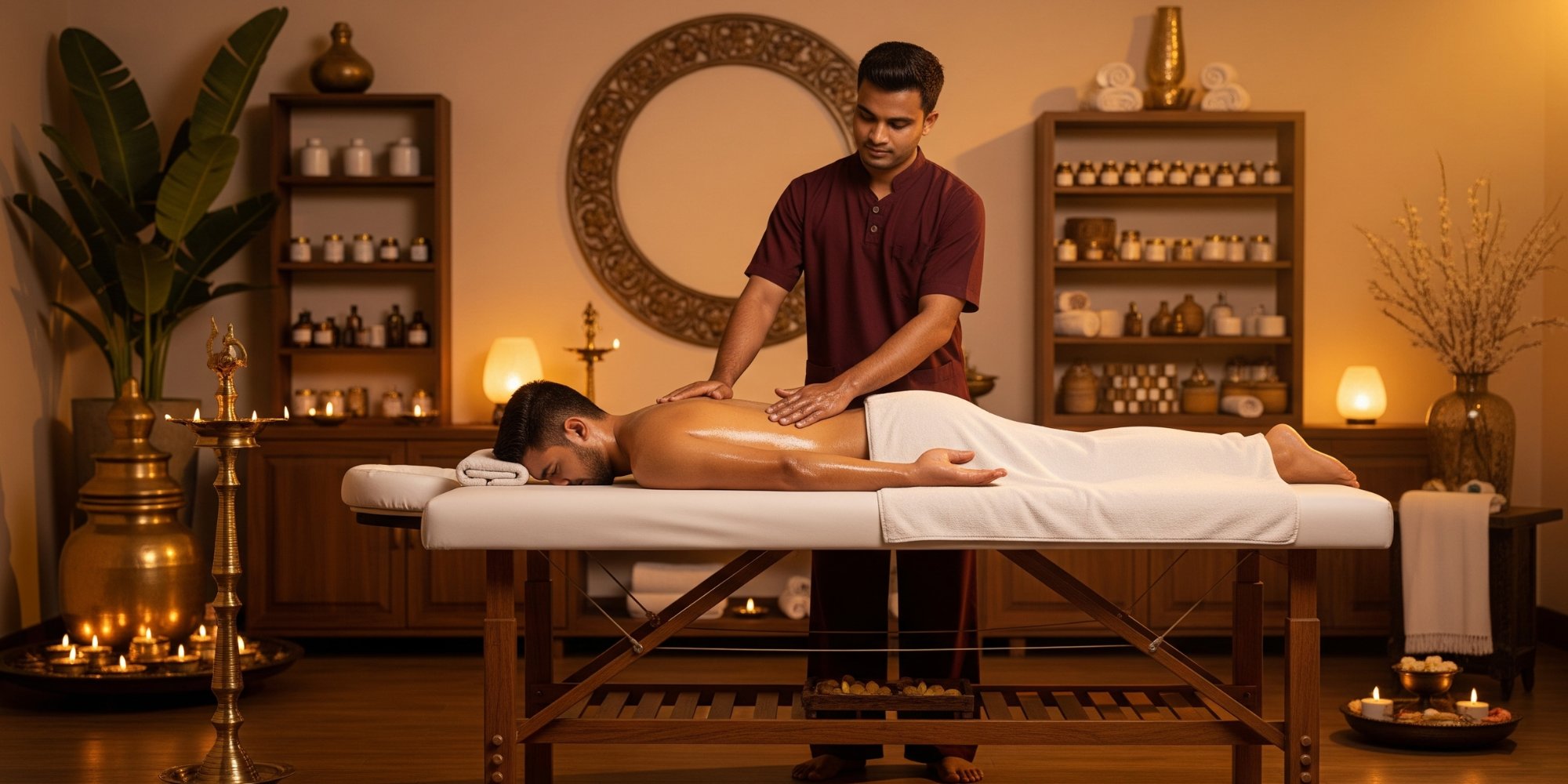
  • Doctor-Led Oil Selection: The absolute most important part of Abhyanga is the oil. The doctor evaluates your condition. For severe joint pain (Vata), heavy oils like Mahanarayana Taila are used. For severe burning or skin issues (Pitta), cooling oils like Ksheerabala are selected.
  • Warm Oil Application (Snehana): The specifically chosen medicated oil is heavily warmed. Heat is mandatory because it drastically lowers the viscosity of the oil, allowing the heavy herbal molecules to physically penetrate deep through the skin into the muscle and bone tissues.
  • Synchronized, Directional Massage: Trained therapists apply the oil using long, sweeping strokes in the exact direction of arterial blood flow (Anuloma). This physical action forces stagnant lymphatic fluid and toxins (Ama) out of the tissues and towards the digestive tract for elimination.
  • Deep Joint Lubrication: Special, concentrated attention is given to the major joints (knees, hips, shoulders). The warm oil acts as artificial synovial fluid, deeply lubricating dry, cracking joints and instantly reducing severe Vata-induced friction and pain.
  • Herbal Steam Therapy (Swedana): Following the heavy oil massage, the body must be subjected to intense herbal steam. This heat violently dilates the physical channels (Srotas), driving the medicinal oil even deeper into the cells while forcing the loosened toxins out through profound sweating.
  • Rest and Shower Protocol: After the steam, you must rest to allow the nervous system to absorb the grounding energy. A warm shower (never cold) using specific herbal powders (Ubtan) is taken to remove the excess surface oil without stripping the skin's new protective barrier.

Abhyanga vs. Spa Massage

A generic spa massage focuses entirely on manipulating muscle knots using immense physical pressure, often leaving you sore. Ayurvedic Abhyanga focuses entirely on the *medicine within the oil*. The massage strokes are simply the delivery mechanism to push the herbal oil into the deep tissues and pull the toxins out. It is a deeply healing, medical procedure.

When Should You Consult for Abhyanga?

You should consult our doctors if:

  • Your joints feel completely 'dry', stiff, and crack loudly when you move
  • Your mind is constantly racing and you feel deeply, fundamentally ungrounded
  • You are recovering from a severe physical illness or intense athletic exertion
  • You suffer from severe Vata disorders like Sciatica or Fibromyalgia
  • You want to incorporate the ultimate Ayurvedic anti-aging (Rasayana) practice

What Results Can You Expect?

Abhyanga provides immediate, profound grounding and pain relief. The practical goals include:

  • Massive, immediate reduction in sharp, Vata-induced joint and muscle pain
  • Profound calming of the central nervous system, stopping anxiety instantly
  • Deep, heavy, uninterrupted sleep, often on the very first night
  • Restoration of deep moisture, elasticity, and glow to severely dry skin
  • Significant improvement in lymphatic drainage and reduction of body heaviness
  • Enhanced physical stamina and a deep sense of emotional stability

Why Choose Sai Ayush for Abhyanga in Hyderabad?

Sai Ayush Ayurveda Hospital provides highly authentic, doctor-guided Abhyanga. We do not use commercial scented lotions; we use strictly classical, highly potent medicated oils tailored exactly to your disease. Patients choose Sai Ayush for:

  • Experienced Ayurvedic doctors who select the precise herbal oil for your specific pain
  • Highly trained therapists who understand the correct direction of lymphatic strokes
  • Authentic, extremely potent classical oils (like Mahanarayana or Dhanwantharam)
  • Proper integration of Swedana (herbal steam) to ensure deep oil penetration
  • Hygienic, traditional therapy rooms designed for deep medical rest
  • Ethical, clinical care that prioritizes your true physical healing

Book a Consultation

If severe, dry joint pain, extreme anxiety, or chronic exhaustion are breaking your body down, consult our Ayurvedic doctors for a deeply grounding, medicated Abhyanga plan. Book your consultation at Sai Ayush Ayurveda Hospital, Hyderabad. Call: +91 81423 28080 / +91 84668 82266 Branches: KPHB and Madinaguda, Hyderabad Also Explore: • [Shirodhara Therapy](/treatments/wellness-programs/shirodhara) • [General Joint Pain Care](/treatments/pain-spine/general-joint-pain) • [Stress Relief Programs](/treatments/wellness-programs/stress-relief)

Duration of Treatment

The duration of treatment heavily depends on the chronicity and severity of the condition. Acute flare-ups may require 7 to 14 days of targeted OP therapies. Severe, chronic systemic conditions may require comprehensive 21 to 90-day care protocols, potentially involving In-Patient (IP) admission for intensive daily monitoring and strict dietary control.

Clinical Integration

Our ANP³ care model perfectly integrates classical Ayurveda with Naturopathy and Physiotherapy. We routinely manage patients who are on parallel allopathic medications for diabetes, hypertension, hormonal therapy, or immunosuppressants. We ensure complete safety by carefully reviewing your current prescriptions to explicitly prevent any adverse herb-drug interactions.

FAQ Section

  • Is Abhyanga just a normal oil massage?
    No. While it looks similar, a spa massage uses basic oils to reduce friction. Ayurvedic Abhyanga uses highly complex, medically cooked herbal oils (sometimes containing 40+ herbs) specifically chosen by a doctor to treat your exact disease. The oil is the medicine; the massage is just the delivery method.
  • Why must the oil be warm?
    Cold oil simply sits on top of the skin and aggravates Kapha dosha. Heating the oil drastically reduces its viscosity (thickness) and expands the pores of your skin, allowing the heavy herbal molecules to physically penetrate deep into the muscle, blood, and bone tissues where the pain originates.
  • Can Abhyanga cure my severe joint pain?
    Abhyanga is the primary, most powerful treatment for Vata-induced joint pain (like Osteoarthritis). Because the joints have physically dried out, the heavy, warm medicated oil acts as artificial synovial fluid, deeply lubricating the joint space, reducing friction, and stopping the agonizing pain.
  • Why do I feel so incredibly sleepy after the massage?
    This is the intended medical effect. The heavy, warm oil physically forces the erratic, hyperactive Vata dosha in your nervous system to 'ground' itself. The sudden drop in stress hormones (cortisol) and the deep sedation of the nerves instantly triggers a profound, uncontrollable urge to sleep.
  • Do I have to take a steam bath (Swedana) after the oil?
    Yes, Swedana is absolutely mandatory. The hot steam violently dilates the physical channels (Srotas) of your body. This forces the medicinal oil even deeper into the cells, while simultaneously forcing the toxic, stagnant waste (Ama) out of the tissues through massive sweating.
  • Is it bad to take a cold shower after Abhyanga?
    NEVER take a cold shower after an Ayurvedic oil massage. The cold water will instantly shock your dilated blood vessels, close your pores, trap the heavy oil inside your tissues, and violently aggravate Vata and Kapha dosha, causing severe body stiffness and pain.
  • Can I do Abhyanga if I have a fever or severe indigestion?
    Absolutely NOT. If you have a fever or high 'Ama' (toxins in the stomach), your body is already overwhelmed by heavy, blocked energy. Pouring heavy oil onto the skin will trap the heat inside and force the toxins deeper into the tissues, making the illness significantly worse.
  • How often should I get an Abhyanga massage?
    For general wellness and anti-aging, Ayurveda highly recommends a self-massage with warm sesame oil daily. For treating a severe chronic disease (like paralysis or severe arthritis), the doctor will prescribe an intensive clinical course of 7, 14, or 21 consecutive days.
  • Why do the therapists massage in specific directions?
    The strokes are always done in the 'Anuloma' direction (the direction of hair growth and arterial blood flow, usually away from the heart). This specific mechanical action physically pushes stagnant lymphatic fluid and deep toxins out of the tissues and towards the digestive tract for elimination.
  • Will Abhyanga make my skin extremely oily permanently?
    No. During the steam and subsequent warm herbal powder wash (Ubtan), the excess surface oil is removed. However, your skin will absorb the necessary lipids, leaving it deeply hydrated, incredibly soft, and highly resilient to cold and wind for days.

Make Your Appointment

Fill out this form for booking online. Our team will contact you shortly via WhatsApp.

Ayurvedic Treatment 1
Ayurvedic Treatment 2
Ayurvedic Treatment 3