


Raktamokshana (Bloodletting)
Overview: Raktamokshana (Bloodletting) Treatment
- ✓Doctor-Guided Diagnosis & Prakriti Assessment
- ✓Multi-Disciplinary ANP³ Integrated Care Plan
- ✓Targeted Root-Cause & Systemic Dosha Balancing
- ✓Supervised Panchakarma & Post-Therapy Care
Raktamokshana is historically established by the great surgeon Sushruta as the fifth cardinal measure of Panchakarma. It is a specialized, targeted para-surgical intervention dedicated exclusively to the purification of Rakta Dhatu (blood tissue) and the absolute pacification of Pitta Dosha.
Sushruta Samhita states that certain obstinate morbidities—deep-seated dermatological diseases, massive inflammatory complexes, and structural joint effusions—cannot be cured solely by systemic herbs or diet, until the local, toxic, static blood is surgically released.
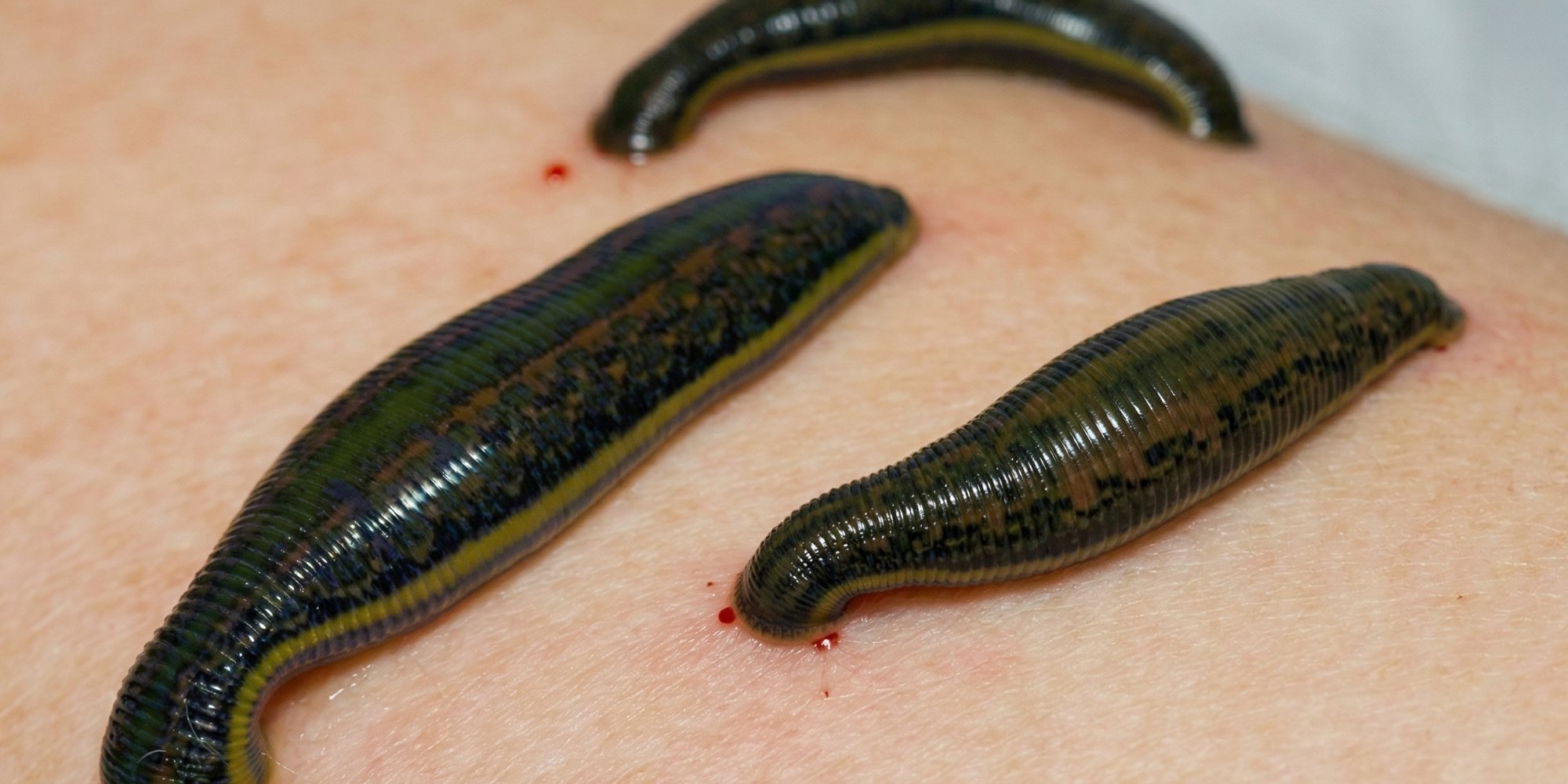
The therapy employs multiple sophisticated techniques. Non-invasive tools like Jalaukavacharana (Medical Leech Therapy) are utilized for deep, localized Pitta-Rakta vitiation. Invasive tools like Siravedha (Venesection) are deployed for generalized systemic blood morbidities. By mechanically eliminating the contaminated hematological pool, Raktamokshana halts profound inflammatory cascades almost instantly.
Medically Reviewed By: Dr. Pasalapudi Visalaanjani, B.A.M.S, MD (Kayachikitsa)
Registration No: 1146/A/2016
Disclaimer: The information provided is for educational purposes and should not replace professional medical advice. Outcomes may vary.
Core Therapeutic Advantages
- Dermatological Conditions: Used as part of managing chronic itching (Kandu), burning sensations (Daha), Psoriasis, non-healing ulcers, and eczema by helping clear toxic Rakta.
- Varicose Veins & Thrombosis: Siravedha and Leech therapy are used to help relieve venous congestion and support peripheral vascular circulation, alongside conventional care as needed.
- Gout (Vatarakta) Management: A classical intervention for acute gouty arthritis, used to help clear accumulated uric acid crystals and inflammatory Pitta from the joints.
- Hepatic & Spleen Support: Used to help manage systemic heat conditions by supporting micro-circulatory channels connected to the Yakrut (liver) and Pleeha (spleen); serious liver conditions should be co-managed with a physician.
- Alopecia & Scalp Disorders: Used to help clear obstructed hair follicles (Khalitya) and dandruff by supporting local blood supply to the scalp when applied locally.
- Pain & Edema Relief: Used to help relieve localized swelling (Shotha), abscesses (Vidradhi), and inflammatory pain, with relief often felt soon after treatment.
Phased Treatment Procedure
Phase 1: Purvakarma
A thorough clinical evaluation assesses the patient’s Bala (strength), vital parameters, bleeding and clotting times. Raktamokshana is strictly contraindicated in severe anemia, extreme weakness, pregnancy, and bleeding disorders.
Mild localized Abhyanga (oil massage) and gently applied Mridu Swedana (fomentation) are conducted around the target site to enhance local circulation and dilate the superficial veins, ensuring morbid blood is easily accessible.
Depending on the selected method—Siravedha (venesection), Jalaukavacharana (Leech therapy), or Pracchana (scarification)—all surgical instruments are meticulously sterilized. For Leech therapy, non-poisonous medical leeches (Hirudo medicinalis) are purified in turmeric water.
Phase 2: Pradhana Karma
For Siravedha, a sterile venepuncture is performed under strict aseptic conditions to let out a calculated volume of vitiated blood. For Jalaukavacharana, medicinal leeches are attached to the precise lesion site. They naturally secrete Hirudin (a potent anticoagulant) while extracting morbid blood.
The physician continuously monitors the color, flow, and volume of the extracted blood. Classical texts describe pure blood (Shuddha Rakta) and vitiated blood (Dushta Rakta) by their visual characteristics. The procedure is immediately halted once signs of systemic lightness and pure blood appear.
Phase 3: Pashchatkarma
Once the optimal volume of morbid blood is removed, the bleeding is naturally or artificially arrested using cooling, astringent, and hemostatic herbs (like Haridra, Lodhra, or Sphatika). A sterile, firm pressure dressing is applied.
The patient rests in a cool environment. Strenuous exercises, sunlight exposure, and heat are strictly avoided. A Laghu (light), easily digestible, iron-rich diet is prescribed to support hemoglobin recovery and prevent Vata aggravation.

































