
Physiotherapy and Rehabilitation in Hyderabad
The Sai Ayush Physiotherapy Team provides assessment-based rehabilitation for people experiencing pain, stiffness, weakness, reduced balance or difficulty with everyday movement. Physiotherapy may be provided independently or as part of Sai Ayush ANP³ care — Ayurveda, Naturopathy and Physiotherapy — when clinically appropriate.
Physiotherapy services are currently available only at Sai Ayush Ayurveda Hospital, KPHB.
Physiotherapy is a healthcare discipline focused on movement, physical function and rehabilitation. A physiotherapist assesses how pain, weakness, stiffness, balance, posture or a health condition affects daily activities and then develops a goal-based plan.
The plan may include education, graded exercise, mobility work, strengthening, balance or gait practice and a home programme. The exact approach depends on diagnosis, physical findings, medical history and treatment goals.
The Sai Ayush Physiotherapy Team selects procedures after assessing diagnosis, symptoms, movement, strength, balance, medical history, precautions and functional goals. Not every procedure is appropriate for every patient.
Physiotherapy Assessment
- Pain and functional-history review
- Posture and movement assessment
- Joint range-of-motion and flexibility assessment
- Muscle strength and endurance assessment
- Balance, coordination and fall-risk screening
- Gait, transfers and daily-activity assessment
- Neurological movement screening where relevant
- Review of scans, prescriptions, discharge notes and surgical restrictions
- Goal setting and progress measurements
Therapeutic Exercise
- Active, assisted and passive range-of-motion exercises
- Flexibility and clinically appropriate stretching
- Progressive strengthening and endurance exercises
- Core stability and motor-control exercises
- Balance and proprioception training
- Coordination and task-specific movement practice
- Functional training for sitting, standing, transfers and stairs
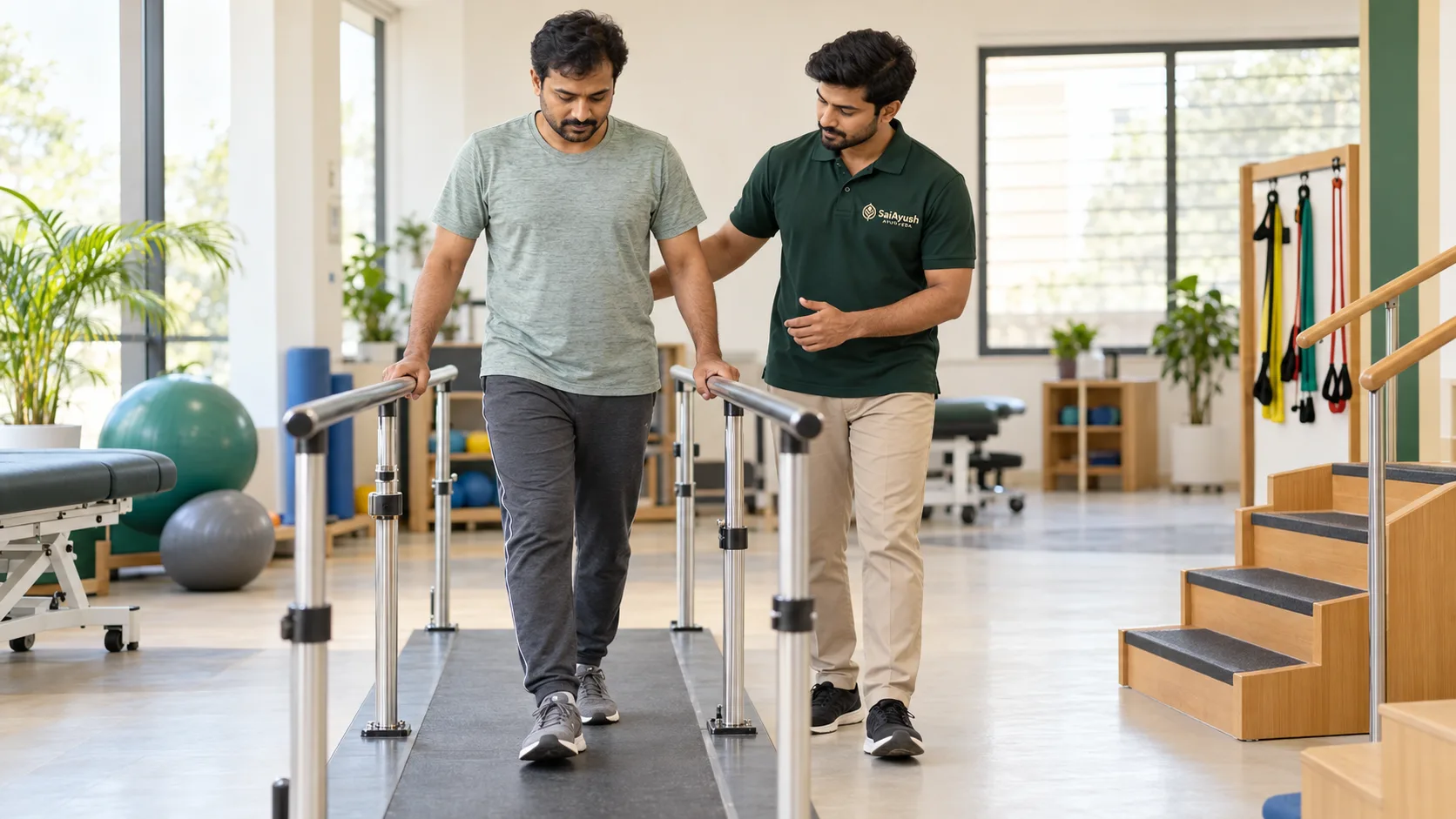
- Gait re-education and walking practice
- Graded activity and return-to-function planning
- An individual home-exercise programme
Manual Physiotherapy Techniques
- Joint-mobility techniques
- Soft-tissue techniques
- Assisted stretching
- Positioning and movement facilitation
- Scar-mobility guidance after appropriate healing and medical clearance
Manual techniques are not automatically required and should not be promoted as a stand-alone cure.
Electrotherapy and Physical Modalities
- Transcutaneous electrical nerve stimulation (TENS)
- Interferential therapy (IFT)
- Neuromuscular electrical stimulation (NMES)
- Functional electrical stimulation (FES)
- Therapeutic ultrasound
- Superficial heat or cold application
Subject to clinical indication, equipment availability and verified staff competency.
Rehabilitation Focus Areas
Not every service is suitable for every patient. Availability and selection must be confirmed after assessment.
Musculoskeletal Rehabilitation
Assessment-based rehabilitation for muscle, joint and spine-related pain, stiffness, weakness or restricted movement. Condition-specific diagnosis and treatment information stays on the relevant Pain & Spine page.
Neurological Rehabilitation
For selected neurological conditions or after stroke: positioning, bed mobility, range-of-motion work, balance and trunk-control exercises, task-specific practice, gait training and caregiver education. Goals and progress vary substantially and are not promised.
Post-Operative Rehabilitation
After medical or surgical clearance: swelling-management guidance, range-of-motion work, progressive strengthening, gait practice and graded return to activity, following the surgeon's precautions and healing stage.
Older-Adult & Fall-Risk Support
Assessment of strength, balance, walking, transfers, fall risk and safe daily activity, modified for bone health, medicines, cardiovascular status and other medical conditions.
Respiratory & Breathing Support
Where clinically appropriate and delivered by trained staff: breathing exercises, thoracic-mobility work, supported positioning and airway-clearance guidance. Acute breathing difficulty requires prompt medical assessment.
Ergonomic & Self-Management Guidance
Posture and workstation guidance, activity pacing, safe lifting education, use-of-aid training, caregiver instruction and an individual home programme, reviewed when symptoms or function change.
The Sai Ayush ANP³ Integrated-Care Method
ANP³ brings together Ayurveda, Naturopathy and Physiotherapy through coordinated assessment and shared functional goals. It does not mean every patient automatically receives all three services.
Ayurveda
The Ayurveda team may assess the wider clinical picture and recommend suitable Ayurvedic care. When both are appropriate, teams coordinate scheduling, precautions, mobility goals and review. Ayurvedic therapy is not automatically required for every physiotherapy patient.
Naturopathy
Naturopathy may contribute individual lifestyle guidance on activity, rest, sleep and relaxation, respecting the patient's diagnosis, medicines, dietary restrictions and rehabilitation plan.
Physiotherapy
The Physiotherapy Team assesses movement and function, develops graded rehabilitation goals, teaches suitable exercises and monitors functional progress. Procedures are modified according to precautions and response.
Conventional Medical Care
Physiotherapy may work alongside orthopaedic doctors, neurologists, surgeons or other clinicians. Bring relevant prescriptions, imaging and discharge summaries, and continue prescribed medicines unless the responsible clinician advises a change.
Yoga Support
Selected gentle Yoga or breathing practices may complement rehabilitation after suitability screening. They should not duplicate exercises, conflict with precautions or replace a physiotherapist's assessment.
How the Teams Coordinate
- 1The patient is assessed by the appropriate professional.
- 2Precautions and functional priorities are identified.
- 3Ayurveda, Naturopathy and Physiotherapy inputs are selected only when relevant.
- 4Timing, home guidance and progress reviews are coordinated.
- 5The plan is modified or referred for medical review when symptoms or function changes.
Who May Consider a Physiotherapy Assessment?
- Pain or stiffness affecting daily movement
- Reduced strength, balance or walking confidence
- Restricted joint movement
- Difficulty with transfers, stairs or daily activities
- Reduced mobility after illness, injury or surgery
- A need for a supervised rehabilitation or home-exercise plan
- Functional limitations associated with a diagnosed musculoskeletal or neurological condition
This list does not diagnose the cause or guarantee that physiotherapy is the correct first treatment.
Who Needs Medical Clearance First?
Medical review may be required before physiotherapy for recent fracture or surgery, unexplained severe pain, suspected infection, uncontrolled heart or respiratory disease, unstable blood pressure, acute neurological symptoms, significant osteoporosis, active cancer treatment, pregnancy-related complications or another medically unstable condition.
Patients should disclose all diagnoses, recent procedures, implants, medicines and movement restrictions.
Safety, Precautions and Possible Effects
Temporary muscle soreness or fatigue can occur after unfamiliar exercise. Treatment should not cause severe or progressively worsening pain. Depending on the person's condition, inappropriate loading or technique could aggravate symptoms or increase fall or injury risk.
Tell the physiotherapist immediately about sharp or radiating pain, new numbness or weakness, marked dizziness, breathlessness, chest discomfort, loss of balance or a significant change in symptoms.
Seek Urgent Medical Care for Red-Flag Symptoms
Seek urgent medical care — not a routine physiotherapy appointment — for chest pain, sudden breathlessness, signs of stroke, fainting, acute trauma, suspected fracture, uncontrolled bleeding, sudden severe weakness, new loss of bladder or bowel control, saddle-area numbness, fever with severe pain or rapidly worsening neurological symptoms.
What to Expect at Your First Physiotherapy Visit
History and goal review
The physiotherapist asks about symptoms, diagnosis, daily limitations, previous treatment, medicines and personal goals.
Physical assessment
Relevant movement, strength, balance, walking or functional tasks may be assessed within safe limits.
Clinical planning
The physiotherapist explains the working findings, precautions, realistic goals and whether further medical assessment is required.
Initial treatment or exercise
Suitable education, movement or exercise may begin when safe.
Home programme and follow-up
You may receive a manageable home plan and review schedule. Progression depends on response and function.
Why Choose the Sai Ayush Physiotherapy Team?
Assessment before procedures
The plan begins with movement and functional assessment.
Individual rehabilitation goals
Exercises and procedures are selected for the person's needs, precautions and daily activities.
ANP³ coordination
Physiotherapy may be integrated with Ayurveda and Naturopathy when each service is appropriate.
Continuity with medical care
The team considers prescriptions, scans, surgical restrictions and relevant specialist advice.
Home guidance and review
Patients may receive a practical home programme with planned reassessment.
Physiotherapy at KPHB
KPHB Ayurveda Hospital
KPHB provides outpatient consultations and selected inpatient care. Inpatient admission is not required for an ordinary physiotherapy assessment.
Frequently Asked Questions
Is physiotherapy only for pain?
No. Physiotherapy can also address movement, strength, balance, gait and functional limitations related to injury, illness, surgery or ageing.
Is physiotherapy the same as massage?
No. A physiotherapy programme is based on assessment and may include education, exercise, mobility or other clinically appropriate interventions. Massage alone does not represent the full scope of physiotherapy.
Can physiotherapy prevent surgery?
That cannot be promised. Some conditions may be managed conservatively, while others require surgical review. The appropriate path depends on diagnosis, severity, neurological findings, imaging and response to treatment.
Can I combine physiotherapy with Ayurveda?
It may be possible when both are suitable and the teams coordinate precautions and scheduling. Neither discipline should be used to delay urgent or medically necessary care.
Should I stop pain medicines during physiotherapy?
No. Continue prescribed medicines unless the clinician responsible for them advises a change.
How many sessions will I need?
The number depends on the diagnosis, severity, goals, baseline function, home practice and response. The physiotherapist should discuss the proposed frequency and review points after assessment.
Do you provide home physiotherapy?
Yes. Sai Ayush provides home physiotherapy for suitable patients, subject to location, the Physiotherapy Team's availability and prior assessment. The care team will confirm whether a home visit is appropriate, the available appointment time and applicable charges before booking.
Request a Physiotherapy Assessment
Bring relevant scans, reports, discharge summaries and prescriptions. The physiotherapist will assess your needs, explain suitable options and coordinate with the wider care team when required.
Medical disclaimer: This page provides general information and does not diagnose or prescribe treatment. Physiotherapy suitability, risks and outcomes vary. Do not delay emergency, surgical or specialist medical care and do not stop prescribed medicines without advice from the responsible clinician.
Author: Sai Ayush Ayurveda Editorial Team · Clinical reviewer: Dr. Penchalaiah, Specialist in Physiotherapy · Last medically reviewed: 2026-10-08 · Next review due: 2027-10-08
Insurance & TPA Partners We Work With
Sai Ayush Ayurveda Hospital accepts cashless treatment from the following insurance providers and TPAs.































Make Your Appointment
Fill out this form for booking online. Our team will contact you shortly via WhatsApp.