


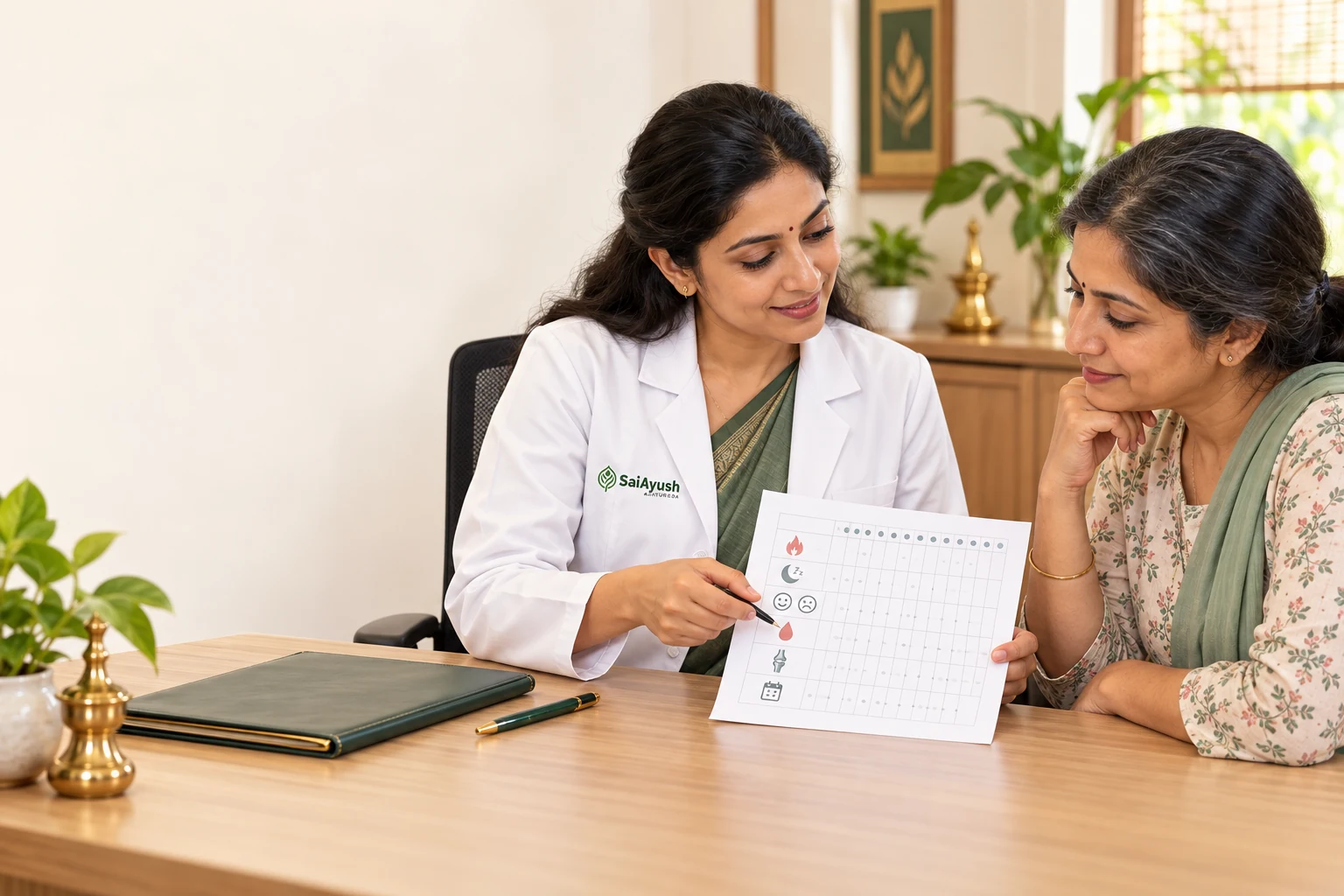
Menopause Symptom Diary
Menopause is a natural life transition, but the symptoms experienced during perimenopause and after menopause vary considerably. Some women have few concerns, while others experience symptoms that affect sleep, work, relationships, emotional well-being or daily activities.
A symptom diary can help you and your clinician identify patterns, measure how symptoms affect your life and decide whether additional evaluation is appropriate. It cannot diagnose menopause or prove that every symptom is caused by hormonal change.
If you have new, severe or unusual symptoms, seek medical advice rather than assuming they are part of menopause.
What is perimenopause?
Perimenopause is the transition leading up to menopause. During this time, menstrual cycles may become less predictable and symptoms can appear or change.
Menopause is generally recognised after 12 consecutive months without a menstrual period when there is no other medical explanation.
Symptoms may begin before periods stop and may continue afterwards. Age, medical history, medicines, previous surgery and other health conditions can influence the assessment.
Why keep a menopause symptom diary?
It can be difficult to remember how frequently symptoms occurred or how much they affected you over several weeks.
A diary may help you record:
- Changes in menstrual bleeding
- Hot flushes and night sweats
- Sleep disruption
- Mood changes
- Memory or concentration concerns
- Headaches or palpitations
- Joint and muscle symptoms
- Vaginal or urinary concerns
- Medicines and supplements
- Possible symptom patterns
- Effects on work and daily activities
The purpose is not to produce a perfect record. Even one or two weeks of consistent information can make an appointment more productive.
Fourteen-day menopause symptom diary
Complete the table once daily. If a symptom does not occur, record zero or “none.”
| Day | Bleeding or spotting | Hot flushes: number and severity | Night sweats | Sleep quality 0–10 | Mood | Vaginal or urinary symptoms | Other symptoms | Medicines or supplements | Notes |
| Day 1 | |||||||||
| Day 2 | |||||||||
| Day 3 | |||||||||
| Day 4 | |||||||||
| Day 5 | |||||||||
| Day 6 | |||||||||
| Day 7 | |||||||||
| Day 8 | |||||||||
| Day 9 | |||||||||
| Day 10 | |||||||||
| Day 11 | |||||||||
| Day 12 | |||||||||
| Day 13 | |||||||||
| Day 14 |
For the 0–10 scale:
- 0 means no difficulty.
- 10 means the most severe level you experienced.
These numbers are personal tracking tools. They are not medical severity scores and should not be compared with another person’s ratings.
Track changes in periods and bleeding
During perimenopause, periods may become irregular. Record:
- The first day of each period
- Number of bleeding days
- Light, moderate or heavy flow
- Flooding or leakage
- Clots
- Pain or cramping
- Bleeding between periods
- Bleeding after sexual activity
- Dizziness, weakness or breathlessness
- Whether the bleeding interrupted sleep or normal activities
If possible, retain period information from the previous 6–12 months using a calendar, notebook or mobile application.
Irregular bleeding should not automatically be attributed to perimenopause. Pregnancy, fibroids, thyroid disorders, medicines and other conditions may need to be considered.
Any vaginal bleeding after 12 months without a period should be medically assessed, even when the amount is small.
Record hot flushes
For each hot flush, note:
- Approximate time
- Duration
- Mild, moderate or severe intensity
- Sweating
- Facial or chest flushing
- Palpitations
- Dizziness
- Whether you needed to change clothing or stop an activity
- What you were doing immediately beforehand
Possible patterns may involve room temperature, alcohol, caffeine, spicy food, stress or disturbed sleep. However, one occurrence does not establish a trigger.
Do not remove multiple foods or drinks from your diet based on a single episode. Look for repeated patterns and discuss them with your clinician.
Track night sweats and sleep
Sleep disruption may occur because of night sweats, but it can also have other causes.
Record:
- Bedtime and waking time
- Approximate hours slept
- Time taken to fall asleep
- Number of awakenings
- Night sweats
- Whether clothing or bedding needed changing
- Difficulty returning to sleep
- Snoring
- Gasping or choking during sleep
- Restless legs
- Daytime sleepiness
- Caffeine or alcohol near bedtime
- Sleep medicines or supplements
Tell your clinician if you snore heavily, wake gasping or remain extremely sleepy during the day. A sleep disorder should not be assumed to be menopause.
Record mood and emotional well-being
Hormonal changes, poor sleep, personal circumstances and existing mental-health conditions may all influence emotional well-being.
Track:
- Irritability
- Anxiety
- Low mood
- Tearfulness
- Loss of interest
- Panic symptoms
- Feeling overwhelmed
- Changes in confidence
- Effect on work or relationships
- Previous anxiety or depression
- Mental-health medicines and counselling
Use neutral descriptions instead of judging yourself. For example, write “felt anxious for two hours and could not concentrate” rather than “had a bad day.”
Persistent low mood, severe anxiety or loss of interest deserves professional assessment. Thoughts of self-harm require urgent mental-health support.
Memory and concentration concerns
Some women describe difficulty concentrating or remembering information during the menopausal transition.
Record examples such as:
- Losing track during conversations
- Difficulty completing familiar tasks
- Forgetting appointments
- Reduced concentration at work
- Trouble recalling words
- Whether the problem follows poor sleep
- Whether symptoms are stable or worsening
Memory concerns can also be affected by stress, sleep deprivation, thyroid disorders, anaemia, medicines, depression and other conditions.
Rapidly worsening memory, confusion or new neurological symptoms should not be attributed to menopause without medical evaluation.
Vaginal, sexual and urinary symptoms
These concerns are common but may be difficult to discuss. Recording them can help you raise the subject during your appointment.
Note:
- Vaginal dryness
- Burning or irritation
- Pain during sexual activity
- Bleeding after sexual activity
- Changes in sexual desire
- Urinary urgency
- Increased frequency
- Burning during urination
- Repeated urinary infections
- Urine leakage
- Pelvic pressure or pain
Do not apply unprescribed oils, herbal products, perfumes or internal preparations to the genital area. Irritation, infection and other conditions may produce similar symptoms and require appropriate examination.
Joint, muscle and physical symptoms
Record any changes involving:
- Joint pain or stiffness
- Muscle aches
- Headaches or migraine
- Palpitations
- Fatigue
- Skin or hair changes
- Breast symptoms
- Weight changes
- Balance problems
- Reduced exercise tolerance
Write down where the symptom occurs, when it started and how it affects movement or activity.
Chest pain, fainting, marked breathlessness or new neurological symptoms require prompt medical attention rather than routine menopause follow-up.
Record medicines and supplements
Make a complete list of everything you take, including:
- Prescription medicines
- Hormone replacement therapy
- Hormonal contraception
- Thyroid, diabetes or blood-pressure medicines
- Antidepressants or anxiety medicines
- Sleep medicines
- Pain medicines
- Ayurvedic medicines
- Herbal products
- Vitamins and nutritional supplements
- Non-prescription remedies
For each item, note:
- Name
- Dose
- Frequency
- Reason for use
- Start date
- Any recent dose change
- Possible adverse effects
Bring medicine packets, prescriptions or photographs of labels if you are unsure of the names.
Do not stop hormone therapy, hormonal contraception, antidepressants or other prescribed medicines before an Ayurveda consultation unless the prescribing clinician advises you to do so.
Record relevant medical and family history
Tell your clinician about:
- High blood pressure
- Diabetes or prediabetes
- High cholesterol
- Thyroid disease
- Migraine
- Liver or kidney disease
- Previous blood clots
- Heart disease
- Osteoporosis or fractures
- Breast, ovarian or uterine conditions
- Endometriosis or fibroids
- Previous hysterectomy or ovarian surgery
- Cancer history
- Depression, anxiety or another mental-health condition
Relevant family history may include:
- Breast or ovarian cancer
- Osteoporosis
- Early menopause
- Blood clots
- Heart disease
- Stroke
- Diabetes
This information helps the clinician interpret symptoms and discuss appropriate referral or screening.
What reports should you bring?
Bring the records you already have, such as:
- Recent blood-test reports
- Thyroid reports
- Blood glucose or HbA1c
- Lipid profile
- Complete blood count
- Vitamin or iron reports
- Previous pelvic ultrasound reports
- Mammography or cervical-screening records
- Bone-density reports
- Hospital discharge summaries
- Prescriptions from other clinicians
Do not arrange a large panel of hormone tests independently. Whether testing is useful depends on age, menstrual history, symptoms, contraception, surgery and other clinical factors.
Questions to take to your appointment
Consider asking:
- Are my symptoms consistent with perimenopause or menopause?
- Could another medical condition be contributing?
- Do I need any tests?
- Does my bleeding pattern require further evaluation?
- Which symptoms should I continue tracking?
- Could my current medicines be affecting my symptoms?
- What evidence-based treatment options are available?
- What are the potential benefits and risks of each option?
- Is hormone replacement therapy appropriate for me?
- Could an Ayurvedic medicine interact with my prescriptions?
- Are any Panchakarma procedures suitable or unsuitable for me?
- What should I do about vaginal or urinary symptoms?
- Should my bone, cardiovascular or metabolic health be assessed?
- When should I return for follow-up?
- Which symptoms require urgent medical care?
Mention your priorities. Sleep, bleeding, hot flushes, mood, sexual health and bone health may require different discussions.
When should you arrange a medical review?
Arrange an appointment when:
- Symptoms interfere with sleep, work or daily activities
- Periods become very heavy, prolonged or unusually frequent
- Bleeding occurs between periods or after sex
- Vaginal or urinary symptoms persist
- Palpitations recur
- Mood or anxiety symptoms are difficult to manage
- You have concerns about bone health
- Menopause-like symptoms begin before age 45
- Periods stop before age 40
- The diagnosis is uncertain
- You are considering hormones, herbal products or Panchakarma
Early or premature loss of ovarian function may require specific assessment and long-term health planning.
When is urgent medical attention required?
Seek urgent or emergency care for:
- Very heavy bleeding accompanied by faintness, weakness or breathlessness
- Severe or sudden pelvic or abdominal pain
- Chest pain
- Severe breathlessness
- Fainting
- New weakness on one side of the body
- New speech or vision difficulty
- A sudden, unusually severe headache
- Swelling of the face, lips, tongue or throat
- Thoughts of self-harm
- Any sudden or severe deterioration
Do not wait for a routine Ayurveda appointment when emergency symptoms are present.
Where may Ayurveda fit into menopause care?
Some women consider Ayurveda as complementary support during perimenopause or after menopause.
Before recommending any medicine or procedure, an Ayurveda physician should review:
- Menstrual and bleeding history
- Main symptoms
- Existing diagnoses
- Current medicines and supplements
- Previous treatment
- Allergies
- Cancer, blood-clot and cardiovascular history
- Bone-health concerns
- Vaginal or urinary symptoms
- Relevant investigation reports
Ayurvedic medicines and Panchakarma procedures should not be presented as substitutes for evaluation of abnormal bleeding, severe depression, cardiovascular symptoms or other concerning conditions.
Do not use herbal products as replacements for prescribed hormone therapy or other medicines without consulting the relevant prescribing clinician. “Natural” does not mean free from adverse effects or interactions.
Doctor-guided menopause support at Sai Ayush
At Sai Ayush Ayurveda Hospital, recommendations are made after reviewing the woman’s symptoms, bleeding history, medical conditions, medicines, reports and individual suitability.
Patients seeking information about available clinical services can visit the Sai Ayush menopause care page.
A consultation does not guarantee that an Ayurvedic medicine, external therapy or Panchakarma procedure will be advised. Referral to a gynaecologist, physician, mental-health professional or another specialist may be recommended when appropriate.
Frequently asked questions
How long should I keep a menopause diary?
Begin with 14 days. Longer tracking may be helpful when symptoms are intermittent or when your clinician wants to review changes over time.
Should I record days without symptoms?
Yes. Recording symptom-free days helps show frequency and patterns more accurately.
Do I need a special application?
No. A notebook, printed table or ordinary calendar is sufficient. Use whichever method you can complete consistently.
Can an irregular period be assumed to be perimenopause?
No. Perimenopause is one possibility, but pregnancy, thyroid conditions, fibroids, medicines and other causes may need consideration.
Should bleeding after menopause be recorded or reported?
Record it, but do not wait for the diary to be completed. Vaginal bleeding after 12 months without a period should be medically assessed.
Should I stop HRT before an Ayurveda appointment?
No. Do not stop or change prescribed HRT without speaking to the clinician responsible for that prescription.
Can Ayurveda replace HRT?
Ayurveda should not be advertised as a direct or universally safer replacement for HRT. Suitability, benefits and risks of all options should be discussed individually with appropriately qualified clinicians.
Does every woman need Panchakarma during menopause?
No. Panchakarma is not automatically required or appropriate. Any procedure should follow a medical history review and individual suitability assessment.
Can a diary diagnose menopause?
No. A diary supports discussion but cannot diagnose menopause or exclude another medical condition.
Key takeaway
A menopause symptom diary can help you record bleeding, hot flushes, night sweats, sleep, mood, cognitive concerns and vaginal or urinary symptoms before your appointment.
Bring your diary, current medicines and available reports. Seek medical assessment for abnormal bleeding, persistent symptoms or concerns beginning at a younger age, and obtain urgent care for severe or sudden symptoms.
Medical disclaimer: This article provides general education and a symptom-tracking tool. It does not diagnose menopause or recommend an individual treatment plan. Consult an appropriately qualified healthcare professional before changing medicines, supplements or treatment.
Medically Reviewed By