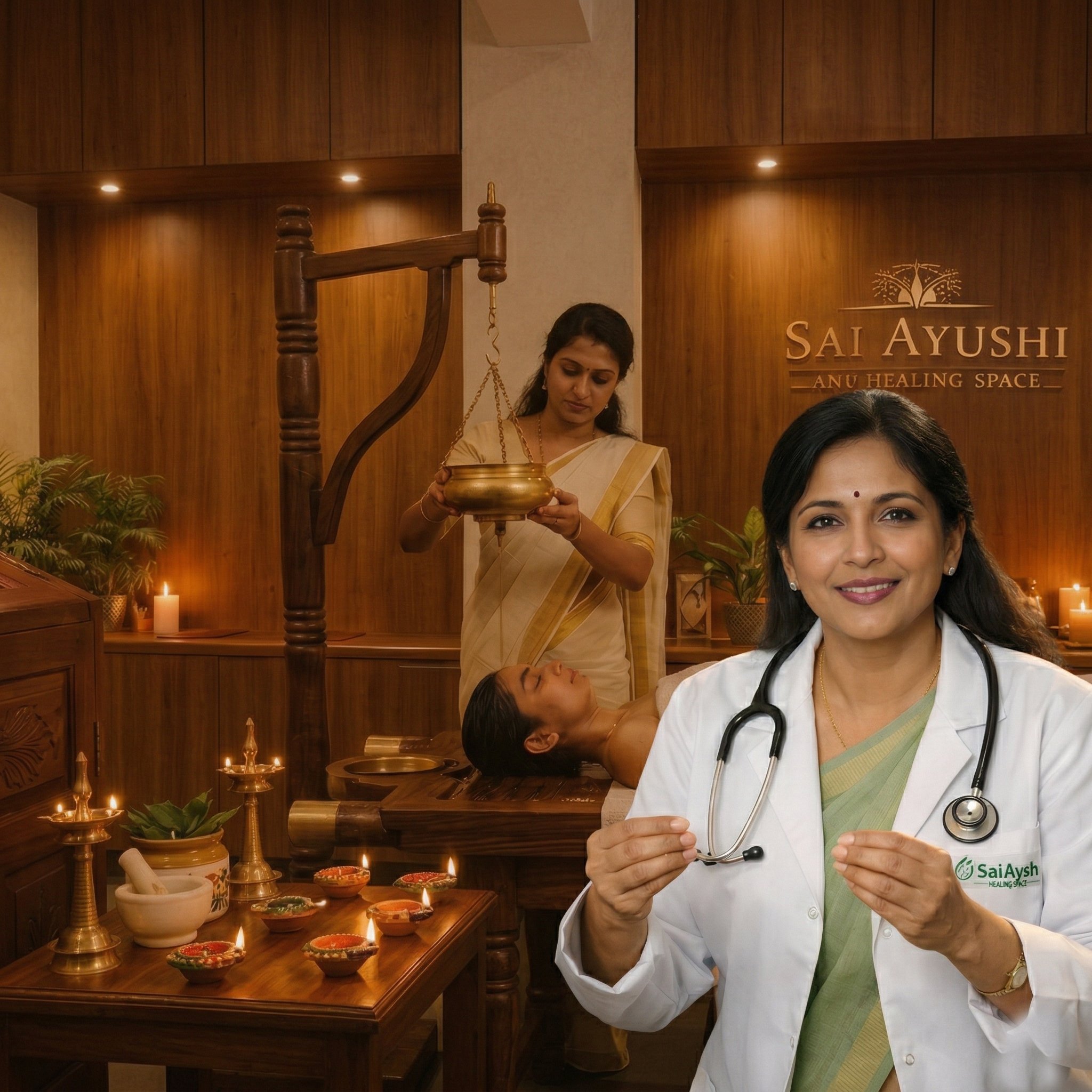

Panchakarma Treatment in Hyderabad
Classical Ayurvedic detoxification and rejuvenation — rigorously assessed, supervised, and dynamically structured by our expert clinical team in Hyderabad.
What Is Panchakarma?
The word Panchakarma comes from Sanskrit — Pancha meaning five, and Karma meaning therapeutic action. Together, they describe a group of five classical Ayurvedic cleansing procedures that systematically remove accumulated metabolic waste (ama) from the body's tissues.
Unlike a general wellness massage or a day-spa treatment, Panchakarma is a structured medical intervention. It is preceded by a preparatory phase, followed by the main procedures, and supported by a carefully prescribed recovery period.
Not just a Spa Service
- Begins with a formal clinical consultation, not a walk-in booking.
- Procedures are selected solely based on your Prakriti and Dosha.
- Both the preparation phase and recovery phase are clinically mandatory.
- Administered by trained therapists under physician supervision.
The Five Procedures
Not every patient receives all five procedures. Your physician determines the exact combination appropriate for your constitution and clinical goals.
How Panchakarma Works
A complete programme delivered in three structured, sequential phases. Each phase builds heavily on the previous one.
Poorvakarma
The body is prepared for deeper cleansing through internal oleation (Snehapana) and external oleation combined with therapeutic sweating (Abhyanga + Swedana). This mobilises toxins. Typically 3–7 days.
Pradhanakarma
The selected Panchakarma procedure(s) are administered. The specific combination, sequence, and number of sessions are determined by your physician based on your Prakriti and Dosha.
Paschatkarma
A structured recovery period supports the body in consolidating outcomes. This includes dietary progression, lifestyle modifications, and herbal formulations to ensure long-term stability.
Who May Benefit?
Panchakarma is not a one-size-fits-all treatment, and individual suitability is always assessed before a programme is recommended. Based on clinical assessment, it may be considered for:
Contraindications
Generally not recommended during pregnancy, acute illness, very elderly or very young patients, or those with certain cardiovascular conditions.
When to Consider a Consultation
Many people wait too long before seeking a formal assessment — often after years of managing symptoms with lifestyle changes that have plateaued. Look out for these signals:
Recurring Symptoms
Your condition keeps returning despite temporary relief — digestive issues, skin flare-ups, or pain that doesn't fully resolve.
Duration Over 3 Months
Symptoms that have persisted for three months or more without clear improvement suggest a deeper systemic imbalance worth assessing.
Fatigue That Doesn't Resolve
Persistent low energy, brain fog, or poor sleep quality that hasn't improved with rest or basic lifestyle changes.
Seeking Complementary Care
You are managing a chronic condition with conventional treatment and want to explore a structured complementary approach alongside it.
Seasonal Preventive Health
You are generally healthy but want a structured seasonal detox to maintain vitality — a traditional and preventive use of Panchakarma.
Self-Care Has Plateaued
Diet changes, supplements, or home remedies are no longer producing visible benefit. A clinical assessment may identify what's being missed.
What Happens After You Book?
Starting a new treatment can feel uncertain. Here is your structured journey at Sai Ayush:
Initial Physician Consultation
Your first appointment is a structured clinical consultation. Our physician takes a detailed medical history, assesses your Prakriti (Ayurvedic constitution), evaluates current doshic imbalances, and reviews any existing reports or medications. This is the foundation of your personalised programme — nothing is recommended before this.
Programme Design
Based on your consultation, the clinical team prepares a personalised Panchakarma plan — specifying the procedures, duration, herbal formulations, and dietary guidelines appropriate for your condition. This plan is explained to you clearly before you begin.
Poorvakarma (Preparation)
Your programme begins with the preparation phase — typically internal oleation and therapeutic sweating over several days. This phase runs on an outpatient basis in most cases. Dietary modifications begin here.
Main Procedures
The prescribed Panchakarma procedure(s) are administered at the clinic by trained therapists. The frequency and number of sessions are determined by your physician.
Paschatkarma & Follow-Up
After the main procedures, the recovery phase begins with dietary guidance, herbal support, and lifestyle recommendations. A follow-up consultation reviews your progress and determines the next steps in your care.
Complete Range of Therapies
Click any of our specialized individual treatments to view their precise clinical applications and benefits.
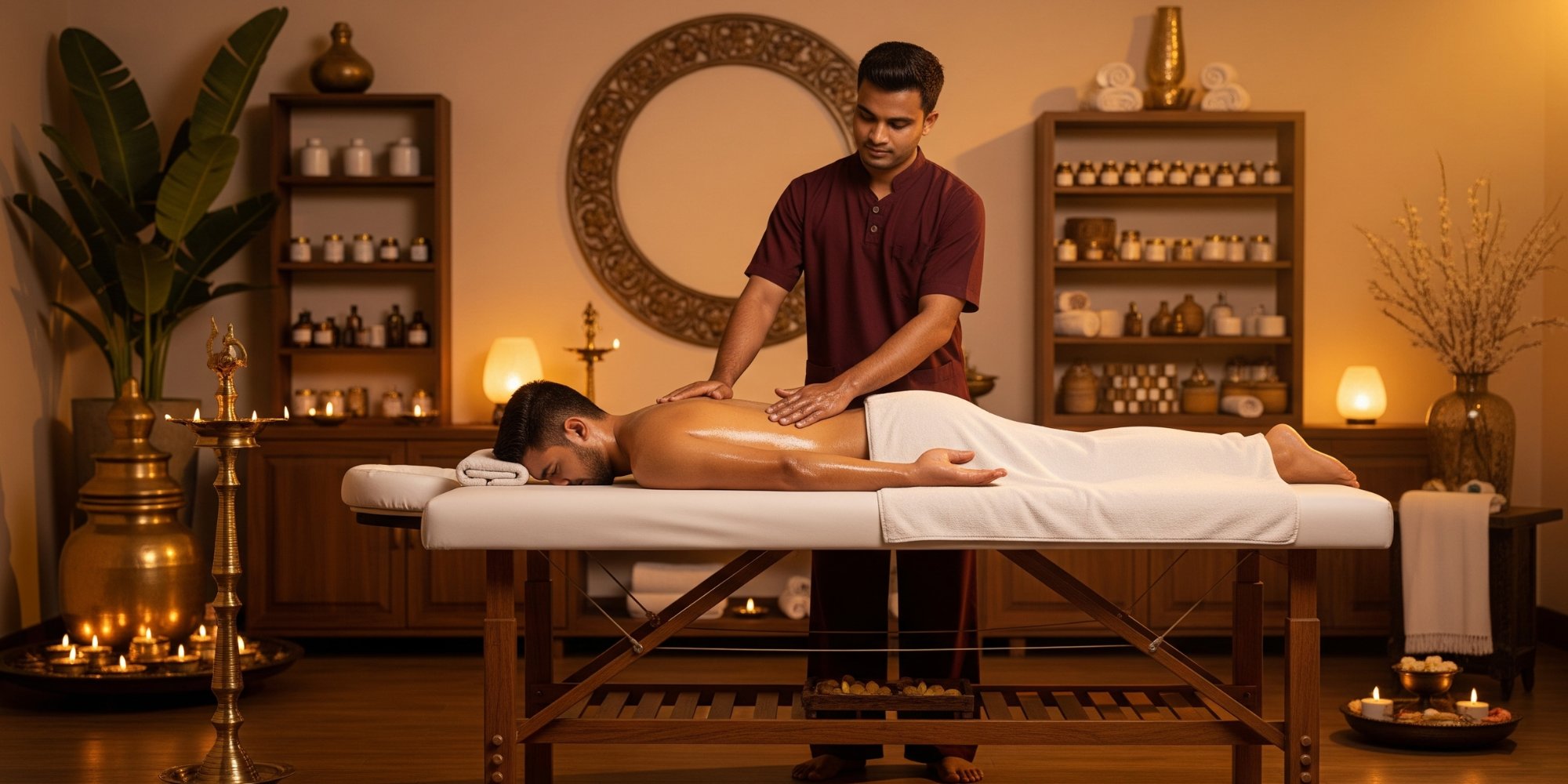
Abhyanga (Therapeutic Oil Massage)
.jpg)
Basti (Medicated Enema)
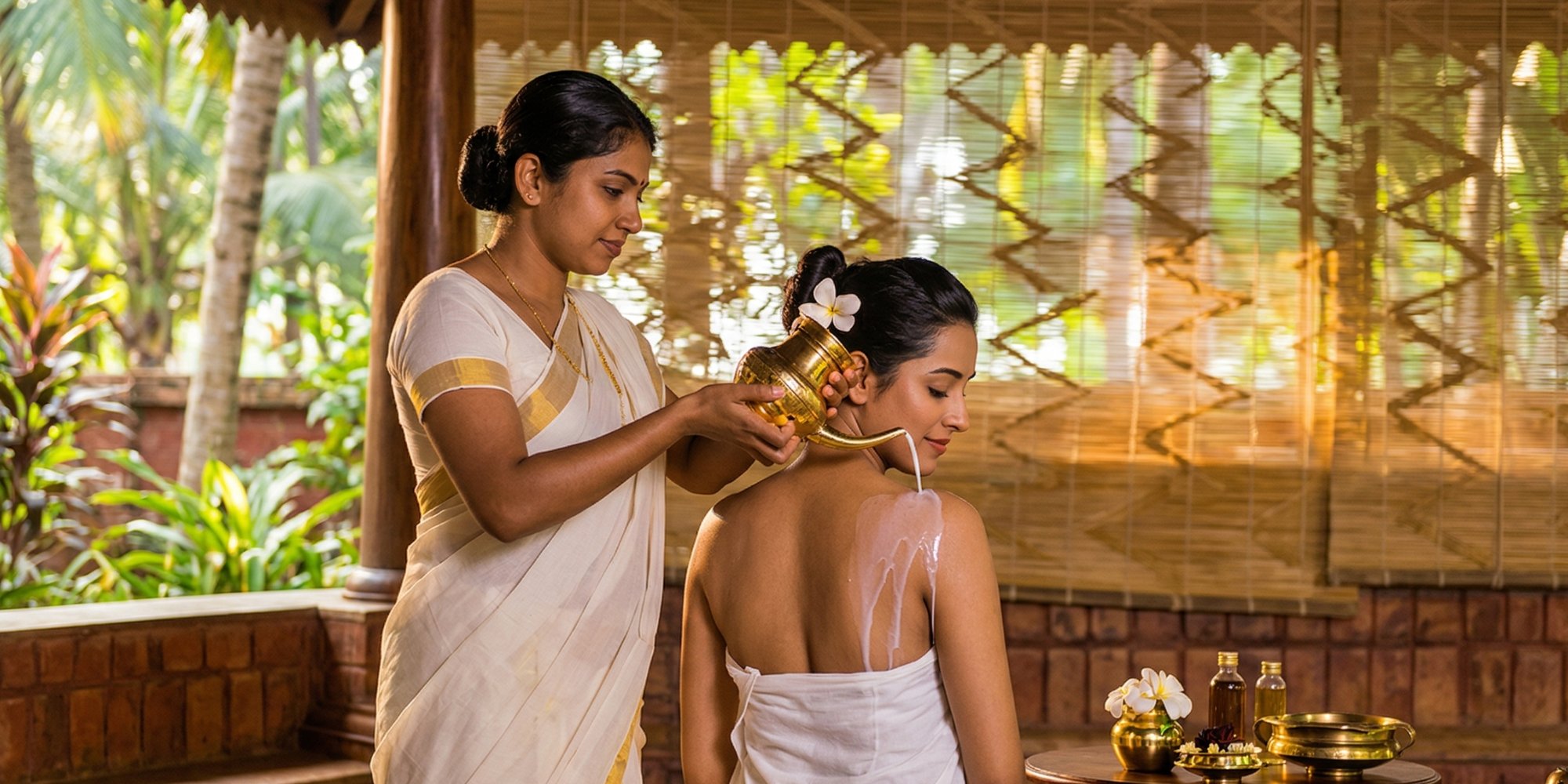
Dhanyamla Dhara (Fermented Liquid Pouring)
Greeva Basti (Cervical Oil Swab)
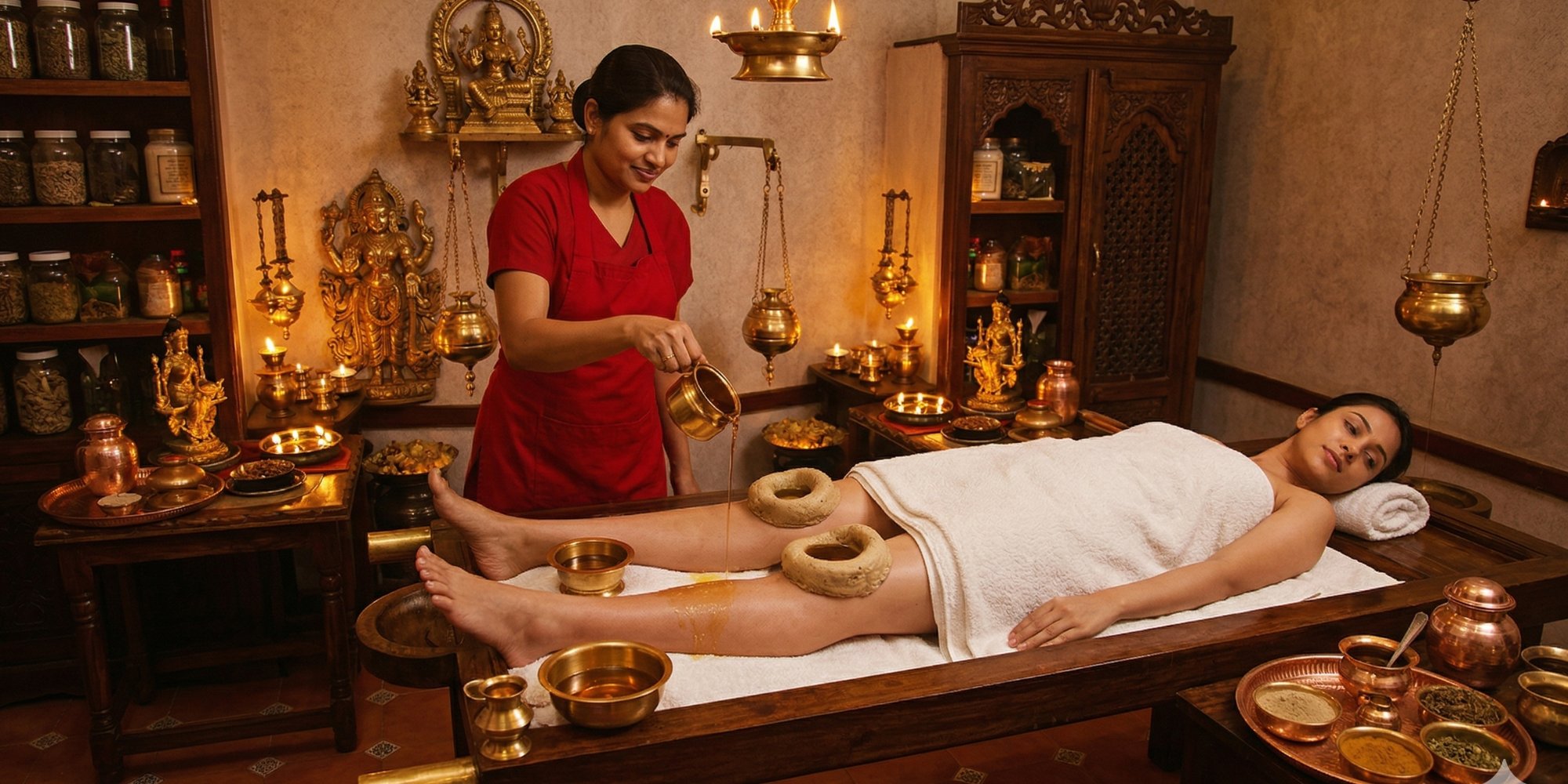
Janu Basti (Knee Oil Reservoir)
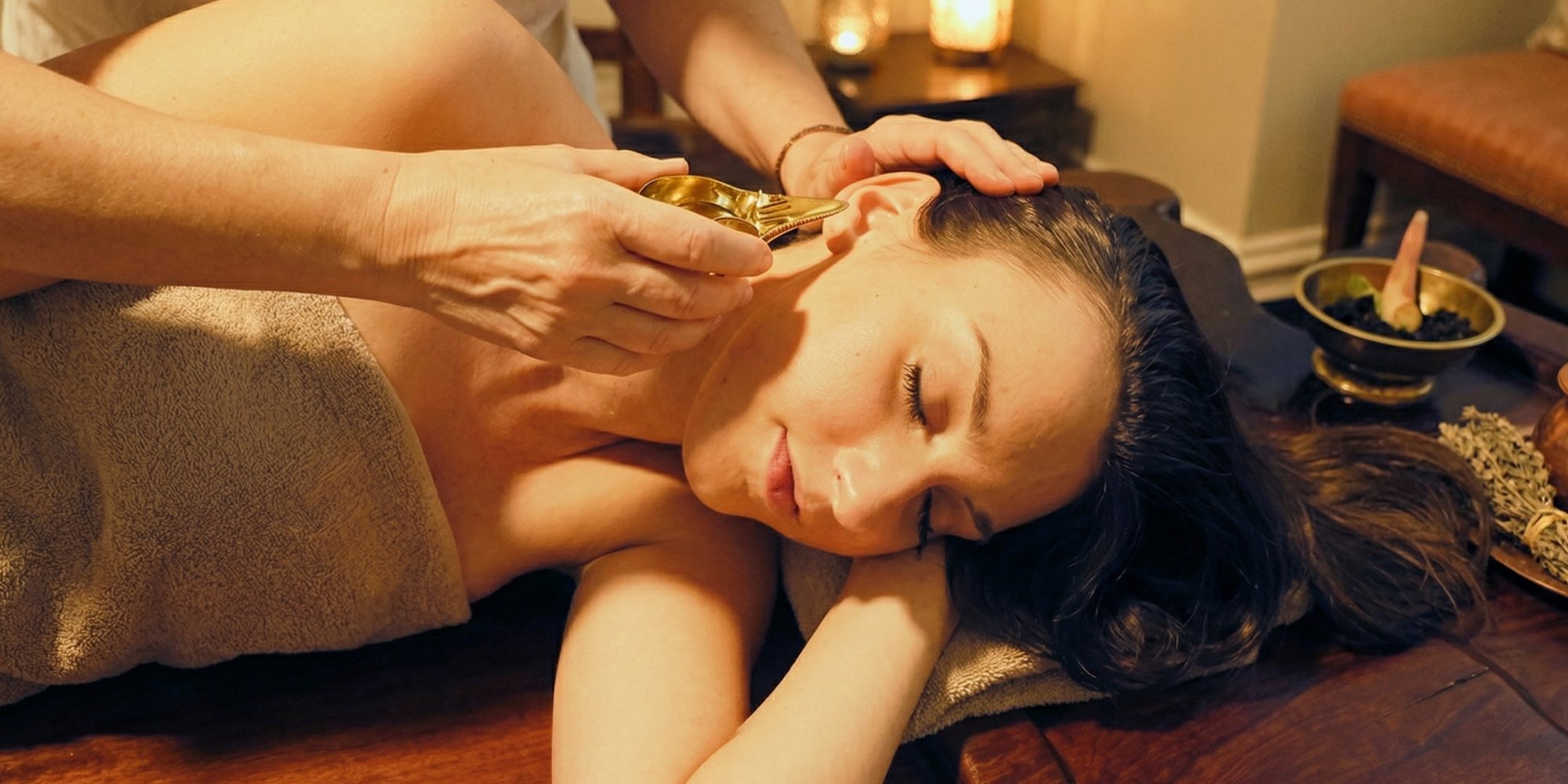
Karna Poorana (Ear Oil Therapy)
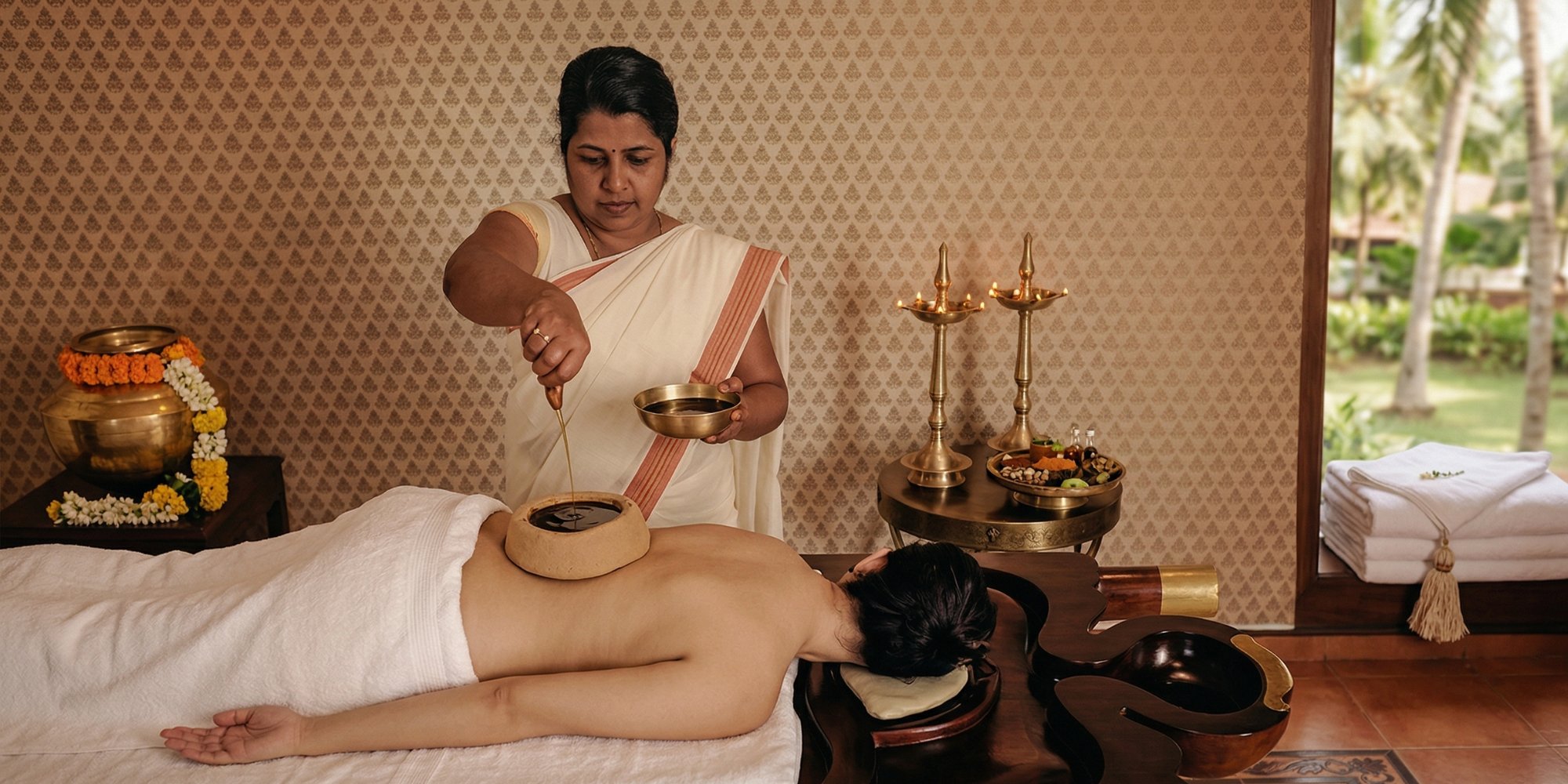
Kati Basti (Lumbar Oil Reservoir)
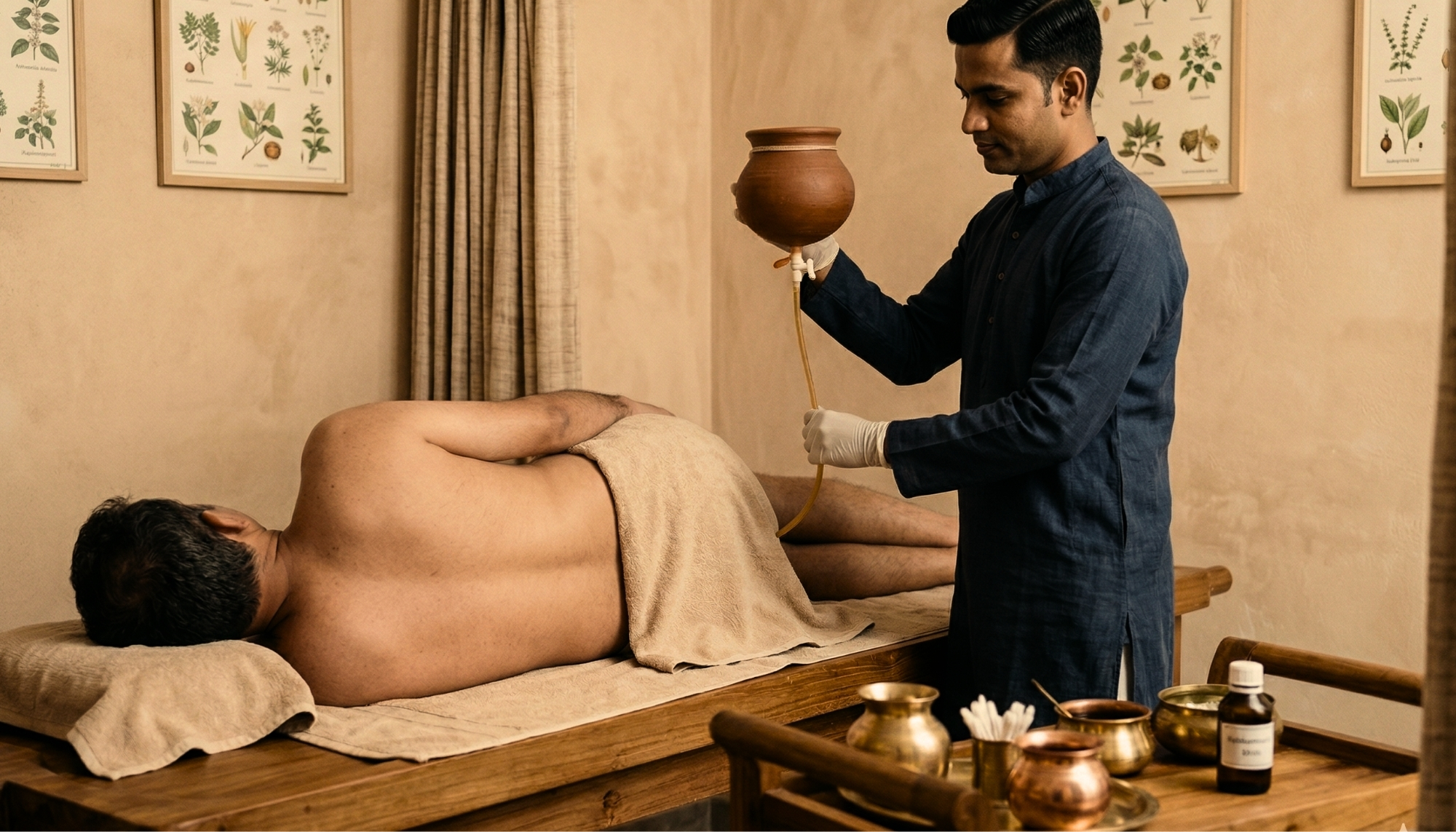
Matra Basti in Ayurveda
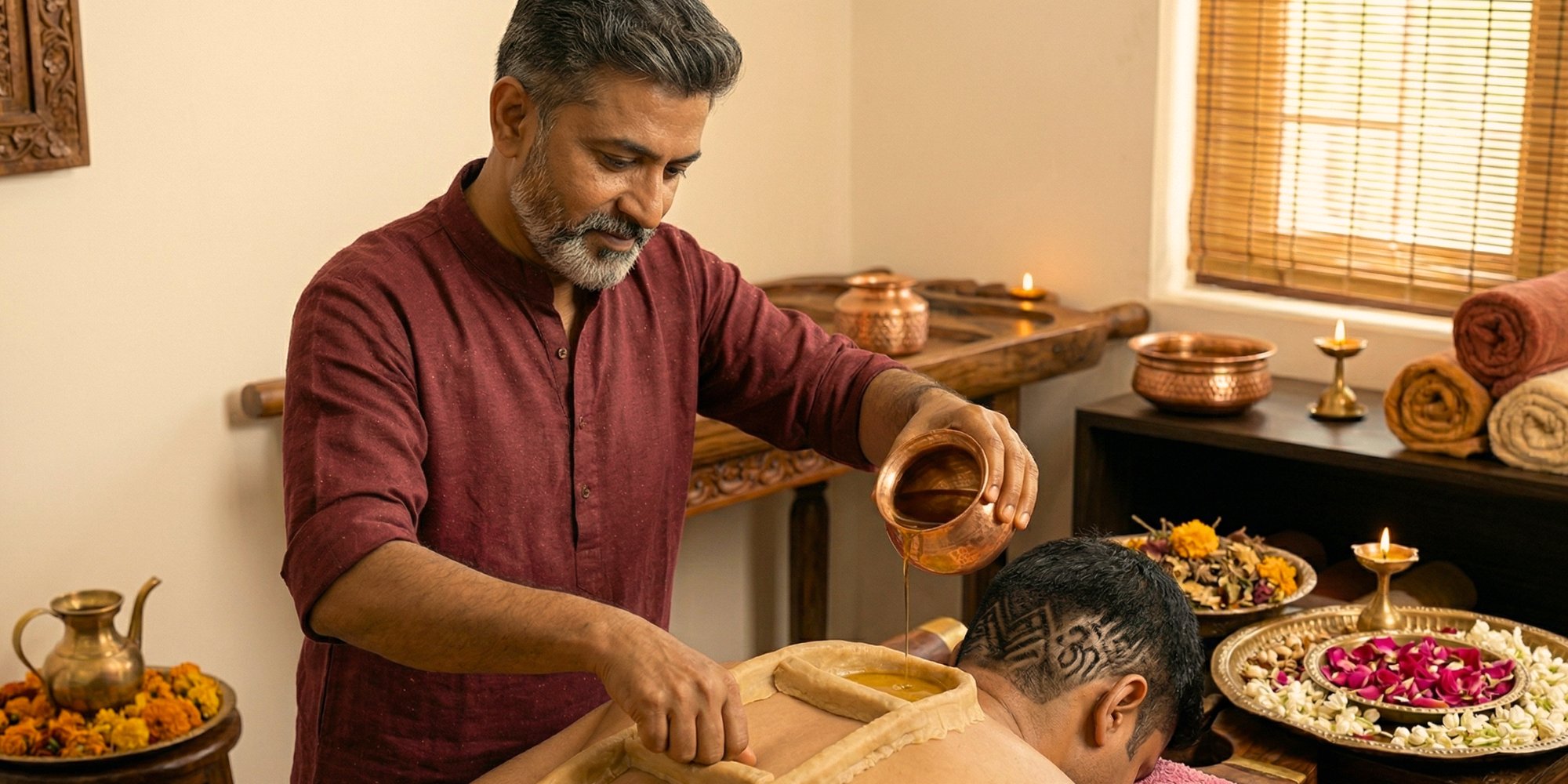
Meru Basti (Spinal Column Oil Pool)
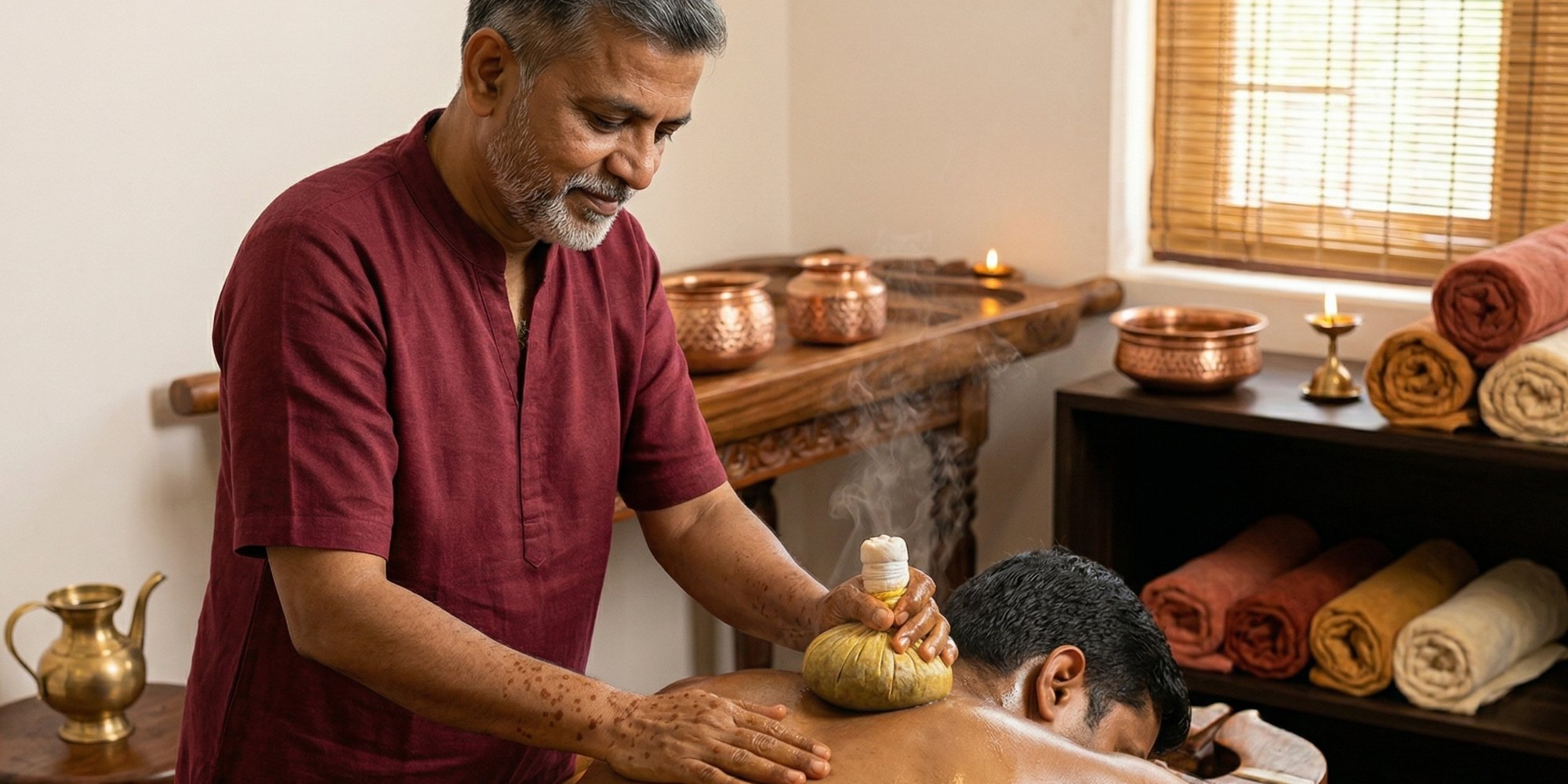
Naranga Kizhi (Lemon & Garlic Poultice)
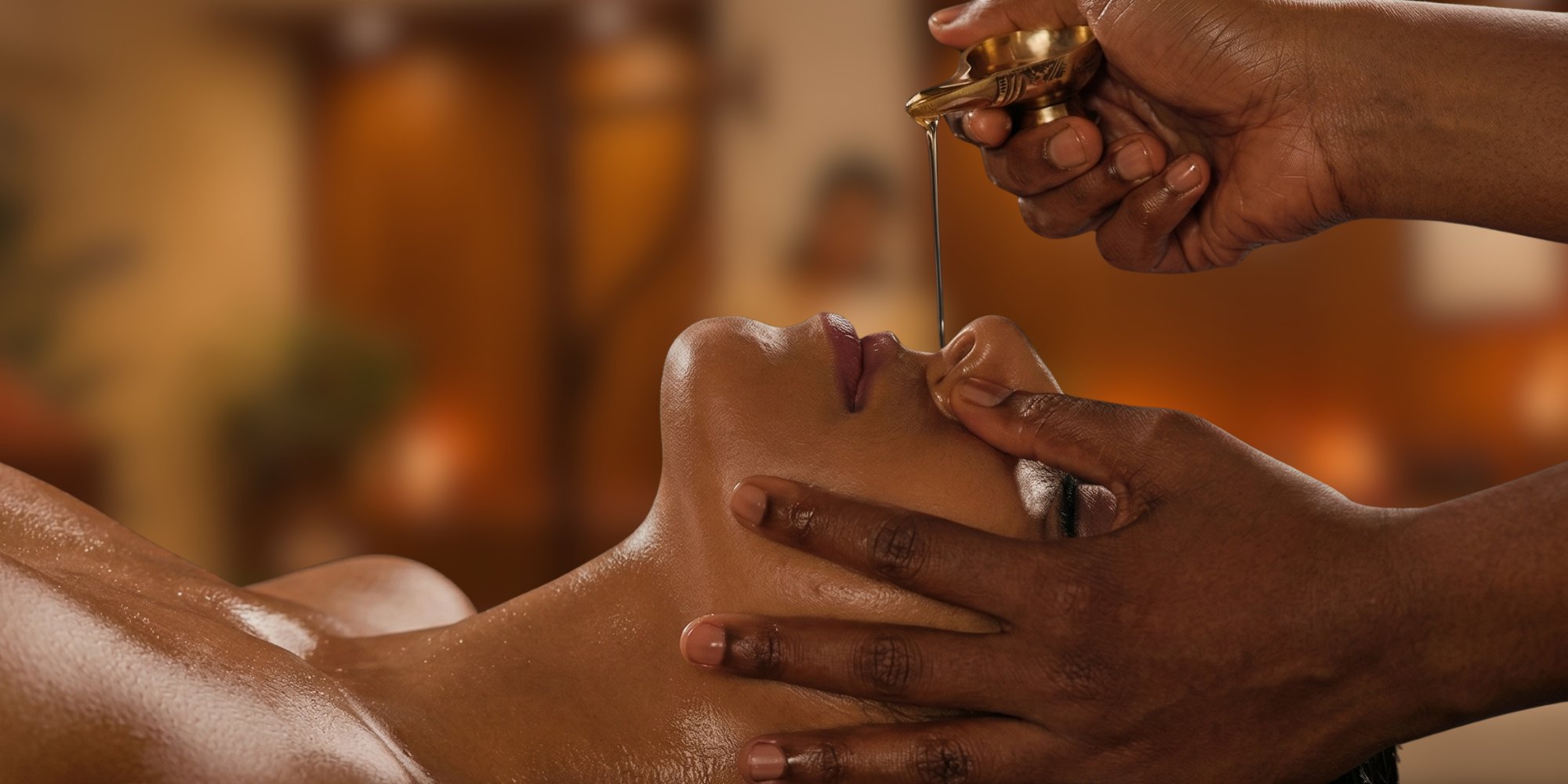
Nasya (Nasal Administration)
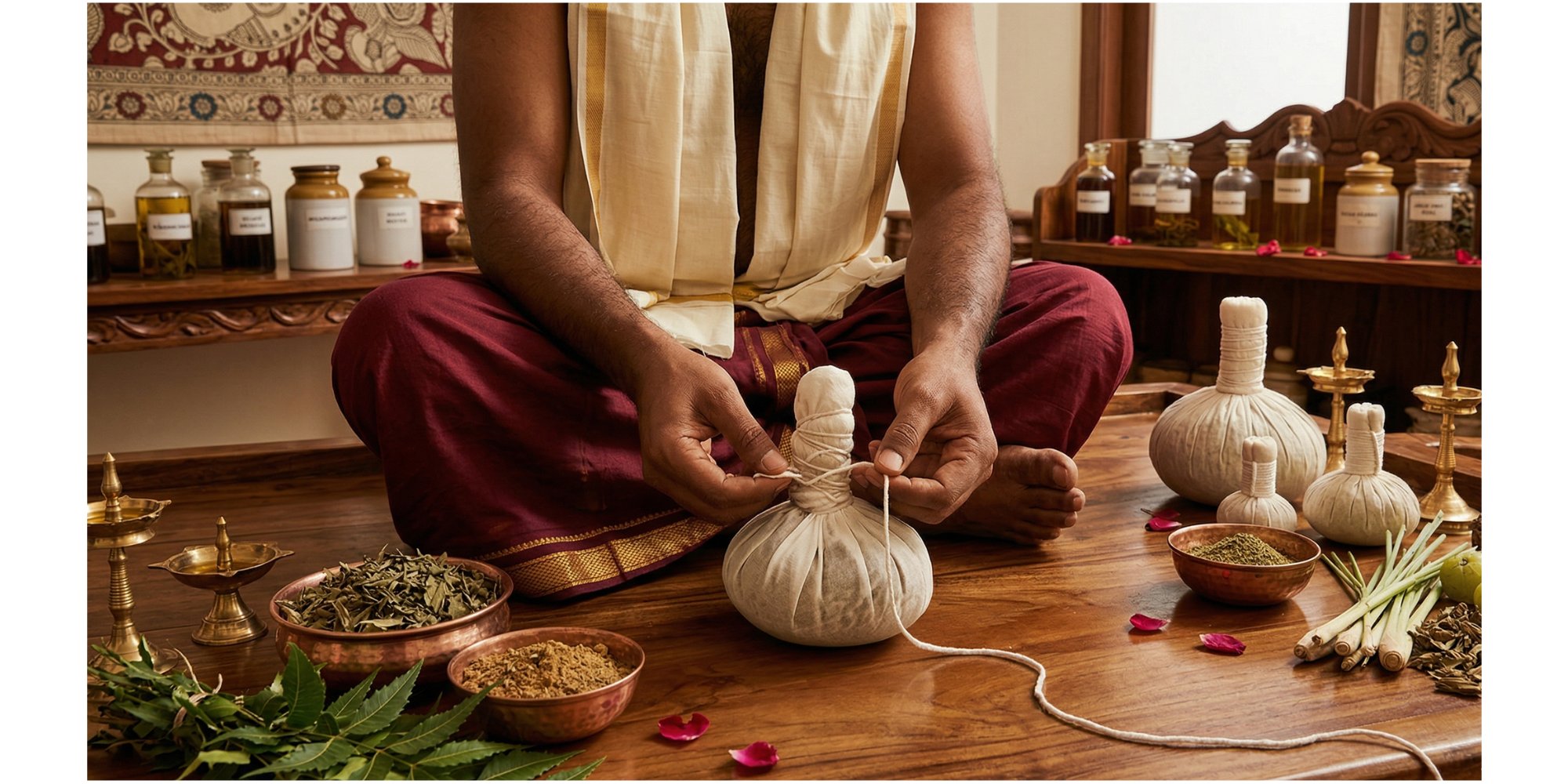
Navarakizhi (Rice Bundle Massage)
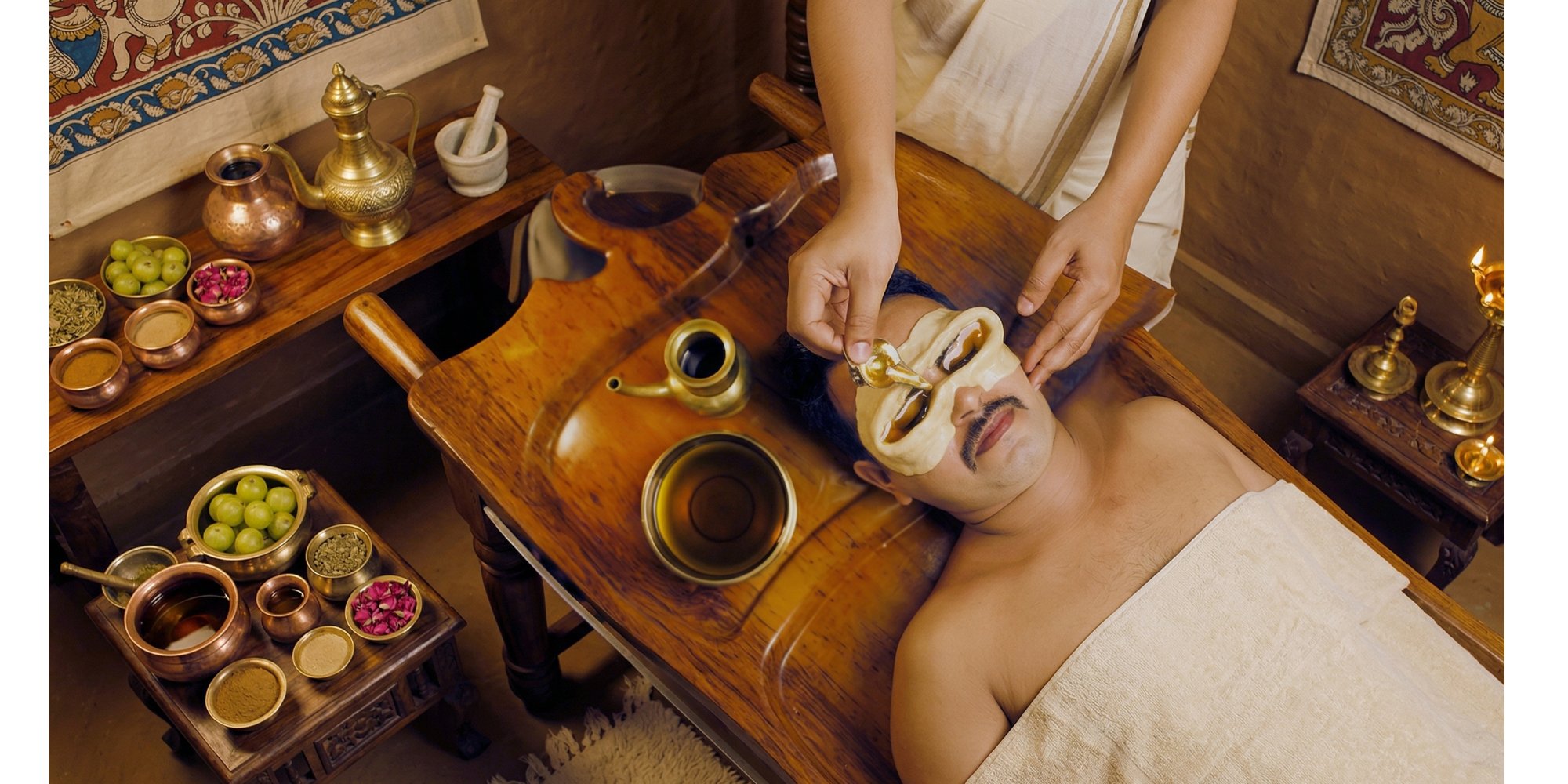
Netra Tarpana (Eye Rejuvenation)
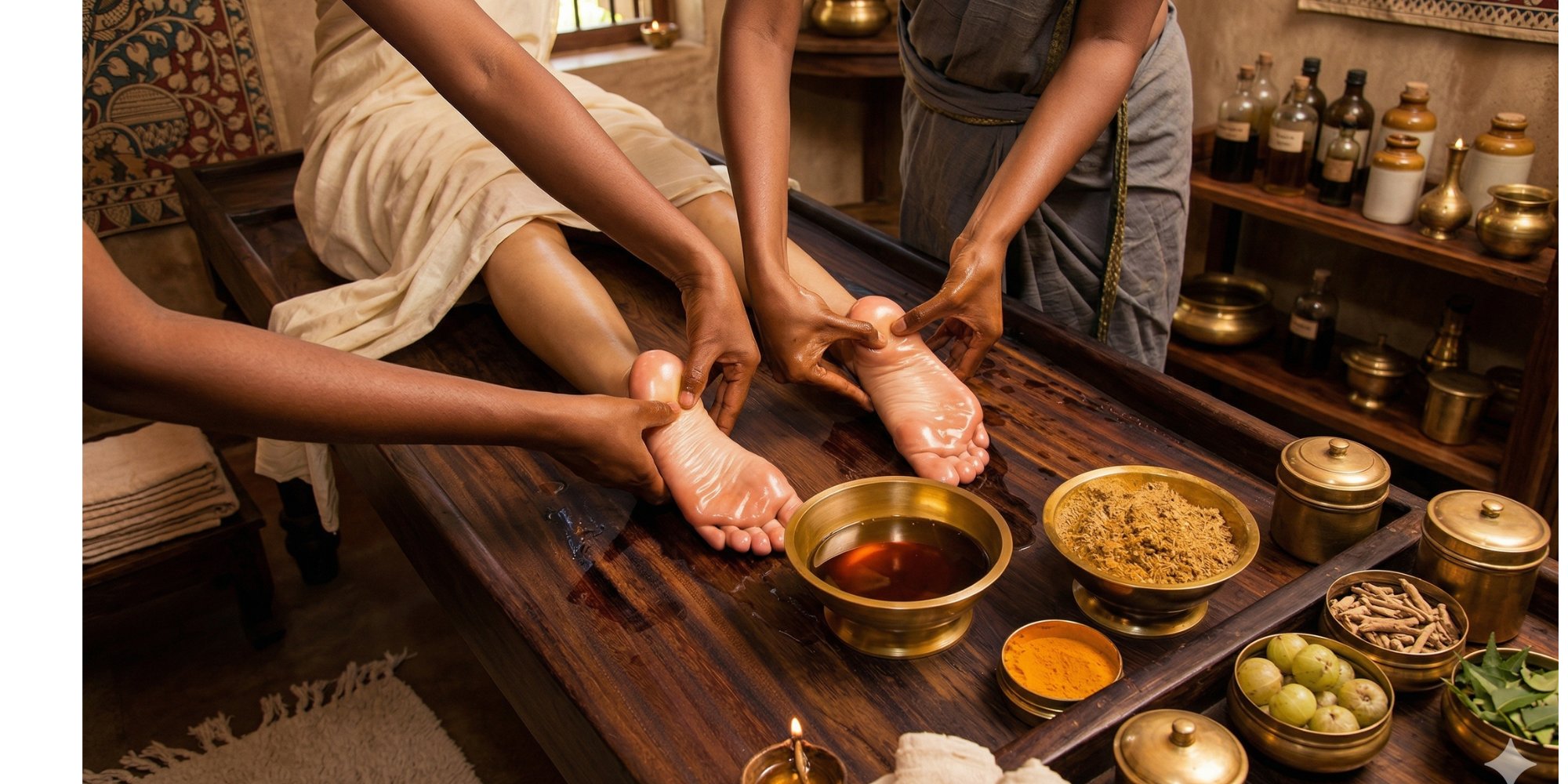
Padabhyanga (Foot Massage Therapy)
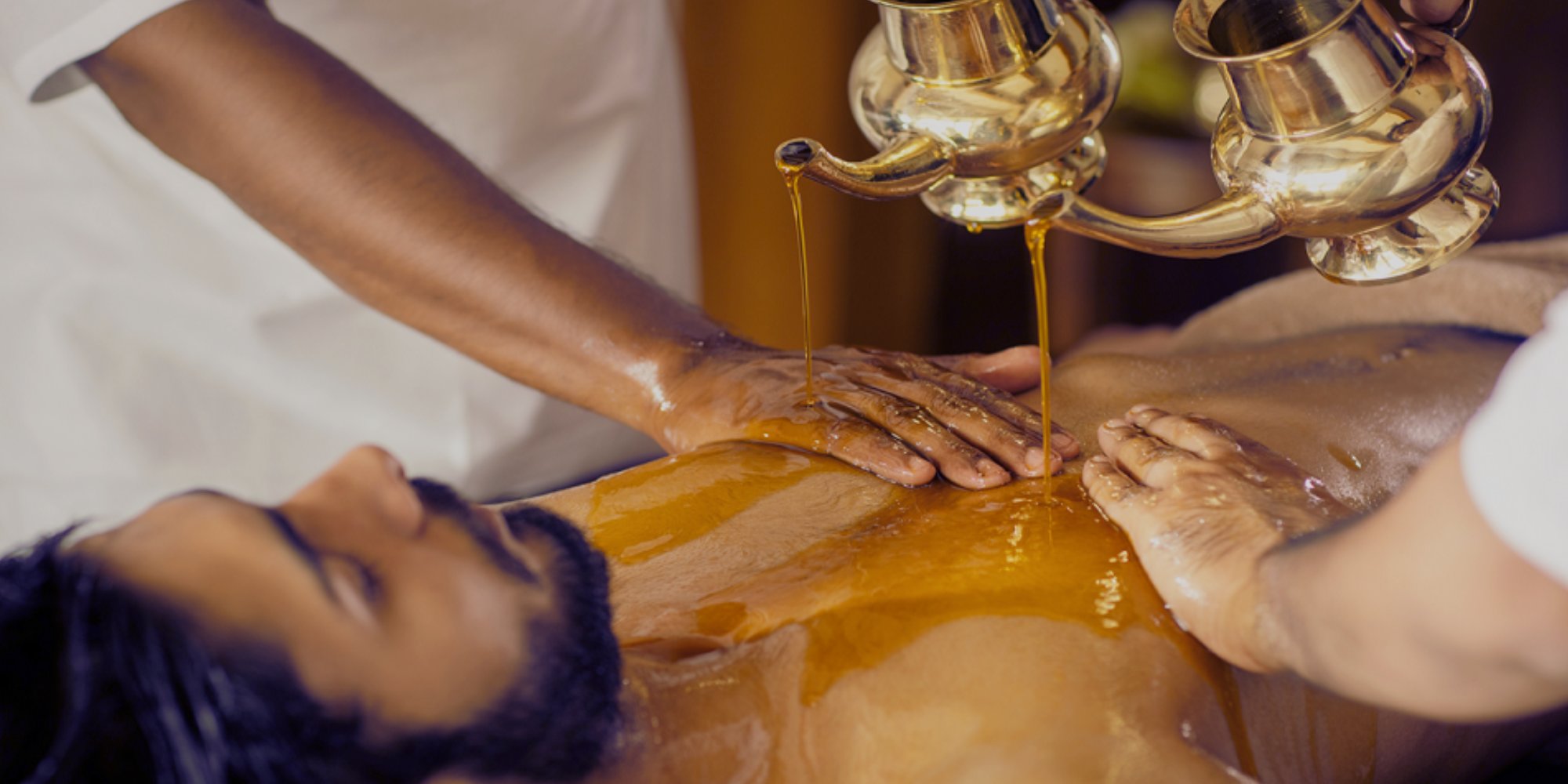
Pizhichil (Royal Oil Bath)
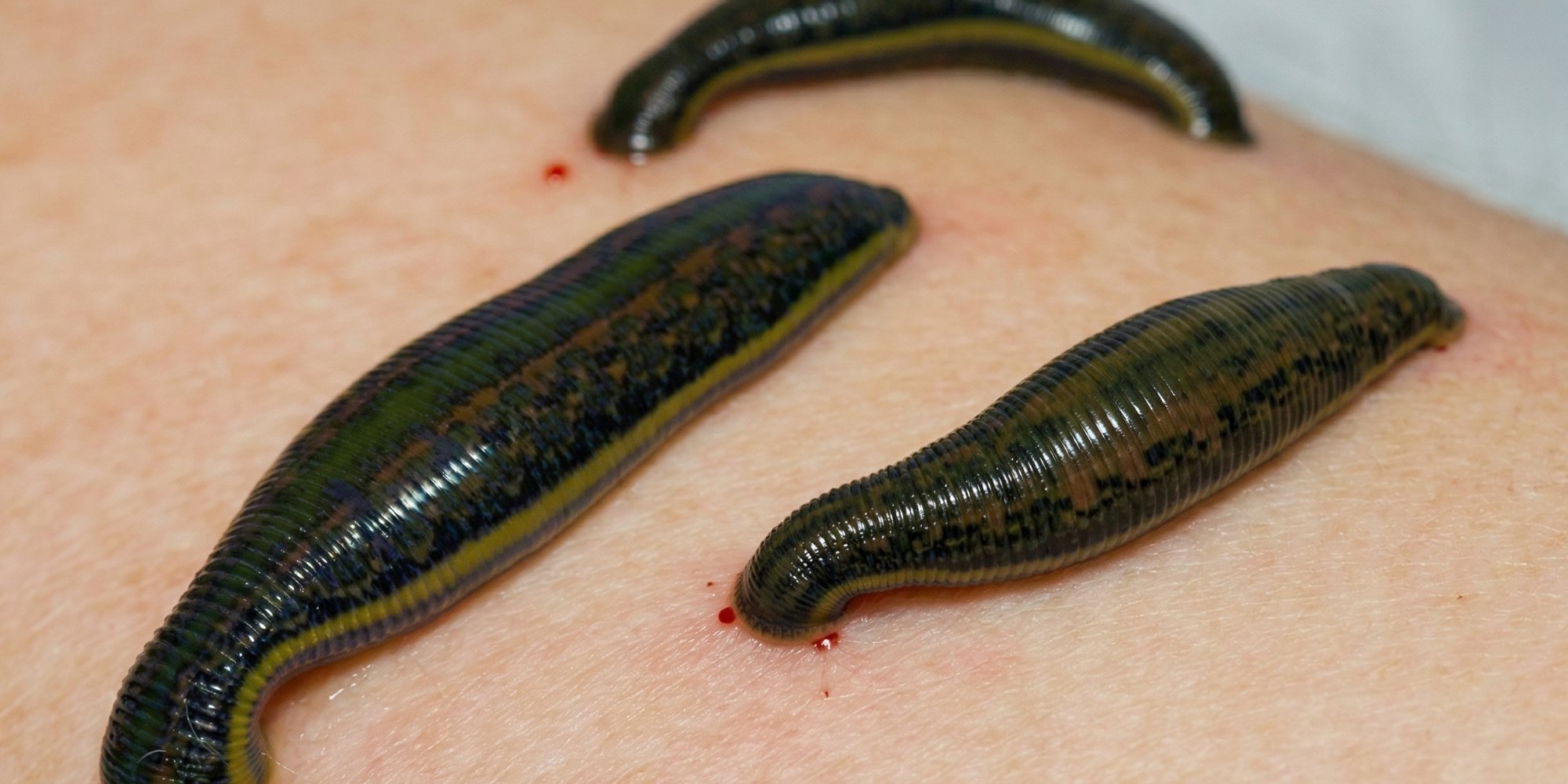
Raktamokshana (Bloodletting)
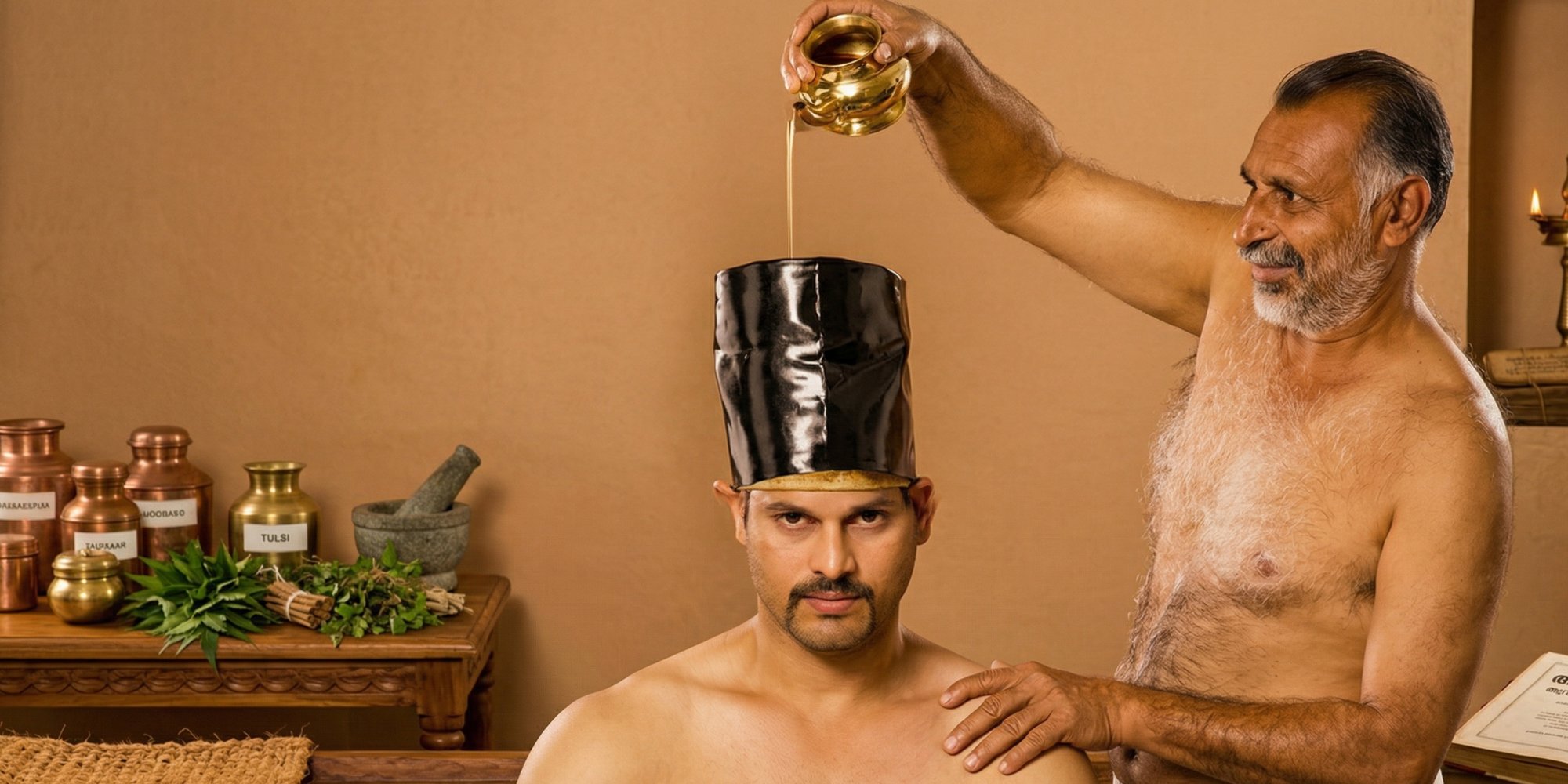
Shiro Basti (Cranial Oil Pooling)
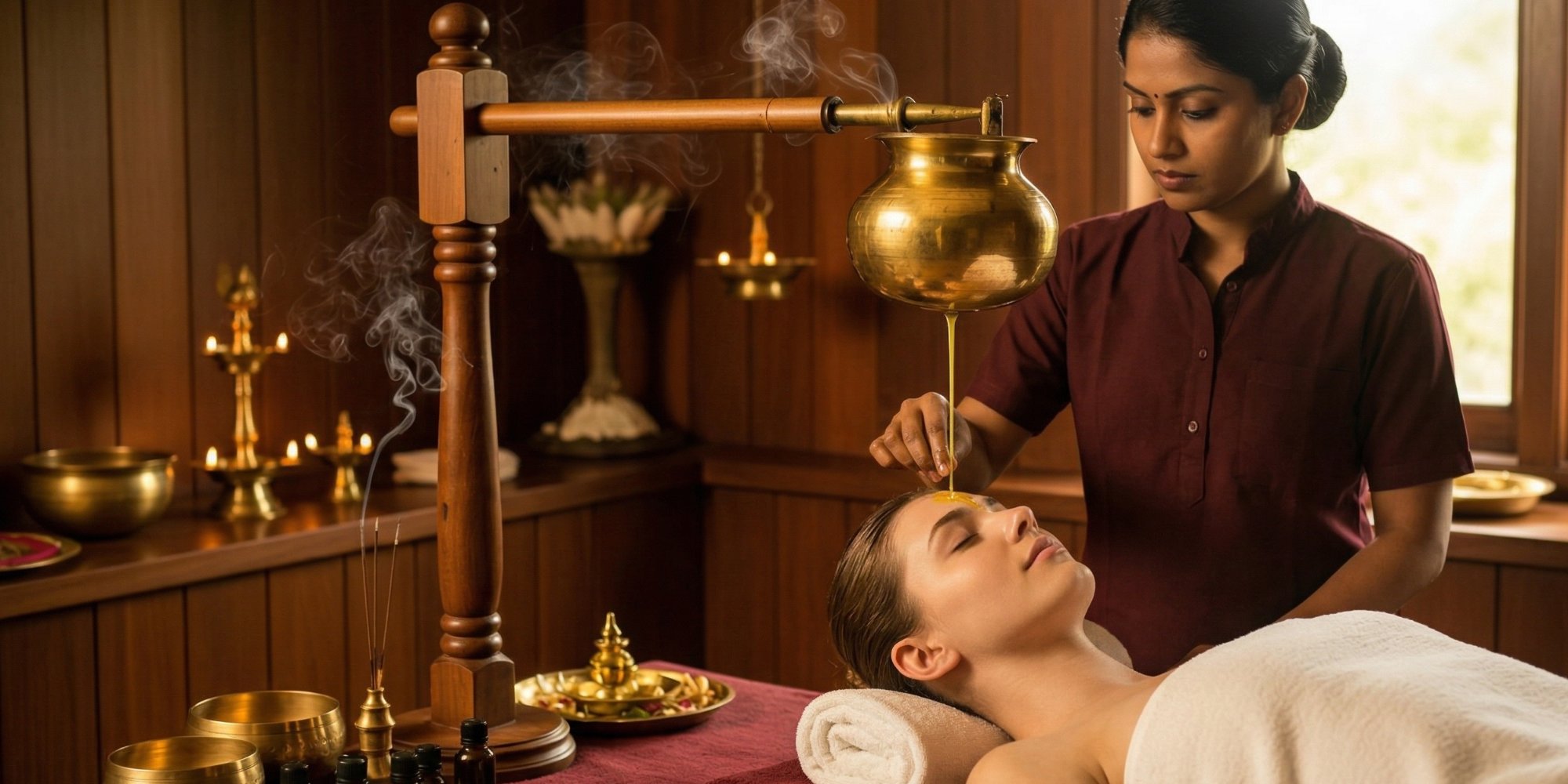
Shirodhara (Third Eye Drip)
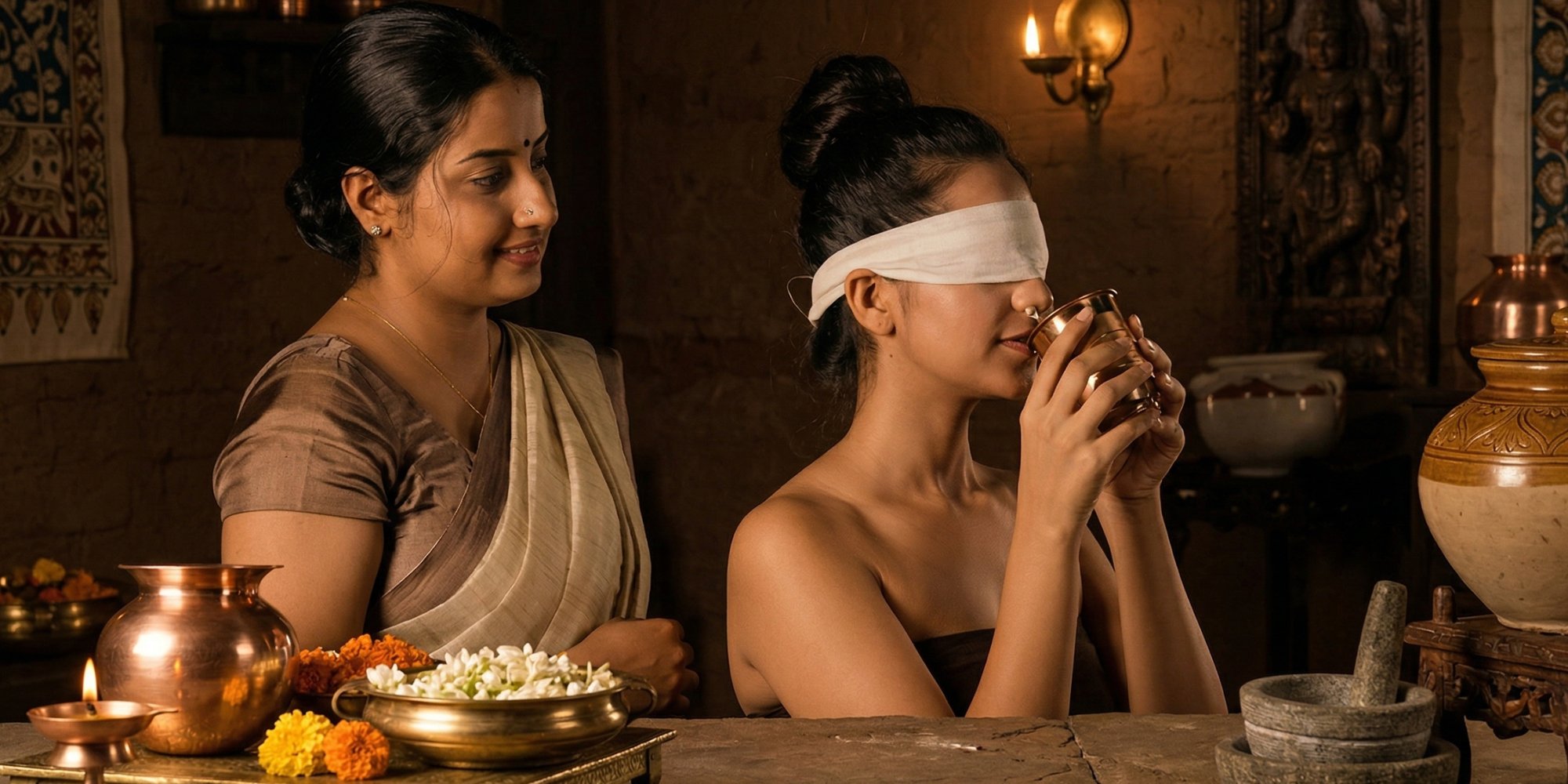
Snehapana (Internal Oleation Therapy)
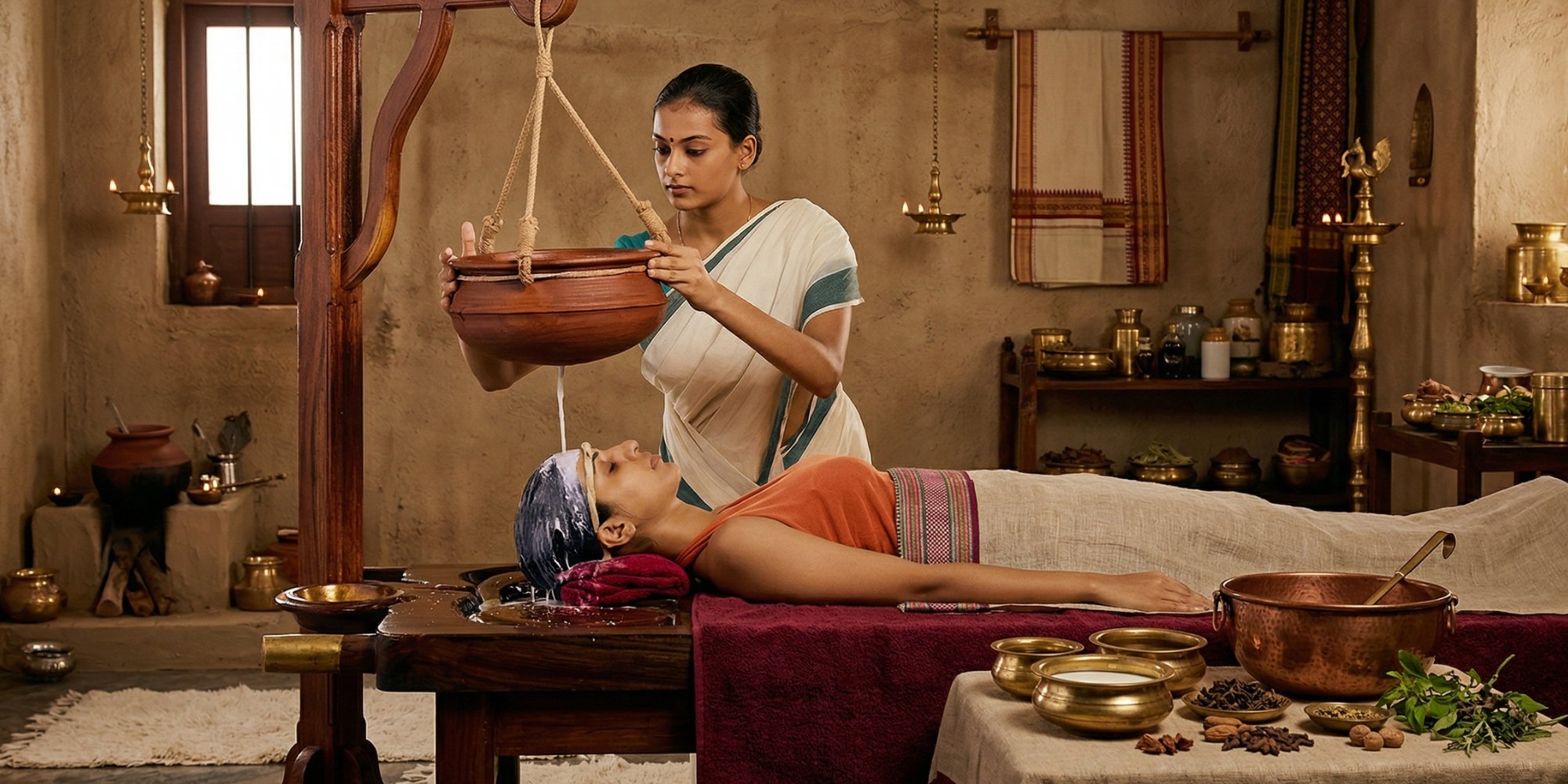
Takradhara (Buttermilk Pouring)
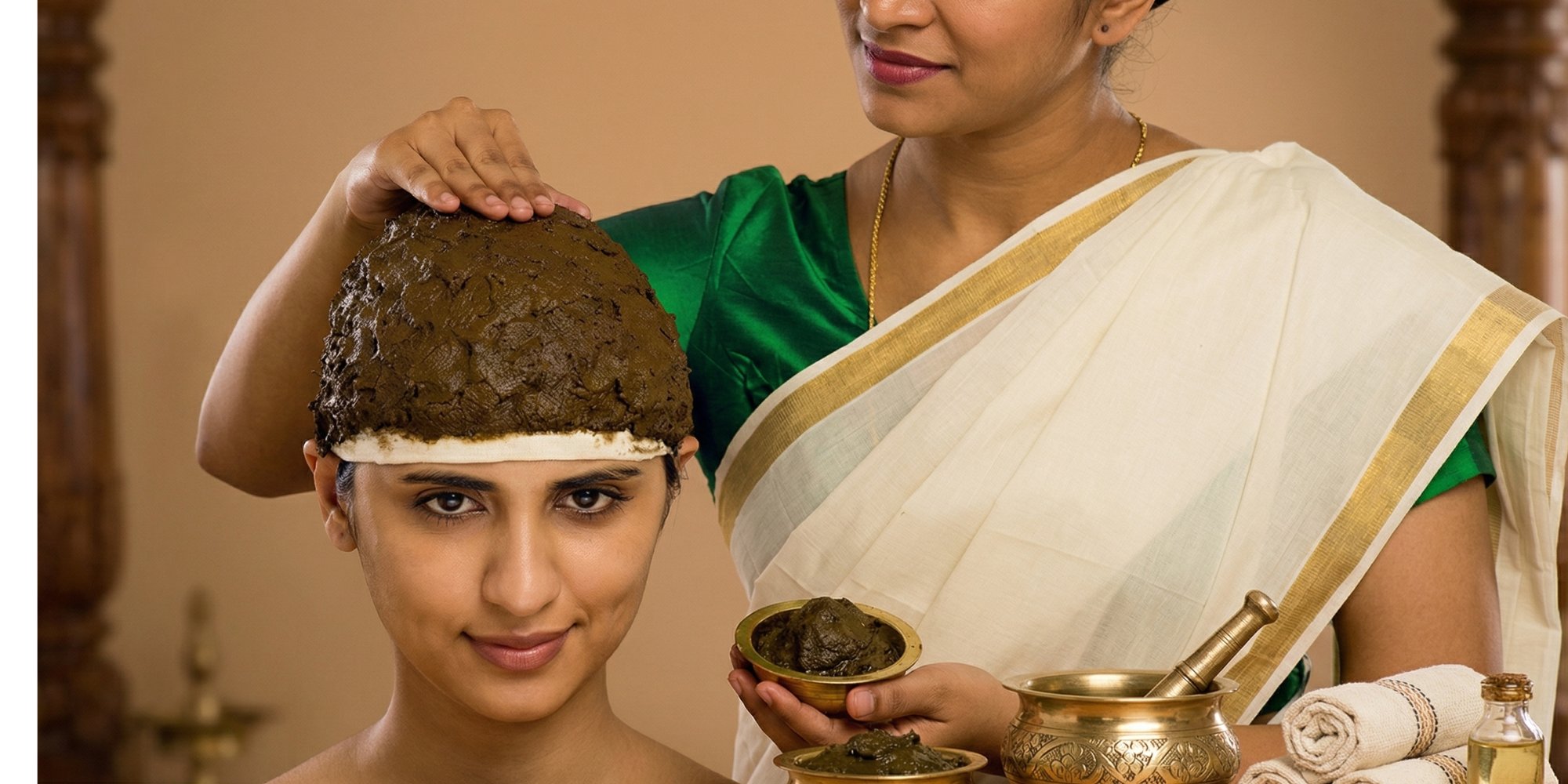
Thalam (Cranial Herbal Paste)
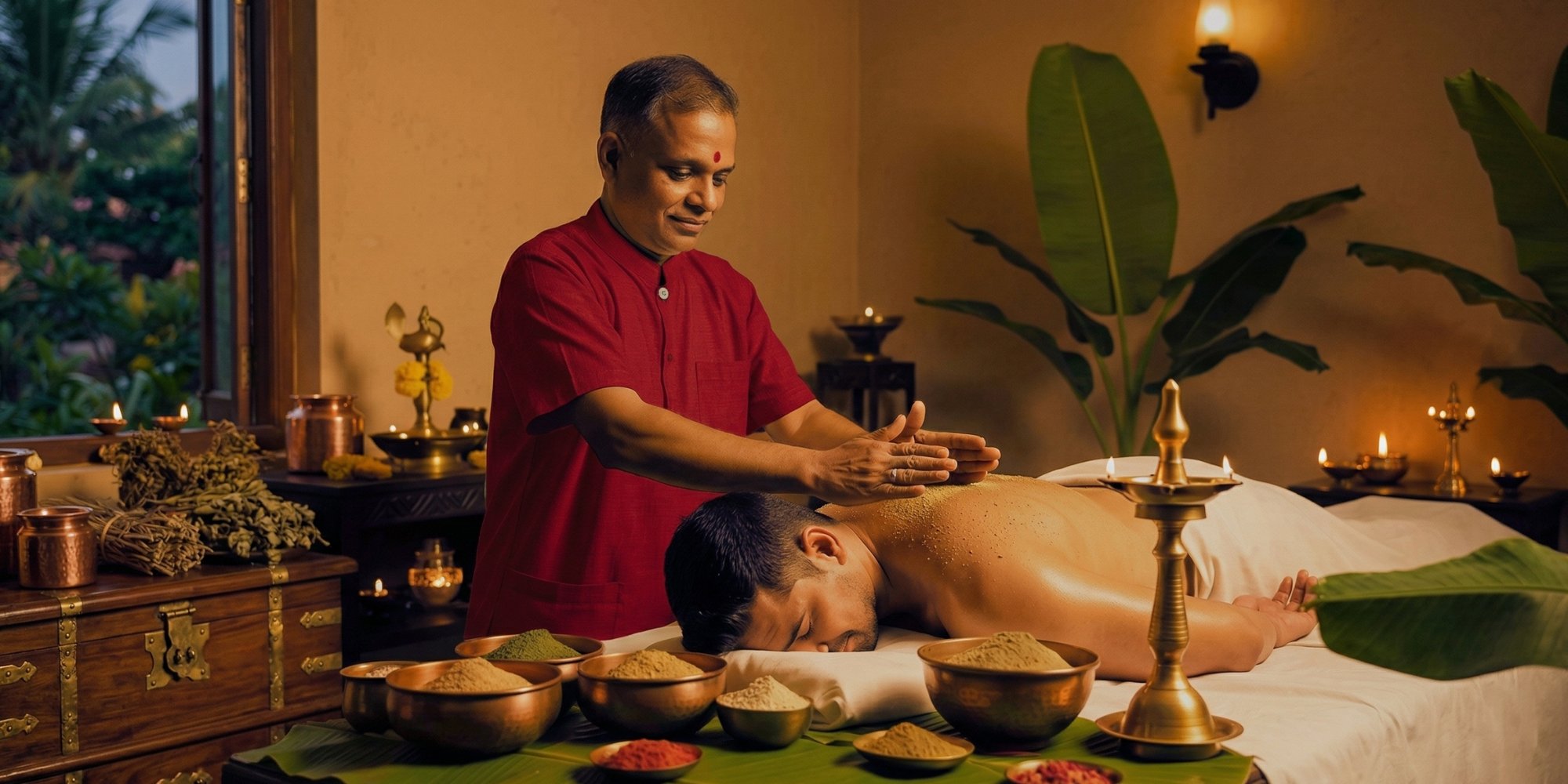
Udwarthanam (Herbal Powder Massage)
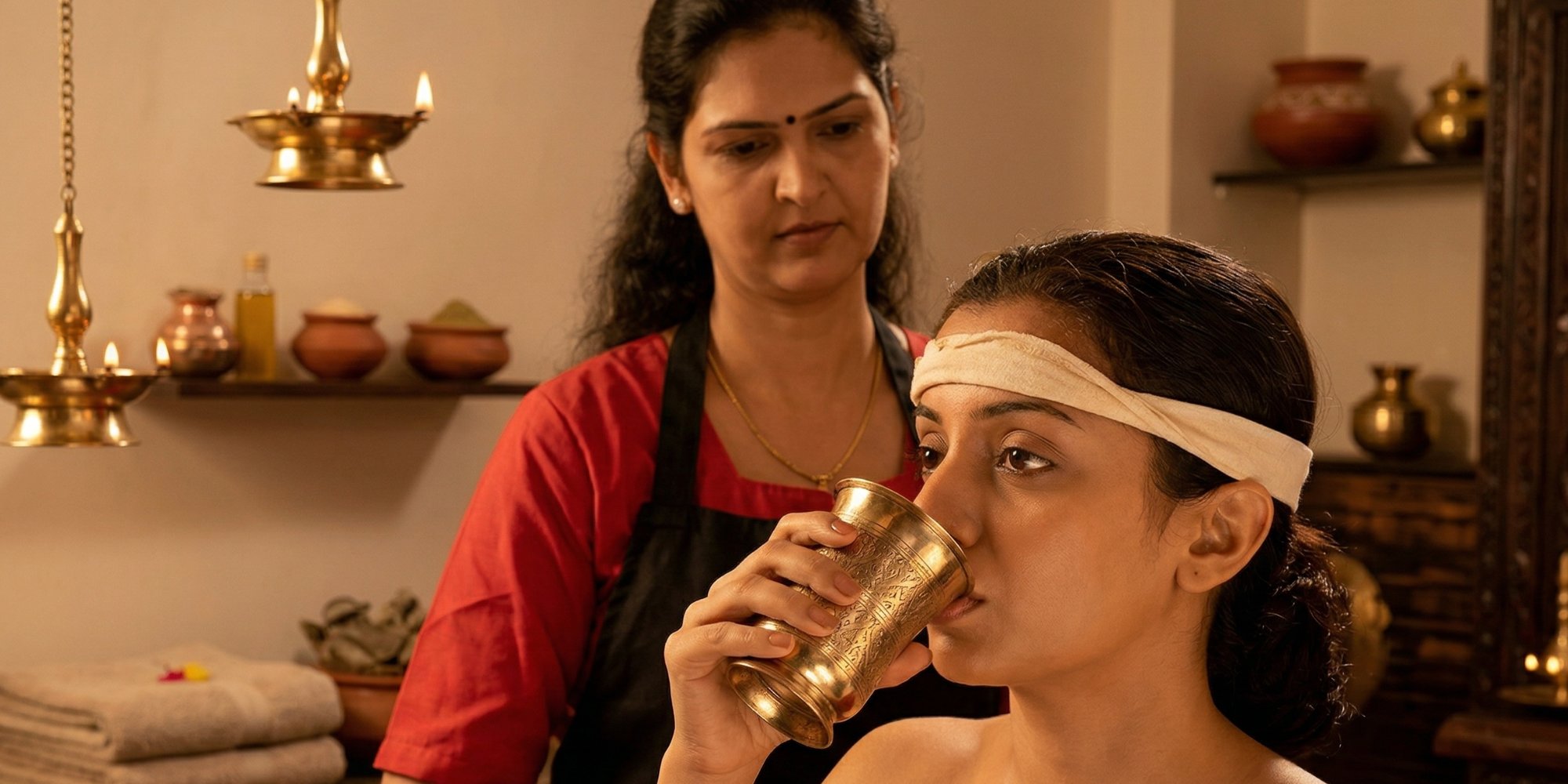
Vamana (Therapeutic Emesis)
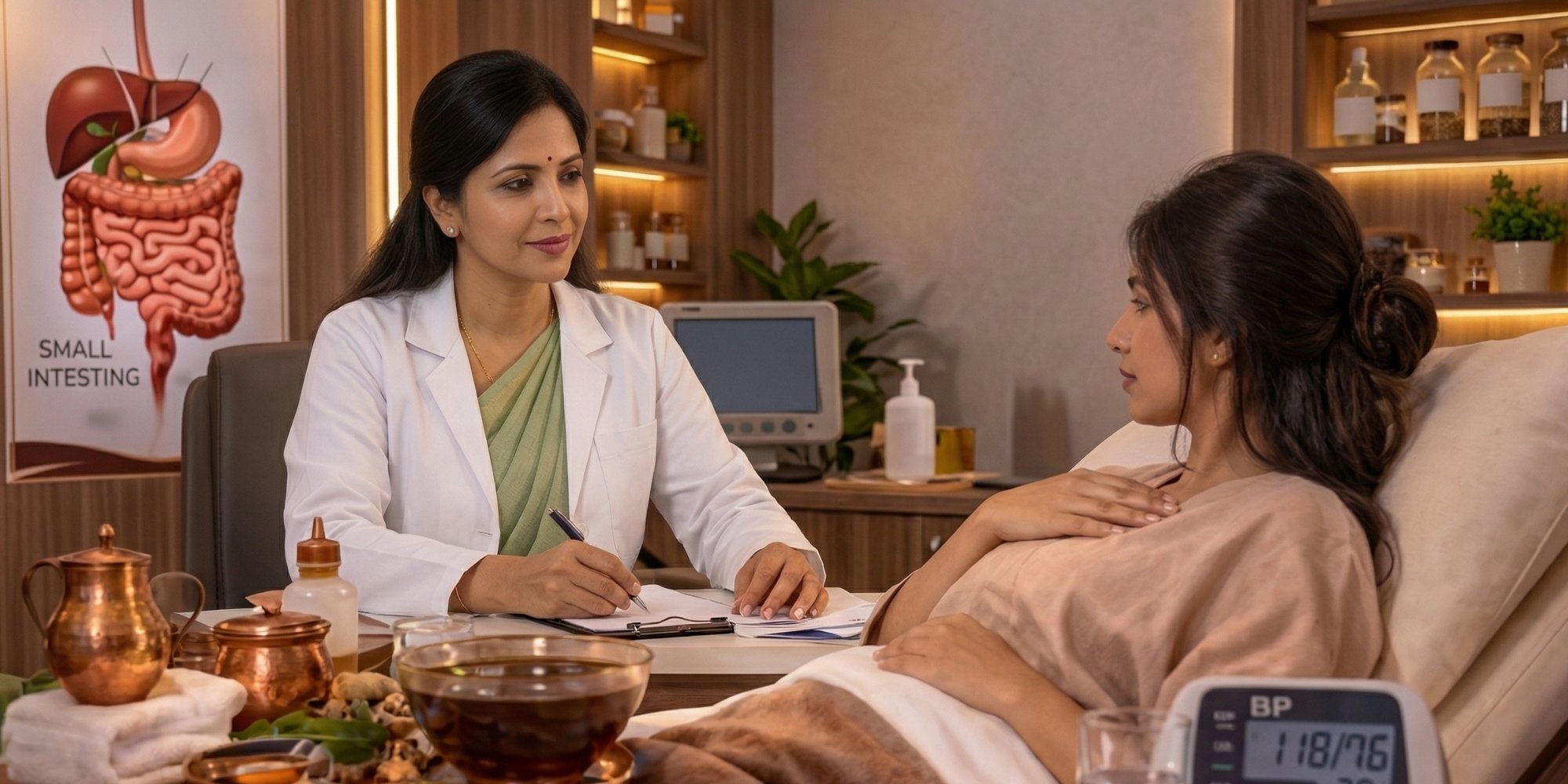
Virechana (Medical Purgation)
Frequently
Asked Questions
Find clarity for your healing journey. We have gathered answers to common questions about our treatments, consultation process, and holistic facilities.
Still have questions?
Our dedicated team is ready to provide personalized guidance for your unique health needs.
Book Consultation +Frequently Asked Questions
What is Panchakarma treatment and how does it work?+
How long does Panchakarma treatment take in Hyderabad?+
Is Panchakarma treatment safe?+
What is the cost of Panchakarma?+
Can I do Panchakarma as an outpatient?+
Who should not undergo Panchakarma?+
Does Panchakarma help with weight loss?+
Insurance & TPA Partners We Work With
Sai Ayush Ayurveda Hospital accepts cashless treatment from the following insurance providers and TPAs.
ACKO, Aditya Birla Health, Bajaj General, Care Health, Cholamandalam MS, Galaxy Health, Generali Central, Go Digit, HDFC ERGO, ICICI Lombard, IFFCO-Tokio, IndusInd General, Liberty General, Magma General, ManipalCigna, Narayana Health, National Insurance, Navi General, New India Assurance, Niva Bupa, Oriental Insurance, Raheja QBE, Royal Sundaram, SBI General, Shriram General, Star Health, Tata AIG, United India, Universal Sompo, Zuno, Zurich Kotak.



























Make Your Appointment
Fill out this form for booking online. Our team will contact you shortly via WhatsApp.