
Panchakarma Treatment in Hyderabad
Doctor-planned Panchakarma at our KPHB hospital and Madinaguda clinic: an assessment first, then preparation, the main procedures and guided recovery.
Medically reviewed by Dr. P.V. Anjani, B.A.M.S., M.D. (Kayachikitsa) · Last reviewed: 8 November 2026
What Is Panchakarma in Ayurveda?
Panchakarma means “five actions”. It is the cleansing branch of Ayurvedic treatment, described in the classical texts as a way to remove aggravated doshas — Vata, Pitta and Kapha — before other treatment begins.
In practice it is a sequence, not a single session. A patient is first prepared with diet, internal oleation and sweating therapies. The main procedure follows, chosen for that person. Then comes a recovery phase in which food and routine are rebuilt step by step.
The Ayurvedic explanation is that preparation loosens accumulated waste (ama) and the main procedure eliminates it. That is the traditional view. How a given person responds varies, which is why the plan is set by a doctor and reviewed as it goes.
Panchakarma is not a spa service
- A massage centre can offer oil therapies for relaxation. Panchakarma is different.
- It involves medicines taken internally, controlled emesis or purgation in some programmes, and medicated enemas.
- These need a physician’s assessment, daily monitoring and clear stopping rules.
- At Sai Ayush, no Panchakarma procedure starts without a doctor’s consultation.
The Five Classical Procedures
Most programmes use one or two of these, rarely all five. Your doctor decides which, if any, suit you.
How a Panchakarma Programme Is Structured
Every programme has three phases: preparation, the main procedure and recovery.
Poorvakarma (preparation)
Light diet, Snehapana (internal oleation with medicated ghee), Abhyanga (oil application) and Swedana (herbal steam). This usually takes several days and is adjusted to digestion and tolerance.
Pradhanakarma (main procedure)
The chosen procedure is done under supervision, with the doctor reviewing pulse, hydration, energy and response.
Paschatkarma (recovery)
A graded diet (samsarjana krama), rest and routine guidance. This phase matters as much as the procedure and continues at home.
Who May Be Considered for Panchakarma?
Suitability is decided case by case. After assessment, our doctors may consider Panchakarma as part of care for people with the concerns listed here. It is used to support management. It does not replace diagnosis or treatment you need from your other doctors.
When Panchakarma is postponed or not advised
The doctor may delay or avoid it during pregnancy, acute fever or infection, and active bleeding. It also needs extra caution in heart disease, uncontrolled blood pressure or diabetes, severe weakness, very young children and frail older adults. Tell us about every condition and medicine at the first visit.
Panchakarma at Our KPHB Hospital and Madinaguda Clinic
If your assessment at Madinaguda shows you need inpatient care, your doctor will arrange it at KPHB.
KPHB hospital
Plot No 59, JNTU–Hitech City Road, KPHB 7th Phase
- Type of care: Outpatient and inpatient
- Suited to: Programmes needing a supervised stay, including Vamana and Virechana; cashless inpatient care
- Call: +91 81423 28080
Madinaguda clinic
4th Floor, Kosal Sai Plaza, Ramakrishna Nagar, Hafeezpet
- Type of care: Outpatient day-care only; no admission
- Suited to: Consultations and day-care therapies such as Abhyanga, Shirodhara, Kizhi, Janu Basti and Nasya
- Call: +91 84668 82266
Outpatient or Inpatient Panchakarma: Which Suits You?
Outpatient (day-care) Panchakarma suits people who are generally well, can follow diet instructions at home and are having milder procedures. Inpatient Panchakarma suits those having Vamana or Virechana, those with several health conditions, and anyone who needs closer monitoring. The doctor recommends the setting after assessment. For a fuller comparison, read Outpatient vs inpatient Panchakarma or see our inpatient care facilities.
What Happens After You Book?
The first step is always a consultation, not a package. After that, see After Panchakarma: your home-care plan.
Physician consultation
History, current medicines, reports, pulse (Nadi) assessment and Prakriti evaluation. Bring recent blood tests and prescriptions.
Programme design
The doctor decides whether Panchakarma is suitable, which procedures, how many days, and day-care or inpatient.
Preparation
Diet changes and Poorvakarma therapies begin.
Main procedures
Done under supervision, with daily review.
Recovery and follow-up
A written home-care plan and a review visit.
How Long Panchakarma Takes and What It Costs
Most programmes run 7 to 21 days, including preparation and recovery. Some day-care courses are spread over a few weeks. The cost depends on the procedures, number of days, medicines and whether you stay as an inpatient, so it is quoted after your consultation. Package options are listed on Panchakarma packages. For insurance questions, see is Panchakarma covered by insurance?
Working Alongside Your Current Medical Care
Do not stop prescribed medicines because you are starting Panchakarma. Our doctors review what you take and, where needed, coordinate with your treating physician. Blood sugar, blood pressure and other parameters are monitored during the programme when relevant.
The ANP³ Method: Ayurveda • Naturopathy • Physiotherapy
Panchakarma at Sai Ayush can be combined with naturopathy, physiotherapy and yoga where the doctor finds it useful — for example, physiotherapy after Basti for back pain, or yoga and diet guidance during recovery.
Our Panchakarma Doctors
Panchakarma programmes are planned and supervised by our physicians. This page is medically reviewed by Dr. P.V. Anjani, B.A.M.S., M.D. (Ayurveda – Kayachikitsa), with 10 years of clinical experience. Meet the full team on our doctors page.
Complete Range of Therapies
Alongside the five main procedures, our therapy rooms offer supporting treatments, each with its own page.

Abhyanga (Therapeutic Oil Massage)
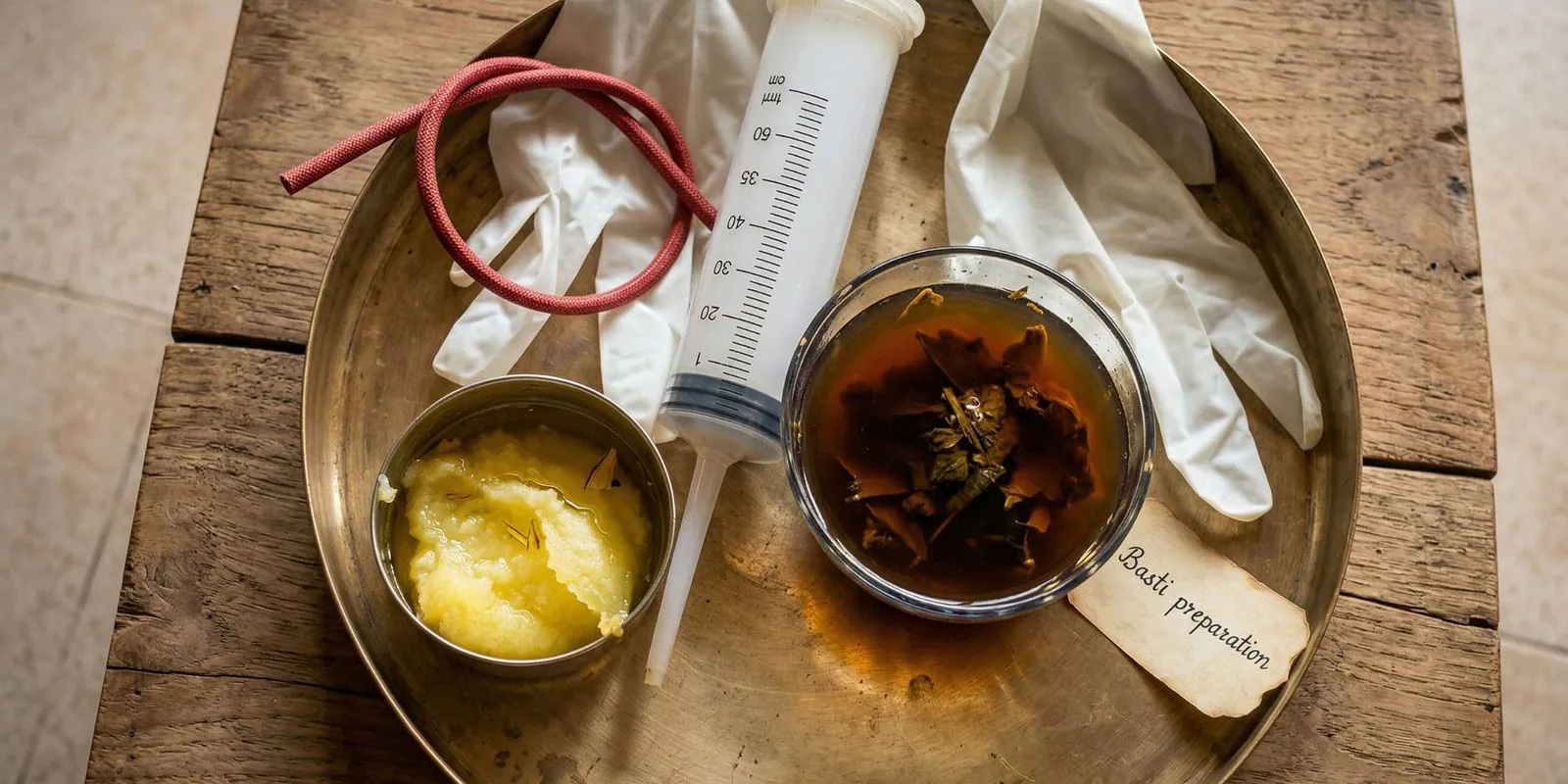
Basti (Medicated Enema)
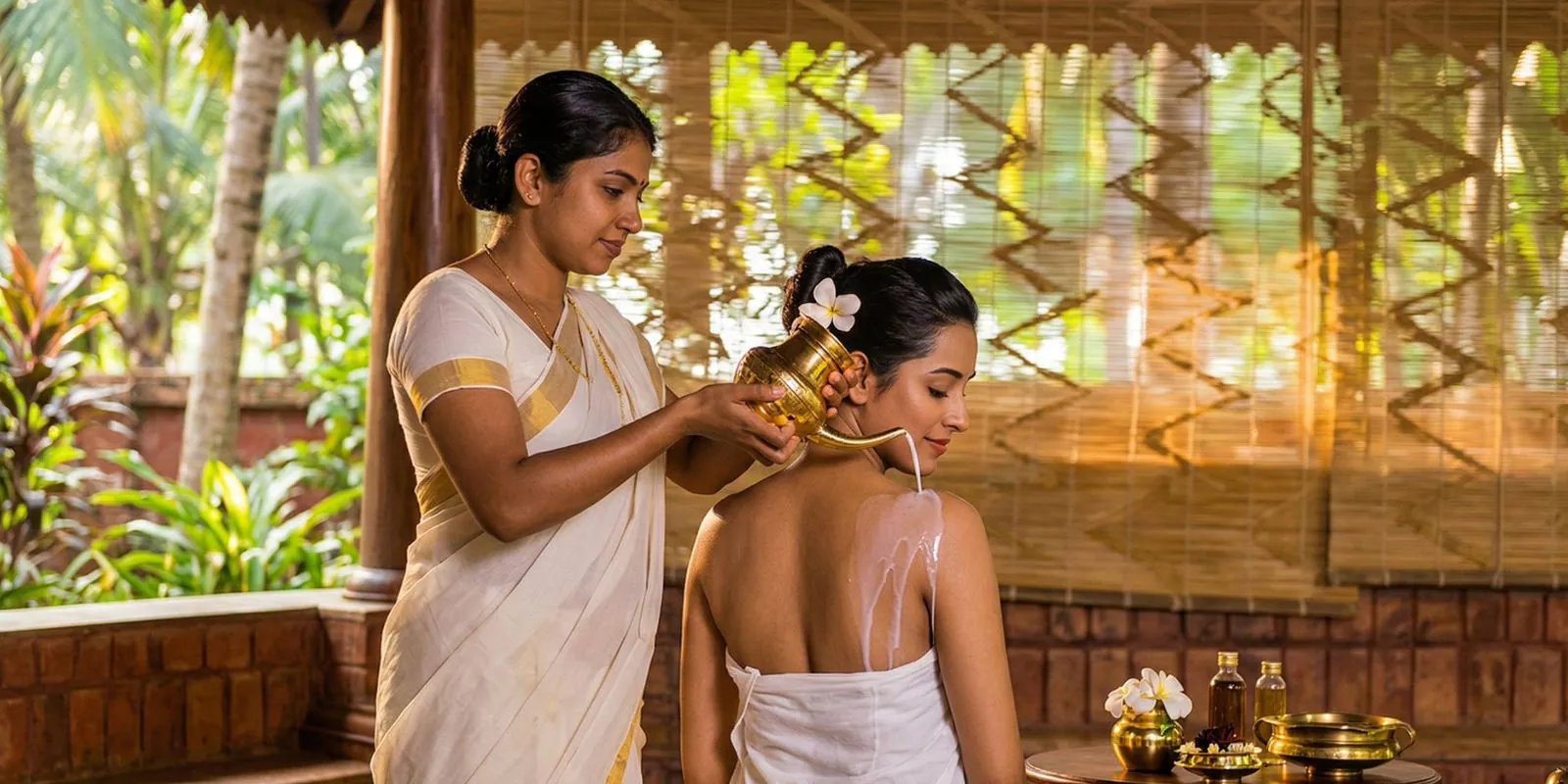
Dhanyamla Dhara (Fermented Liquid Pouring)
Greeva Basti (Cervical Oil Swab)
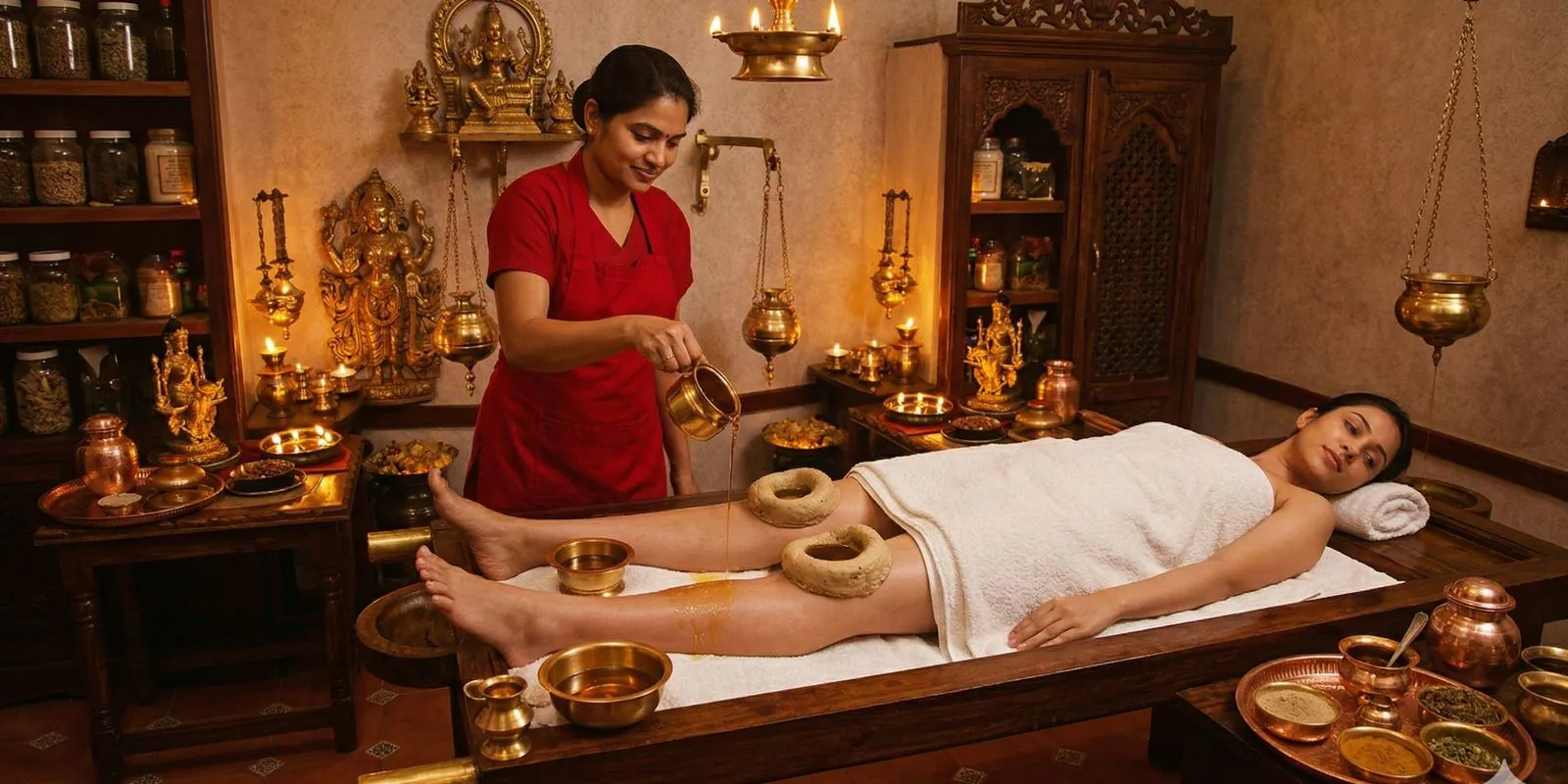
Janu Basti (Knee Oil Reservoir)
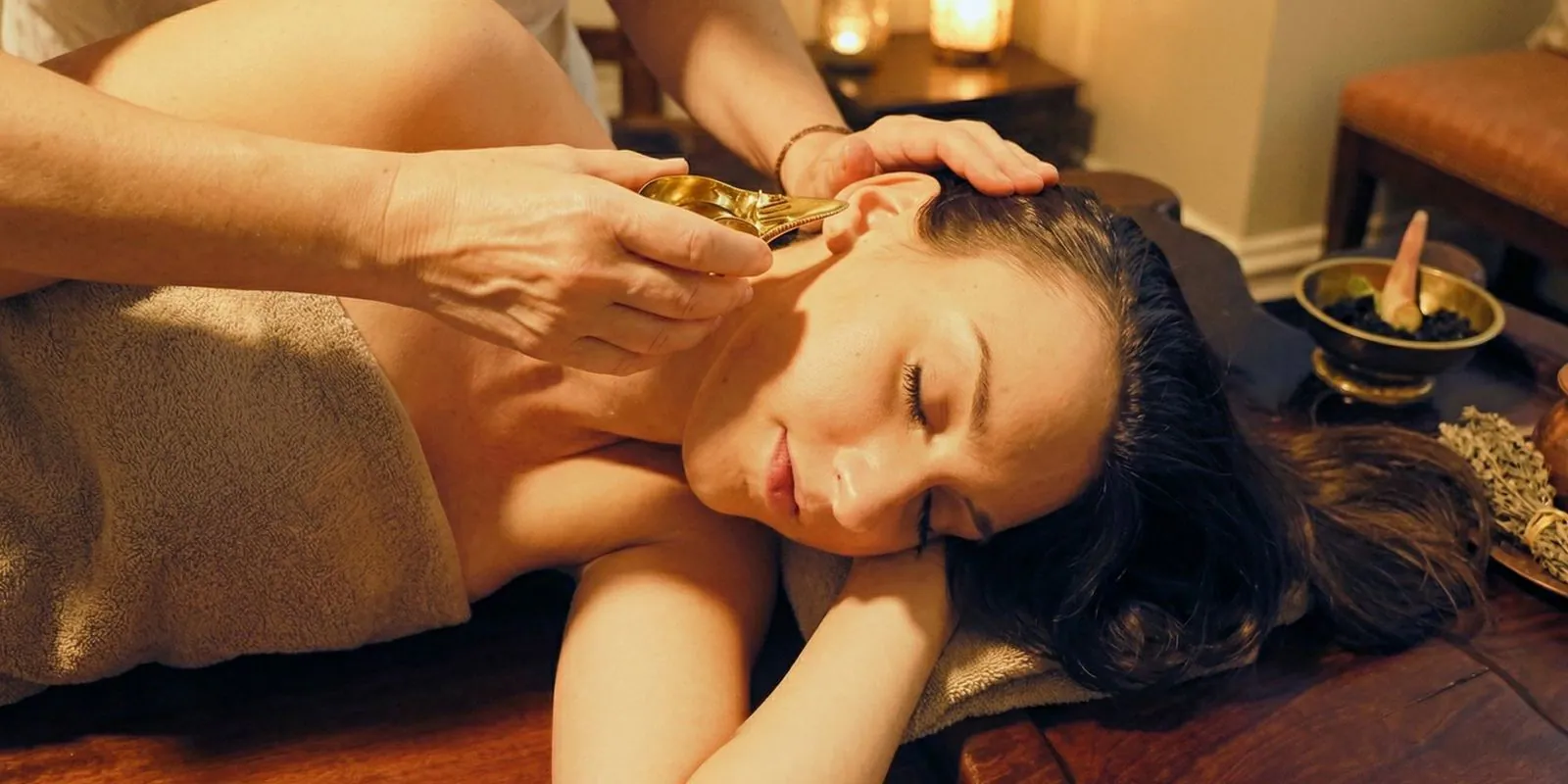
Karna Poorana (Ear Oil Therapy)
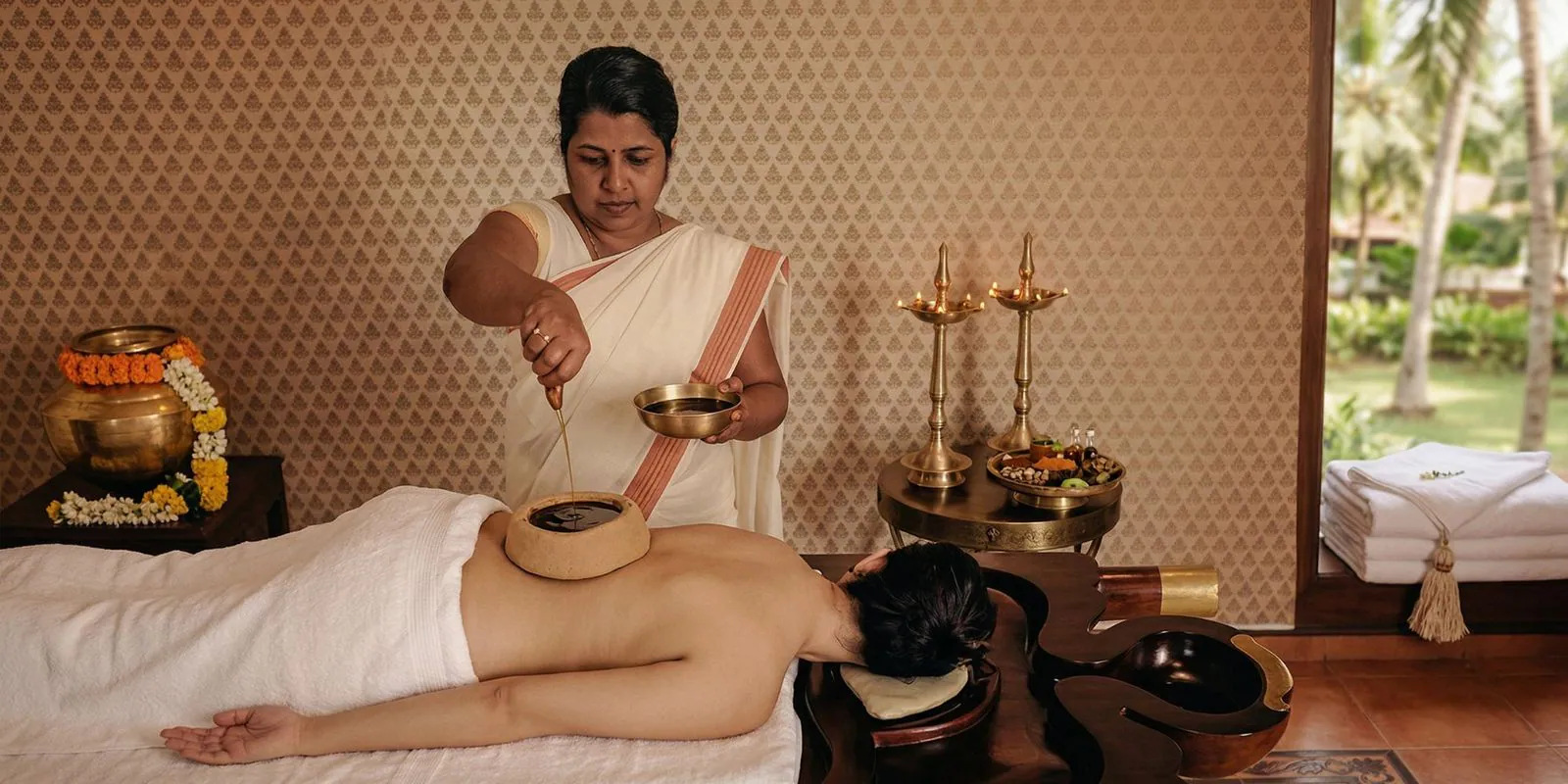
Kati Basti (Lumbar Oil Reservoir)
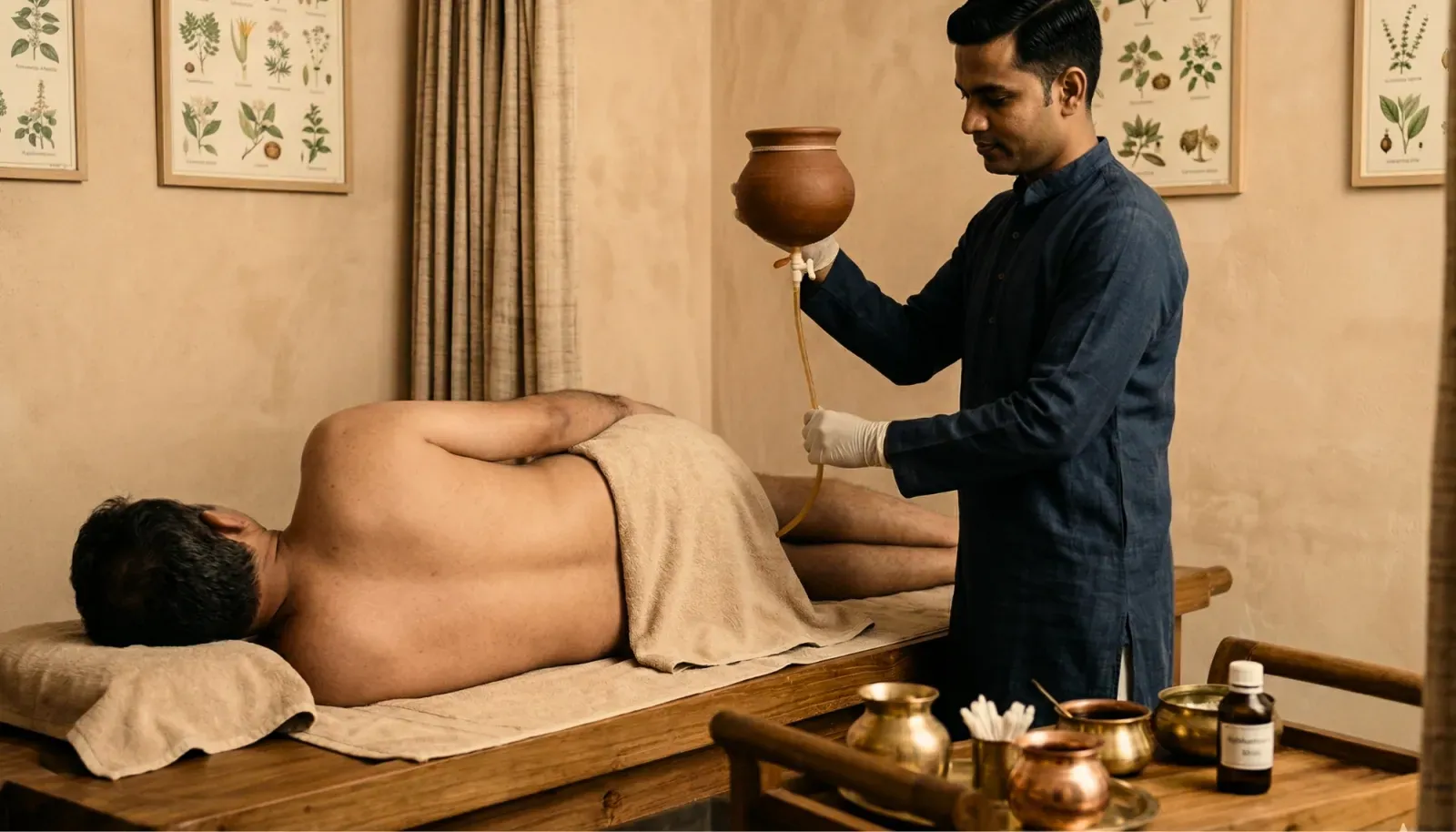
Matra Basti in Ayurveda
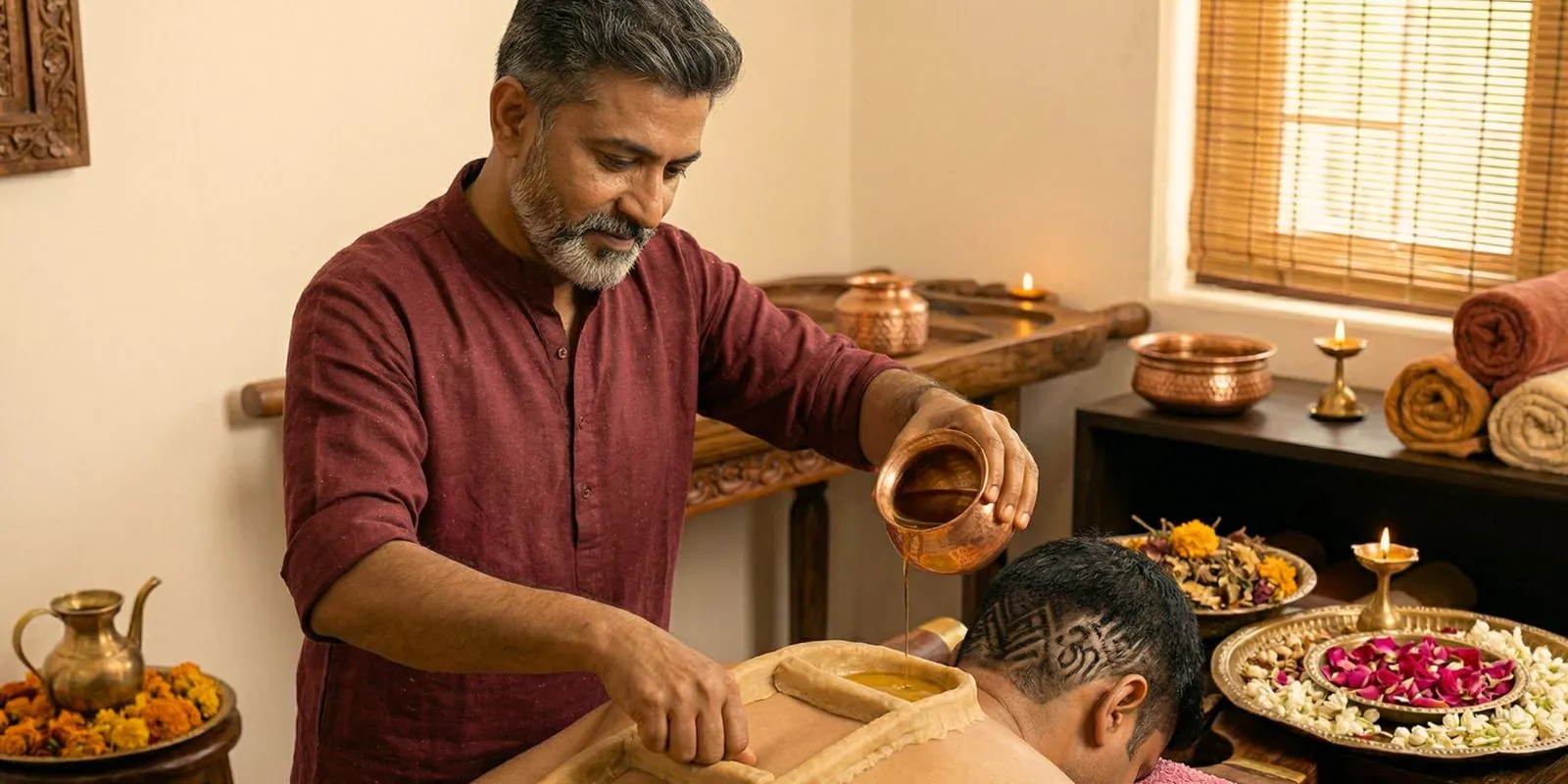
Meru Basti (Spinal Column Oil Pool)
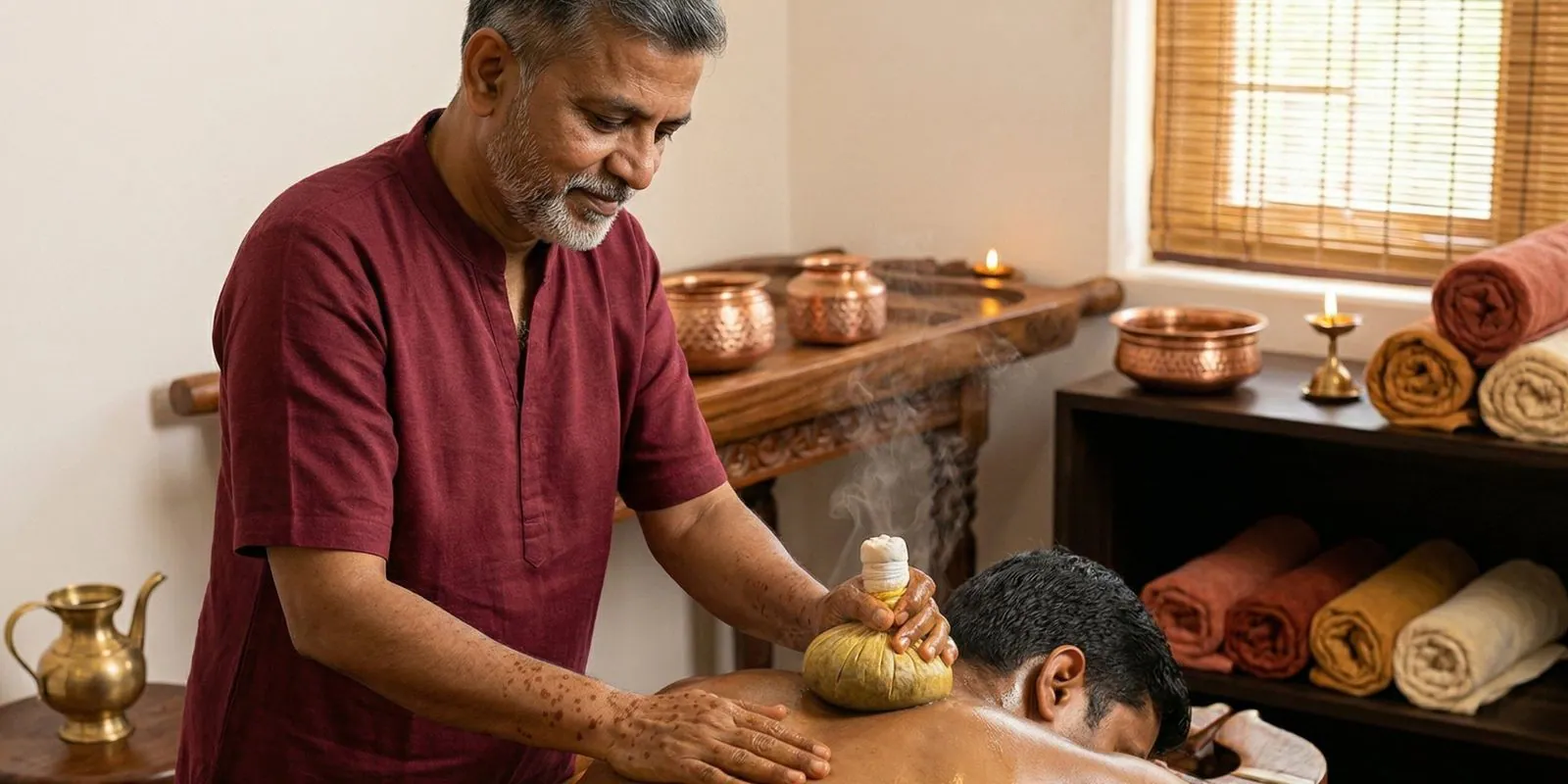
Naranga Kizhi (Lemon & Garlic Poultice)
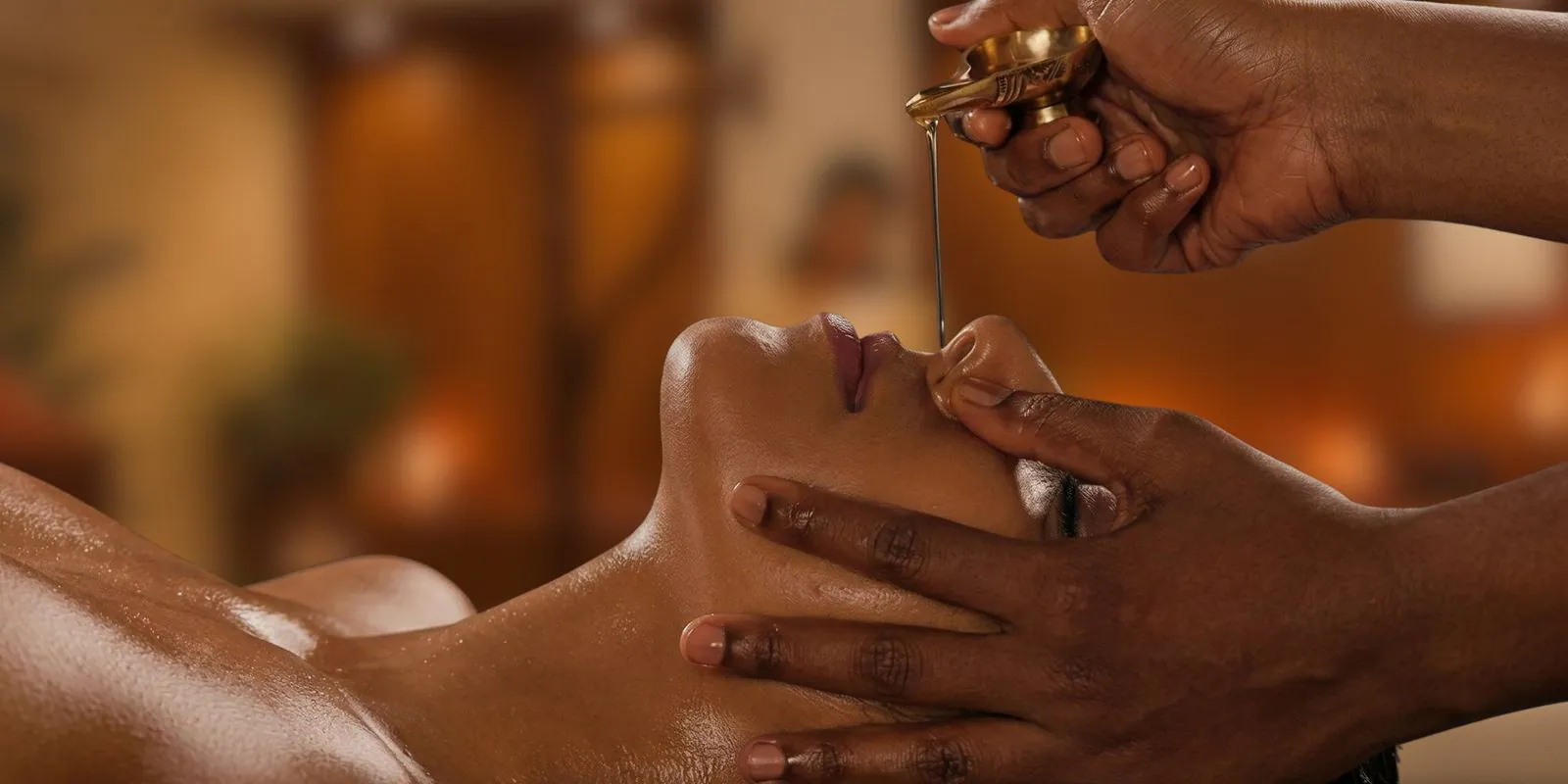
Nasya (Nasal Administration)
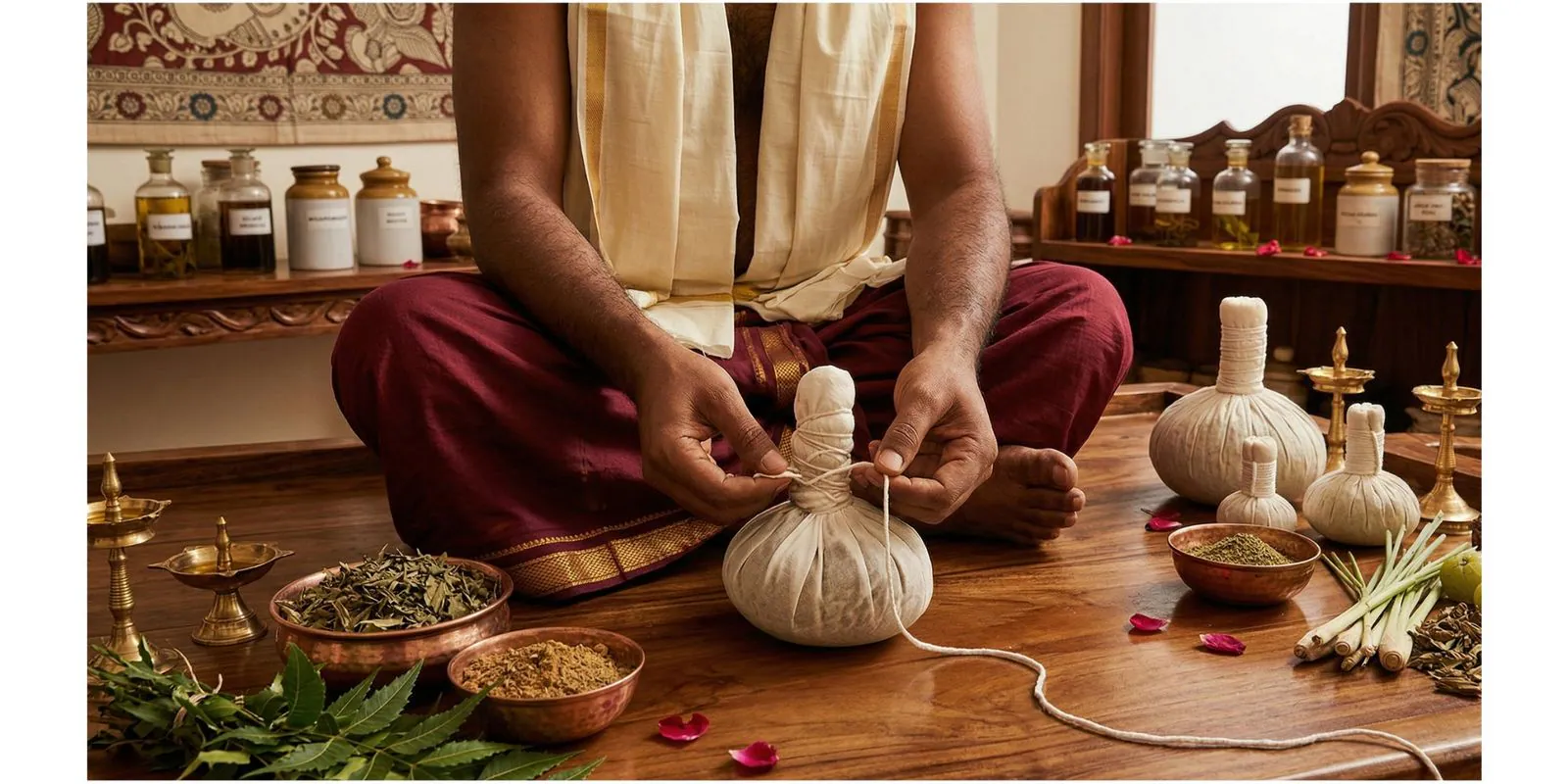
Navarakizhi (Rice Bundle Massage)
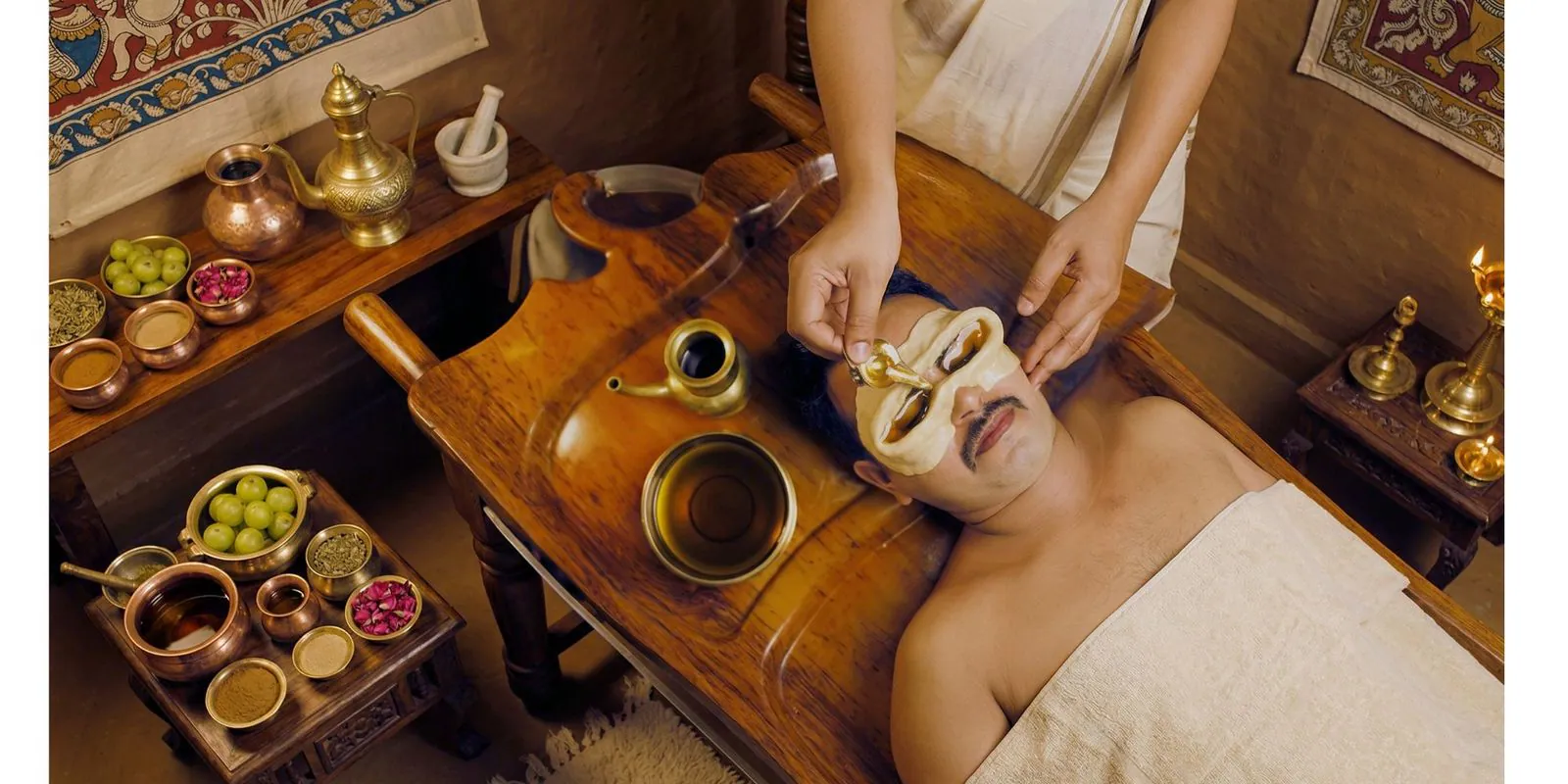
Netra Tarpana (Eye Rejuvenation)
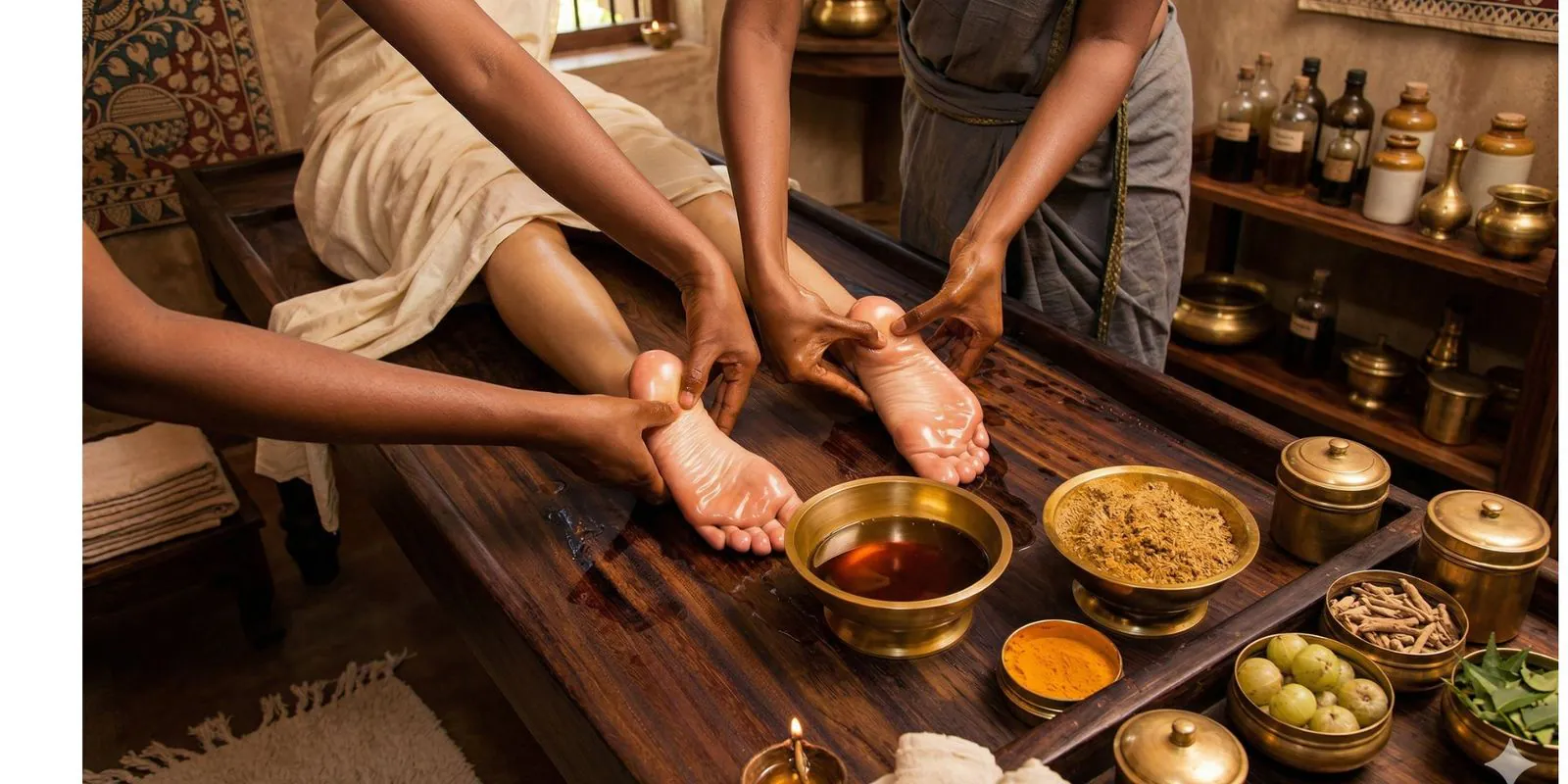
Padabhyanga (Foot Massage Therapy)
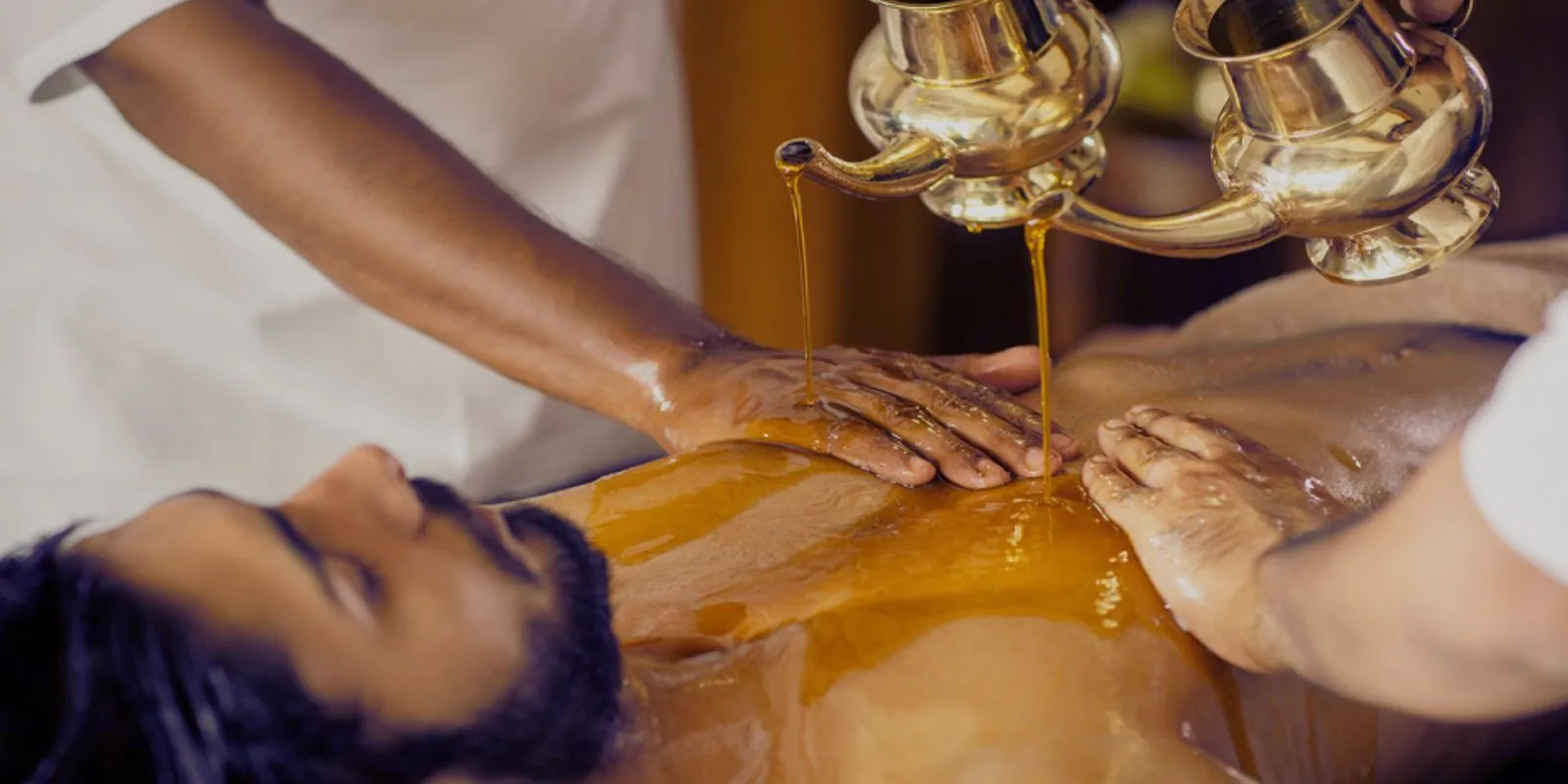
Pizhichil (Royal Oil Bath)
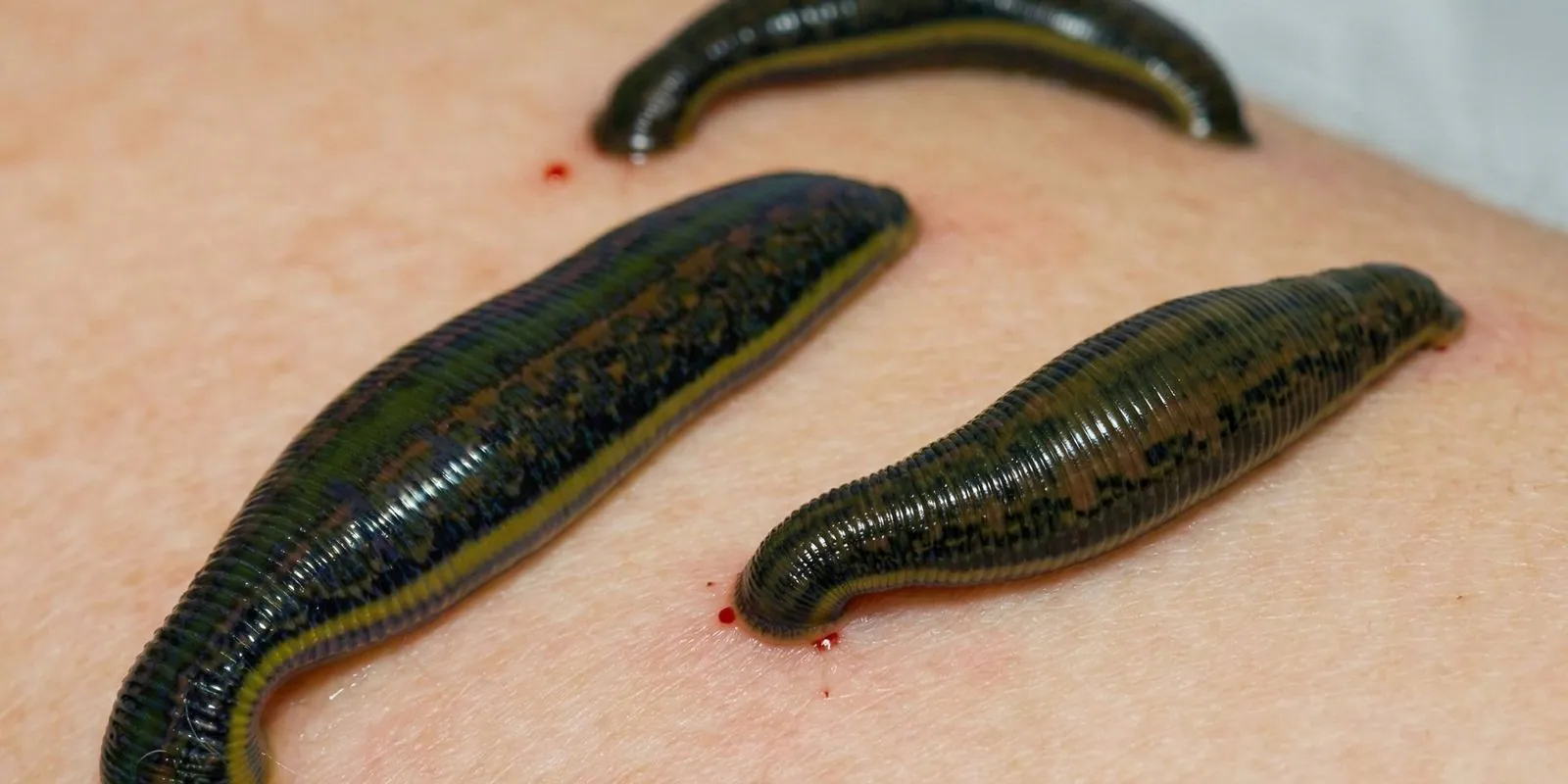
Raktamokshana (Bloodletting)
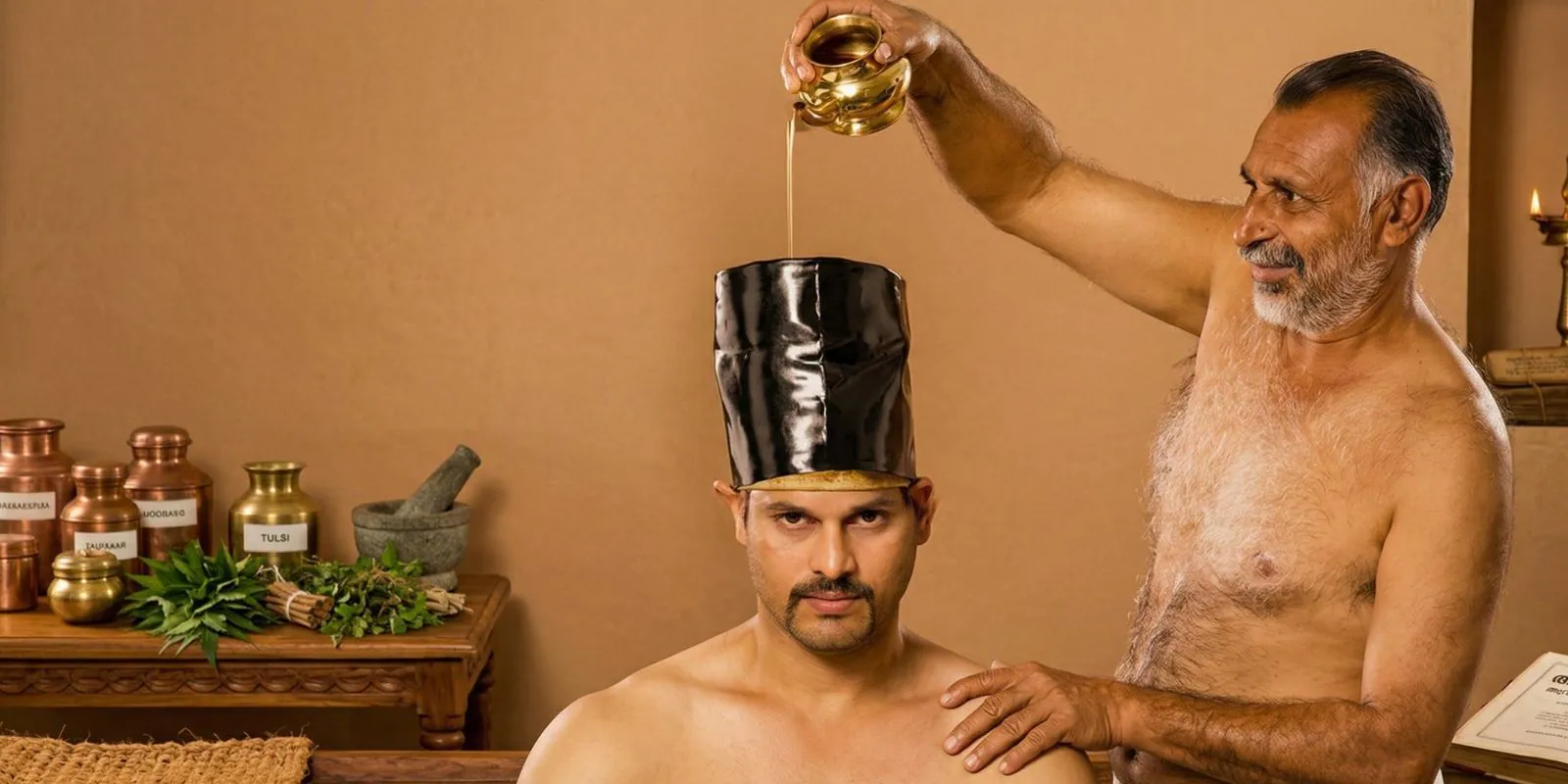
Shiro Basti (Cranial Oil Pooling)

Shirodhara (Third Eye Drip)
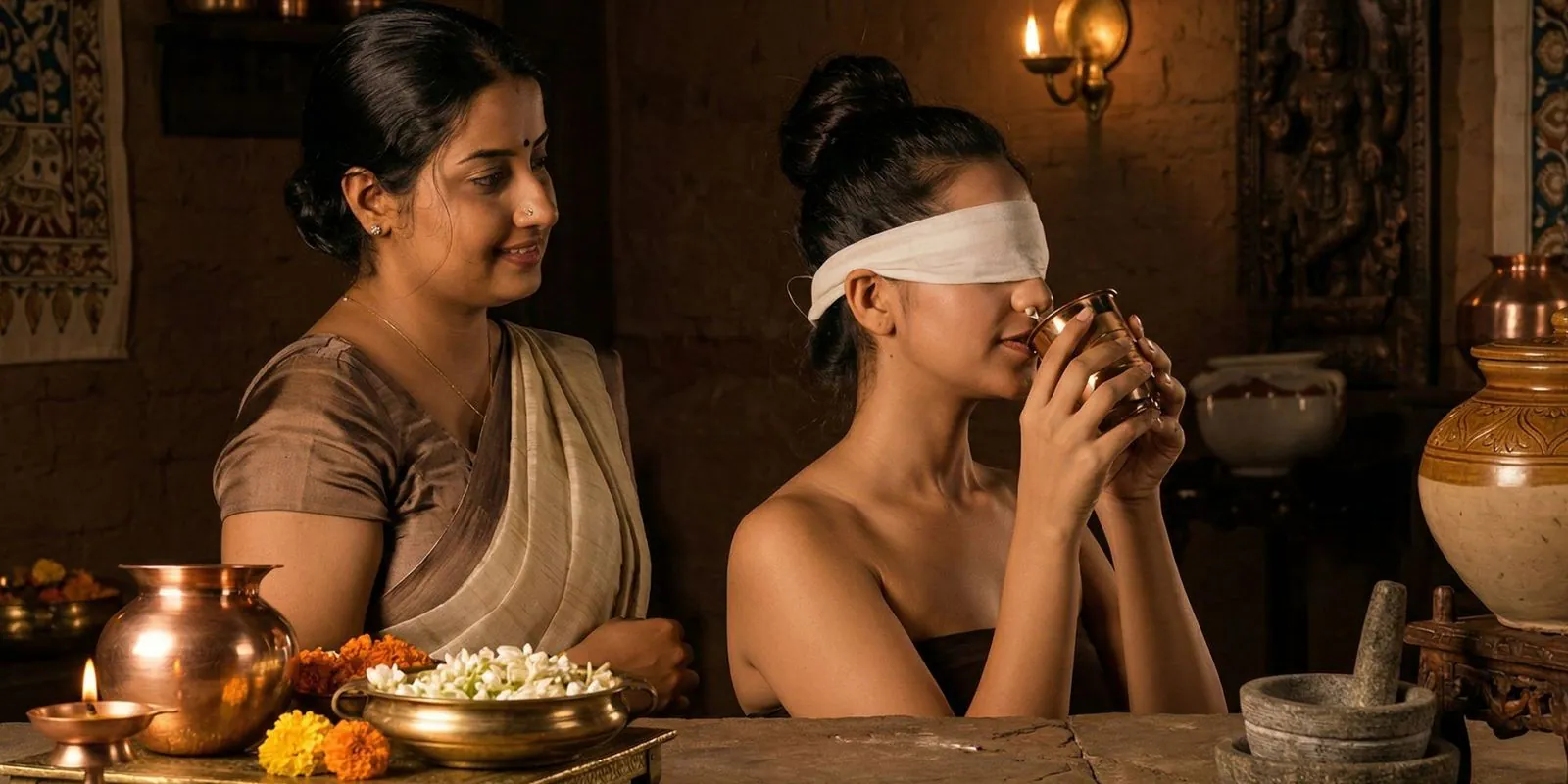
Snehapana (Internal Oleation Therapy)
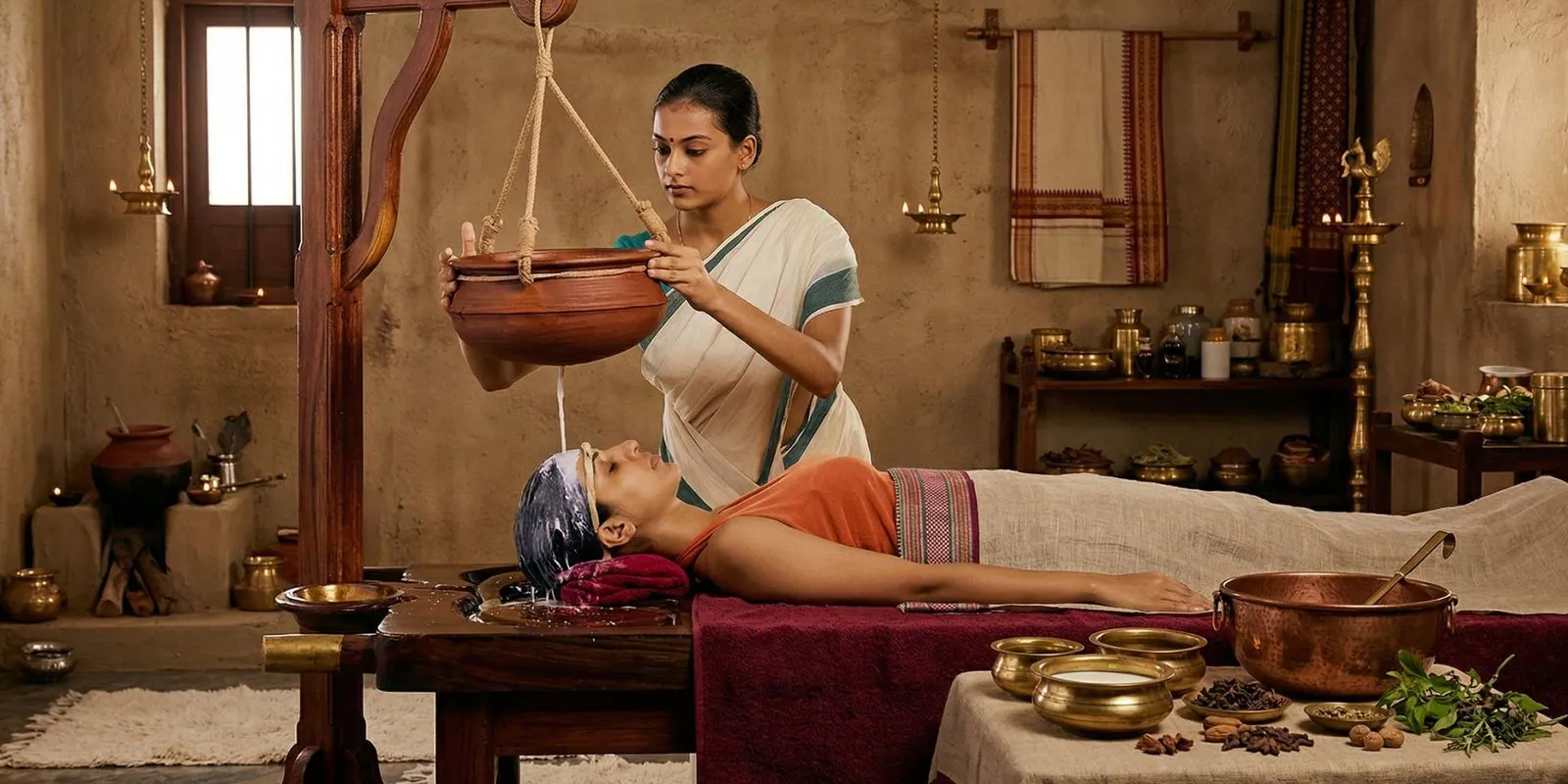
Takradhara (Buttermilk Pouring)
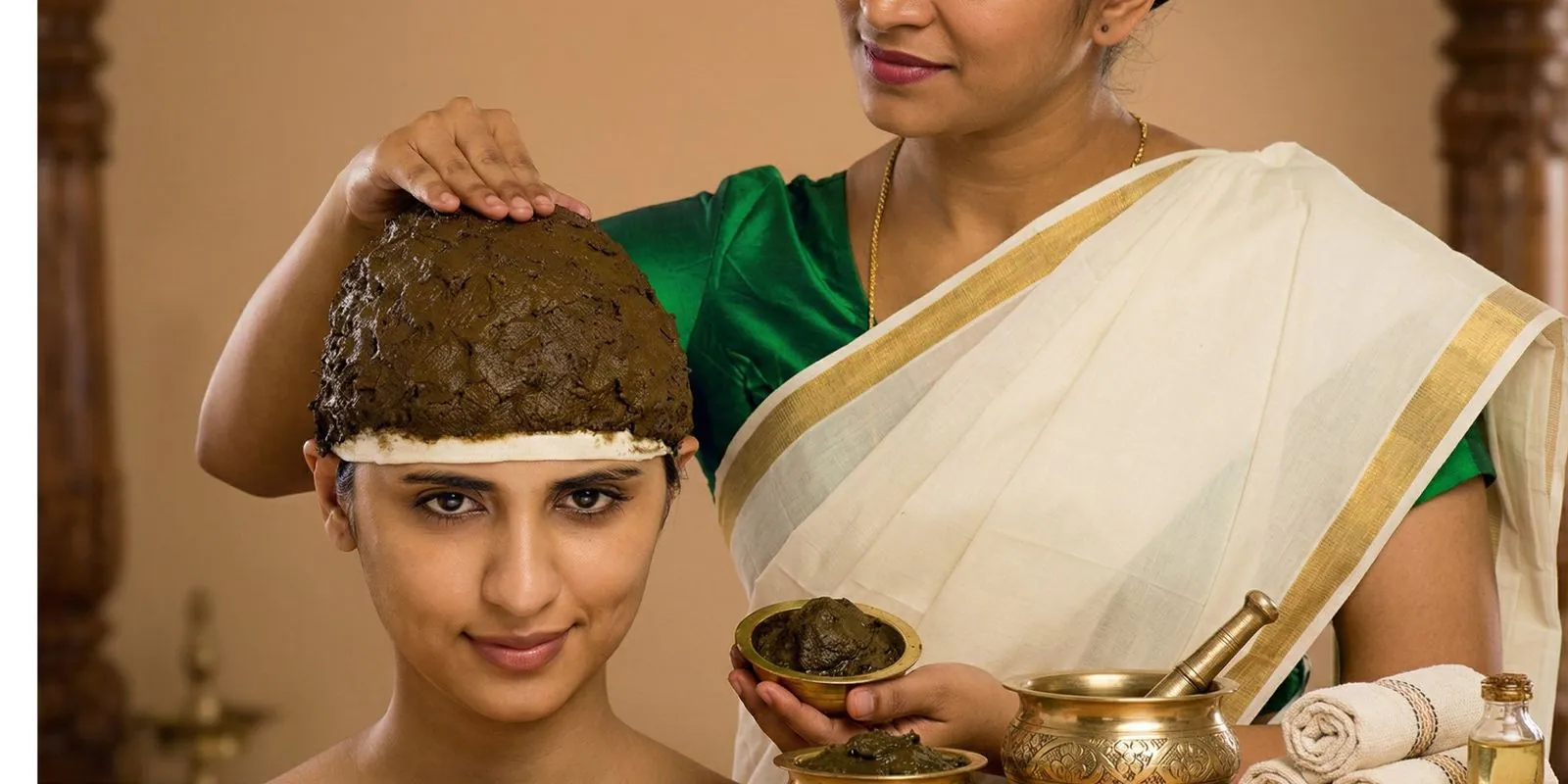
Thalam (Cranial Herbal Paste)
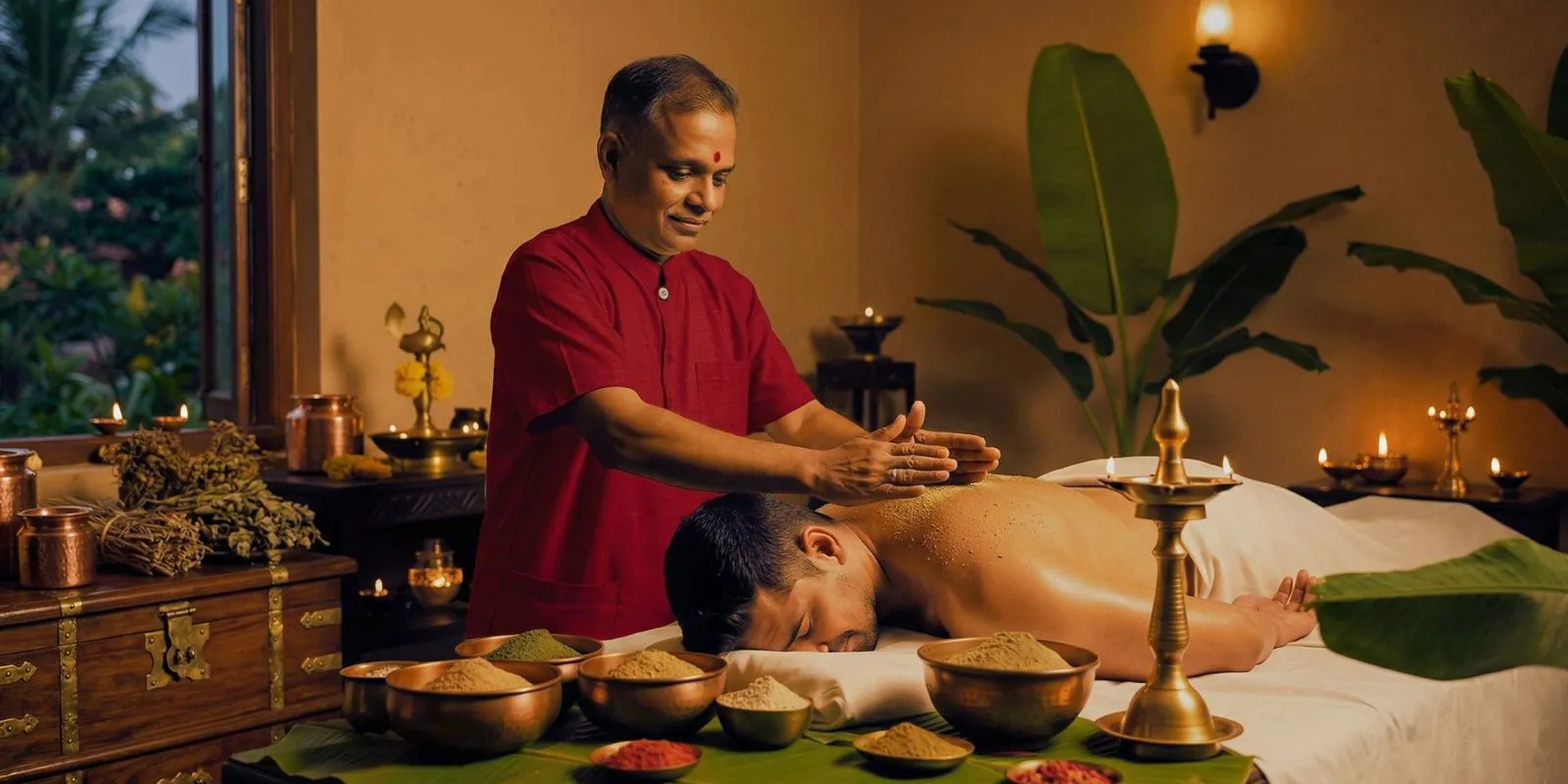
Udwarthanam (Herbal Powder Massage)
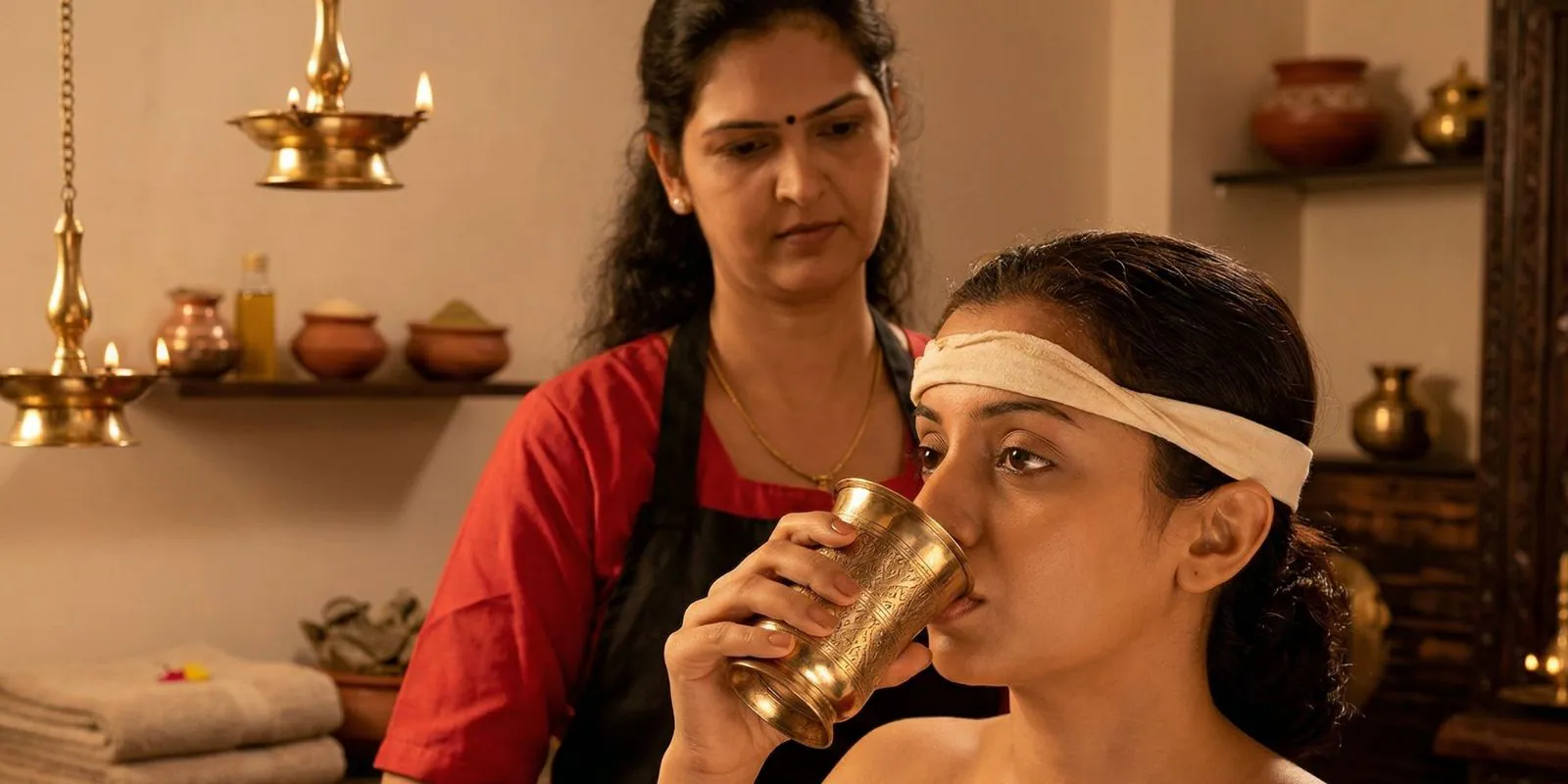
Vamana (Therapeutic Emesis)
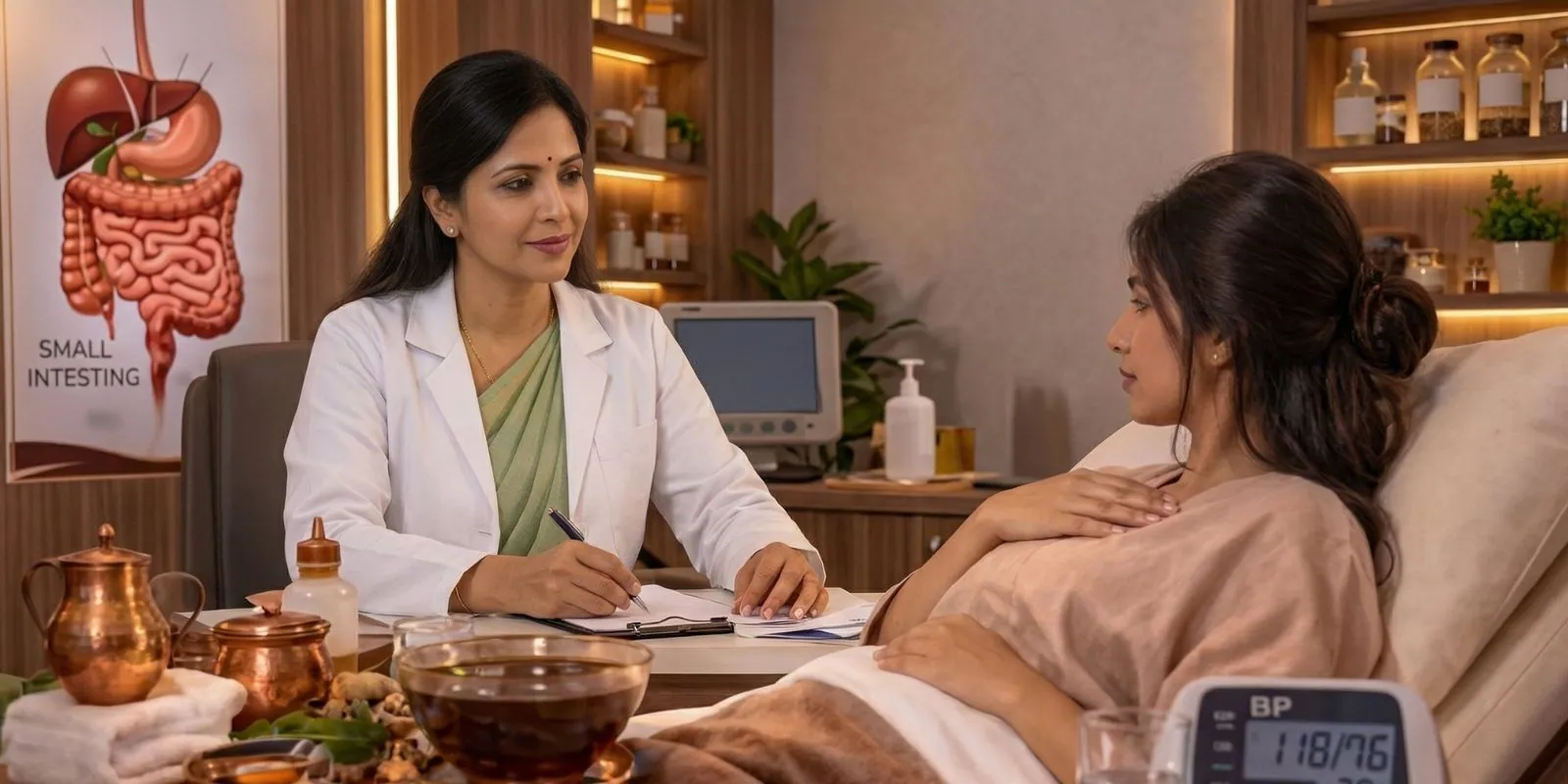
Virechana (Medical Purgation)
How to Choose a Panchakarma Centre in Hyderabad
Whatever centre you choose, ask these questions first:
A doctor’s examination
Is a qualified Ayurveda doctor (B.A.M.S. or higher) examining me before treatment?
Daily supervision
Who supervises the procedures each day, and what happens if I feel unwell?
Inpatient care
Is inpatient care available if my programme needs it?
Home-care plan
Will I get a written diet and home-care plan?
Accreditation and cost
Is the centre accredited, and is the cost explained before I start?
What patients say about their visit
I recently experienced the One-Day Panchakarma Detox Wellness Program at Sai Ayush Ayurveda Hospital, and it was truly refreshing. The day started with a detailed Nadi Pariksha and relaxing yoga-meditation session, followed by Abhyanga massage and Shirodhara, which helped me feel completely calm and re-energized. The place is clean, peaceful, and the staff are very professional and caring. The herbal meals and tea were light and soothing. Overall, it was a well-planned wellness experience that helped me feel lighter and more balanced by the end of the day. Highly recommended for anyone looking for a short rejuvenation break.
Frequently
Asked Questions
Answers to common questions about Panchakarma at Sai Ayush. Your doctor will answer anything specific to you at the consultation.
Still have questions?
Our dedicated team is ready to provide personalized guidance for your unique health needs.
Book Consultation +What is Panchakarma treatment and how does it work?
+
How many days does Panchakarma take in Hyderabad at Sai Ayush?
+
Is Panchakarma safe?
+
What does Panchakarma cost?
+
Can I have Panchakarma without being admitted?
+
Does health insurance cover Panchakarma?
+
Can I continue my regular medicines?
+
What should I bring to my first consultation?
+
Where can I get Panchakarma treatment near me in Hyderabad?
+
Insurance & TPA Partners We Work With
Sai Ayush Ayurveda Hospital accepts cashless treatment from the following insurance providers and TPAs.




























Safety note: The information on this page is for general education. It is not a substitute for medical advice. Panchakarma should be undertaken only after assessment by a qualified Ayurveda physician. Individual results vary.
Make Your Appointment
Fill out this form for booking online. Our team will contact you shortly via WhatsApp.