Ayurvedic Psoriatic Arthritis Treatment in Hyderabad
Ayurvedic Psoriatic Arthritis Treatment in Hyderabad
Days Protocol: 21–28
Modulation: Immune
Joint Care: Skin +
Priority: Detox
Sai Ayush Ayurveda Hospital provides authentic, physician-supervised Ayurvedic treatment for psoriatic arthritis in Hyderabad. This structured, clinical approach precisely targets psoriasis-linked joint inflammation and skin scaling using classical therapies like targeted Takradhara and deeply healing Virechana. Designed specifically for patients seeking safe, non-surgical management of complex autoimmune syndromes, all interventions are conducted under strict doctor oversight, with each patient's care planned after a thorough clinical assessment. Psoriatic Arthritis is a complex autoimmune condition that affects both the skin (psoriasis) and the joints. For some people, it starts with red, scaly skin patches followed by stiffness and swelling in the joints, particularly the fingers or toes (sausage-like swelling). For others, it becomes a systemic, recurring problem causing widespread joint pain, severe morning stiffness, lower back involvement, and changes in the fingernails. At Sai Ayush Ayurveda Hospital, Hyderabad, Ayurvedic psoriatic arthritis treatment is planned under doctor supervision after understanding the person's pain pattern, severity of skin lesions, joint swelling, digestion (Agni), medical history, blood reports, and severity of symptoms. Our approach combines classical Ayurveda, Panchakarma therapies (crucial for blood purification), specific external treatments for both skin and joints, diet correction, and lifestyle guidance where clinically suitable. The aim is not just temporary comfort. The focus is to support immune balance, purify the blood, safely reduce morning stiffness and joint swelling, manage the skin lesions, and guide the patient toward a highly disciplined, long-term autoimmune management routine.
- Condition focus: Psoriatic plaques, swollen 'sausage' fingers (dactylitis), autoimmune joint destruction, nail pitting.
- Key therapies: Virechana, Takradhara, Kashaya Basti, Lepana.
Quick Reference Matrix
| PARAMETERCLINICAL DIRECTION | |
| Who it may suit | Patients suffering from aggressive joint pain specifically accompanied by silvery, scaling psoriatic skin lesions and severe fatigue. |
| Who should avoid | End-stage joint ankylosis (fusion) where the bones have permanently melted into one unmovable structure. |
| Typical duration | Intensive 21 to 28-day inpatient Panchakarma is absolutely required for systemic autoimmune shifts. |
Clinical Care Framework
This specialized program follows our integrated ANP³ medical model for fast, sustainable healing.
- Treatment Model: ANP³ (Ayurveda, Naturopathy, Physiotherapy)
- Supervision: Senior Ayurvedic Clinical Team
- Target Conditions: Psoriatic Arthritis, Autoimmune Inflammation, Psoriasis
- Setting: Hospital Environment (KPHB OP/IP, Madinaguda OP)
- Duration: Extensive care program (Typically 21 to 28 days)
- Safety Protocol: Rigorous pre-treatment clinical evaluation required
What Is Psoriatic Arthritis?
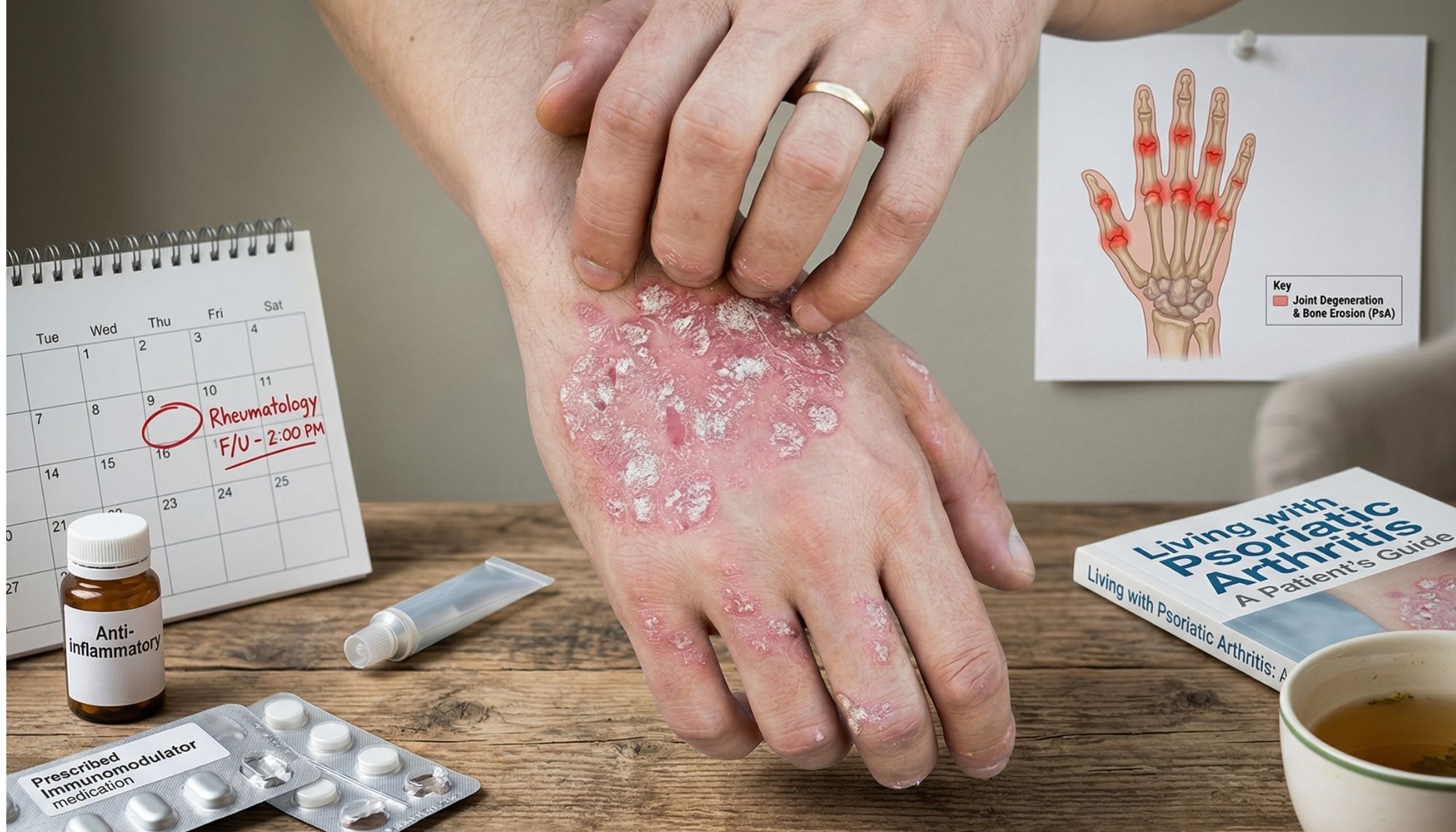
Psoriatic Arthritis is a type of inflammatory arthritis that occurs in some people who have psoriasis (a condition that features red patches of skin topped with silvery scales). Psoriatic Arthritis may be associated with:
- Swollen, 'sausage-like' fingers or toes (Dactylitis)
- Red, scaly, itchy skin patches on the scalp, elbows, or knees
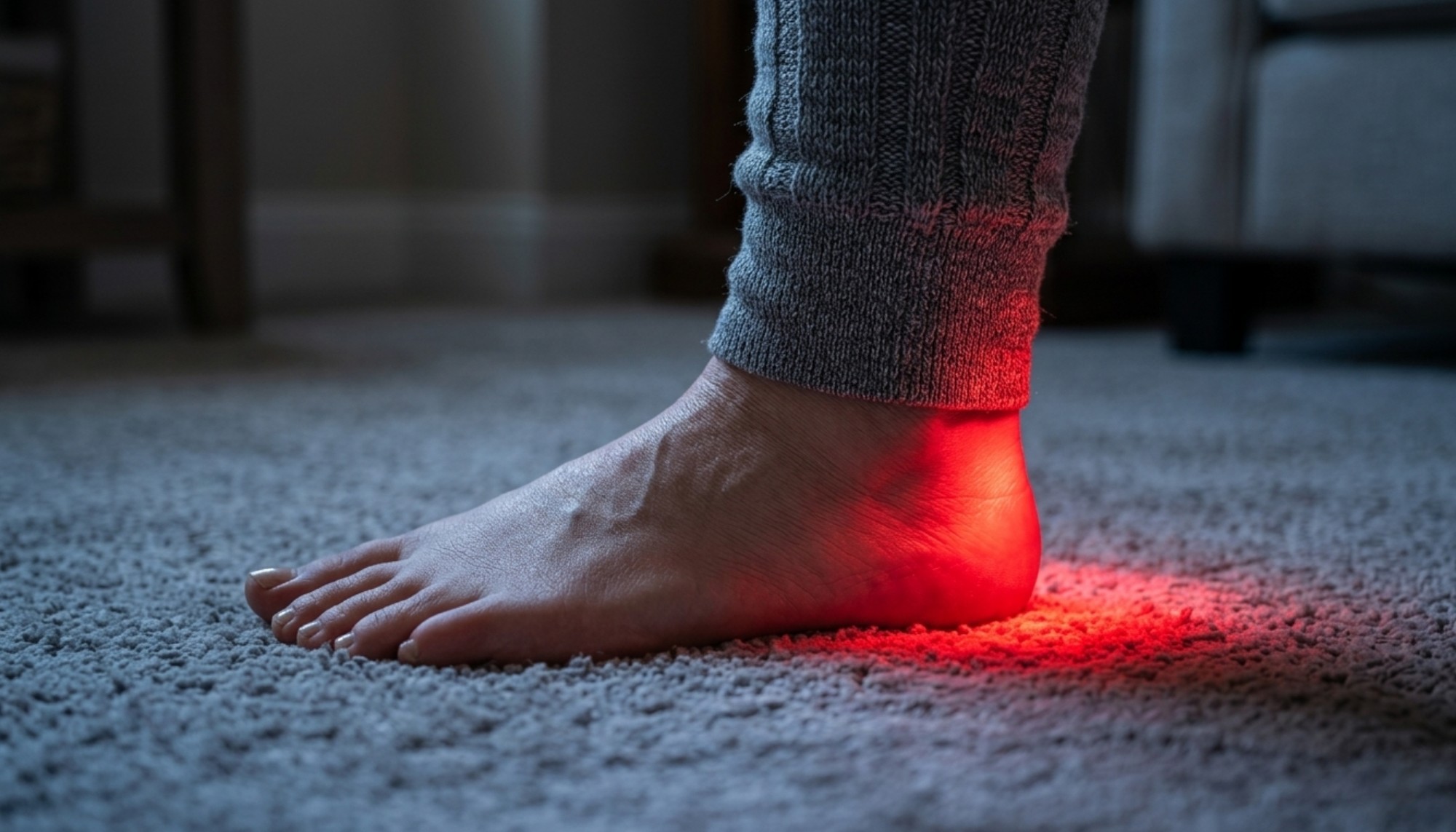
- Foot pain, especially at the back of the heel (Achilles tendonitis)
- Lower back pain and severe morning stiffness
- Changes to the fingernails, such as pitting, ridges, or separation from the nail bed
- Fatigue and systemic inflammation
- Symptoms that flare up and then temporarily subside
- High levels of psychological stress or anxiety
Common Symptoms of Psoriatic Arthritis
People with psoriatic arthritis may experience:
- Chronic or sharp pain in the affected area
- Reduced mobility or stiffness
- Associated discomfort that affects daily activities
Ayurvedic View of Psoriatic Arthritis
In Ayurveda, autoimmune diseases involving both skin and joints are often correlated with severe 'Vatarakta' (involvement of Vata and Rakta/blood) and 'Kushta' (deep tissue skin disorders) driven by 'Ama' (metabolic toxins). Ayurvedic care focuses on:
- Purifying the Rakta (blood) tissue to address the skin lesions
- Balancing Vata to reduce joint stiffness and deformity
- Clearing deep metabolic toxins (Ama) through Panchakarma
- Managing Pitta dosha through cooling therapies (like Takradhara)
- Correcting digestion to stop the creation of new inflammatory toxins
- Managing psychological stress, which is a massive trigger for skin flare-ups
Who Should Avoid Immediate Ayurvedic Therapy?
Certain deep-tissue and intensive thermal therapies are strictly contraindicated and must be avoided by:
- Individuals with acute, unhealed, or massive bone fractures
- Patients presenting with massive, hot, highly infectious joint swelling (septic arthritis)
- Individuals with complete, full-thickness ligament/tendon tears requiring immediate orthopedic surgery
- Pregnant women (unless specific, highly gentle OP care is explicitly advised by the physician)
How Is Treatment Performed?
- Detailed Ayurvedic Consultation: The first step is a proper consultation with an Ayurvedic doctor. The doctor reviews your symptoms, the extent of skin psoriasis, the specific joints affected (like fingers, toes, or spine), morning stiffness duration, previous reports, and ongoing rheumatology medications. This condition requires treating both the skin (blood tissue) and the joints (bone tissue) simultaneously.
- Internal Medicine and Blood Purification (Rakta Shodhana): Because Psoriatic Arthritis is an autoimmune disorder heavily involving the blood (Rakta) and deep tissues, the first step is internal Ayurvedic medicine to correct digestion (Ama Pachana), clear systemic inflammation, and support blood purification.
- Targeted External Therapies (Depending on Swelling): If the joints are actively hot, red, and massively swollen, heavy oil massage is avoided, and dry heat or cooling Lepas (pastes) are used. If the joints are chronically stiff but not actively inflamed, specific medicated oils (like Takradhara or specialized Abhyanga) may be used to soothe the skin and lubricate the joints.
- Takradhara for Skin and Nervous System Support: Takradhara involves pouring medicated buttermilk over the forehead or body. It is highly cooling, deeply relaxing, and frequently used in Ayurveda to manage the severe Pitta aggravation, skin itching, and psychological stress strongly associated with psoriasis.
- Panchakarma Support Where Clinically Indicated: For chronic autoimmune conditions like Psoriatic Arthritis, Panchakarma is considered absolutely mandatory after consultation. Procedures like Virechana (therapeutic purgation) or Basti are traditionally vital to systematically clear deep-seated toxins and support immune balance. The doctor will advise this depending on medical suitability.
- Strict Diet and Stress Management Guidance: At Sai Ayush Ayurveda Hospital, care heavily depends on a strict anti-inflammatory Ayurvedic diet. Psoriasis flare-ups are notoriously triggered by wrong food combinations (Viruddha Ahara) and high stress. Mental relaxation and dietary discipline are mandatory.
Conditions Where Ayurvedic Care May Help Support Recovery
Ayurvedic Psoriatic Arthritis treatment may be considered for:
- Joint pain associated with active skin psoriasis
- Swollen fingers or toes (Dactylitis)
- Psoriasis-related lower back stiffness
- Nail psoriasis and joint aching
- Chronic fatigue and systemic autoimmune inflammation
- Supportive care alongside modern rheumatology treatments
- Patients seeking disciplined, diet-based autoimmune management
Why Choose Sai Ayush Ayurveda Hospital for Treatment in Hyderabad?
Sai Ayush Ayurveda Hospital follows a doctor-led approach for autoimmune care. The focus is on personalised Ayurvedic care, not one-size-fits-all therapy. Key reasons patients choose Sai Ayush:
- Doctor-supervised Ayurvedic consultation
- Comprehensive care targeting both the skin and the joints
- Classical Kerala-style Panchakarma therapies (like Virechana and Takradhara)
- ANP³ approach: Ayurveda, Naturopathy and Physiotherapy
- OP and IP care options at Hyderabad branches
- Trained therapy team
- Personalised, strict anti-inflammatory diet and stress management guidance
- Supportive care for complex autoimmune conditions
- Convenient access for KPHB, Kukatpally, Madinaguda, Miyapur, Hafeezpet, Chandanagar and nearby areas
What to Expect During Your Visit
During your first visit, the doctor will understand your condition in detail. You may be asked:
- Did the skin psoriasis start before the joint pain?
- Are your fingers or toes completely swollen like sausages?
- How long does your morning stiffness last?
- Do you have severe itching or burning in the skin patches?
- Do you have previous blood reports (CRP, ESR, HLA-B27)?
- Are you taking biologics, DMARDs, or steroid creams?
- How are your stress levels and digestion?
Lifestyle Guidance for Psoriatic Arthritis
Along with Ayurvedic treatment, strict dietary habits and stress management are mandatory. General guidance may include:
- Strictly avoid incompatible foods (Viruddha Ahara), like milk with sour fruits or fish
- Avoid fermented foods, heavy sweets, excessive salt, and spicy foods
- Never sleep during the daytime, as it increases systemic toxins (Ama)
- Practice daily meditation or deep breathing, as stress directly triggers psoriasis flares
- Keep the skin moisturized with doctor-advised Ayurvedic oils or ghee
- Perform gentle joint movements to prevent stiffness, but do not over-strain
- Avoid self-medication and sudden stopping of rheumatology medicines
- Follow the complete Panchakarma and diet plan advised by the doctor
When Immediate Medical Attention Is Needed
Do not delay medical care if your condition is associated with:
- Psoriasis spreading rapidly over the entire body, becoming bright red and peeling extensively
- A single joint suddenly becoming massively swollen, red, hot, and highly painful (possible joint infection)
- High fever with severe chills
- Sudden, severe eye pain or redness (Uveitis)
- Unexplained, rapid weight loss
Book Ayurvedic Consultation in Hyderabad
If psoriasis skin lesions combined with severe joint stiffness or swollen fingers are affecting your life, consult the doctors at Sai Ayush Ayurveda Hospital, Hyderabad. Our team will assess your condition and guide you with a personalised Ayurvedic treatment plan that may include Takradhara, Panchakarma support, blood-purifying medicines, strict diet planning, and lifestyle care where suitable. [Book your consultation](/contact) today at Sai Ayush Ayurveda Hospital – KPHB or Madinaguda. Also Explore: • [Ayurvedic Ankylosing Spondylitis Treatment](/treatments/pain-spine/ankylosing-spondylitis) • [Ayurvedic Rheumatoid Arthritis Treatment](/treatments/pain-spine/rheumatoid-arthritis) • [Ayurvedic Back Pain Treatment](/treatments/pain-spine/back-pain)
Duration of Treatment
The duration of treatment heavily depends on the chronicity and severity of the condition. Autoimmune and severe degenerative conditions typically require comprehensive 14 to 28-day care protocols, potentially involving In-Patient (IP) admission for intensive daily monitoring and strict dietary control.
Clinical Integration
Our ANP³ care model perfectly integrates classical Ayurveda with Naturopathy and Physiotherapy. We routinely manage patients who are on parallel allopathic medications for diabetes, hypertension, immunosuppressants, or uric acid control. We ensure complete safety by carefully reviewing your current prescriptions to explicitly prevent any adverse herb-drug interactions.
FAQ Section
- Is Ayurvedic treatment useful for Psoriatic Arthritis?
- Ayurvedic treatment may help support Psoriatic Arthritis management in selected cases by focusing on immune regulation, blood purification, reducing systemic inflammation, diet correction, and personalised therapy. The right treatment depends on the severity.
- What is Takradhara and why is it used?
- Takradhara involves pouring medicated buttermilk over the body or forehead. It is highly cooling and is traditionally used to reduce severe Pitta, calm the mind (reducing stress triggers), and soothe the itchy, burning skin lesions.
- How many days are required for Ayurvedic treatment?
- This is a complex, chronic autoimmune condition. It requires long-term, structured management involving permanent dietary changes, prolonged internal medicines, and periodic Panchakarma. The doctor will suggest the initial duration after consultation.
- Can Ayurveda cure Psoriatic Arthritis permanently?
- It is better to avoid cure claims. It is a chronic autoimmune condition. Ayurvedic care aims to support immune balance, manage severe stiffness, clear skin lesions during flare-ups, and improve your daily quality of life.
- Is Panchakarma mandatory for this condition?
- Yes. For autoimmune conditions involving deep-seated Ama and severe skin/joint involvement, Panchakarma (like Virechana) is almost always recommended after consultation to systematically clear toxins from the blood and tissues.
- Do I need blood tests before treatment?
- Yes. Inflammatory markers (CRP, ESR) are crucial for the doctor to understand the exact severity of the systemic inflammation and track progress.
- Is treatment available at both KPHB and Madinaguda?
- Sai Ayush Ayurveda Hospital provides consultation and therapy support in Hyderabad. Availability of specific therapies may vary by branch, so it is better to confirm while booking.
- Can I stop my modern arthritis medicines (Biologics/Steroids)?
- Never stop your rheumatology medications abruptly. Ayurvedic therapies work as supportive care. Inform the Ayurvedic doctor about all medicines so your care plan can be safely coordinated.
- Why do my skin psoriasis and joint pain flare up at the same time?
- In Ayurveda, both conditions are driven by the same deep systemic toxins (Ama) heavily corrupting the blood (Rakta) and spreading into the deeper tissues (Asthi/joints). When the root toxin flares, both skin and joints suffer.
- Are steroid injections safe for Psoriatic Arthritis?
- They can provide temporary relief, but long-term reliance suppresses the immune system without clearing the root toxins. Ayurveda focuses on deep detoxification (Panchakarma) to provide lasting relief safely.
Medically Reviewed By: Dr. Pasalapudi Visalaanjani, B.A.M.S, MD (Kayachikitsa)
Registration No: 1146/A/2016
Disclaimer: The information provided is for educational purposes and should not replace professional medical advice. Outcomes may vary.