Ayurvedic Gout (Vatarakta) Treatment in Hyderabad
Ayurvedic Gout (Vatarakta) Treatment in Hyderabad
Days Protocol: 14–21
Purification: Blood
Reduction: Uric Acid
Therapy: Leech
Sai Ayush Ayurveda Hospital provides authentic, physician-supervised Ayurvedic treatment for gouty arthritis (Vatarakta) in Hyderabad. This structured, clinical approach precisely targets uric acid crystal deposition, severe joint redness, and intense pain using classical therapies like targeted Lepanam and deeply healing Raktamokshana (therapeutic bloodletting). Designed specifically for patients seeking safe, non-surgical gout management, all interventions are conducted under strict doctor oversight, with each patient's care planned after a thorough clinical assessment. Gout is a painful form of inflammatory arthritis that occurs when high levels of uric acid in the blood crystalize and deposit in a joint. For some people, it starts suddenly in the middle of the night with severe burning, redness, and swelling in the big toe. For others, it becomes a recurring problem affecting the ankles, knees, or wrists, connected with dietary habits, alcohol intake, kidney function, or metabolic imbalance. At Sai Ayush Ayurveda Hospital, Hyderabad, Ayurvedic gout treatment is planned under doctor supervision after understanding the person's pain pattern, exact joint swelling, dietary lifestyle, medical history (especially kidney function), uric acid reports, and severity of symptoms. Our approach combines classical Ayurveda, specific cooling external treatments, blood-purifying internal medicines, Panchakarma therapies where suitable, and strict diet correction. The aim is not just temporary comfort. The focus is to support uric acid metabolism, reduce sudden massive swelling, manage the burning sensation safely without aggravating the condition, and guide the patient toward a highly disciplined, long-term diet routine.
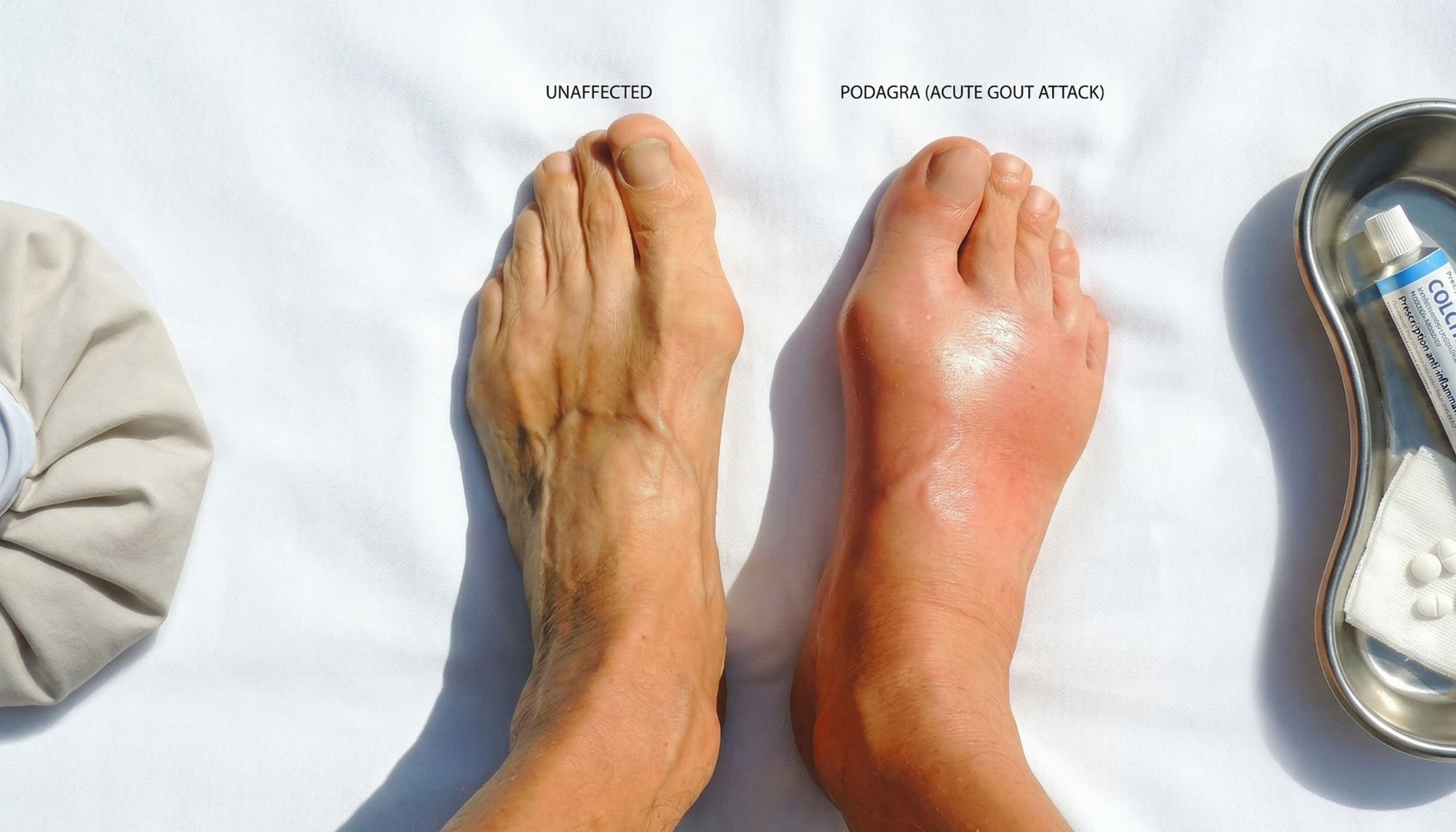
- Condition focus: Hyperuricemia, acute gouty arthritis, swollen big toe (podagra), joint redness and heat.
- Key therapies: Jalaukaavacharana (Leech Therapy), Virechana, Pinda Taila Abhyanga, Kashaya Dhara.
Quick Reference Matrix
| PARAMETERCLINICAL DIRECTION | |
| Who it may suit | Individuals with recurring acute gout attacks, constantly elevated blood uric acid levels, and burning, extremely tender joints. |
| Who should avoid | Severe tophi (massive crystallized uric acid boulders) have fully destroyed the joint mechanics requiring surgical excision. |
| Typical duration | Acute protocol (7 days) for immediate relief; 21 days for systemic metabolic reset to prevent future attacks. |
Clinical Care Framework
This specialized program follows our integrated ANP³ medical model for fast, sustainable healing.
- Treatment Model: ANP³ (Ayurveda, Naturopathy, Physiotherapy)
- Supervision: Senior Ayurvedic Clinical Team
- Target Conditions: Gouty Arthritis, Uric Acid Deposition, Severe Joint Inflammation
- Setting: Hospital Environment (KPHB OP/IP, Madinaguda OP)
- Duration: Typically 10 to 14 days
- Safety Protocol: Rigorous pre-treatment clinical evaluation required
What Is Gout?
Gout is a type of arthritis caused by the accumulation of urate crystals inside a joint, leading to intense inflammation. The body produces uric acid when breaking down purines found in certain foods. Gout may be associated with:
- Sudden, severe pain, usually striking the big toe at night
- Joints that become visibly red, swollen, and hot to the touch
- Extreme tenderness (even the weight of a bedsheet causes agony)
- A diet high in red meat, organ meats, or certain seafood
- Frequent alcohol consumption, especially beer
- Poor kidney function affecting uric acid removal
- Dehydration or rapid weight loss
- High blood pressure or metabolic syndrome
Common Symptoms of Gout
People with gout may experience:
- Chronic or sharp pain in the affected area
- Reduced mobility or stiffness
- Associated discomfort that affects daily activities
Ayurvedic View of Gout
In Ayurveda, Gout is understood as 'Vatarakta'. It occurs when both Vata dosha and Rakta dhatu (blood tissue) are simultaneously aggravated and block each other's pathways. Pitta dosha is also heavily involved, which explains the sudden burning heat and redness. Ayurvedic gout care focuses on:
- Balancing Pitta and purifying Rakta (blood tissue)
- Using cooling therapies instead of the heat used for normal arthritis
- Supporting digestion to prevent metabolic toxins
- Supporting the body's natural elimination channels
- Avoiding Vata and Pitta-aggravating foods (like sour and fermented items)
- Preventing repeated flare-ups through strict dietary discipline
Who Should Avoid Immediate Ayurvedic Therapy?
Certain deep-tissue and intensive thermal therapies are strictly contraindicated and must be avoided by:
- Individuals with acute, unhealed, or massive bone fractures
- Patients presenting with massive, hot, highly infectious joint swelling (septic arthritis)
- Individuals with complete, full-thickness ligament/tendon tears requiring immediate orthopedic surgery
- Pregnant women (unless specific, highly gentle OP care is explicitly advised by the physician)
How Is Treatment Performed?
- Detailed Ayurvedic Consultation: The first step is a proper consultation with an Ayurvedic doctor. The doctor reviews your symptoms, duration of sudden pain attacks, affected joints, dietary habits (like meat or alcohol intake), previous uric acid reports, and ongoing medications. Recognizing the acute fiery nature of a gout attack is a crucial part of this assessment.
- Strict Avoidance of Heat and Heavy Massage: During an acute gout attack (Vatarakta), the joint is red, hot, and severely inflamed. Heavy oil massage (Abhyanga) and heat therapies (Swedana) are strictly avoided, as applying heat or rubbing the joint will instantly worsen the burning pain and inflammation.
- Cooling Lepa (Herbal Paste Application): Instead of oil, cooling and Pitta-pacifying herbal pastes (Lepa) may be gently applied locally over the red, swollen joint. This is designed to draw out the heat, reduce localized swelling rapidly, and provide soothing comfort.
- Internal Medicine and Blood Purification (Rakta Shodhana): Because gout is a metabolic disorder involving the blood, the doctor may prescribe internal medicines to support the liver and kidneys in filtering uric acid, purify the blood, and balance the sudden Pitta and Vata aggravation.
- Panchakarma Support Where Clinically Indicated: For chronic or recurring gout, Panchakarma may be considered after consultation. Procedures like Virechana (therapeutic purgation) or Rakta Mokshana (if indicated) are traditionally vital in clearing systemic Pitta and blood impurities. The doctor will advise this depending on the patient's strength and suitability.
- Strict Diet and Hydration Guidance: At Sai Ayush Ayurveda Hospital, gout care heavily depends on diet correction. Without strict elimination of high-purine foods and alcohol, the uric acid will continue to build. Guided hydration and specific dietary rules are mandatory for long-term safety.
Conditions Where Ayurvedic Gout Care May Help Support Recovery
Ayurvedic gout treatment may be considered for:
- Acute gout attacks (Podagra) in the big toe
- High uric acid levels (Hyperuricemia)
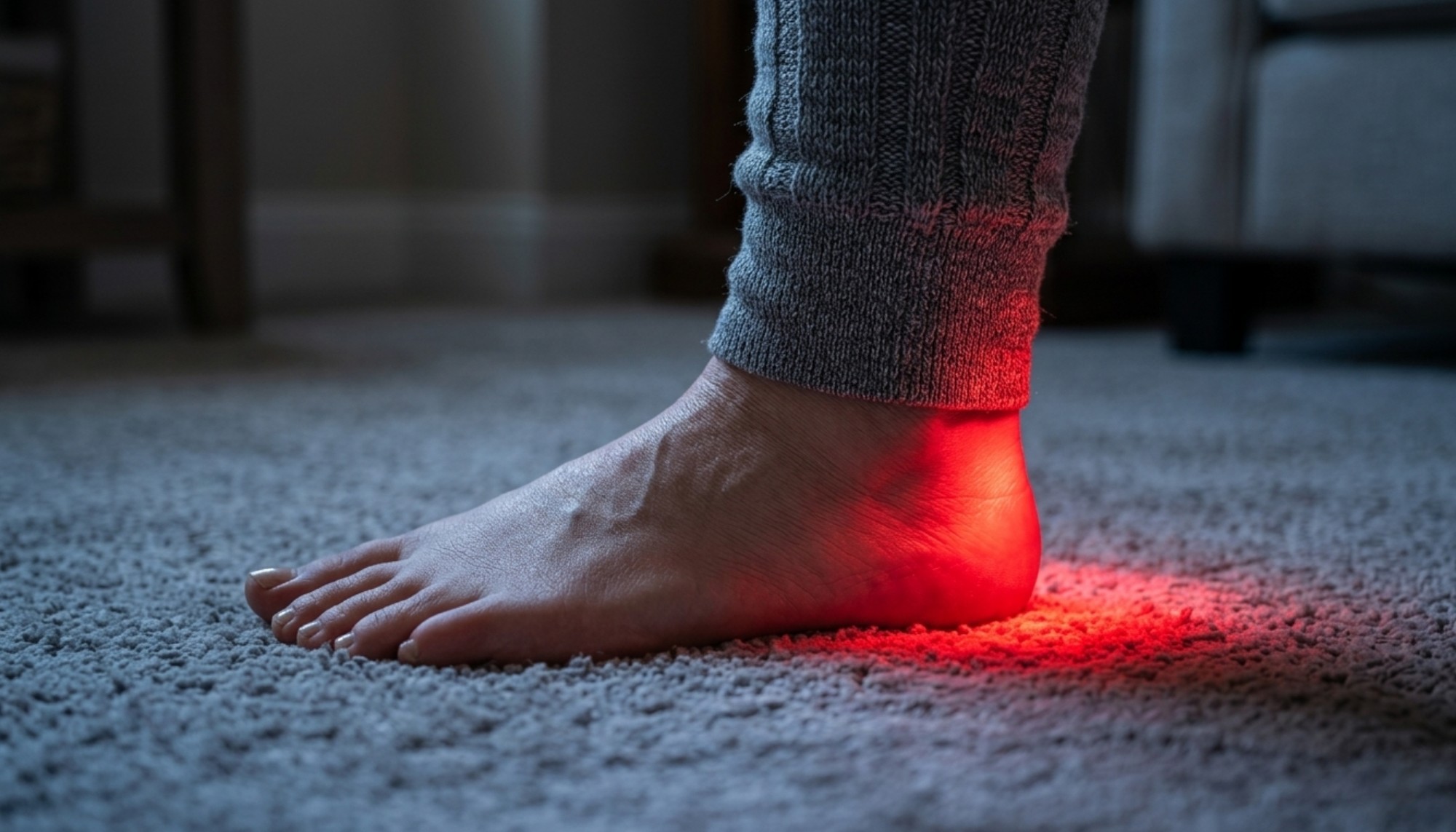
- Red, hot, swollen ankles or knees
- Recurring gout flare-ups
- Vatarakta-related skin and joint issues
- Patients seeking dietary and metabolic support
- Supportive care alongside modern uric acid medications
Why Choose Sai Ayush Ayurveda Hospital for Gout Treatment in Hyderabad?
Sai Ayush Ayurveda Hospital follows a doctor-led approach for metabolic and joint care. The focus is on personalised Ayurvedic care, not one-size-fits-all therapy. Key reasons patients choose Sai Ayush:
- Doctor-supervised Ayurvedic consultation
- Strict adherence to Vatarakta protocols (avoiding wrong therapies like heat)
- Classical Kerala-style Panchakarma therapies (like Virechana)
- ANP³ approach: Ayurveda, Naturopathy and Physiotherapy
- OP and IP care options at Hyderabad branches
- Trained therapy team
- Personalised hydration and purine-free diet guidance
- Supportive care for recurring metabolic joint pain
- Convenient access for KPHB, Kukatpally, Madinaguda, Miyapur, Hafeezpet, Chandanagar and nearby areas
What to Expect During Your Visit
During your first visit, the doctor will understand your gout attack in detail. You may be asked:
- When did the sudden swelling and pain start?
- Is the joint red, hot, and extremely sensitive to touch?
- What did you eat or drink in the 48 hours before the attack?
- Do you have previous uric acid or kidney function reports?
- Are you taking medicines to lower uric acid (like Allopurinol)?
- Do you have a history of kidney stones or high blood pressure?
- How much water do you drink daily?
Lifestyle Guidance for Gout
Along with Ayurvedic treatment, strict dietary habits are mandatory for managing uric acid levels. General gout care guidance may include:
- Strictly avoid alcohol, especially beer, as it triggers attacks rapidly
- Drink plenty of water daily to help the kidneys flush out uric acid
- Avoid red meat, organ meats, and high-purine seafood
- Limit intake of sour foods, fermented items, and tomatoes during an active flare-up
- Maintain a healthy body weight, but avoid crash dieting
- Do not apply heating pads or take hot baths during an acute attack
- Avoid self-medication and random painkiller use
- Follow the complete therapy and diet plan advised by the doctor
When Gout Needs Immediate Medical Attention
Do not delay medical care if gout is associated with:
- A high fever or severe chills with the joint pain
- A joint that is hot, red, and swollen with no history of gout (possible joint infection)
- Sudden inability to pass urine (possible kidney stone blockage)
- Severe pain that does not reduce at all after several days
- Pain spreading rapidly up the leg or arm
Book Ayurvedic Gout Consultation in Hyderabad
If sudden severe joint pain, high uric acid, or recurring attacks are affecting your daily life, consult the doctors at Sai Ayush Ayurveda Hospital, Hyderabad. Our team will assess your condition and guide you with a personalised Ayurvedic gout treatment plan that may include cooling therapies, Panchakarma support, blood-purifying medicines, diet correction, and lifestyle care where suitable. [Book your consultation](/contact) today at Sai Ayush Ayurveda Hospital – KPHB or Madinaguda. Also Explore: • [Ayurvedic Ankle Pain Treatment](/treatments/pain-spine/ankle-pain) • [Ayurvedic Rheumatoid Arthritis Treatment](/treatments/pain-spine/rheumatoid-arthritis) • [Ayurvedic Knee Pain Treatment](/treatments/pain-spine/knee-pain)
Duration of Treatment
The duration of treatment heavily depends on the chronicity and severity of the condition. Autoimmune and severe degenerative conditions typically require comprehensive 14 to 28-day care protocols, potentially involving In-Patient (IP) admission for intensive daily monitoring and strict dietary control.
Clinical Integration
Our ANP³ care model perfectly integrates classical Ayurveda with Naturopathy and Physiotherapy. We routinely manage patients who are on parallel allopathic medications for diabetes, hypertension, immunosuppressants, or uric acid control. We ensure complete safety by carefully reviewing your current prescriptions to explicitly prevent any adverse herb-drug interactions.
FAQ Section
- Is Ayurvedic treatment useful for Gout?
- Ayurvedic treatment may help support gout management in selected cases by focusing on blood purification, cooling therapies, uric acid metabolism support, diet correction, and personalised therapy. The right treatment depends on the severity.
- Why shouldn't I apply heat or hot water to a gout attack?
- Gout is a highly inflammatory, Pitta-dominant condition. Applying heat or Swedana will instantly increase the burning sensation, redness, and swelling. Always use cooling applications as advised by the doctor.
- How many days are required for Ayurvedic gout treatment?
- An acute attack may require short-term cooling therapies and medicines. However, correcting the underlying metabolism to prevent future attacks requires long-term dietary discipline and internal medicines. The doctor will suggest the duration after consultation.
- Can Ayurveda cure high uric acid permanently?
- It is better to avoid permanent cure claims. Gout is a metabolic tendency. Ayurveda aims to support metabolism and reduce flare-up frequency, but you must maintain strict dietary control for long-term safety.
- Do I need blood tests before Ayurvedic treatment?
- Yes. Your uric acid levels, along with kidney function tests (creatinine), are vital for the doctor to understand the severity of the metabolic issue and ensure therapies are safely planned.
- Is Panchakarma required for Gout?
- For chronic or recurring gout, Panchakarma (like Virechana) may be highly recommended after consultation to systematically clear Pitta and blood impurities.
- Is gout treatment available at both KPHB and Madinaguda?
- Sai Ayush Ayurveda Hospital provides gout consultation and therapy support in Hyderabad. Availability of specific therapies may vary by branch, so it is better to confirm while booking.
- Can I stop my modern uric acid medicines?
- Do not stop your allopathic gout medications abruptly, as this can trigger a severe attack. Inform the Ayurvedic doctor about all medicines so your care plan can be safely coordinated.
- Why does Gout usually attack the big toe first?
- Gravity pulls the heavy, toxic uric acid crystals (Ama and Rakta) down to the lowest and coolest joint in the body, which is the big toe, where they easily crystallize and cause intense pain.
- Can I eat protein if I have Gout?
- You must strictly avoid heavy, purine-rich proteins like red meat and specific heavy lentils. However, light, easily digestible proteins like green gram (moong) can be consumed safely under Ayurvedic guidance.
Medically Reviewed By: Dr. Pasalapudi Visalaanjani, B.A.M.S, MD (Kayachikitsa)
Registration No: 1146/A/2016
Disclaimer: The information provided is for educational purposes and should not replace professional medical advice. Outcomes may vary.