Ayurvedic Heel Spur / Plantar Fasciitis Treatment in Hyderabad
Ayurvedic Heel Spur / Plantar Fasciitis Treatment in Hyderabad
Days Protocol: 7–14
Success: Agnikarma
Pain Relief: Morning
Operative: Non
Sai Ayush Ayurveda Hospital provides authentic, physician-supervised Ayurvedic treatment for heel spurs in Hyderabad. This structured, clinical approach precisely targets calcaneal spurs and severe heel inflammation using classical therapies like targeted Ishtika Sweda (brick fomentation) and deeply healing Agnikarma (thermal therapy). Designed specifically for patients seeking safe, non-surgical management of plantar fasciitis and spurs, all interventions are conducted under strict doctor oversight, with each patient's care planned after a thorough clinical assessment. Heel pain, commonly caused by Plantar Fasciitis or a Heel Spur, can make taking the very first steps out of bed in the morning excruciatingly painful. For some people, it starts as a sharp stabbing pain that gradually lessens as they walk around. For others, it becomes a chronic, burning ache connected with standing for long hours, wearing unsupportive shoes, being overweight, or having tight calf muscles. At Sai Ayush Ayurveda Hospital, Hyderabad, Ayurvedic heel pain treatment is planned under doctor supervision after understanding the person's pain pattern, daily standing hours, footwear habits, body weight, medical history, and severity of symptoms. Our approach combines classical Ayurveda, targeted localized therapies, external oil-based treatments, specific foot stretching, and lifestyle guidance where clinically suitable. The aim is not just temporary comfort. The focus is to support the inflamed plantar fascia, reduce severe morning stiffness, soften the surrounding tight calf tissues, support proper weight distribution, and guide the patient toward safe long-term foot care.
- Condition focus: Plantar fasciitis, massive heel pain, calcaneal spur, morning foot stiffness.
- Key therapies: Ishtika Sweda, Agnikarma, Rakta Mokshana, Lepana.
Quick Reference Matrix
| PARAMETERCLINICAL DIRECTION | |
| Who it may suit | Individuals experiencing severe stabbing heel pain upon waking up or after prolonged periods of sitting. |
| Who should avoid | Total tearing of the Achilles tendon or severe, agonizing gout isolated strictly to the big toe. |
| Typical duration | Intensive focused therapies typically spanning 7 to 14 days. |
Clinical Care Framework
This specialized program follows our integrated ANP³ medical model for fast, sustainable healing.
- Treatment Model: ANP³ (Ayurveda, Naturopathy, Physiotherapy)
- Supervision: Senior Ayurvedic Clinical Team
- Target Conditions: Heel Spur, Calcaneal Spur, Plantar Fasciitis
- Setting: Hospital Environment (KPHB OP/IP, Madinaguda OP)
- Duration: Typically 7 to 14 days
- Safety Protocol: Rigorous pre-treatment clinical evaluation required
What Are Plantar Fasciitis and Heel Spurs?
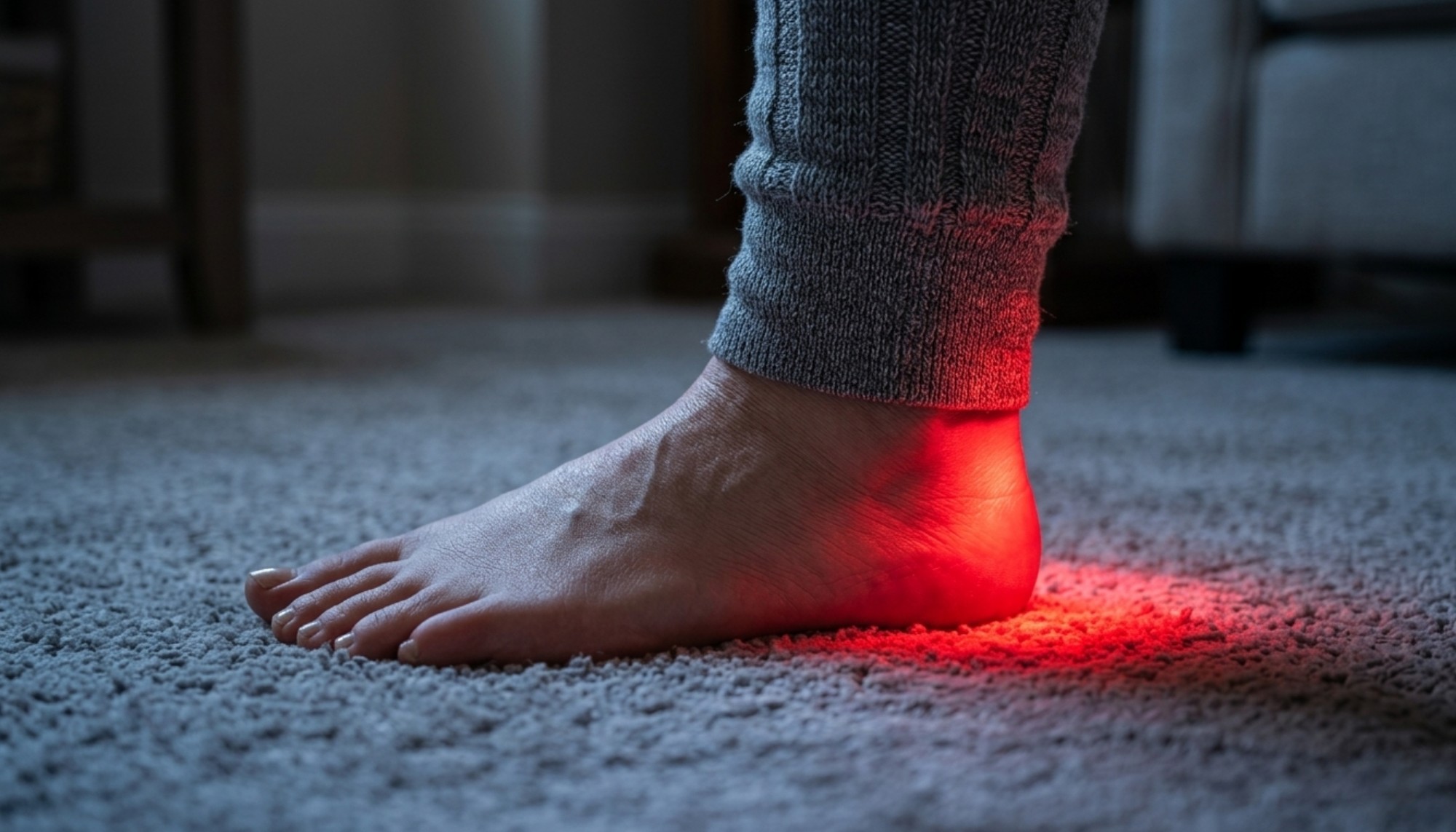
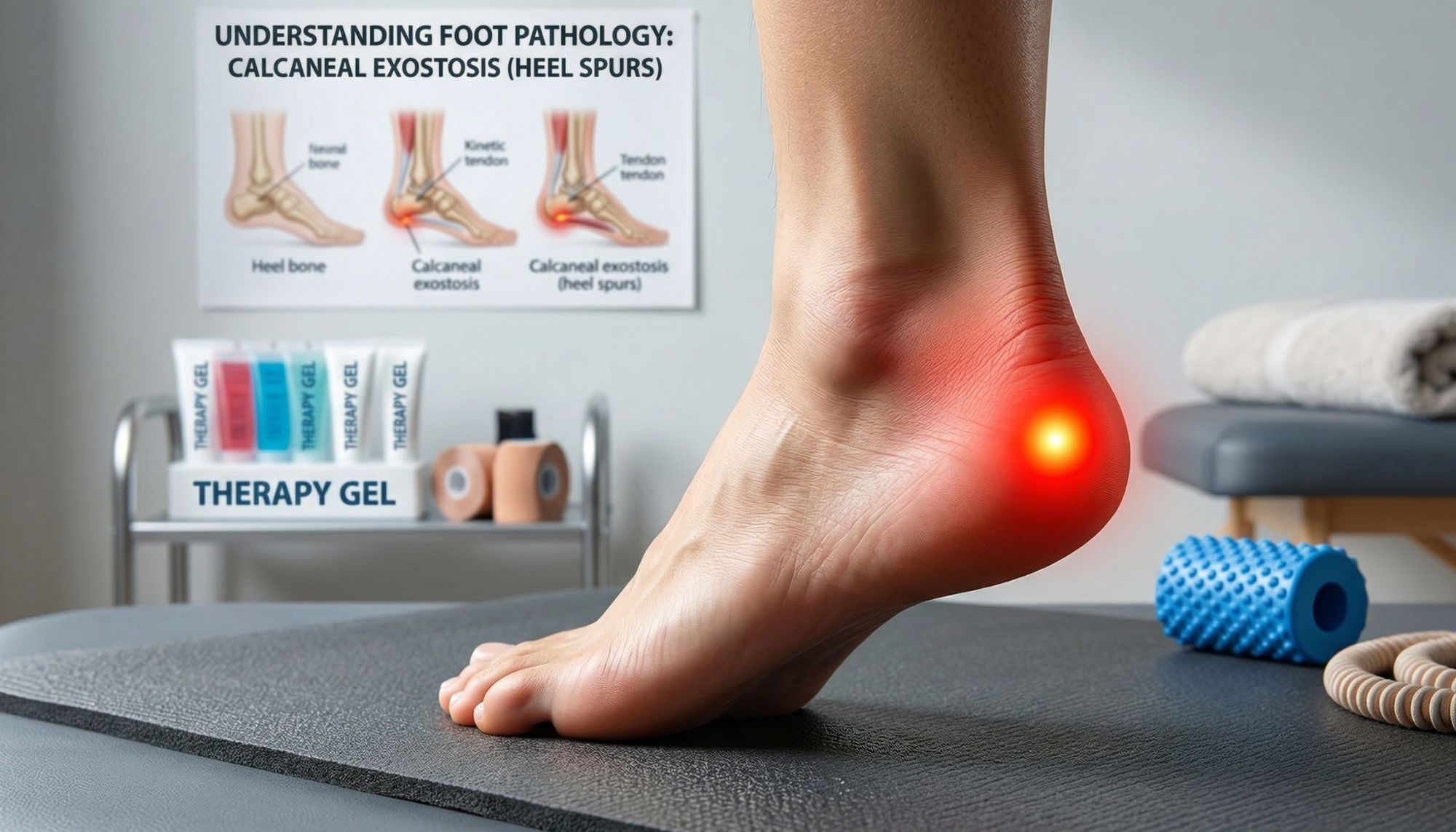
Plantar Fasciitis is inflammation of the thick band of tissue (fascia) running across the bottom of your foot. A Heel Spur is a bony growth on the heel bone, often developing due to long-term plantar fascia tension. Heel pain may be associated with:
- Severe, stabbing pain during the first steps in the morning
- Pain that returns after sitting for a long time and standing up
- Standing on hard floors (like tile or concrete) for long hours
- Wearing flat, unsupportive shoes, flip-flops, or high heels
- Having very tight calf muscles or a tight Achilles tendon
- Flat feet or unusually high arches
- Being overweight, which places massive pressure on the foot arch
- Running or walking long distances suddenly
Common Symptoms of Heel Spur
People with heel spur may experience:
- Chronic or sharp pain in the affected area
- Reduced mobility or stiffness
- Associated discomfort that affects daily activities
Ayurvedic View of Heel Pain
In Ayurveda, this specific heel pain is termed 'Vatakantaka' (literally feeling like a thorn of Vata in the heel). It occurs when aggravated Vata localizes in the Gulpha Sandhi (ankle/heel region) due to hard walking, jumping, or improper stepping, causing dryness, stiffness, and sharp pain. Ayurvedic heel pain care focuses on:
- Balancing aggravated Vata in the foot using deep heat therapies
- Melting the thick, stiff tissue of the sole using Ishtika Sweda
- Relieving the tension in the calf muscles (Mamsa Dhatu)
- Supporting local blood circulation to the poor-healing fascia tissue
- Removing the mechanical cause (hard floors, bad shoes)
- Preventing repeated flare-ups through stretching and weight management
Who Should Avoid Immediate Ayurvedic Therapy?
Certain deep-tissue and intensive thermal therapies are strictly contraindicated and must be avoided by:
- Individuals with acute, unhealed, or massive bone fractures
- Patients presenting with massive, hot, highly infectious joint swelling (septic arthritis)
- Individuals with complete, full-thickness ligament/tendon tears requiring immediate orthopedic surgery
- Pregnant women (unless specific, highly gentle OP care is explicitly advised by the physician)
How Is Treatment Performed?
- Detailed Ayurvedic Consultation: The first step is a proper consultation with an Ayurvedic doctor. The doctor reviews your symptoms, exact pain location (bottom of the heel vs. back of the heel), severity of morning pain, occupational standing requirements, and footwear. Where needed, patients may be advised to bring an X-ray to check for a calcaneal spur.
- Ishtika Sweda (Specialised Brick Fomentation): A highly specialized classical therapy for heel pain (Vatakantaka). A heated brick (Ishtika) is treated with sour/fermented herbal liquids and specific leaves. The patient rests their oiled heel over the medicinal steam. This intense, targeted heat is highly effective for thick, stubborn heel tissue stiffness.
- Medicated Oil Application (Abhyanga) on the Calves: Plantar fasciitis is heavily linked to extremely tight calf muscles pulling on the heel. Trained therapists apply warm medicated oils to the calves, ankles, and feet to relieve this upstream tension, which takes the pressure off the heel.
- Pichu or Localised Kizhi Therapies: In selected patients, a cotton pad soaked in warm medicated oil (Pichu) may be wrapped around the heel, or herbal boluses (Kizhi) may be pressed into the sole of the foot. These therapies provide sustained localized comfort.
- Panchakarma Support Where Clinically Indicated: For chronic pain or severe Vata aggravation in the lower body, Panchakarma may be considered after consultation. The doctor will advise this depending on the person's condition, strength, and medical suitability.
- Physiotherapy, Stretching, and Footwear Guidance: At Sai Ayush Ayurveda Hospital, heel pain care relies heavily on guided stretching. Ayurveda softens the tissues, but aggressive calf stretching and changing to highly supportive, cushioned footwear are absolutely mandatory for recovery.
Conditions Where Ayurvedic Care May Help Support Recovery
Ayurvedic heel pain treatment may be considered for:
- Plantar Fasciitis (sharp morning heel pain)
- Pain associated with Calcaneal (Heel) Spurs
- Achilles tendon tightness at the back of the heel
- Chronic, dull aching in the sole of the foot
- Pain from prolonged occupational standing
- Supportive care to delay or avoid steroid injections
Why Choose Sai Ayush Ayurveda Hospital for Treatment in Hyderabad?
Sai Ayush Ayurveda Hospital follows a doctor-led approach for foot and joint care. The focus is on personalised Ayurvedic care, not one-size-fits-all therapy. Key reasons patients choose Sai Ayush:
- Doctor-supervised Ayurvedic consultation
- Highly specialized classical therapies like Ishtika Sweda for Vatakantaka
- Focus on treating the tight calf, not just the heel
- ANP³ approach: Ayurveda, Naturopathy and Physiotherapy
- OP and IP care options at Hyderabad branches
- Trained therapy team
- Personalised stretching, footwear, and weight management guidance
- Supportive care for chronic foot pain
- Convenient access for KPHB, Kukatpally, Madinaguda, Miyapur, Hafeezpet, Chandanagar and nearby areas
What to Expect During Your Visit
During your first visit, the doctor will understand your foot pain in detail. You may be asked:
- Is the pain worst during the very first steps in the morning?
- Does the pain ease slightly after you walk for 10 minutes?
- Are you standing on hard floors (like marble/granite) barefoot at home?
- Do you have a previous X-ray showing a heel spur?
- Are you taking painkillers or wearing heel cushions?
- Have you experienced any recent rapid weight gain?
- Do you have a history of diabetes or high uric acid (gout)?
Lifestyle Guidance for Heel Pain
Along with Ayurvedic treatment, strict footwear habits are absolutely mandatory for recovery. General guidance may include:
- Never walk barefoot, especially on hard tile floors, even inside your house
- Wear thick, cushioned, supportive indoor footwear immediately upon waking up
- Perform doctor-advised calf and towel stretches before stepping out of bed
- Roll a frozen water bottle under the arch of your foot for 10 minutes in the evening
- Avoid completely flat shoes or very high heels
- Reduce excess body weight to offload pressure from the plantar fascia
- Avoid self-medication and random painkiller use
- Follow the complete therapy and stretching plan advised by the doctor
When Immediate Medical Attention Is Needed
Do not delay medical care if your heel pain is associated with:
- Inability to bear any weight on the foot after a fall or jump (possible fracture)
- A sudden, loud 'pop' sound at the back of the heel, followed by an inability to walk (possible Achilles rupture)
- Fever with a red, hot, swollen heel (possible infection)
- Numbness or tingling spreading up the leg
- Severe pain accompanied by an open wound or ulcer, especially in diabetics
Book Ayurvedic Heel Pain Consultation in Hyderabad
If severe morning heel pain or plantar fasciitis is affecting your walking or daily work, consult the doctors at Sai Ayush Ayurveda Hospital, Hyderabad. Our team will assess your condition and guide you with a personalised Ayurvedic treatment plan that may include specialized heat therapies, oil treatments, Panchakarma support, stretching guidance, and footwear advice where suitable. [Book your consultation](/contact) today at Sai Ayush Ayurveda Hospital – KPHB or Madinaguda. Also Explore: • [Ayurvedic Ankle Pain Treatment](/treatments/pain-spine/ankle-pain) • [Ayurvedic Knee Pain Treatment](/treatments/pain-spine/knee-pain) • [Ayurvedic Gout Treatment](/treatments/pain-spine/gout)
Duration of Treatment
The duration of treatment heavily depends on the chronicity and severity of the condition. Acute strains may require 5 to 7 days of targeted OP therapies. Severe, chronic degenerative conditions may require comprehensive 14 to 28-day care protocols, potentially involving In-Patient (IP) admission for intensive daily monitoring.
Clinical Integration
Our ANP³ care model perfectly integrates classical Ayurveda with Naturopathy and Physiotherapy. We routinely manage patients who are on parallel allopathic medications for diabetes, hypertension, or uric acid control. We ensure complete safety by carefully reviewing your current prescriptions to explicitly prevent any adverse herb-drug interactions.
FAQ Section
- Is Ayurvedic treatment useful for Plantar Fasciitis?
- Ayurvedic treatment may help support heel pain management in selected cases by focusing on specialized heat therapies (like Ishtika Sweda), calf muscle relaxation, Vata balance, stretching, and personalised therapy. The right treatment depends on the severity.
- Does the heel spur bone need to be surgically removed?
- In most cases, no. The bone spur itself usually doesn't cause the pain; the inflammation of the plantar fascia pulling on the bone causes the pain. If we resolve the inflammation and tension, the pain often stops even if the spur remains.
- How many days are required for Ayurvedic treatment?
- Plantar Fasciitis is notoriously slow to heal because the tissue has poor blood supply and bears weight constantly. It requires a sustained treatment plan combined with absolute strict footwear compliance. The doctor will suggest the duration after consultation.
- Why shouldn't I walk barefoot at home?
- Walking barefoot on hard tile or concrete floors repeatedly micro-tears the already inflamed plantar fascia. Cushioned indoor footwear is mandatory for recovery.
- Is Ishtika Sweda safe?
- Yes, when performed by trained therapists under doctor supervision. The heat is carefully controlled to melt the thick heel stiffness without causing burns.
- Do I need an X-ray before treatment?
- An X-ray is helpful to confirm the presence of a heel spur or to rule out a stress fracture, but the diagnosis of Plantar Fasciitis is usually clinical based on your symptoms.
- Is heel pain treatment available at both KPHB and Madinaguda?
- Sai Ayush Ayurveda Hospital provides consultation and therapy support in Hyderabad. Availability of specific therapies may vary by branch, so it is better to confirm while booking.
- Can tight calves really cause heel pain?
- Yes. The calf muscles connect to the Achilles tendon, which connects to the heel bone, which connects to the plantar fascia. If the calf is tight, it pulls the entire chain tightly, causing severe heel tension.
- Do heel spurs ever dissolve on their own?
- A physical calcium deposit (bone spur) is very stubborn. However, Ayurveda treats the severe inflammation of the tissue *around* the spur (plantar fascia). When the inflammation stops, the pain stops, even if the spur remains.
- Is walking barefoot bad for heel pain?
- Yes. Walking barefoot on hard tiles severely aggravates the impact on the sensitive heel tissue (increasing Vata). Always wear soft, supportive indoor footwear if you have chronic heel pain.
Medically Reviewed By: Dr. Pasalapudi Visalaanjani, B.A.M.S, MD (Kayachikitsa)
Registration No: 1146/A/2016
Disclaimer: The information provided is for educational purposes and should not replace professional medical advice. Outcomes may vary.