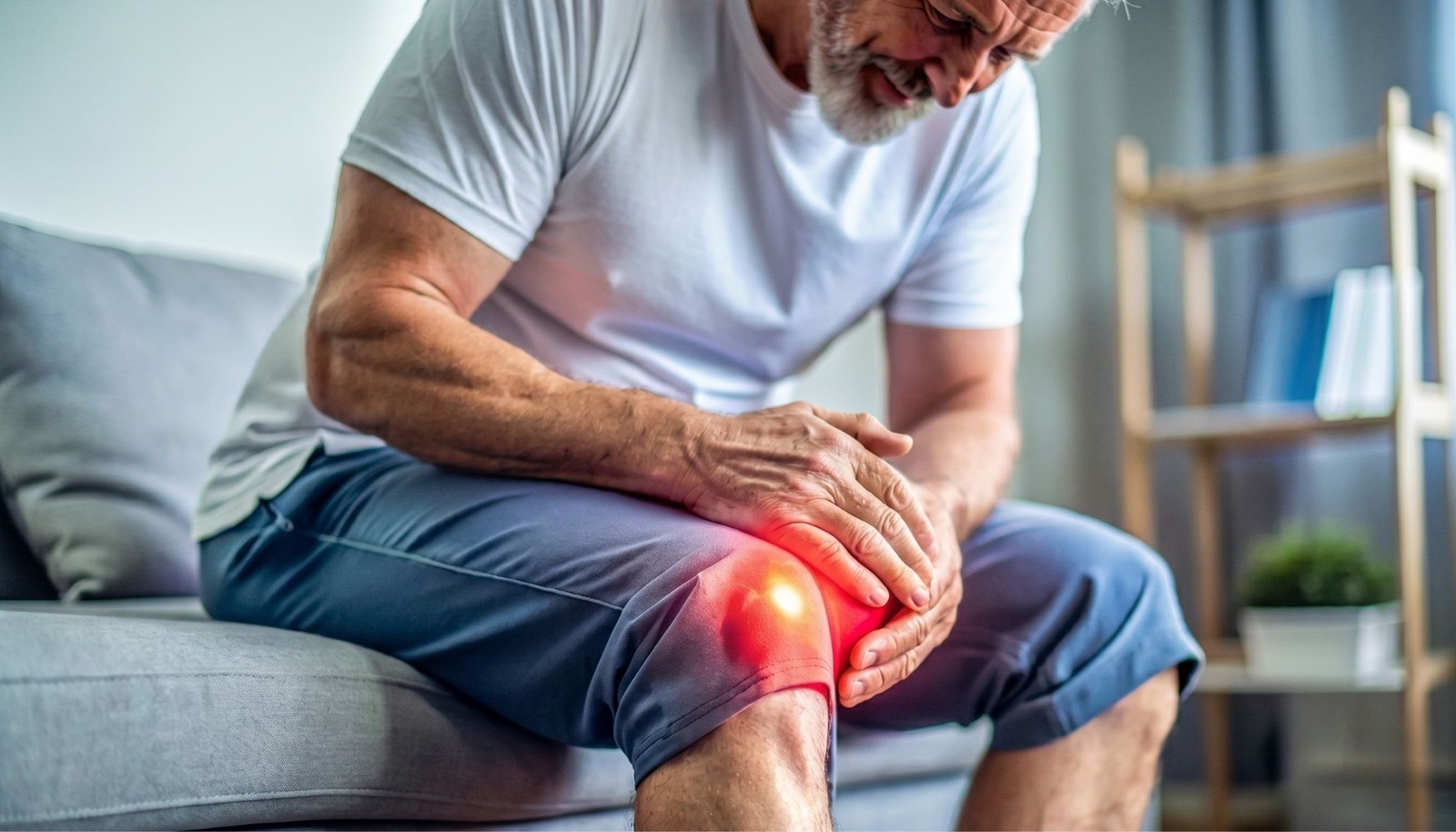
Ayurvedic Osteoarthritis Treatment in Hyderabad
Ayurvedic Osteoarthritis Treatment in Hyderabad
Degeneration: Halt
Lubrication: Heavy
Basti: Targeted
Model: ANP³
Sai Ayush Ayurveda Hospital provides authentic, physician-supervised Ayurvedic treatment for osteoarthritis (Sandhigata Vata) in Hyderabad. This structured, clinical approach precisely targets degenerative joint wear, cartilage loss, and stiffness using classical therapies like targeted Janu Basti and deeply healing Pizhichil. Designed specifically for patients seeking a safe, non-surgical alternative to joint replacement, all interventions are conducted under strict doctor oversight, with each patient's care planned after a thorough clinical assessment. Osteoarthritis is the most common form of arthritis, often referred to as 'wear and tear' arthritis. For some people, it starts with a mild stiffness in the knees or hips after sitting for a long time. For others, it becomes a chronic, progressive problem connected with severe joint aching, cartilage loss, cracking sounds (crepitus), age-related degeneration, or carrying excess body weight. At Sai Ayush Ayurveda Hospital, Hyderabad, Ayurvedic osteoarthritis treatment is planned under doctor supervision after understanding the person's pain pattern, affected joints, lifestyle, body weight, medical history, X-ray reports, and severity of symptoms. Our approach combines classical Ayurveda, Panchakarma therapies, localized external oil-based treatments, physiotherapy support, diet correction, and weight management guidance where clinically suitable. The aim is not just temporary comfort. The focus is to support remaining joint lubrication, reduce deep aching pain, improve muscle relaxation, support safe mobility, and guide the patient toward long-term joint preservation strategies.
- Condition focus: Major joint osteoarthritis (Hips, Knees, Spine), cartilage loss, severe crepitus, elderly joint pain.
- Key therapies: Abhyanga, Pizhichil, Nadi Sweda, Anuvasana Basti, Lepana.
Quick Reference Matrix
| PARAMETERCLINICAL DIRECTION | |
| Who it may suit | Aging individuals struggling with tremendous joint stiffness upon waking and deep aching pain that worsens aggressively after physical activity. |
| Who should avoid | Total joint destruction where the limb has completely deformed and collapsed under the structural load requiring titanium replacement. |
| Typical duration | Intensive 14 to 28-day Panchakarma lubrication regimens, followed by lifelong maintenance. |
Clinical Care Framework
This specialized program follows our integrated ANP³ medical model for fast, sustainable healing.
- Treatment Model: ANP³ (Ayurveda, Naturopathy, Physiotherapy)
- Supervision: Senior Ayurvedic Clinical Team
- Target Conditions: Osteoarthritis, Cartilage Wear, Degenerative Joint Disease
- Setting: Hospital Environment (KPHB OP/IP, Madinaguda OP)
- Duration: Typically 14 to 21 days
- Safety Protocol: Rigorous pre-treatment clinical evaluation required
What Is Osteoarthritis?
Osteoarthritis develops gradually when the protective cartilage that cushions the ends of the bones wears down over time. It most frequently affects weight-bearing joints like the knees, hips, and spine. Osteoarthritis may be associated with:
- Deep joint aching that worsens with activity and improves with rest
- Stiffness, especially in the morning or after sitting for long periods
- Cracking, popping, or grinding sounds (crepitus) during movement
- Loss of flexibility and restricted range of motion
- Excess body weight placing massive pressure on the knees and hips
- Previous joint injuries or fractures
- Repetitive stress on a particular joint over years
- Age-related degeneration
Common Symptoms of Osteoarthritis
People with osteoarthritis may experience:
- Chronic or sharp pain in the affected area
- Reduced mobility or stiffness
- Associated discomfort that affects daily activities
Ayurvedic View of Osteoarthritis
In Ayurveda, Osteoarthritis is classified as 'Sandhigata Vata'. As a person ages, Vata dosha naturally predominates. When aggravated Vata localizes in the joints, it dries up the 'Shleshaka Kapha' (the natural lubricating fluid). This dryness causes the bones to rub together, creating pain and cracking. Ayurvedic osteoarthritis care focuses on:
- Balancing aggravated Vata in the affected joints
- Deep lubrication (Snehana) using medicated oils and internal ghee
- Reducing stiffness through localized heat therapies
- Strengthening the muscles through weight management and movement guidance
- Supporting systemic bone health through Panchakarma (Basti)
- Preventing rapid further wear through lifestyle correction
Who Should Avoid Immediate Ayurvedic Therapy?
Certain deep-tissue and intensive thermal therapies are strictly contraindicated and must be avoided by:
- Individuals with acute, unhealed, or massive bone fractures
- Patients presenting with massive, hot, highly infectious joint swelling (septic arthritis)
- Individuals with complete, full-thickness ligament/tendon tears requiring immediate orthopedic surgery
- Pregnant women (unless specific, highly gentle OP care is explicitly advised by the physician)
How Is Treatment Performed?
- Detailed Ayurvedic Consultation: The first step is a proper consultation with an Ayurvedic doctor. The doctor reviews your symptoms, duration of pain, exact affected joints (knees, hips, spine, hands), presence of cracking sounds, walking limitations, body mass index (BMI), and previous reports. Where needed, patients may be advised to bring or undergo diagnostic reports such as X-rays to determine the exact grade of osteoarthritis.
- Targeted Joint Basti (e.g., Janu Basti): A classical therapy where warm, Vata-pacifying medicated oil is retained over the affected joint (like the knee or lower back) using a dough ring. This provides deep, sustained lubrication to the dry, degenerating joint capsule, helping to reduce stiffness and comfort the Vata aggravation.
- Medicated Oil Application (Abhyanga): Abhyanga is a medicated oil massage performed by trained therapists under medical guidance. Warm medicated oils are applied to the muscles surrounding the osteoarthritic joint. This helps relax the tight, compensatory muscles that are overworking due to the joint instability.
- Swedana and Kizhi Therapies: Controlled heat therapy (Swedana) or Kizhi (herbal leaf/powder boluses) may be used after oil application. These therapies are generally used to support deep tissue comfort, soften stiff tissues, and relieve chronic, aching joint pain.
- Panchakarma Support Where Clinically Indicated: Osteoarthritis is a classic Vata disorder. For chronic or recurring joint wear, Panchakarma may be considered after consultation. Procedures like Basti (medicated enemas) are traditionally highly important to balance systemic Vata and support bone tissue health. The doctor will advise this depending on the person's medical suitability.
- Physiotherapy and Weight Management Guidance: At Sai Ayush Ayurveda Hospital, osteoarthritis care heavily includes physiotherapy support and weight reduction guidance. Therapy alone is not enough; strengthening the surrounding muscles and removing excess mechanical load is mandatory to protect the joint.
Conditions Where Ayurvedic Care May Help Support Recovery
Ayurvedic osteoarthritis treatment may be considered for:
- Knee Osteoarthritis (early to moderate stages)
- Hip Osteoarthritis
- Spinal Osteoarthritis (Spondylosis)
- Osteoarthritis of the hands and fingers
- Joint stiffness and cracking sounds
- Supportive care to delay surgical interventions in suitable cases
- Pain associated with age-related joint wear
Why Choose Sai Ayush Ayurveda Hospital for Treatment in Hyderabad?
Sai Ayush Ayurveda Hospital follows a doctor-led approach for degenerative joint care. The focus is on personalised Ayurvedic care, not one-size-fits-all therapy. Key reasons patients choose Sai Ayush:
- Doctor-supervised Ayurvedic consultation
- Classical Kerala-style Panchakarma therapies (like Basti)
- Targeted joint Basti therapies (Janu Basti, Kati Basti)
- ANP³ approach: Ayurveda, Naturopathy and Physiotherapy
- OP and IP care options at Hyderabad branches
- Trained therapy team
- Personalised diet, weight management, and movement guidance
- Supportive care for chronic, degenerative conditions
- Convenient access for KPHB, Kukatpally, Madinaguda, Miyapur, Hafeezpet, Chandanagar and nearby areas
What to Expect During Your Visit
During your first visit, the doctor will understand your joint pain in detail. You may be asked:
- When did the pain and stiffness start?
- Does walking, climbing stairs, or prolonged sitting increase the pain?
- Do you hear a grinding or cracking sound in the joints?
- Do you have previous MRI or X-ray reports?
- Are you taking painkillers or have you received joint injections?
- Is there any history of injury, surgery, or inflammatory arthritis?
- Has a doctor previously recommended a joint replacement?
Lifestyle Guidance for Osteoarthritis
Along with Ayurvedic treatment, daily habits play a massive role in joint preservation. General guidance may include:
- Reduce excess body weight; it is the most critical step for knee and hip OA
- Avoid sitting cross-legged on the floor or squatting completely
- Choose low-impact exercises like swimming or stationary cycling over running
- Use assistive devices (like a walking stick) if advised to offload pressure
- Avoid cold, dry weather exposure, which naturally aggravates Vata and stiffness
- Perform doctor-advised muscle strengthening exercises daily
- Avoid self-medication and random painkiller use
- Follow the complete therapy and diet plan advised by the doctor
When Immediate Medical Attention Is Needed
Do not delay medical care if your joint condition is associated with:
- Inability to bear any weight on the leg after a fall
- A joint that suddenly 'locks up' entirely and refuses to bend
- Fever with a very red, hot, and suddenly highly swollen joint
- Visible, sudden deformity in the joint structure
- Unexplained weight loss
Book Ayurvedic Osteoarthritis Consultation in Hyderabad
If joint stiffness, deep aching pain, or cracking sounds are affecting your mobility and comfort, consult the doctors at Sai Ayush Ayurveda Hospital, Hyderabad. Our team will assess your condition and guide you with a personalised Ayurvedic treatment plan that may include joint Bastis, Panchakarma therapies, oil treatments, physiotherapy support, weight management, and lifestyle care where suitable. [Book your consultation](/contact) today at Sai Ayush Ayurveda Hospital – KPHB or Madinaguda. Also Explore: • [Ayurvedic Knee Pain Treatment](/treatments/pain-spine/knee-pain) • [Ayurvedic Hip Pain Treatment](/treatments/pain-spine/hip-pain) • [Ayurvedic Cervical Spondylosis Treatment](/treatments/pain-spine/cervical-spondylosis)
Duration of Treatment
The duration of treatment heavily depends on the chronicity and severity of the condition. Autoimmune and severe degenerative conditions typically require comprehensive 14 to 28-day care protocols, potentially involving In-Patient (IP) admission for intensive daily monitoring and strict dietary control.
Clinical Integration
Our ANP³ care model perfectly integrates classical Ayurveda with Naturopathy and Physiotherapy. We routinely manage patients who are on parallel allopathic medications for diabetes, hypertension, immunosuppressants, or uric acid control. We ensure complete safety by carefully reviewing your current prescriptions to explicitly prevent any adverse herb-drug interactions.
FAQ Section
- Is Ayurvedic treatment useful for Osteoarthritis?
- Ayurvedic treatment may help support osteoarthritis management in selected cases by focusing on stiffness, localized joint lubrication, Vata balance, weight reduction, and personalised therapy. The right treatment depends on the stage of wear.
- Which Ayurvedic therapy is commonly used for joint wear?
- Targeted oil pooling therapies like Janu Basti (for knees) or Kati Basti (for back) are highly effective for delivering deep lubrication. Other therapies may include Swedana, Kizhi, and Basti (Panchakarma) depending on the doctor's assessment.
- How many days are required for Ayurvedic treatment?
- The duration depends on the condition. Chronic osteoarthritis with significant cartilage loss usually requires a longer, sustained treatment plan combined with weight loss. The doctor will suggest the duration after consultation.
- Can Ayurveda regrow lost cartilage?
- It is better to avoid claims of regrowing cartilage. Cartilage loss is largely irreversible. Ayurvedic care aims to support remaining joint health, reduce stiffness, manage pain, and slow further wear.
- Do I need X-rays before Ayurvedic osteoarthritis treatment?
- Yes. An X-ray is highly recommended. It shows the doctor exactly how much joint space has been lost, allowing them to determine if your case is early, moderate, or severe (bone-on-bone) and plan safe therapies.
- Can Ayurveda help if my doctor recommended a joint replacement?
- If the X-ray shows Grade 4 (severe bone-on-bone) osteoarthritis and your joint is completely deformed, surgery may be the only mechanical solution. Ayurveda is most supportive in early to moderate stages.
- Is treatment available at both KPHB and Madinaguda?
- Sai Ayush Ayurveda Hospital provides osteoarthritis consultation and therapy support in Hyderabad. Availability of specific therapies may vary by branch, so it is better to confirm while booking.
- Why shouldn't I sit on the floor?
- Sitting cross-legged or squatting places extreme, unnatural mechanical pressure on the knees and hips, rapidly accelerating cartilage wear in patients who already have osteoarthritis.
- Can I exercise if my cartilage is completely gone?
- High-impact exercise (like running) must be stopped. However, zero movement causes the muscles around the joint to atrophy (waste away). Gentle, non-weight-bearing exercises are necessary to support the joint.
- Does drinking milk help build bone in Osteoarthritis?
- While calcium is needed, simply drinking heavy milk if your digestion (Agni) is weak will only create toxins (Ama), not bone. Ayurveda provides specific herbs to ensure calcium is actually absorbed into the 'Asthi Dhatu' (bone tissue).
Medically Reviewed By: Dr. Pasalapudi Visalaanjani, B.A.M.S, MD (Kayachikitsa)
Registration No: 1146/A/2016
Disclaimer: The information provided is for educational purposes and should not replace professional medical advice. Outcomes may vary.