Ayurvedic Myofascial Pain Syndrome Treatment in Hyderabad
Ayurvedic Myofascial Pain Syndrome Treatment in Hyderabad
Protocol Duration: 7-14 Days Protocol
Key Focus: Trigger Point Release, Fascia Targeted, Thermal Therapies
Sai Ayush Ayurveda Hospital provides authentic, physician-supervised Ayurvedic treatment for myofascial pain syndrome in Hyderabad. This structured, clinical approach precisely targets chronic localized muscle pain, trigger points, and fascial tightness using classical therapies like targeted Agnikarma and deeply healing Lepanam. Designed specifically for patients seeking safe, non-surgical myofascial release, all interventions are conducted under strict doctor oversight, with each patient's care planned after a thorough clinical assessment.
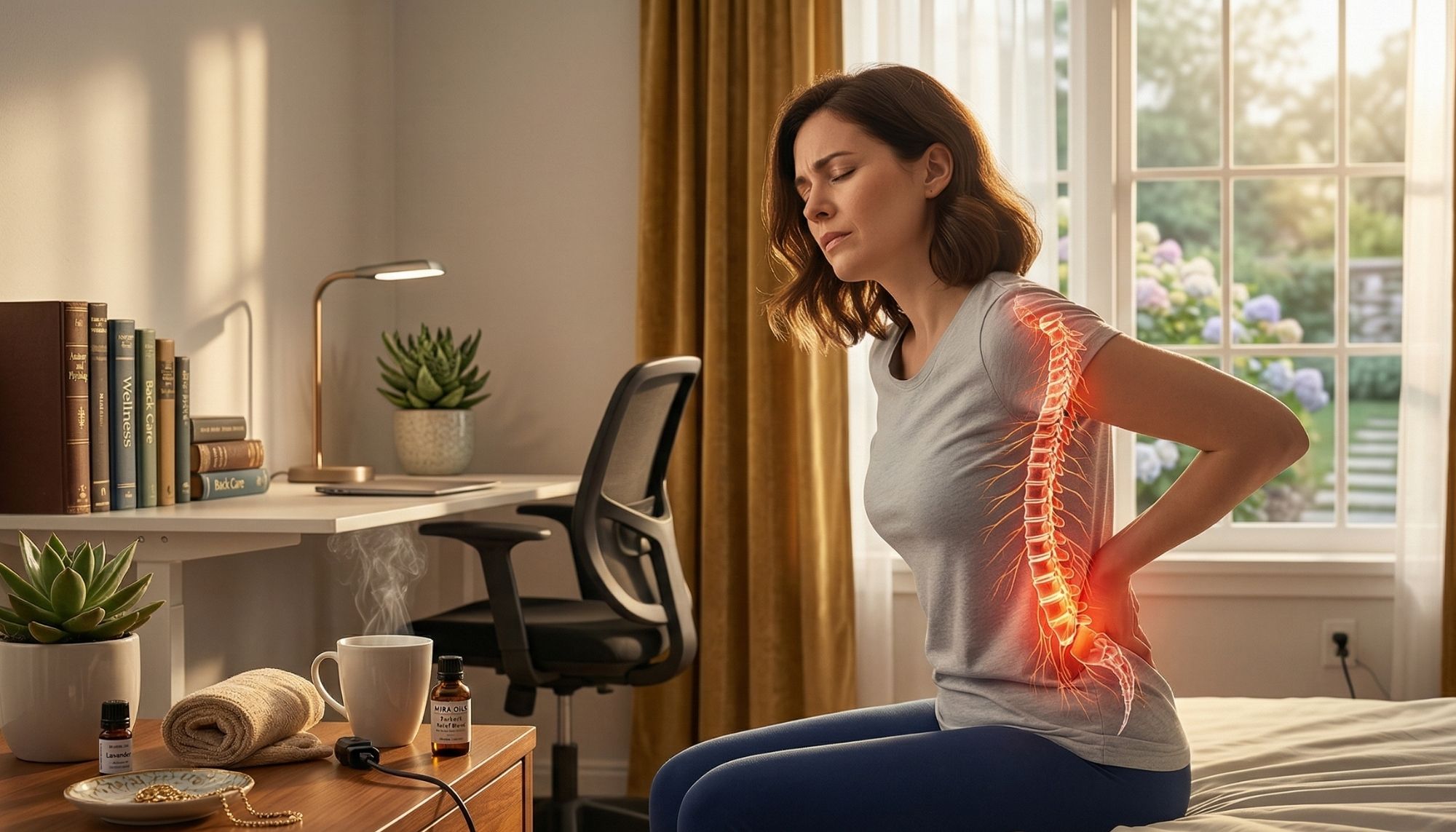
Myofascial Pain Syndrome is a chronic pain disorder where pressure on sensitive points in the muscles (trigger points) causes deep, aching pain in the muscle and sometimes in seemingly unrelated parts of the body (referred pain). For some people, it starts after a repetitive motion or a muscle injury. For others, it becomes a severe, recurring problem connected with prolonged desk work, poor posture, high stress, or chronic muscle tension.
At Sai Ayush Ayurveda Hospital, Hyderabad, Ayurvedic myofascial pain treatment is planned under doctor supervision after understanding the person's pain pattern, exact trigger point locations, occupational posture, stress levels, medical history, and severity of symptoms. Our approach combines classical Ayurveda, targeted localized heat therapies, deep external oil-based treatments, stress management, and postural guidance where clinically suitable.
The aim is not just temporary comfort. The focus is to safely release the deep muscle knots, improve local blood circulation to the tight fascia, support nervous system relaxation, reduce postural strain, and guide the patient toward a balanced routine to prevent recurring trigger points.
- Condition focus: Unrelenting muscle knots, referred pain, stiff upper back, chronic trapezius locking.
- Key therapies: Churna Pinda Sweda, Jambeera Pinda Sweda, Marma Therapy, Pizhichil.
Quick Reference Matrix
| PARAMETER CLINICAL DIRECTION | |
| Who it may suit | Office workers and drivers suffering from agonizing, hard 'ropes' of muscle in the upper back or hips that cause shooting pain when pressed. |
| Who should avoid | The pain is associated with an autoimmune catastrophic failure or severe global fibromyalgia requiring a completely systemic approach. |
| Typical duration | 7 to 14 days of sustained localized fascial release therapies. |
Clinical Care Framework
This specialized program follows our integrated ANP³ medical model for fast, sustainable healing.
- Treatment Model: ANP³ (Ayurveda, Naturopathy, Physiotherapy)
- Supervision: Senior Ayurvedic Clinical Team
- Target Conditions: Myofascial Pain Syndrome, Trigger Points, Fascial Tightness
- Setting: Hospital Environment (KPHB OP/IP, Madinaguda OP)
- Duration: Typically 10 to 14 days
- Safety Protocol: Rigorous pre-treatment clinical evaluation required
What Is Myofascial Pain Syndrome?
Myofascial Pain Syndrome is a chronic condition that affects the fascia (connective tissue that covers the muscles). It is characterized by 'trigger points'—tight bands of muscle that are highly sensitive to pressure.
Myofascial pain may be associated with:
- Deep, aching, throbbing muscle pain
- Tender knots in the muscle that you can feel under the skin
- Pain that worsens with movement or pressure on the knot
- Referred pain (e.g., pressing a knot in the shoulder causes a headache)
- Muscle stiffness and restricted range of motion
- Poor sleep due to the constant dull ache
- Repetitive occupational strain (like computer use)
- High levels of psychological stress causing muscle clenching
Common Symptoms of Myofascial Pain Syndrome
People with myofascial pain syndrome may experience:
- Chronic or sharp pain in the affected area
- Reduced mobility or stiffness
- Associated discomfort that affects daily activities
Ayurvedic View of Myofascial Pain
In Ayurveda, myofascial pain is understood as 'Mamsa Gata Vata' combined with 'Avarana' (blockage). Aggravated Vata dosha, often mixed with Ama (toxins) or Kapha, localizes in the muscle tissue (Mamsa Dhatu). This creates dry, cold, hard knots (Granthi) that block normal energy and blood flow.
Ayurvedic myofascial care focuses on:
- Balancing aggravated Vata through deep, warm lubrication (Snehana)
- Melting the hard fascial knots (Granthi Bhedana) with intense heat therapies
- Improving local circulation to wash away accumulated lactic acid and toxins
- Relaxing the nervous system (Majja Dhatu) to reduce stress-induced clenching
- Strengthening the muscles to handle daily postural strain
- Preventing repeated flare-ups through ergonomic correction
Who Should Avoid Immediate Ayurvedic Therapy?
Certain deep-tissue and intensive thermal therapies are strictly contraindicated and must be avoided by:
- Individuals with acute, unhealed, or massive bone fractures
- Patients presenting with massive, hot, highly infectious joint swelling (septic arthritis)
- Individuals with complete, full-thickness ligament/tendon tears requiring immediate orthopedic surgery
- Pregnant women (unless specific, highly gentle OP care is explicitly advised by the physician)
How is the Treatment Performed?
Every treatment plan is bespoke and typically follows this clinical framework:
- Detailed Ayurvedic Consultation: The doctor reviews your symptoms, duration of chronic aching, exact locations of the tight muscle knots (like the upper back or neck), occupational habits, and stress levels. Differentiating this from fibromyalgia or nerve compression is a key part of the assessment.
- Medicated Oil Application (Targeted Abhyanga): Abhyanga is a medicated oil massage performed by trained therapists under medical guidance. For myofascial pain, the treatment focuses heavily on the affected muscle bands. Warm, Vata-pacifying oil is applied to help improve local blood circulation and soften the hardened fascia.
- Deep Localised Swedana (Fomentation): Swedana refers to therapeutic sweating or deep heat application. It is vital for myofascial pain. Deep, penetrating heat (like Nadi Sweda) is directed at the trigger points to help increase blood flow, wash away accumulated metabolic waste in the knot, and force the muscle fibers to relax.
- Kizhi Therapies (Herbal Bolus): In selected patients with stubborn, chronic trigger points, warm herbal boluses (Patra Pinda Sweda or Churna Pinda Sweda) may be firmly pressed into the tight muscles. This provides sustained herbal warmth and mechanical pressure to help melt the deep fascial stiffness.
- Panchakarma Support Where Clinically Indicated: For chronic pain driven by systemic Vata aggravation, chronic stress, or poor digestion, Panchakarma may be considered after consultation. Procedures like Basti (medicated enemas) or Nasya (for upper body pain) are traditionally used to calm the nervous system.
- Physiotherapy, Posture, and Stress Guidance: At Sai Ayush Ayurveda Hospital, care heavily includes posture correction and stretching. Ayurvedic therapies release the knots, but ergonomic changes and doctor-guided stretching are mandatory to prevent the muscles from shortening and knotting up again.
Conditions Where Ayurvedic Care May Help Support Recovery
- Chronic muscle knots and trigger points
- Deep, dull aching in the upper back and shoulders
- Tension headaches referred from neck muscle knots
- Chronic tightness in the glutes or lower back
- Postural muscle strain from desk work
- Supportive care alongside modern pain management
- Muscle stiffness associated with chronic stress
Why Choose Sai Ayush Ayurveda Hospital for Treatment in Hyderabad?
- Doctor-supervised Ayurvedic consultation
- Careful differentiation between myofascial pain, fibromyalgia, and joint issues
- Classical Kerala-style deep heat therapies (like Kizhi and Nadi Sweda)
- ANP³ approach: Ayurveda, Naturopathy and Physiotherapy
- OP and IP care options at Hyderabad branches
- Trained therapy team experienced in locating and treating trigger points
- Personalised posture, ergonomic, and stress management guidance
- Supportive care for chronic, stubborn muscle tightness
- Convenient access for KPHB, Kukatpally, Madinaguda, Miyapur, Hafeezpet, Chandanagar and nearby areas
What to Expect During Your Visit
During your first visit, you may be asked:
- Where exactly do you feel the deep ache or knots?
- Does pressing the knot cause pain to shoot to another area (like your head)?
- How many hours a day do you sit at a computer?
- Are you experiencing high levels of mental stress or anxiety?
- How is your sleep quality?
- Do you have previous MRI or X-ray reports?
- Are you taking muscle relaxants or painkillers?
Lifestyle Guidance for Myofascial Pain
- Ensure your computer monitor is at eye level to prevent constant neck strain
- Take micro-breaks every 30 minutes to gently stretch your shoulders and neck
- Apply a hot water bag to chronic knots at home to increase blood flow
- Practice deep breathing or meditation to stop unconscious muscle clenching
- Ensure you are properly hydrated to keep the fascia tissue supple
- Engage in gentle, full-body movements like swimming or yoga
- Avoid self-medication and random painkiller use
- Follow the complete therapy and stretching plan advised by the doctor
When Immediate Medical Attention Is Needed
Do not delay medical care if muscle pain is associated with:
- Sudden, severe chest pain radiating to the shoulder or jaw (seek emergency cardiac care)
- Pain accompanied by high fever, chills, or severe sweating
- Sudden, complete weakness or numbness in an arm or leg
- Pain following a severe trauma or fall
- A muscle knot that is rapidly growing, red, and hot (possible abscess or infection)
- Unexplained weight loss
Duration of Treatment
The duration of treatment heavily depends on the chronicity and severity of the condition. Acute strains may require 5 to 7 days of targeted OP therapies. Severe, chronic degenerative conditions may require comprehensive 14 to 28-day care protocols, potentially involving In-Patient (IP) admission for intensive daily monitoring.
Clinical Integration
Our ANP³ care model perfectly integrates classical Ayurveda with Naturopathy and Physiotherapy. We routinely manage patients who are on parallel allopathic medications for diabetes, hypertension, or pain management. We ensure complete safety by carefully reviewing your current prescriptions to explicitly prevent any adverse herb-drug interactions.
FAQ Section
Medical Disclaimer: Ayurveda provides supportive care and rehabilitation. We do not claim guaranteed "cures" or permanent solutions.
- Is Ayurvedic treatment useful for Myofascial Pain Syndrome? Ayurvedic treatment may help support myofascial pain management in selected cases by focusing on deep fascial relaxation, local heat application, Vata balance, posture correction, and personalised therapy. The right treatment depends on the chronicity.
- What is the difference between this and Fibromyalgia? Fibromyalgia causes widespread, generalized pain across the entire body with extreme fatigue. Myofascial pain is localized to specific tight bands of muscle (trigger points) that cause deep aching in that specific area.
- How many days are required for Ayurvedic treatment? The duration depends on the condition. Fresh, mild knots may release in a few sessions of deep Swedana. However, chronic knots caused by years of bad posture require a longer, sustained treatment plan combined with ergonomic changes.
- Can a muscle knot in my shoulder cause a headache? This is called 'referred pain'. Trigger points in the trapezius or neck muscles can trap nerves or refer pain signals up into the head, causing severe tension headaches. Treating the shoulder knot often resolves the headache.
- Does stress increase muscle pain and trigger points? Yes. High mental stress causes the body's 'fight or flight' system to constantly fire, leading to unconscious, continuous clenching of the jaw, neck, and shoulder muscles, eventually forming hard fascial knots.
- Do I need an MRI for diagnosing Myofascial Pain? Usually, myofascial pain is diagnosed clinically by feeling the trigger points. However, if the doctor suspects a herniated disc is causing the pain rather than just a muscle knot, they may advise an MRI.
- Are all treatments available at both branches? Sai Ayush Ayurveda Hospital provides consultation and therapy support in Hyderabad. Availability of specific therapies may vary by branch, so it is better to confirm while booking.
- Why should I avoid heavy massage on painful knots? Applying excessive, sudden force on a dry, chronic knot can tear muscle fibers and increase inflammation. Ayurveda uses warm oil and deep heat first to safely soften the tissue before applying therapeutic pressure.
Doctors Section
Meet the Best Ayurveda Doctors in Hyderabad
- Dr. Neha Pitla (Ayurveda) – Madinaguda, Hyderabad
- Dr. P.V Anjani (Ayurveda) – KPHB, Hyderabad
- Dr. Ravi Kumar (Naturopathy) – Madinaguda, Hyderabad
- Dr. Lakshmi Kamakshi Vagdevi (Ayurveda) – KPHB, Hyderabad
Medically Reviewed By: Dr. Pasalapudi Visalaanjani, B.A.M.S, MD (Kayachikitsa)
Registration No: 1146/A/2016
Disclaimer: The information provided is for educational purposes and should not replace professional medical advice. Outcomes may vary.