Ayurvedic Frozen Shoulder Treatment in Hyderabad
Ayurvedic Frozen Shoulder Treatment in Hyderabad
Approach: Holistic
Restored: Motion
De-Stiffening: Joint
Relief: Pain
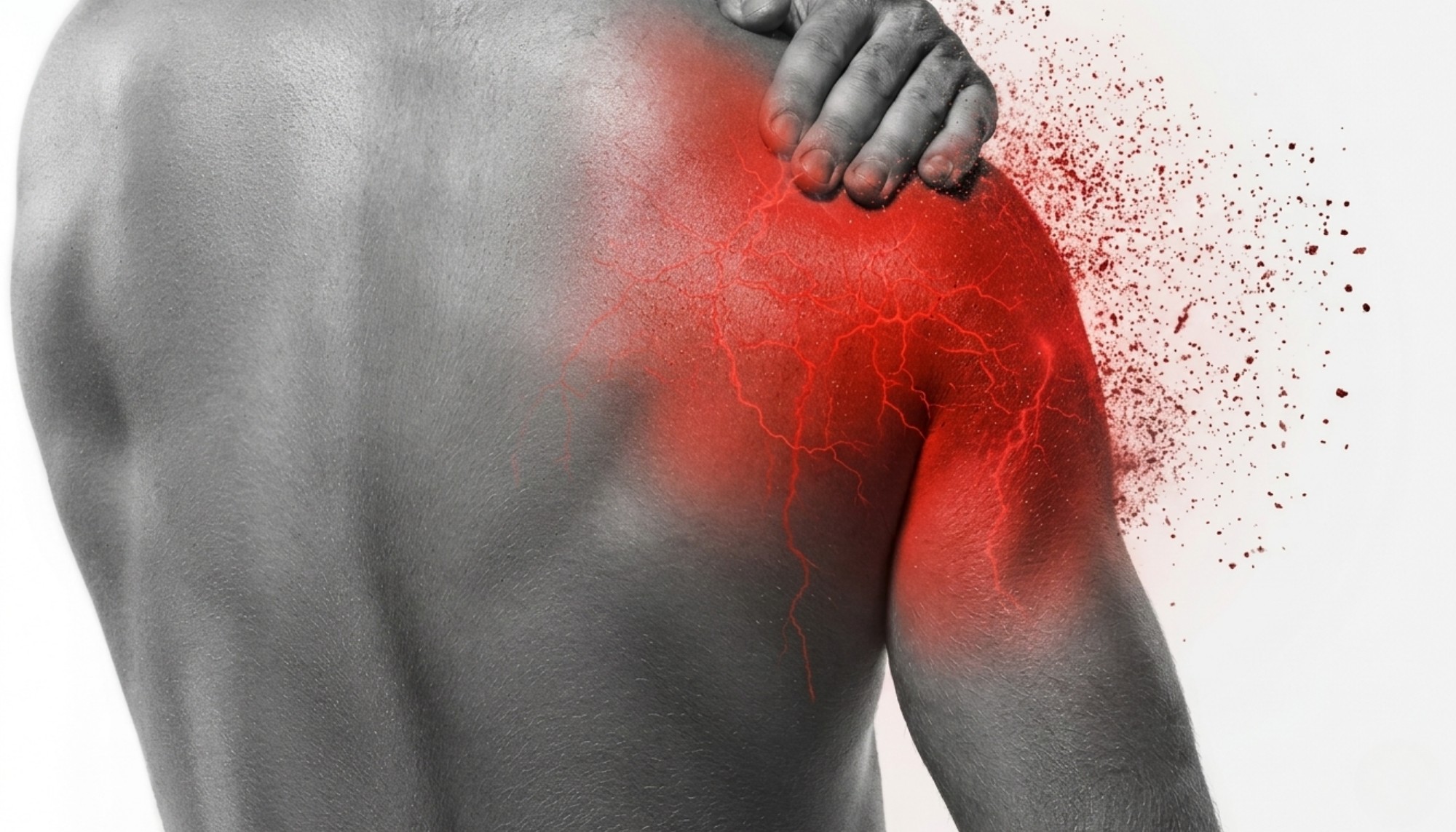
Sai Ayush Ayurveda Hospital provides authentic, physician-supervised Ayurvedic treatment for frozen shoulder in Hyderabad. This structured, clinical approach precisely targets severe adhesive capsulitis and shoulder stiffness using classical therapies like targeted Nasya and deeply healing Pizhichil (warm oil therapy). Designed specifically for patients seeking safe, non-surgical joint mobilization, all interventions are conducted under strict doctor oversight, with each patient's care planned after a thorough clinical assessment. A frozen shoulder (Adhesive Capsulitis) can severely affect daily movements like dressing, combing hair, reaching for items, and sleeping. For some people, it starts with a gradual, dull ache in the shoulder that slowly restricts movement over months. For others, it may be triggered by a minor injury, prolonged immobilization, or is strongly connected with diabetes or thyroid conditions. At Sai Ayush Ayurveda Hospital, Hyderabad, Ayurvedic frozen shoulder treatment is planned under doctor supervision after understanding the person's pain pattern, stage of stiffness (freezing, frozen, or thawing), medical history, body constitution, and severity of symptoms. Our approach combines classical Ayurveda, Panchakarma therapies, external oil-based treatments, physiotherapy support, diet correction, and lifestyle guidance where clinically suitable. The aim is not just temporary comfort. The focus is to support better shoulder mobility, soften the stiff joint capsule, improve muscle relaxation, manage the deep aching pain, and guide the patient toward safe, progressive range-of-motion recovery.
- Condition focus: Persistent shoulder pain, difficulty lifting the arm, reduced range of motion, stiffness (especially in the morning), pain that worsens at night.
- Key therapies: Abhyanga, Swedana, Pizhichil Therapy, Patra Pinda Sweda, Nasya Therapy.
Quick Reference Matrix
| PARAMETERCLINICAL DIRECTION | |
| Who it may suit | Patients seeking natural and holistic treatment to address the root cause of pain, reduce dependency on painkillers, and improve shoulder flexibility. |
| Who should avoid | Symptoms require acute surgical intervention for massive traumatic rotator cuff tears or dislocation. |
| Typical duration | Varies based on severity; improvement often noticed within a few weeks, while chronic cases may require longer. |
Clinical Care Framework
This specialized program follows our integrated ANP³ medical model for fast, sustainable healing.
- Treatment Model: ANP³ (Ayurveda, Naturopathy, Physiotherapy)
- Supervision: Senior Ayurvedic Clinical Team
- Target Conditions: Frozen Shoulder, Adhesive Capsulitis, Severe Stiffness
- Setting: Hospital Environment (KPHB OP/IP, Madinaguda OP)
- Duration: Extensive care program (Typically 14 to 21 days)
- Safety Protocol: Rigorous pre-treatment clinical evaluation required
What Is a Frozen Shoulder?
A frozen shoulder (Adhesive Capsulitis) occurs when the strong connective tissue surrounding the shoulder joint becomes thick, stiff, and inflamed. It typically develops in three stages: Freezing (painful stage), Frozen (stiff stage), and Thawing (recovery stage). Symptoms and risk factors may be associated with:
- Deep, dull aching pain in the shoulder
- Pain that severely disrupts sleep when lying on the affected side
- Inability to lift the arm overhead or reach behind the back
- Diabetes (diabetics have a much higher risk of developing it)
- Thyroid disorders
- Prolonged immobility after a shoulder injury or surgery
- Age between 40 and 60 years
- Gradual worsening of stiffness over months
Common Symptoms of Frozen Shoulder
People with frozen shoulder may experience:
- Chronic or sharp pain in the affected area
- Reduced mobility or stiffness
- Associated discomfort that affects daily activities
Ayurvedic View of Frozen Shoulder
In Ayurveda, a frozen shoulder is perfectly correlated with 'Apabahuka', a condition caused by the aggravation of Vata dosha in the shoulder joint (Amsa Sandhi), which dries up the local lubricating Kapha (Shleshaka Kapha). This leads to severe stiffness, pain, and restricted movement. Ayurvedic frozen shoulder care focuses on:
- Balancing aggravated Vata through heavy lubrication (Snehana)
- Melting the stiffness through intense heat therapies (Swedana)
- Supporting the surrounding muscle and nerve health
- Improving local circulation to the thick joint capsule
- Managing underlying metabolic issues like diabetes (which delays healing)
- Restoring mobility through guided, progressive movement
Who Should Avoid Immediate Ayurvedic Therapy?
Certain deep-tissue and intensive thermal therapies are strictly contraindicated and must be avoided by:
- Individuals with acute, unhealed, or massive bone fractures
- Patients presenting with massive, hot, highly infectious joint swelling (septic arthritis)
- Individuals with complete, full-thickness ligament/tendon tears requiring immediate orthopedic surgery
- Pregnant women (unless specific, highly gentle OP care is explicitly advised by the physician)
How Is Treatment Performed?
- Detailed Ayurvedic Consultation: The first step is a proper consultation with an Ayurvedic doctor. The doctor reviews your symptoms, duration of pain, exact movement restrictions (especially external rotation), medical history (like diabetes), and previous reports. Where needed, patients may be advised to bring or undergo diagnostic reports such as X-ray or MRI to rule out rotator cuff tears.
- Medicated Oil Application (Abhyanga): Abhyanga is a medicated oil massage performed by trained therapists under medical guidance. For a frozen shoulder, the treatment focuses on the shoulder joint, neck, upper back, and arm. The warm, Vata-pacifying oil helps improve local blood circulation and relaxes the surrounding tight muscles.
- Localised Swedana (Fomentation): Swedana refers to therapeutic sweating or fomentation. It is heavily used in frozen shoulder care to help soften the thickened, stiff joint capsule. Specific heat therapies like Nadi Sweda (localized steam) may be applied after oil application to support deep tissue relaxation.
- Patra Pinda Sweda or Other Kizhi Therapies: In selected patients, the doctor may advise Kizhi therapies using warm herbal leaves (Patra Pinda Sweda) or powders. These therapies provide sustained, penetrating heat and herbal nourishment, which are highly beneficial for chronic, stubborn joint stiffness.
- Panchakarma Support Where Clinically Indicated: For chronic or recurring stiffness, Panchakarma may be considered after consultation. Procedures like Nasya (nasal drops) are traditionally used in Ayurveda to manage upper body and shoulder disorders (Urdhwajatrugata rogas). The doctor will advise this depending on the person's condition and medical suitability.
- Physiotherapy and Movement Guidance: At Sai Ayush Ayurveda Hospital, frozen shoulder care heavily involves physiotherapy support and guided stretching. Ayurvedic therapies soften the tissues, but active, doctor-guided stretching is mandatory to actually break the stiffness and restore the shoulder's range of motion.
Conditions Where Ayurvedic Care May Help Support Recovery
Ayurvedic frozen shoulder treatment may be considered for:
- Adhesive capsulitis in the Freezing or Frozen stages
- Severe shoulder stiffness and pain
- Restricted overhead arm movement
- Diabetic frozen shoulder (under strict sugar control)
- Post-injury shoulder stiffness
- Chronic neck and shoulder tightness
- Supportive care to speed up the 'Thawing' stage
Why Choose Sai Ayush Ayurveda Hospital for Treatment in Hyderabad?
Sai Ayush Ayurveda Hospital follows a doctor-led approach for joint and mobility care. The focus is on personalised Ayurvedic care, not one-size-fits-all therapy. Key reasons patients choose Sai Ayush:
- Doctor-supervised Ayurvedic consultation
- Classical Kerala-style Kizhi and Swedana therapies
- Careful stage-based approach to avoid aggravating pain
- ANP³ approach: Ayurveda, Naturopathy and Physiotherapy
- OP and IP care options at Hyderabad branches
- Trained therapy team
- Personalised lifestyle, diabetic management, and movement guidance
- Supportive care for stubborn, chronic joint stiffness
- Convenient access for KPHB, Kukatpally, Madinaguda, Miyapur, Hafeezpet, Chandanagar and nearby areas
What to Expect During Your Visit
During your first visit, the doctor will understand your shoulder pain in detail. You may be asked:
- When did the pain and stiffness begin?
- Can you reach behind your back to tuck in a shirt or hook a bra?
- Is the pain disturbing your sleep?
- Do you have a history of diabetes or thyroid issues?
- Did you have any recent shoulder injuries or falls?
- Do you have previous MRI or X-ray reports?
- Are you taking any painkillers or undergoing physiotherapy?
Lifestyle Guidance for Frozen Shoulder
Along with Ayurvedic treatment, daily movement habits are vital for recovery. General guidance may include:
- Perform doctor-advised pendulum stretches and wall-crawling exercises daily
- Do not force the shoulder through extreme, sharp pain; stretch to the point of tension
- Keep your diabetes under strict control, as high sugar severely delays capsule healing
- Keep the shoulder warm; avoid direct AC drafts
- Avoid sleeping directly on the affected shoulder
- Use warm compresses at home to manage daily stiffness
- Avoid sudden, jerky lifting movements
- Avoid self-medication and random painkiller use
- Follow the complete therapy plan advised by the doctor
When Immediate Medical Attention Is Needed
Do not delay medical care if your shoulder pain is associated with:
- Sudden, severe pain and inability to move the arm after a fall or trauma
- Visible deformity or a large bulge in the shoulder joint
- Fever, redness, and severe heat in the shoulder
- Chest pain radiating to the left shoulder and jaw (seek emergency cardiac care)
- Sudden numbness or complete weakness in the arm or hand
Book Ayurvedic Frozen Shoulder Consultation in Hyderabad
If shoulder stiffness is affecting your daily activities, sleep, or mobility, consult the doctors at Sai Ayush Ayurveda Hospital, Hyderabad. Our team will assess your condition and guide you with a personalised Ayurvedic treatment plan that may include Kizhi therapies, Swedana, Panchakarma support, physiotherapy guidance, diet correction, and lifestyle care where suitable. [Book your consultation](/contact) today at Sai Ayush Ayurveda Hospital – KPHB or Madinaguda. Also Explore: • [Ayurvedic Neck Pain Treatment](/treatments/pain-spine/neck-pain) • [Ayurvedic Cervical Spondylosis Treatment](/treatments/pain-spine/cervical-spondylosis) • [Ayurvedic Joint Pain Treatment](/treatments/pain-spine/joint-pain)
Duration of Treatment
The duration of treatment heavily depends on the chronicity and severity of the condition. Acute strains may require 5 to 7 days of targeted OP therapies. Severe, chronic degenerative conditions may require comprehensive 14 to 28-day care protocols, potentially involving In-Patient (IP) admission for intensive daily monitoring.
Clinical Integration
Our ANP³ care model perfectly integrates classical Ayurveda with Naturopathy and Physiotherapy. We routinely manage patients who are on parallel allopathic medications for diabetes, hypertension, or uric acid control. We ensure complete safety by carefully reviewing your current prescriptions to explicitly prevent any adverse herb-drug interactions.
FAQ Section
- Is Ayurvedic treatment useful for a frozen shoulder?
- Ayurvedic treatment may help support frozen shoulder management in selected cases by focusing on softening the joint capsule, muscle relaxation, Vata balance, and guided physiotherapy. The right treatment depends on the stage of stiffness.
- Which Ayurvedic therapy is commonly used for shoulder stiffness?
- Deep heat therapies like Swedana (fomentation), Patra Pinda Sweda (herbal leaf bolus), and warm Abhyanga are commonly used. Panchakarma like Nasya may also be advised depending on the doctor's assessment.
- How many days are required for Ayurvedic treatment?
- A frozen shoulder is notoriously slow to heal. While pain may reduce relatively quickly, restoring full range of motion requires a longer, sustained treatment plan combined with daily physiotherapy. The doctor will suggest the duration after consultation.
- Can Ayurveda help if I also have diabetes?
- Yes, Ayurvedic care may support diabetic frozen shoulder cases. However, strict blood sugar control is mandatory. High blood sugar continuously stiffens the collagen in the joint capsule, delaying any therapy's effectiveness.
- Is forceful manipulation safe?
- Forceful, sudden, aggressive pulling of a frozen shoulder should be avoided as it can tear the joint capsule. Ayurvedic therapies aim to soften the tissues first, followed by safe, progressive, doctor-guided stretching.
- Do I need an MRI before Ayurvedic treatment?
- Not always. A clinical examination is often enough. However, if the doctor suspects a rotator cuff tear instead of a frozen shoulder, they may advise an MRI to ensure correct and safe therapy.
- Is frozen shoulder treatment available at both KPHB and Madinaguda?
- Sai Ayush Ayurveda Hospital provides frozen shoulder consultation and therapy support in Hyderabad. Availability of specific therapies may vary by branch, so it is better to confirm while booking.
- Can I continue my current medicines during Ayurvedic treatment?
- Do not stop existing medicines (like diabetic medications or thyroid pills) without medical advice. Inform the Ayurvedic doctor about all medicines so your care plan can be safely coordinated.
- Why is frozen shoulder pain worse at night?
- In Ayurveda, night time is naturally dominated by Vata and Kapha doshas. The cold, stagnant energy during sleep increases stiffness (Kapha) and sharp pain (Vata) in the highly restricted shoulder joint.
- Can I force my arm up to break the stiffness?
- Forcefully stretching a completely frozen shoulder can tear the highly inflamed capsule, causing severe damage. The stiffness must be 'melted' gradually using warm herbal therapies before gentle mobilization.
Medically Reviewed By: Dr. Pasalapudi Visalaanjani, B.A.M.S, MD (Kayachikitsa)
Registration No: 1146/A/2016
Disclaimer: The information provided is for educational purposes and should not replace professional medical advice. Outcomes may vary.