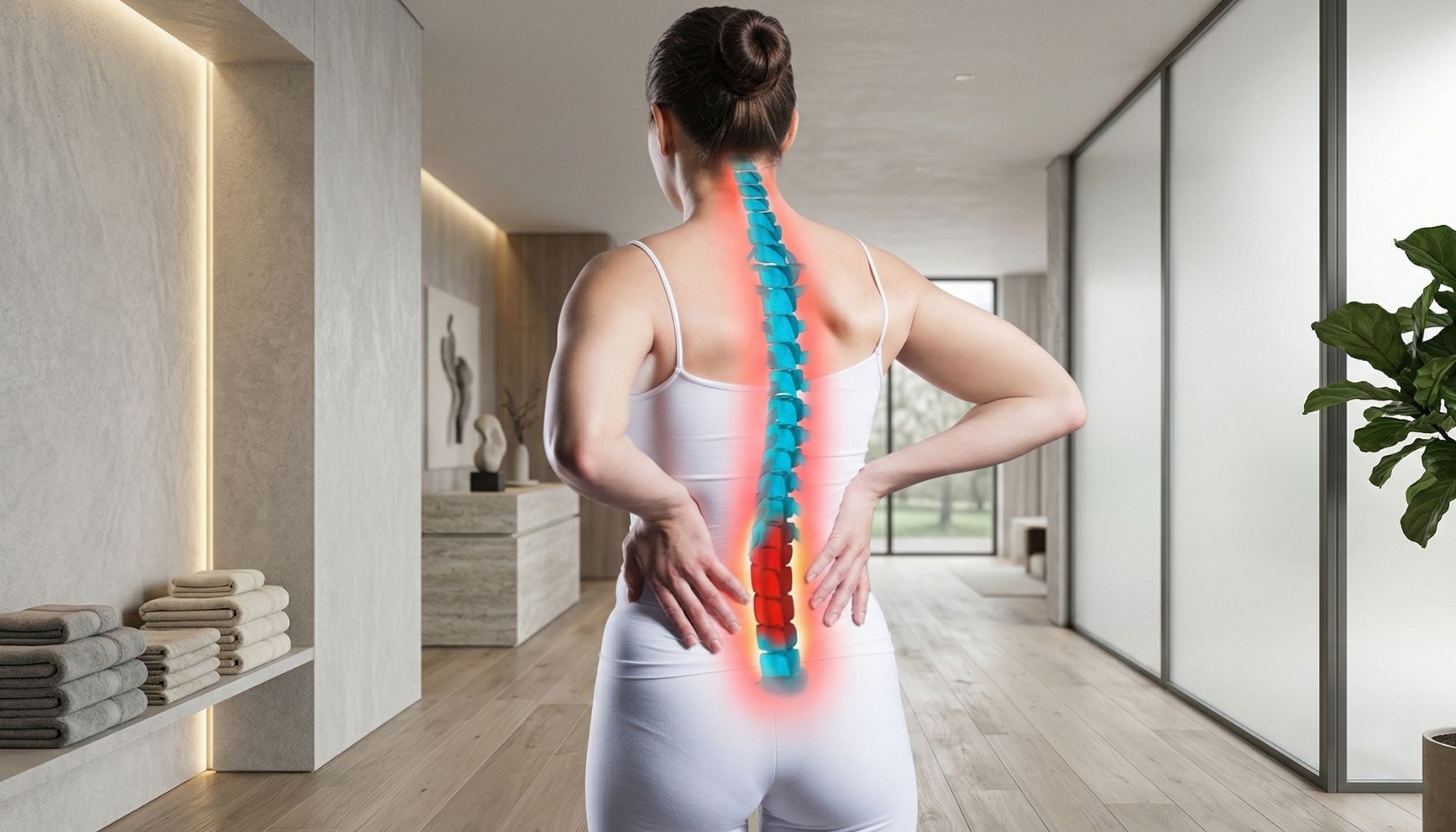
Ayurvedic Lumbar Spondylosis Treatment in Hyderabad
Ayurvedic Lumbar Spondylosis Treatment in Hyderabad
Days Protocol: 14–21
Nourishment: Bone
Toxic Care: Non
Focus: Vata
Sai Ayush Ayurveda Hospital provides authentic, physician-supervised Ayurvedic treatment for lumbar spondylosis in Hyderabad. This structured, clinical approach precisely targets chronic lower back degeneration, stiffness, and facet joint arthritis using classical therapies like targeted Kati Basti and deeply healing Matra Basti (therapeutic enema). Designed specifically for patients seeking safe, non-surgical management of lower spine arthritis, all interventions are conducted under strict doctor oversight, with each patient's care planned after a thorough clinical assessment. Lumbar spondylosis is a lower back condition commonly linked with age-related changes in the lumbar spine. It may cause lower back pain, stiffness, difficulty bending, pain after long sitting, reduced flexibility, muscle tightness, and sometimes pain or tingling that travels toward the hip, thigh, or leg. At Sai Ayush Ayurveda Hospital, Hyderabad, Ayurvedic lumbar spondylosis treatment is planned after a detailed doctor consultation. Our approach focuses on understanding the patient’s pain pattern, posture, work routine, movement restriction, previous reports, body constitution, medical history, and lifestyle habits. The treatment plan may include classical Ayurvedic therapies, Panchakarma support where suitable, medicated oil applications, spine-focused therapies, physiotherapy guidance, posture correction, diet advice, and lifestyle modification. The goal is to support better lower back mobility, reduce stiffness, relax tense muscles, and guide patients toward safer long-term spine care.
- Condition focus: Lower back osteoarthritis, facet arthropathy, morning back stiffness, lumbar bone spurs.
- Key therapies: Kati Basti, Matra Basti (Enema), Dashamoola Kashaya, Lepana.
Quick Reference Matrix
| PARAMETERCLINICAL DIRECTION | |
| Who it may suit | Patients suffering from generalized chronic aching in the lower back that worsens with prolonged standing or bending backwards. |
| Who should avoid | Symptoms include rapidly progressing numbness in both legs (bilateral radiculopathy) or spinal fractures (spondylolisthesis) requiring surgical fusion. |
| Typical duration | 14 to 28 days for substantial restoration of joint space fluidity. |
Clinical Care Framework
This specialized program follows our integrated ANP³ medical model for fast, sustainable healing.
- Treatment Model: ANP³ (Ayurveda, Naturopathy, Physiotherapy)
- Supervision: Senior Ayurvedic Clinical Team
- Target Conditions: Lumbar Spondylosis, Lower Back Stiffness, Facet Joint Arthritis
- Setting: Hospital Environment (KPHB OP/IP, Madinaguda OP)
- Duration: Typically 14 to 21 days
- Safety Protocol: Rigorous pre-treatment clinical evaluation required
What Is Lumbar Spondylosis?
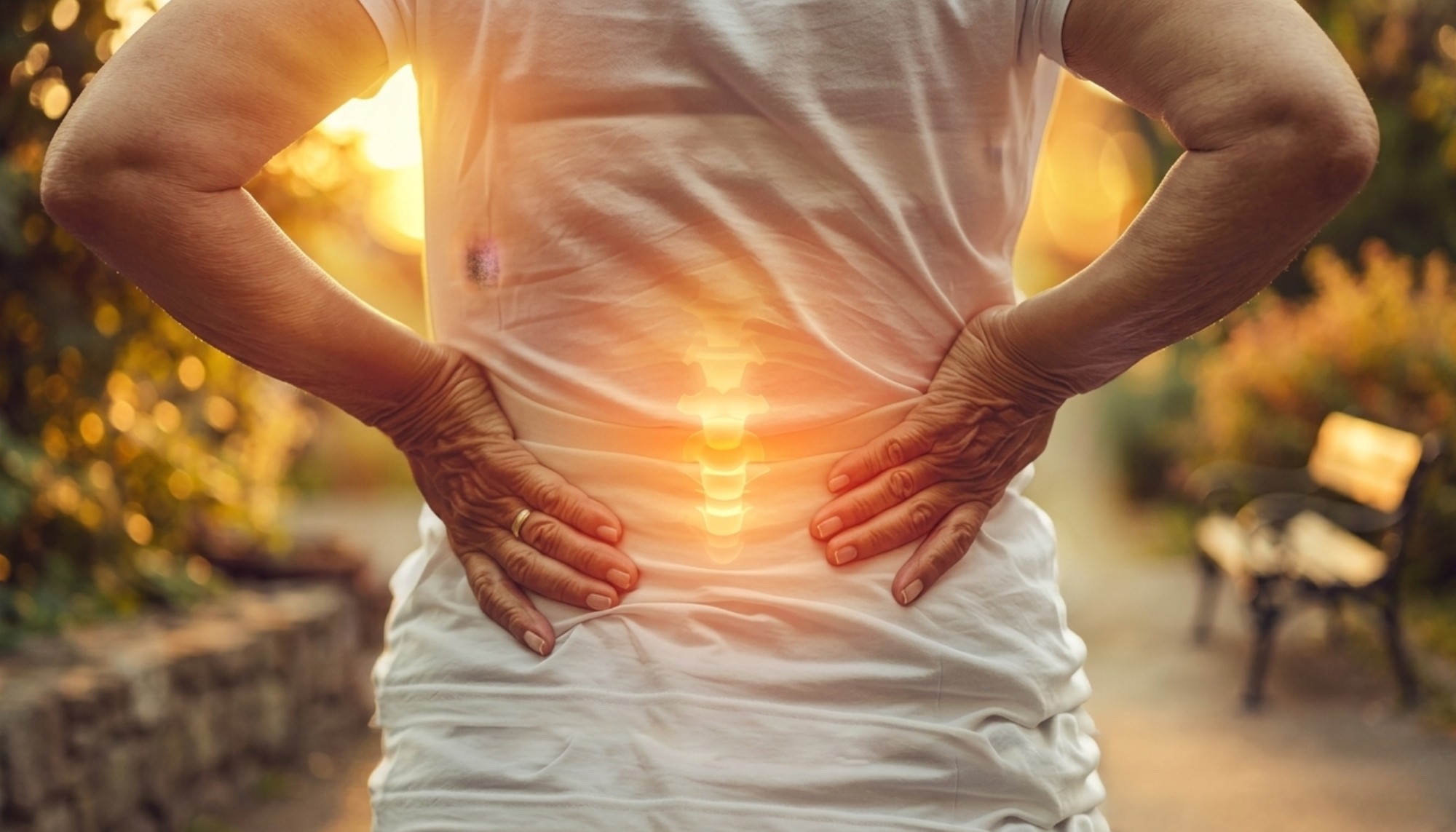
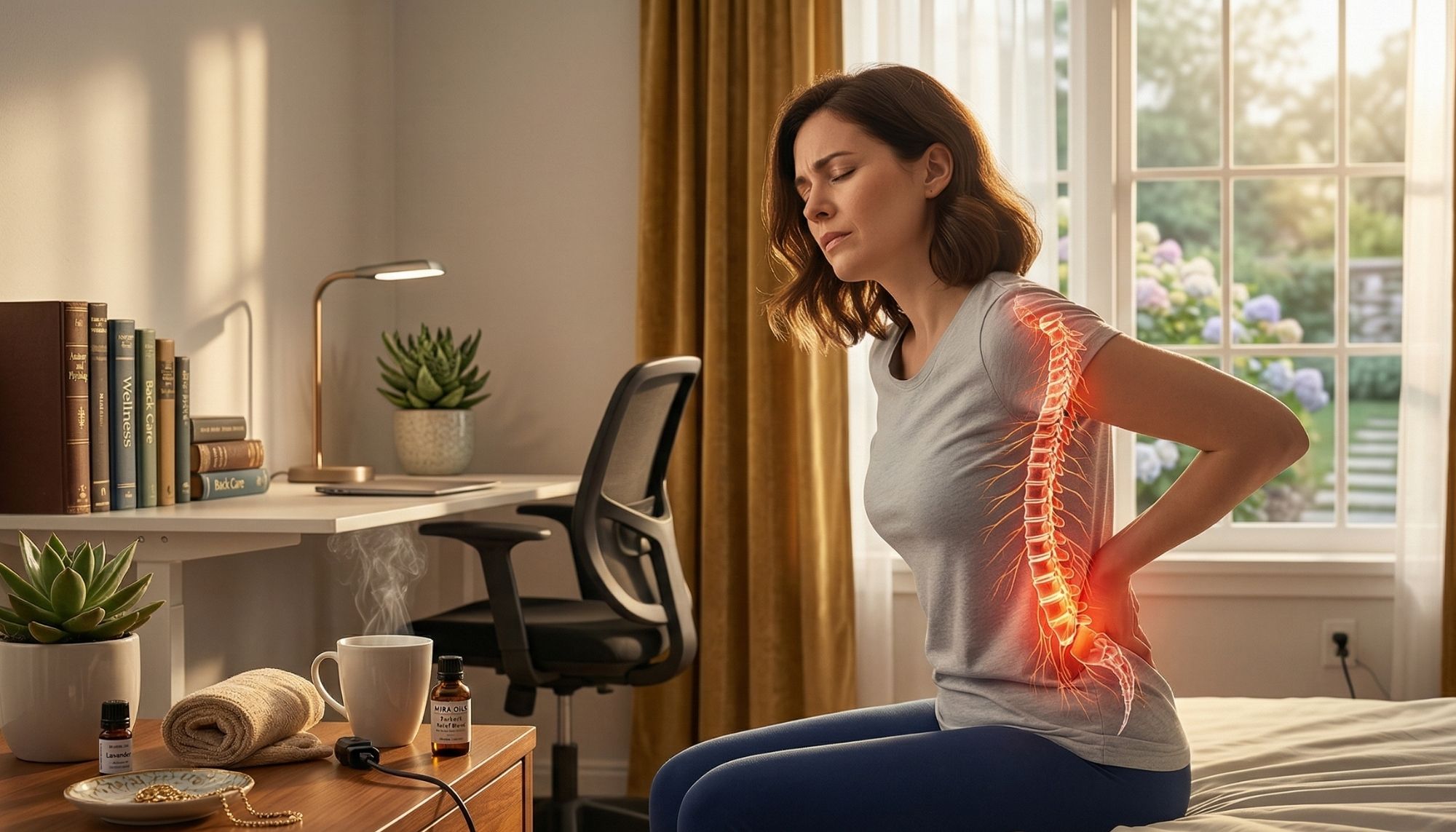
Lumbar spondylosis refers to degenerative or wear-and-tear changes affecting the lower spine. It may involve the discs, vertebrae, facet joints, ligaments, and surrounding soft tissues. Many people develop these changes with age, but symptoms vary from person to person. Some people may have lumbar spondylosis on X-ray or MRI without severe pain. Others may experience back stiffness, recurring pain, or nerve-related symptoms if nearby structures are irritated. The most common symptom is lower back pain, and some patients may also experience pain, weakness, or numbness in the legs when nerves are affected. Common symptoms may include:
- Lower back pain
- Morning stiffness
- Difficulty bending forward
- Pain after long sitting or standing
- Stiffness while getting up from bed or chair
- Pain spreading to the hip, buttock, thigh, or leg
- Tingling or numbness in selected cases
- Muscle tightness or spasm
- Reduced flexibility
- Pain that increases after travel, strain, or poor posture
Common Symptoms of Lumbar Spondylosis
There are multiple reasons for lumbar spondylosis:
- 1. Age-Related Spine Changes: With age, spinal discs may gradually lose hydration and flexibility. Facet joints and surrounding structures may also undergo wear-and-tear changes, leading to stiffness and lower back discomfort.
- 2. Long Sitting and Poor Posture: Continuous sitting, laptop work, driving, mobile use, or lack of back support can increase pressure on the lumbar spine.
- 3. Weak Core and Back Muscles: Weak abdominal, hip, and back muscles can increase load on the lower spine and worsen recurring pain.
- 4. Obesity and Sedentary Lifestyle: Extra body weight and low physical activity may increase stress on the lower back and joints.
- 5. Repetitive Bending or Heavy Work: People involved in frequent bending, lifting, long travel, or physically demanding work may experience repeated lower back strain.
- 6. Previous Injury or Disc Problems: Past falls, accidents, sports injuries, disc bulge, or sciatica-type nerve irritation may contribute to recurring lower back symptoms.
Ayurvedic View of Lumbar Spondylosis
In Ayurveda, lumbar spondylosis-like symptoms are commonly assessed through Vata imbalance, especially when pain is associated with stiffness, dryness, restricted movement, cracking sensation, radiating discomfort, or recurring flare-ups. Depending on the symptoms, the doctor may also assess: • Ama involvement – heaviness, stiffness, sluggishness and poor digestion • Kapha involvement – swelling, heaviness and restricted movement • Pitta involvement – burning, heat or inflammatory signs • Mamsa and Asthi Dhatu involvement – muscle and bone/joint support concerns Ayurvedic care focuses on:
- Supporting Vata balance
- Reducing lower back stiffness
- Relaxing tense muscles
- Supporting joint and spine mobility
- Improving local comfort through medicated oil therapies
- Supporting digestion and metabolism where needed
- Correcting posture and daily habits
- Helping reduce repeated flare-ups through lifestyle guidance
Who Should Avoid Immediate Ayurvedic Therapy?
Certain deep-tissue and intensive thermal therapies are strictly contraindicated and must be avoided by:
- Individuals with acute, unhealed, or massive bone fractures
- Patients presenting with massive, hot, highly infectious joint swelling (septic arthritis)
- Individuals with complete, full-thickness ligament/tendon tears requiring immediate orthopedic surgery
- Pregnant women (unless specific, highly gentle OP care is explicitly advised by the physician)
How Is Treatment Performed?
- Detailed Ayurvedic Consultation: The doctor may assess: • Duration and severity of lower back pain • Whether pain is local or radiating to the leg • Tingling, numbness, weakness, or heaviness • Difficulty sitting, walking, bending, sleeping, or climbing stairs • Previous X-ray, MRI, CT scan, or blood reports • History of disc bulge, sciatica, arthritis, injury, or surgery • Work posture, travel routine and physical activity • Body weight, digestion, sleep and lifestyle habits • Diabetes, hypertension, thyroid, obesity, kidney concerns or other conditions • Current medicines and previous treatments This helps decide whether Ayurvedic care is suitable as primary care, supportive care, or part of a broader medical plan.
- Kati Basti for Lower Back Stiffness: Kati Basti is a classical Ayurvedic therapy where warm medicated oil is retained over the lower back using a dough boundary. It may be advised in selected cases of lower back stiffness, lumbar spondylosis-related discomfort, muscle tightness, and Vata-dominant pain. Kati Basti may help support: • Lower back muscle relaxation • Stiffness reduction • Local comfort in the lumbar region • Better movement in selected cases • Supportive care for posture-related lower back strain The oil, duration, temperature, and number of sessions are decided by the doctor.
- Abhyanga and Localised Spine Therapy: Medicated oil application and localised therapy may be advised for lower back, hip, thigh, or leg stiffness depending on the pain pattern. These therapies should be done by trained therapists under doctor guidance. For lumbar spondylosis patients, pressure and technique must be selected carefully. Strong massage, forceful manipulation, or unsupervised therapy may not be suitable for everyone.
- Swedana or Herbal Fomentation: Swedana may be used in selected cases to support muscle relaxation and reduce stiffness. It is commonly considered when pain is stiffness-dominant and Vata-related. However, heat-based therapy may not be suitable for every patient, especially in acute inflammation, severe burning sensation, fever, active swelling, or certain medical conditions. The doctor decides whether Swedana is suitable.
- Kizhi Therapies: Kizhi therapies may be selected depending on the type of pain, stiffness, and body condition. Herbal leaf bolus, powder bolus, or other classical preparations may be used in suitable cases to support local comfort and mobility. Kizhi may be considered for: • Chronic lower back stiffness • Muscle tightness • Non-acute Vata-dominant pain • Recurrent lumbar discomfort • Lower back and hip-region stiffness
- Panchakarma Support Where Suitable: For chronic, recurring, or Vata-dominant lumbar spondylosis symptoms, Panchakarma may be considered after proper consultation. Basti is traditionally important in Vata management and may be included where clinically appropriate. Depending on the case, the doctor may advise: • Basti-based Vata management • Internal Ayurvedic medicines where suitable • Diet correction • Rest and activity planning • Local therapy schedule • Physiotherapy and rehabilitation guidance • Lifestyle support for long-term spine care Panchakarma should not be taken like a general wellness package. It must be planned carefully, especially for elderly patients, patients with nerve symptoms, diabetes, hypertension, kidney issues, previous surgery, disc bulge, or ongoing medication use.
- Physiotherapy and Spine Rehabilitation Guidance: Lumbar spondylosis care often needs posture correction, movement training, and muscle support. NICE guidance for low back pain and sciatica supports assessment-based management and exercise-based care for suitable patients. At Sai Ayush Ayurveda Hospital, physiotherapy guidance may include: • Gentle mobility exercises • Core strengthening guidance • Hip and lower back stability training • Walking and sitting correction • Safe bending and lifting advice • Ergonomic guidance for desk workers • Mattress and sleeping-position guidance • Return-to-work and return-to-activity planning Exercises should be done only as advised. Wrong exercise selection may aggravate pain in some patients.
Conditions Where Ayurvedic Lumbar Spondylosis Care May Support
Ayurvedic lumbar spondylosis care may be considered for selected cases of:
- Lower back pain
- Lumbar spine stiffness
- Lumbar spondylosis
- Degenerative lower back pain
- Back stiffness after long sitting
- Muscle spasm in the lower back
- Sciatica-type discomfort under medical supervision
- Hip and lower back stiffness
- Chronic recurring back pain
- Posture-related lower back pain
- Age-related lumbar spine discomfort
- Disc-related stiffness after doctor assessment
Why Choose Sai Ayush Ayurveda Hospital for Lumbar Spondylosis Treatment in Hyderabad?
Sai Ayush Ayurveda Hospital follows a doctor-led, personalised approach for spine and pain management. Key reasons patients choose Sai Ayush:
- Doctor-supervised Ayurvedic consultation with expert [Ayurvedic Doctors in Hyderabad](/doctors)
- Personalised lumbar spondylosis treatment plan
- Classical Ayurveda and Kerala-style [Panchakarma Treatments in Hyderabad](/treatments) therapies
- Kati Basti and lower-back-focused therapies
- ANP³ approach: Ayurveda, Naturopathy and Physiotherapy
- Physiotherapy and posture guidance where needed
- Trained therapy team
- OP and IP care options at Hyderabad branches
- Support for lower back pain, sciatica-type pain and spine stiffness
- Convenient access for KPHB, Kukatpally, Madinaguda, Miyapur, Hafeezpet, Chandanagar and nearby areas
Local Lumbar Spondylosis Treatment Support in Hyderabad
Patients searching for Ayurvedic lumbar spondylosis treatment in Hyderabad often look for doctor-guided spine care near their location. Sai Ayush Ayurveda Hospital supports patients from:
- KPHB
- Kukatpally
- Madinaguda
- Miyapur
- Hafeezpet
- Chandanagar
- Hitech City
- Nizampet
- BHEL
- Lingampally
- Kondapur
When Lumbar Spondylosis Needs Immediate Medical Attention
Do not delay medical care if lower back pain is associated with:
- Loss of bladder or bowel control
- Numbness around the private area
- Progressive leg weakness
- Difficulty walking or balancing
- Severe pain after accident or fall
- Pain with fever
- Unexplained weight loss
- Pain that is rapidly worsening
- Numbness or weakness in both legs
Lifestyle Guidance for Lumbar Spondylosis
Along with treatment, daily habits are important for lower back care. General guidance may include:
- Avoid long sitting without breaks
- Keep the laptop or monitor at proper height
- Use proper back support while sitting
- Avoid bending suddenly from the waist
- Avoid lifting heavy objects without guidance
- Avoid sleeping on very soft mattresses
- Maintain healthy body weight
- Follow doctor-advised exercises only
- Avoid aggressive massage or forceful manipulation
- Avoid self-medication with painkillers
- Follow the complete treatment plan advised by the doctor
Book Ayurvedic Lumbar Spondylosis Consultation in Hyderabad
If lower back pain, stiffness, radiating leg discomfort, or difficulty sitting and walking is affecting daily life, consult the doctors at [About Sai Ayush Ayurveda Hospital](/about/sai-ayush), Hyderabad. Our team will assess your condition and suggest a personalised Ayurvedic care plan that may include Kati Basti, Panchakarma support, medicated oil therapies, physiotherapy guidance, posture correction, diet advice, and lifestyle care where suitable. [Book Appointment](/contact) today at Sai Ayush Ayurveda Hospital – KPHB or Madinaguda. Also Explore: • For general lower back pain, patients can also read about our [Ayurvedic Back Pain Treatment in Hyderabad](/treatments/pain-spine/back-pain). • If MRI reports mention disc bulge, visit our [Ayurvedic Disc Bulge Treatment in Hyderabad](/treatments/pain-spine/disc-bulge) page. • For leg-radiating pain or sciatica-type discomfort, learn more about [Ayurvedic Sciatica Treatment](/treatments/pain-spine/sciatica). • To understand our broader spine-care services, visit [Pain and Spine Treatments](/treatments/pain-spine). • [Ayurvedic Cervical Spondylosis Treatment in Hyderabad](/treatments/pain-spine/cervical-spondylosis) • [Ayurvedic Joint Pain Treatment in Hyderabad](/treatments/pain-spine/joint-pain) • [Ayurvedic Treatment for Knee Pain](/treatments/pain-spine/knee-pain) • [Ayurvedic Treatment for Muscle Spasm](/treatments/pain-spine/muscle-spasm) • [Neurological Care and Rehabilitation](/treatments/neurological-care-rehabilitation)
Duration of Treatment
The duration of treatment heavily depends on the chronicity and severity of the condition. Acute strains may require 5 to 7 days of targeted OP therapies. Severe, chronic degenerative conditions may require comprehensive 14 to 28-day care protocols, potentially involving In-Patient (IP) admission for intensive daily monitoring.
Clinical Integration
Our ANP³ care model perfectly integrates classical Ayurveda with Naturopathy and Physiotherapy. We routinely manage patients who are on parallel allopathic medications for diabetes, hypertension, or uric acid control. We ensure complete safety by carefully reviewing your current prescriptions to explicitly prevent any adverse herb-drug interactions.
FAQ Section
- Is Ayurvedic treatment useful for lumbar spondylosis?
- Ayurvedic treatment may support lumbar spondylosis management in selected cases by focusing on stiffness, Vata imbalance, muscle relaxation, posture correction, Panchakarma support, and lifestyle guidance. The right treatment depends on the severity, reports, and doctor assessment.
- Which Ayurvedic therapy is commonly used for lumbar spondylosis?
- Kati Basti is commonly used for lower back stiffness and lumbar spine discomfort in selected cases. Other therapies may include Abhyanga, Swedana, Kizhi, Basti-based Panchakarma, internal medicines, and physiotherapy support.
- Can Ayurveda cure lumbar spondylosis permanently?
- It is better to avoid cure or permanent-result claims. Ayurvedic care may help support pain management, stiffness reduction, mobility, and lifestyle correction in suitable cases. Advanced degeneration or nerve compression needs proper medical evaluation.
- Can Ayurveda help with lower back pain going to the leg?
- Ayurvedic care may support selected sciatica-type cases through doctor-supervised therapies, Panchakarma, posture correction, and physiotherapy guidance. Severe leg weakness, numbness, or bladder/bowel symptoms need urgent medical evaluation.
- Is Panchakarma required for every lumbar spondylosis patient?
- No. Panchakarma is not required for every patient. Some patients may need local therapies, medicines, exercises, posture correction, and lifestyle changes. The doctor decides based on the condition.
- Should I bring my MRI or X-ray reports?
- Yes. If you already have MRI, X-ray, CT scan, or previous medical reports, bring them for consultation. Reports help the doctor understand the severity and related spine changes.
- How many days are required for Ayurvedic lumbar spondylosis treatment?
- The duration depends on age, severity, pain duration, stiffness, radiating symptoms, reports, lifestyle, and medical history. Mild stiffness may need fewer sessions, while chronic cases may need a longer plan.
- Can I continue my current medicines during Ayurvedic treatment?
- Do not stop current medicines without medical advice. Inform the doctor about all medicines, reports, and previous treatments so your care plan can be coordinated safely.
- Is lumbar spondylosis treatment available at KPHB and Madinaguda?
- Sai Ayush Ayurveda Hospital provides Ayurvedic consultation and therapy support in Hyderabad. Specific therapy availability may vary by branch, so confirm while booking your appointment.
- When should lumbar spondylosis not be ignored?
- Do not ignore lower back pain with progressive weakness, numbness, walking difficulty, loss of bladder or bowel control, severe pain after injury, fever, or rapidly worsening symptoms.
Medically Reviewed By: Dr. Pasalapudi Visalaanjani, B.A.M.S, MD (Kayachikitsa)
Registration No: 1146/A/2016
Disclaimer: The information provided is for educational purposes and should not replace professional medical advice. Outcomes may vary.