

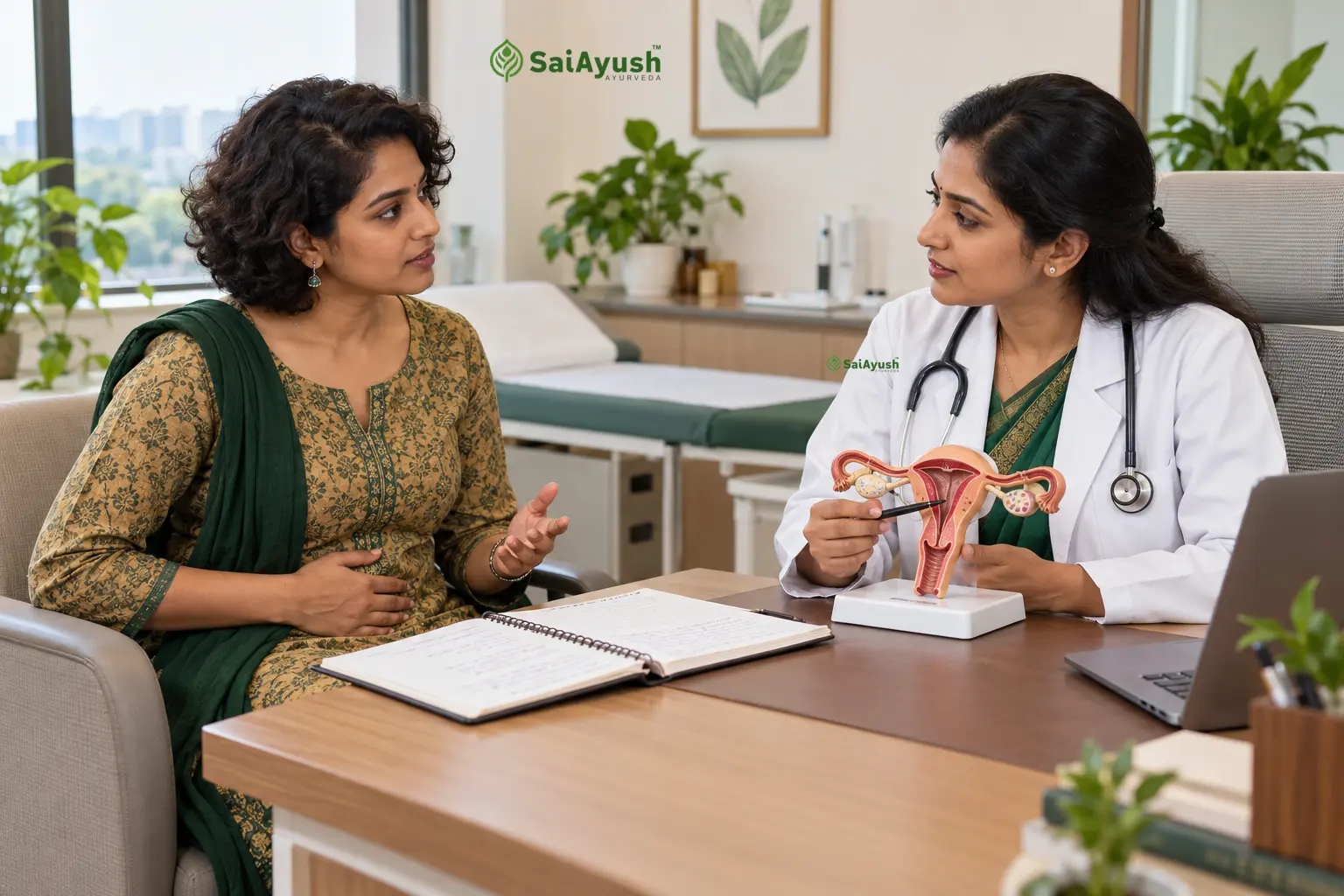
Endometriosis is a condition where tissue similar to the uterine lining grows outside the uterus, most often causing pain that is noticeably worse than typical period cramps. It can affect the ovaries, fallopian tubes and pelvic lining, and because this misplaced tissue still responds to the menstrual cycle, it can bleed internally each month with no way to exit the body. This is what distinguishes it from ordinary menstrual discomfort, and why persistent, severe pelvic pain deserves a proper clinical assessment rather than being managed with painkillers alone.
Common Symptoms of Endometriosis
- Severe pelvic pain during periods that is noticeably worse than typical cramps
- Pain during or after intercourse
- Pain with bowel movements or urination, particularly during menstruation
- Chronic lower back or abdominal pain, including outside of periods
- Heavy periods with large clots
- Difficulty conceiving
Severity of pain does not always match the extent of disease visible on imaging; some women with extensive endometriosis have mild symptoms, while others with limited disease experience severe pain.
Causes and Risk Factors
The exact cause of endometriosis is not fully understood. Several theories are commonly discussed, including retrograde menstruation (where menstrual blood flows backward through the fallopian tubes), immune system factors, and a genetic predisposition, since the condition is more common in women with a close relative who also has it. No single cause has been confirmed, and research is ongoing.
Why Endometriosis Pain Differs From Normal Period Pain
Endometriosis is often confused with other causes of heavy or painful periods. Conditions such as adenomyosis (where uterine lining tissue grows into the muscle wall of the uterus) and uterine fibroids can cause similar heavy bleeding and pelvic pressure, but involve different tissue changes and are managed differently. A proper pelvic examination and imaging help distinguish between these conditions, so a clear diagnosis matters before starting treatment.
Ayurvedic Perspective
In Ayurveda, endometriosis is often associated with a disruption of Apana Vata, the downward-moving energy linked to menstruation and elimination. When Apana Vata is obstructed, its movement is traditionally described as reversing direction (Udavarta), which is thought to correlate with the retrograde pattern seen in endometriosis. Over time, this is understood to create inflamed, blocked tissue involving aggravated Pitta and Kapha. Ayurvedic approaches traditionally focus on correcting this directional imbalance and reducing associated inflammation, alongside dietary and lifestyle guidance.
Modern Medical Perspective
Endometriosis is typically diagnosed through a combination of symptom history, pelvic examination, ultrasound or MRI, and in some cases, laparoscopic surgery, which remains the definitive diagnostic method. Treatment options range from pain management and hormonal therapy to surgery for more severe or treatment-resistant cases. The right approach depends on symptom severity, the extent of disease, and whether fertility is a current concern.
When to Seek Medical Care Urgently
Most endometriosis symptoms build up gradually, but some require prompt attention:
- Sudden, severe abdominal pain accompanied by fever and vomiting, which may indicate a ruptured ovarian cyst
- Heavy bleeding with signs of significant blood loss, such as dizziness or fainting
- Pain that is rapidly worsening or markedly different from your usual pattern
How Ayurveda May Support Management
Ayurvedic care for endometriosis is generally positioned as physician-supervised, supportive management for pain and quality of life, rather than a guaranteed way to eliminate existing tissue, since endometriosis is a structurally established condition. After a clinical assessment, care may include medicated Basti (enema) therapies, herbal formulations, and dietary guidance aimed at reducing inflammation. Our detailed Ayurvedic endometriosis care page outlines the assessment and therapy process used at Sai Ayush Ayurveda Hospital.
Practical Lifestyle Guidance
- Track your symptoms, including pain severity and timing relative to your cycle, to share with your doctor
- Discuss anti-inflammatory dietary changes with your doctor, since response to diet varies by individual
- Manage stress where possible, as chronic stress can worsen the perception of pain
- Do not rely on painkillers alone for persistent severe pain without a clinical diagnosis
- Keep a record of fertility goals and timelines to discuss at your consultation, since this affects treatment choice
Frequently Asked Questions
Is endometriosis the same as normal period pain?
No. While some discomfort during periods is common, endometriosis typically causes pain that is significantly more severe, often affects daily functioning, and may occur outside of your period as well.
Can endometriosis affect fertility?
Yes, endometriosis is associated with higher rates of difficulty conceiving, though many women with the condition do conceive, sometimes with support such as fertility-focused care. The impact varies significantly depending on the extent and location of the disease.
Is surgery always required for endometriosis?
No. Many cases are managed with pain medication, hormonal therapy, or supportive care. Surgery is generally considered for severe cases, when fertility is significantly affected, or when other treatments have not provided adequate relief.
Can diet help manage endometriosis symptoms?
Diet alone does not cure endometriosis, but some women find that reducing inflammatory foods helps manage symptoms. Response to dietary change varies by individual, and it should be discussed with your treating doctor as a supportive measure, not a replacement for medical care.
At what age does endometriosis usually appear?
It most commonly appears in women of reproductive age, often starting in the teenage years or twenties, though diagnosis is sometimes delayed by years because symptoms can be mistaken for ordinary period pain.
This article is for educational purposes only and does not constitute medical advice. Please consult a qualified healthcare professional before beginning any treatment. If you are experiencing a medical emergency, contact your nearest hospital immediately.

Medically Reviewed By
Dr. Pasalapudi Visalaanjani, B.A.M.S, MD (Kayachikitsa), Reg No: 1146/A/2016
This article is for educational purposes only and does not constitute medical advice. Please consult a qualified healthcare professional before beginning any treatment. If you are experiencing a medical emergency, contact your nearest hospital immediately.