
If you need support now: If you or someone you know is struggling, you are not alone and help is available. In India, you can call Tele-MANAS, the national mental health helpline, on 14416 (or 1-800-891-4416), any time. If there is an immediate risk to life, contact your nearest hospital or emergency services right away.
What are anxiety and low mood?
Anxiety is a feeling of worry, unease or fear. In small amounts it's normal and even helpful — but when it becomes persistent, intense, or out of proportion to the situation, and starts affecting sleep, work or relationships, it may be an anxiety problem worth addressing. Low mood — feeling down, flat, or losing interest in things — often accompanies anxiety. Both are common, both are treatable, and neither is a personal failing. In Ayurveda, emotional wellbeing is connected to the balance of the mind (Manas) and the doshas, with anxiety often reflecting aggravated Vata. You can read our approach on our Ayurvedic mental wellness care page.
What's the difference between stress and anxiety?
Stress is usually a response to a specific external pressure (a deadline, an exam) and tends to ease once the situation passes. Anxiety is more persistent worry that can continue even without a clear cause. They overlap and often feed each other. Ongoing stress can contribute to anxiety and low mood over time.
What causes anxiety and low mood?
There is rarely a single cause. Common contributors include:
- Life stress — work, finances, relationships, major changes or loss
- Ongoing or past difficult experiences
- A family tendency toward anxiety or mood difficulties
- Poor sleep — which both worsens and is worsened by anxiety (see insomnia)
- Physical factors — thyroid problems, certain illnesses, caffeine, alcohol or some medicines
- Lifestyle — irregular routine, lack of activity, isolation
In Ayurveda, these are seen as disturbing the balance of the mind and aggravating Vata, often with an irregular routine and weakened resilience (Ojas).
Common signs and symptoms
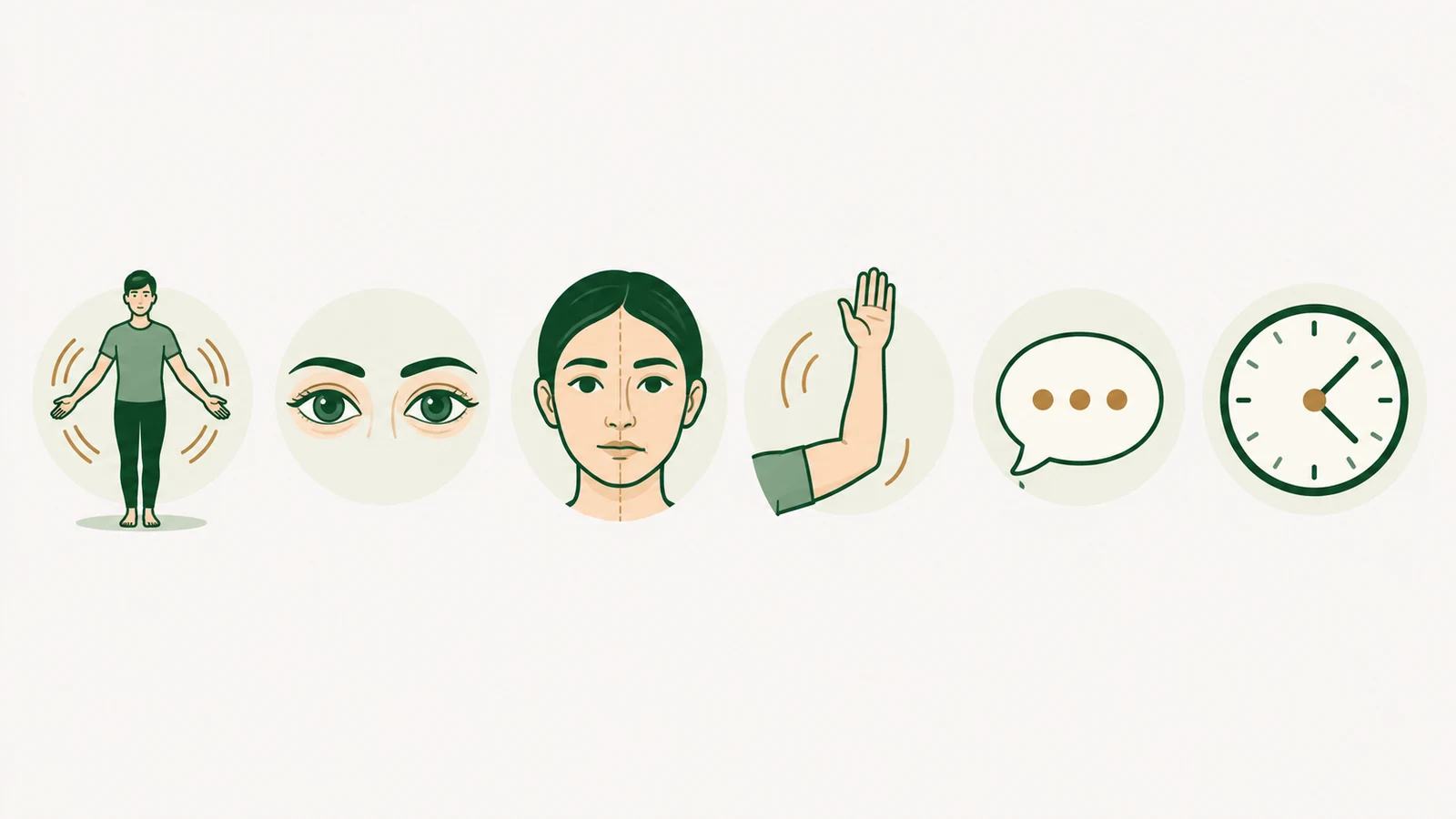
Anxiety and low mood can show up in the mind and the body:
Emotional and mental signs
- Persistent worry or feeling on edge
- Difficulty concentrating or a racing mind
- Feeling down, flat, or losing interest in things you used to enjoy
- Irritability or restlessness
Physical signs
- Trouble sleeping
- A racing heart, tight chest or shallow breathing
- Tense muscles, headaches, or stomach upset
- Tiredness and low energy
Everyone experiences these differently. If they are frequent or affecting your daily life, it's worth talking to a professional.
The Ayurvedic perspective
From an Ayurvedic perspective, anxiety and low mood are understood as disturbances of the mind (Manas) closely linked to aggravated Vata, often worsened by an irregular routine, poor sleep and weakened resilience. Classical texts describe Medhya Rasayana (mind-nourishing approaches) and a steady daily rhythm (Dinacharya) as foundations for mental balance. The emphasis is on calming Vata, steadying the mind and rebuilding resilience — gently and over time.
The modern medical perspective
Modern care recognises anxiety and depression as common, treatable health conditions — not weaknesses. Effective support includes talking therapies (such as counselling or CBT), lifestyle changes, and, where appropriate, medication prescribed by a doctor. Early help works well. Ayurveda is best used as complementary support within this picture — alongside professional mental health care, never as a replacement for it.
When to seek professional help
Please reach out to a doctor or mental health professional if:
- Anxiety or low mood lasts more than two weeks or keeps returning
- It's affecting your sleep, work, studies, relationships or daily life
- You're using alcohol or other substances to cope
- You feel hopeless, or that things won't get better
Seek help immediately — call Tele-MANAS 14416, or your nearest hospital/emergency services — if you have thoughts of harming yourself or ending your life, or if you're worried about someone who does. You deserve support, and reaching out is a strong, positive step.
How Ayurveda may support mental wellbeing
As complementary care — alongside professional support — a personalised Ayurvedic plan may include:
- Shirodhara — gentle, steady streaming of warm oil on the forehead, traditionally used to calm the mind and support sleep
- Abhyanga (warm oil massage) and other Vata-pacifying therapies to ease physical tension
- Medhya Rasayana — mind-supportive herbs and formulations, prescribed and monitored by the doctor
- Dinacharya — a steady daily routine for sleep, meals and rest to rebuild resilience
- Yoga, pranayama (breathing) and meditation to calm the nervous system
- Diet and lifestyle that support digestion, sleep and energy
The aim is to support calm, sleep and resilience as part of a broader plan. Ayurveda does not replace mental health treatment, and results vary.
Important safety note: Some herbs can interact with antidepressant or anti-anxiety medicines. If you take any prescribed mental-health medication, keep both your treating doctor and Ayurvedic doctor informed, and never stop or change it on your own.
Practical lifestyle guidance
- Keep a steady routine — regular sleep and meal times steady the mind
- Move daily — even a short walk helps mood and anxiety
- Breathe and slow down — a few minutes of slow breathing or meditation calms the nervous system
- Limit caffeine and alcohol, which can worsen anxiety
- Stay connected — talking to someone you trust genuinely helps
- Be kind to yourself — recovery isn't linear, and small steps count
Finding anxiety or low mood hard to manage? Learn about our Ayurvedic mental wellness care, or book a consultation to discuss supportive care alongside professional help. Online and in-person consultations are available.
Frequently asked questions
Is it normal to feel anxious sometimes? Yes — occasional anxiety is a normal part of life. It becomes worth addressing when it's frequent, intense, hard to control, or affecting your daily life, sleep or relationships.
What's the difference between stress and anxiety? Stress is usually a reaction to a specific pressure and eases when it passes; anxiety is more persistent worry that can continue without a clear cause. They often overlap and feed each other.
Can Ayurveda help with anxiety and low mood? Ayurvedic therapies (such as Shirodhara), mind-supportive herbs, routine, yoga and breathing are traditionally used to calm the mind and build resilience — as complementary support alongside professional care, not a replacement. Results vary, and any prescribed medication should continue unless your doctor advises otherwise.
Will Ayurvedic herbs interact with my anxiety or depression medication? They can. Some herbs interact with psychiatric medicines, so always keep both your treating doctor and Ayurvedic doctor informed, and never stop or change prescribed medication on your own.
When should I get professional help? If low mood or anxiety lasts more than two weeks, keeps returning, or affects your daily life — and immediately if you have thoughts of harming yourself. In India you can call Tele-MANAS on 14416 any time.
Talk to us
Sai Ayush Ayurveda Hospital — KPHB: +91 81423 28080 · Madinaguda: +91 84668 82266. Online & offline consultations available. Learn more on our Ayurvedic mental wellness care page.
Support & authoritative resources
- Tele-MANAS — India's national mental health helpline: call 14416 or 1-800-891-4416 (24×7)
- Mayo Clinic — Anxiety disorders, symptoms & causes: https://www.mayoclinic.org/diseases-conditions/anxiety/symptoms-causes/syc-20350961
- World Health Organization — Anxiety disorders [verify exact fact-sheet URL before adding]
- NHS (UK) — Anxiety, fear and panic [verify exact URL before adding]
Medical disclaimer
This article is for educational purposes only and does not constitute medical advice or a diagnosis. Please consult a qualified healthcare or mental-health professional for support. If you are experiencing a mental health crisis or thoughts of self-harm, call Tele-MANAS on 14416, or contact your nearest hospital or emergency services immediately.
Sources
- Mayo Clinic — Anxiety disorders: https://www.mayoclinic.org/diseases-conditions/anxiety/symptoms-causes/syc-20350961
- Tele-MANAS (Government of India, National Tele Mental Health Programme) — helpline 14416
- Ministry of AYUSH, Government of India — Ayurvedic approach to Manas / Medhya Rasayana
This article is for educational purposes only and does not constitute medical advice. Please consult a qualified healthcare professional before beginning any treatment. If you are experiencing a medical emergency, contact your nearest hospital immediately.