
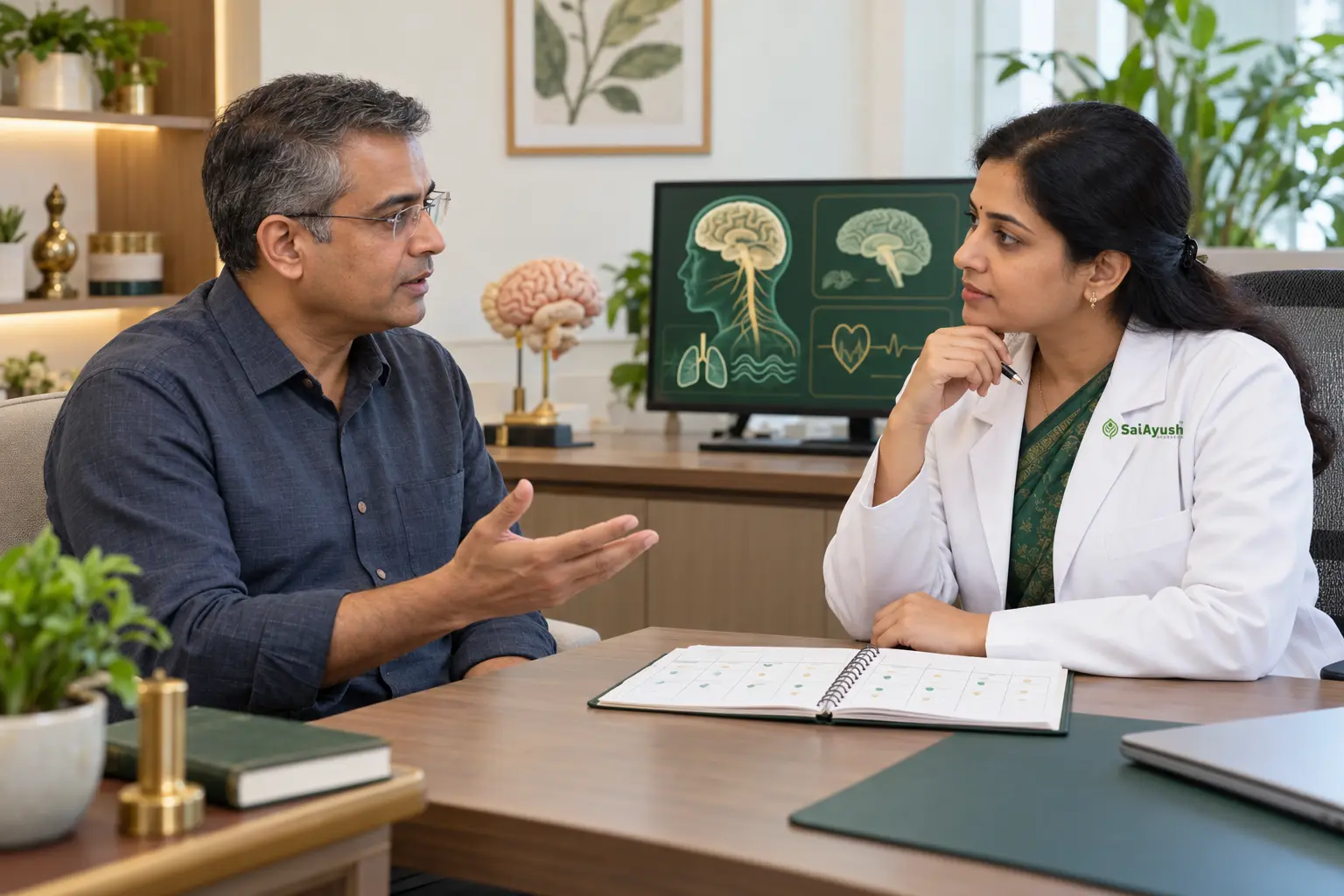
Anxiety is a normal response to stress, but when worry, restlessness or panic become constant and start interfering with daily life, it may be a sign of an anxiety disorder that benefits from proper assessment. Occasional nervousness before a big event is different from a pattern of racing thoughts, physical tension and panic that does not settle on its own. Understanding the difference, and knowing the warning signs that need prompt attention, is an important first step.
Common Symptoms of Anxiety and Panic Attacks
Anxiety can show up as much in the body as in the mind. Common symptoms include:
- Persistent worry that feels difficult to control
- A racing heart, shallow breathing, or chest tightness
- Restlessness or a constant feeling of being "on edge"
- Difficulty concentrating or a mind that will not quiet down
- Trouble falling or staying asleep
- Sudden panic attacks with sweating, trembling, or a sense of impending doom
Causes and Risk Factors
Chronic Stress and Burnout
Prolonged work or personal stress, without adequate recovery, is one of the most common contributors to anxiety. This overlaps closely with chronic stress and burnout, and the two are often addressed together in a care plan.
Sleep Deprivation
Poor or insufficient sleep both worsens anxiety and is worsened by it, creating a cycle that can be difficult to break without addressing both together.
Stimulants and Lifestyle Factors
Excess caffeine, irregular routines, and high stimulant intake can mimic or intensify the physical symptoms of anxiety, including a racing heart and jitteriness.
Physical Symptoms That Are Often Overlooked
Anxiety does not only affect the mind. Many people also experience digestive discomfort, bloating, or irregular bowel patterns during periods of high anxiety, reflecting the well-documented connection between the gut and the nervous system. Headaches, muscle tension and fatigue are also common but are not always recognised as anxiety-related.
Ayurvedic Perspective
In Ayurveda, anxiety is often associated with aggravated Vata dosha, particularly Prana Vata, which governs the mind and nervous system, and is sometimes described under the term Chitta Udvega. Irregular routines, inadequate rest, and excessive stimulation are traditionally considered to aggravate Vata, contributing to restlessness and a racing, erratic quality of thought. Ayurvedic approaches traditionally emphasise grounding, routine, and calming therapies to help pacify this aggravated state, alongside addressing diet and daily habits.
Modern Medical Perspective
Conventional management of anxiety disorders typically includes psychotherapy (such as cognitive behavioural therapy), and in moderate to severe cases, medication prescribed by a psychiatrist. Treatment is usually individualised based on the severity and type of anxiety disorder, and a combination approach is common. Anxiety is a recognised, treatable medical condition, and persistent symptoms are best assessed by a qualified mental health professional.
When to Seek Help Urgently
Most anxiety can be addressed through routine care, but certain situations need prompt professional attention:
- Thoughts of self-harm or suicide, which need immediate emergency support
- Panic symptoms accompanied by chest pain, which should first be medically evaluated to rule out a cardiac cause
- Anxiety that is completely preventing you from working, sleeping, or functioning day to day
- Anxiety accompanied by significant depression or withdrawal from everyday life
If you or someone you know is having thoughts of self-harm, please contact a mental health crisis helpline or go to the nearest emergency department immediately.
How Ayurveda May Support Management
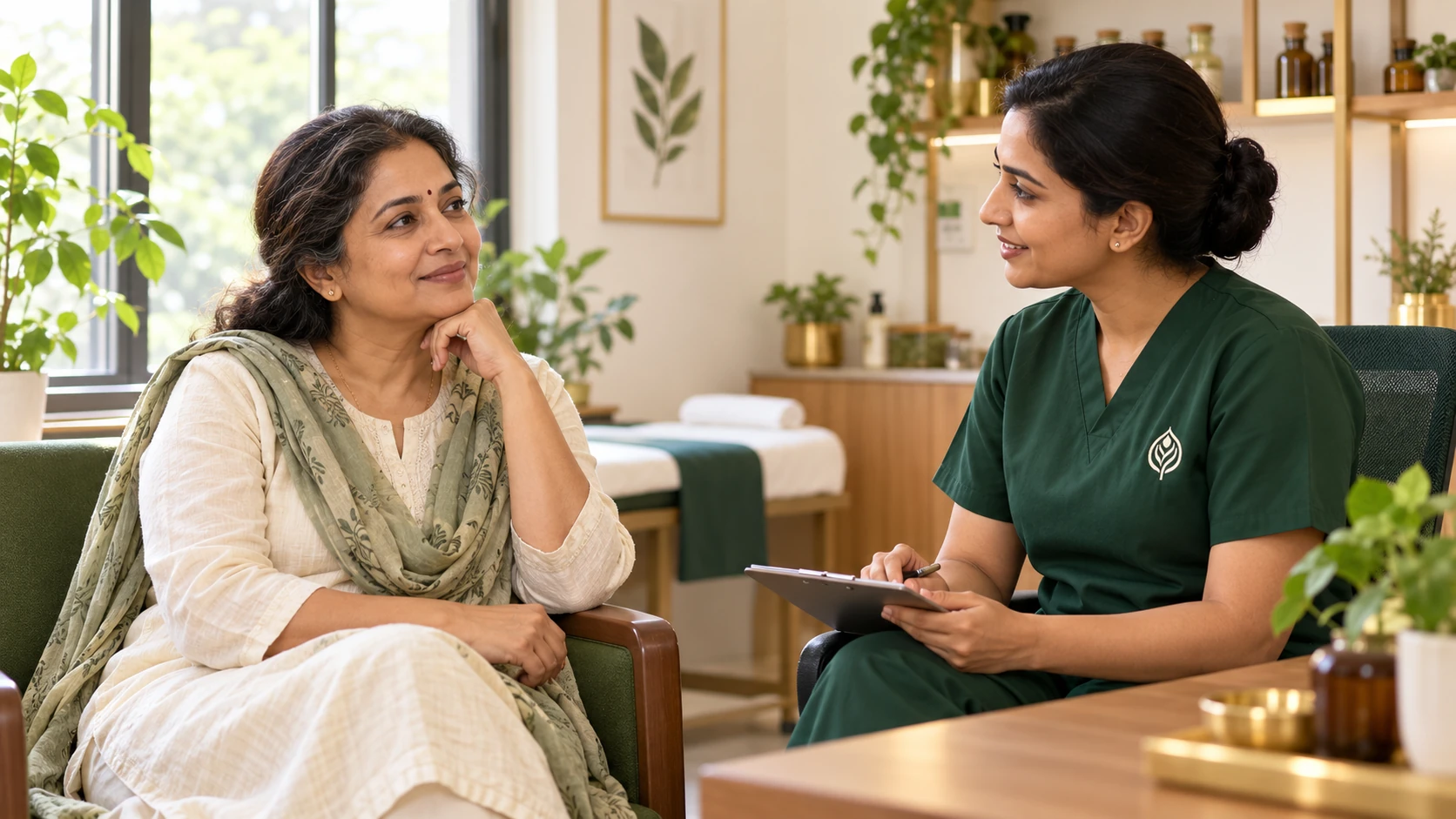
Ayurvedic care for anxiety is generally positioned as physician-supervised, complementary support that works alongside psychiatric or psychological care, not as a replacement for it, particularly in moderate to severe cases. After a clinical assessment, care may include calming therapies such as Shirodhara, Ayurvedic herbal formulations, and structured routine and dietary guidance. Our detailed Ayurvedic anxiety care page outlines the assessment and therapy process used at Sai Ayush Ayurveda Hospital.
Practical Lifestyle Guidance
- Keep a consistent daily routine for sleep, meals and work where possible
- Limit caffeine and other stimulants, especially later in the day
- Build in regular, gentle physical activity rather than high-intensity exercise during acute anxiety
- Avoid making major decisions during a period of acute, severe anxiety
- Do not stop or adjust prescribed anti-anxiety medication without medical guidance
Frequently Asked Questions
Is anxiety the same as a panic attack?
Not exactly. Anxiety is a broader, ongoing pattern of worry and physical tension, while a panic attack is a sudden, intense episode of fear with strong physical symptoms. Someone can experience one without the other, though they often overlap.
Can anxiety be completely cured?
Anxiety disorders are generally managed rather than "cured" in an absolute sense. Many people achieve significant, lasting improvement with the right combination of therapy, lifestyle changes and, where needed, medication, though outcomes vary by individual.
Does anxiety always need medication?
No. Mild to moderate anxiety is often managed well with therapy and lifestyle changes alone. Medication is typically considered for moderate to severe cases, and the decision should be made with a psychiatrist based on individual assessment.
Can diet affect anxiety?
Diet alone does not cause or cure anxiety, but excess caffeine, irregular meals and poor sleep can worsen symptoms. A stable routine and balanced diet are commonly recommended as supportive measures alongside primary treatment.
Is it normal to feel anxious sometimes?
Yes. Occasional anxiety in response to genuine stress is a normal human experience. It becomes a concern when it is persistent, disproportionate to the situation, or interferes with daily functioning.
This article is for educational purposes only and does not constitute medical advice. Please consult a qualified healthcare professional before beginning any treatment. If you are experiencing a medical emergency, contact your nearest hospital immediately.

Medically Reviewed By
Dr. Pasalapudi Visalaanjani, B.A.M.S, MD (Kayachikitsa), Reg No: 1146/A/2016
This article is for educational purposes only and does not constitute medical advice. Please consult a qualified healthcare professional before beginning any treatment. If you are experiencing a medical emergency, contact your nearest hospital immediately.