
Heel pain is most often caused by plantar fasciitis, inflammation of the thick band of tissue connecting the heel bone to the toes, and is frequently accompanied by a bony growth called a heel spur, though the two are not the same thing. Pain is typically worst with the first few steps in the morning or after rest, and understanding the difference between the soft-tissue inflammation and the bone spur itself matters for treatment.
What Causes Heel Pain?
Plantar Fasciitis
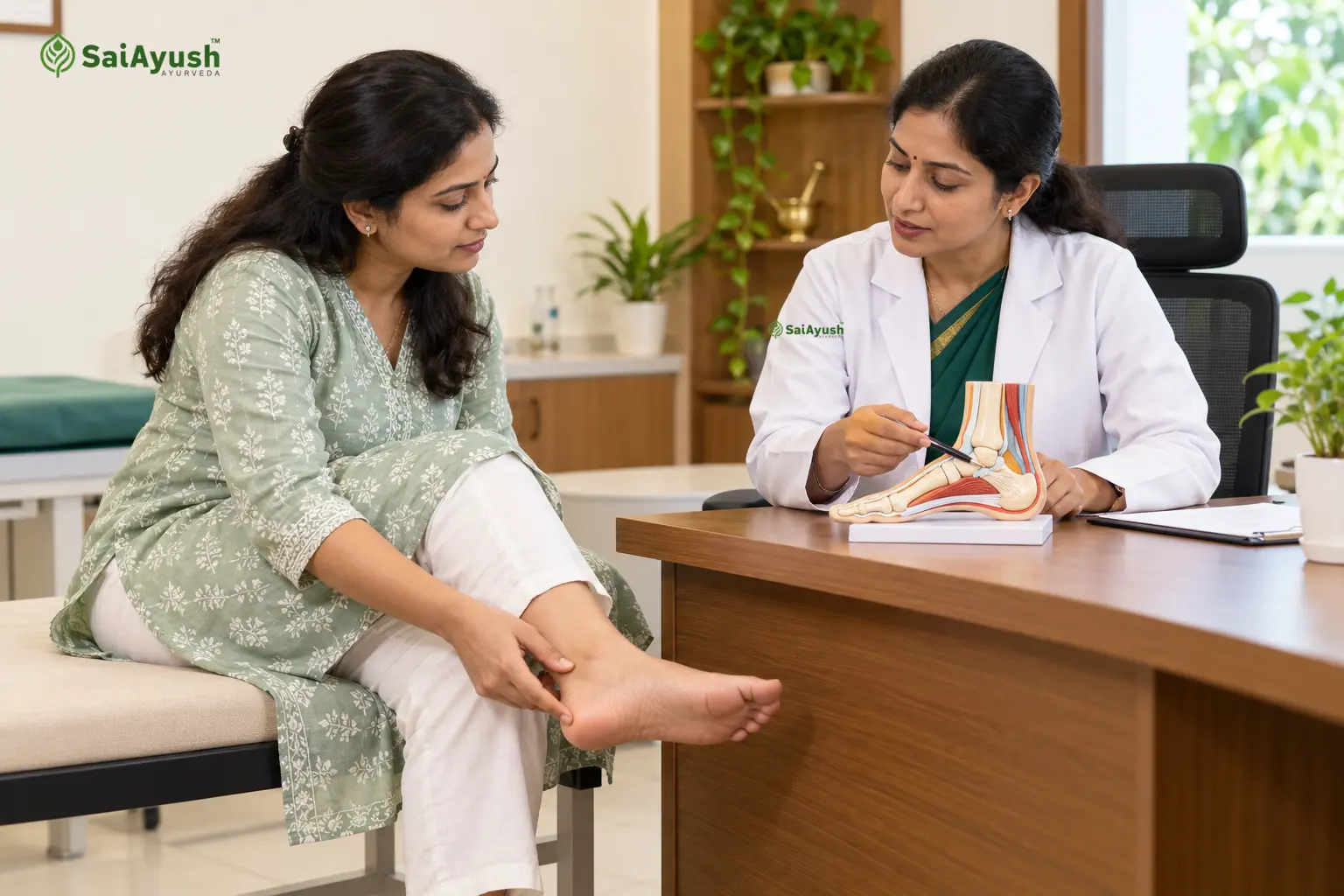
Plantar fasciitis occurs when the plantar fascia, the band of tissue running along the bottom of the foot, becomes irritated or inflamed, often from repetitive strain, prolonged standing, unsupportive footwear, or tightness in the calf muscles and Achilles tendon. It is the most common cause of heel pain.
Heel Spurs (Calcaneal Spurs)
A heel spur is a bony outgrowth on the underside of the heel bone that can develop over time, often in people who also have plantar fasciitis. Importantly, many people have a heel spur visible on an X-ray with no pain at all, while others with significant pain have no visible spur.
Achilles Tendinitis and Other Causes
Pain at the back of the heel, rather than underneath it, is more often related to Achilles tendinitis. Less commonly, heel pain can result from a stress fracture, nerve irritation, or an inflammatory arthritis affecting the heel.
Is a Heel Spur the Same as Plantar Fasciitis?
No, and this is a common point of confusion. A heel spur is a bone finding, while plantar fasciitis is inflammation of soft tissue. Pain usually comes from the inflamed fascia rather than the spur itself, which is why treatment typically targets the fascia and surrounding structures rather than the bony growth directly. Removing a spur surgically does not reliably resolve heel pain if the underlying fascia inflammation is not also addressed.
Symptoms and Warning Signs
- Sharp, stabbing pain in the heel, especially with the first steps in the morning
- Pain that eases with activity but returns after rest or prolonged standing
- Tenderness at the bottom of the heel on pressure
- Mild swelling or redness in some cases
- Pain that worsens after exercise, not during it
Ayurvedic Perspective
In Ayurveda, heel pain is often associated with aggravated Vata dosha, which governs movement and is linked to dryness and degeneration in supporting tissues when imbalanced. Within this framework, dryness and reduced tissue nourishment are traditionally considered contributing factors, which is why warm, oil-based therapies are commonly used to help pacify Vata and support the affected area, alongside addressing lifestyle factors like prolonged standing or unsupportive footwear.
Modern Medical Perspective
Most cases of heel pain improve with conservative measures: rest, stretching of the calf and plantar fascia, supportive footwear or orthotic inserts, and anti-inflammatory measures as advised by a doctor. Physiotherapy is often helpful. Surgery is rarely needed and is generally reserved for cases that do not improve after several months of consistent conservative treatment.
When to See a Doctor
- Heel pain that does not improve after several weeks of rest and supportive footwear
- Sudden, severe heel pain following an injury, which may indicate a fracture
- Numbness, tingling, or pain radiating into the foot, which may suggest nerve involvement
- Signs of infection such as redness, warmth, swelling, or fever
- Inability to bear weight on the affected foot
How Ayurveda May Support Management
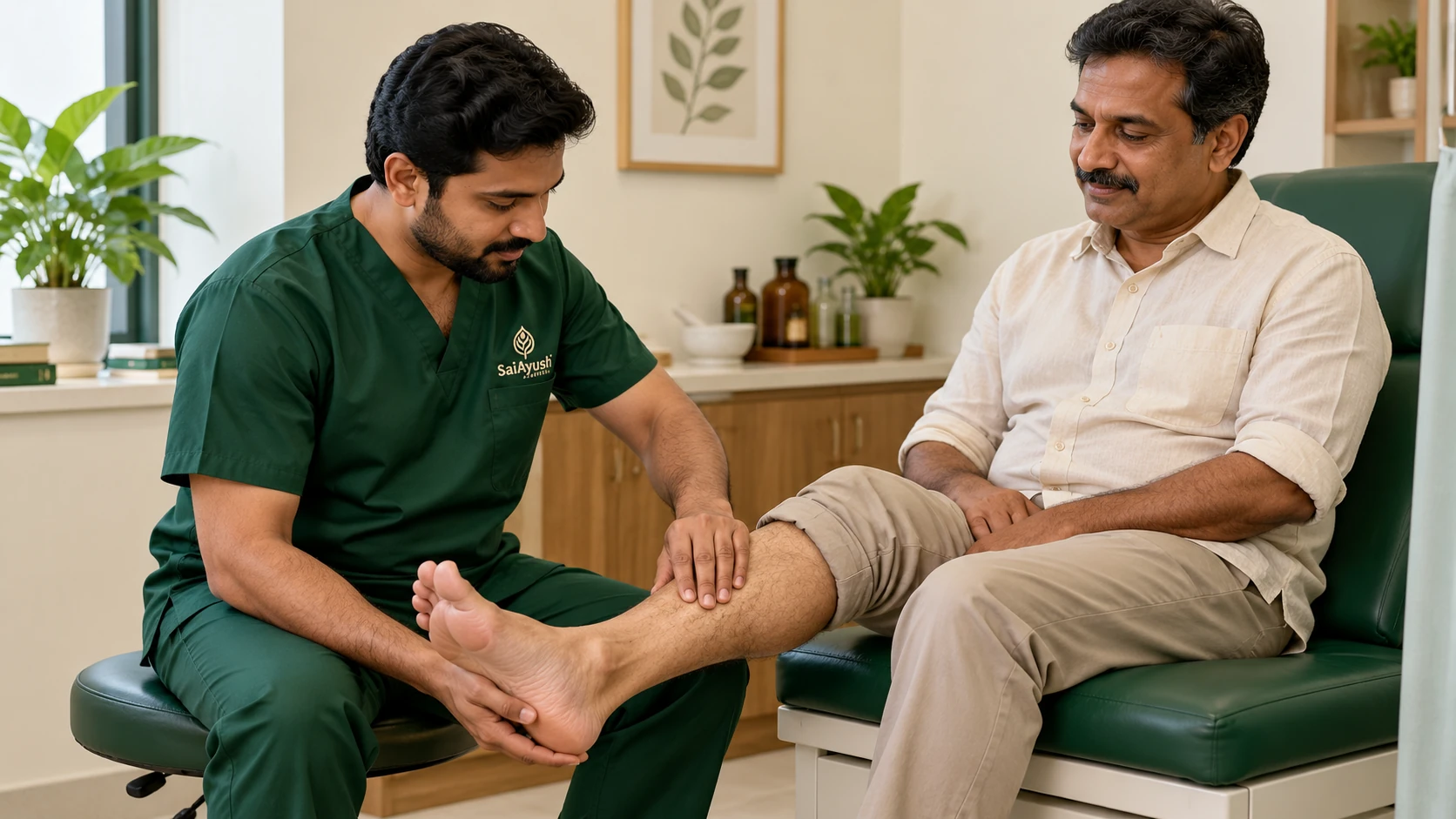
Ayurvedic care for heel pain is generally positioned as physician-supervised, supportive care alongside conservative measures like stretching and supportive footwear, rather than a replacement for them. After a clinical assessment, care may include warm oil therapies, localised treatments, and guidance on footwear and activity modification. Our detailed Ayurvedic heel pain and heel spur treatment page outlines the assessment and therapy process used at Sai Ayush Ayurveda Hospital.
Practical Lifestyle Guidance
- Wear supportive, cushioned footwear and avoid walking barefoot on hard surfaces
- Stretch the calf muscles and plantar fascia gently, particularly before getting out of bed
- Maintain a healthy body weight to reduce strain on the heel
- Avoid prolonged standing on hard surfaces where possible
- Use ice after activity if it helps with discomfort, unless your doctor advises otherwise
Frequently Asked Questions
Does a heel spur need to be surgically removed?
Rarely. Since pain usually comes from the inflamed soft tissue rather than the spur itself, most people improve with conservative treatment targeting the plantar fascia, without needing spur removal.
Why is heel pain worse in the morning?
During rest, the plantar fascia tightens slightly. The first steps after waking stretch it suddenly, which is why pain is often sharpest at that time and tends to ease as the tissue warms up with movement.
Can heel pain go away on its own?
Many mild cases improve with simple measures like rest, stretching, and better footwear. However, pain that persists beyond a few weeks is best assessed by a doctor rather than left untreated.
Is walking bad for plantar fasciitis?
Gentle walking in supportive footwear is generally fine, but high-impact activity or walking barefoot on hard surfaces can worsen symptoms. Your doctor or physiotherapist can advise on appropriate activity levels.
Are heel pain and plantar fasciitis the same thing?
Plantar fasciitis is the most common cause of heel pain, but heel pain can also result from Achilles tendinitis, stress fractures, or nerve irritation, which is why a proper assessment matters before starting treatment.
Sudden pain and swelling at the base of the big toe can point to gout rather than a heel spur. See Ayurvedic medicine for uric acid: what to know to understand the difference.
This article is for educational purposes only and does not constitute medical advice. Please consult a qualified healthcare professional before beginning any treatment. If you are experiencing a medical emergency, contact your nearest hospital immediately.

Medically Reviewed By
Dr. Pasalapudi Visalaanjani, B.A.M.S, MD (Kayachikitsa), Reg No: 1146/A/2016
This article is for educational purposes only and does not constitute medical advice. Please consult a qualified healthcare professional before beginning any treatment. If you are experiencing a medical emergency, contact your nearest hospital immediately.