

Ayurvedic Uterine Fibroids Treatment in Hyderabad
Overview: Uterine Fibroids Treatment
- ✓Doctor-Guided Diagnosis & Prakriti Assessment
- ✓Multi-Disciplinary ANP³ Integrated Care Plan
- ✓Plan Based on Your Assessment and Dosha Balance
- ✓Supervised Panchakarma & Post-Therapy Care
Uterine fibroids are common growths that may cause heavy periods, pelvic pressure or frequent urination, and an ultrasound shows their size and place. Ayurvedic support for uterine fibroids in Hyderabad at Sai Ayush is planned after that scan is reviewed. It may include Virechana, Kanchanara Guggulu and Pushyanuga Churna, with diet and follow-up scans as advised.
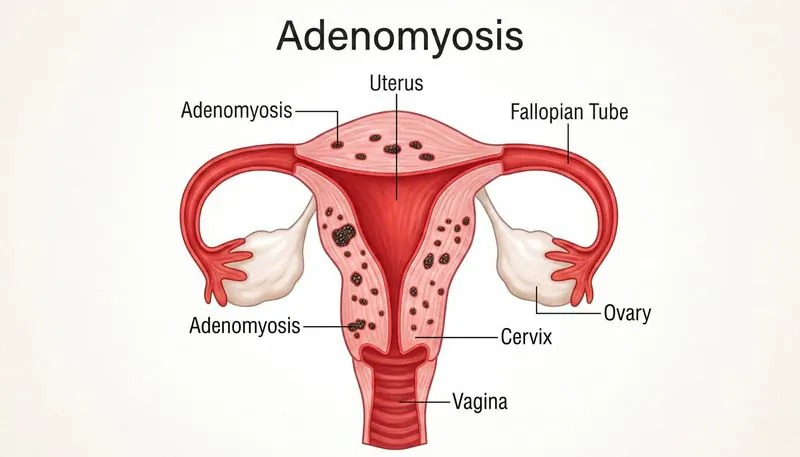
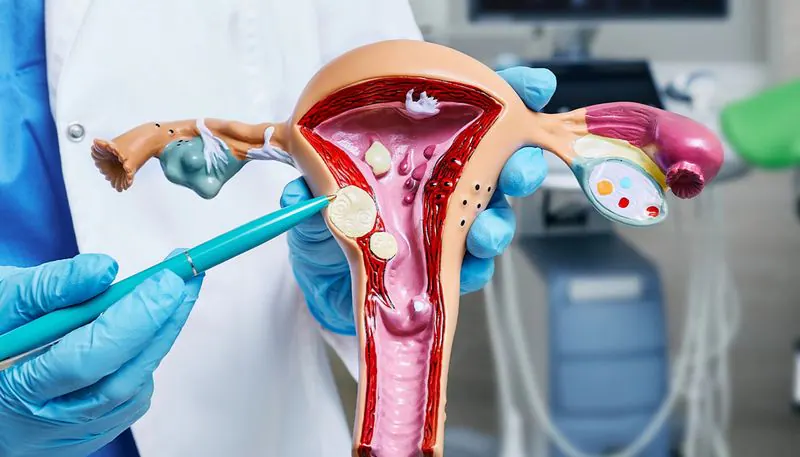
Uterine fibroids are common non-cancerous growths in the wall of the uterus. Small fibroids often cause no symptoms, while larger ones may cause heavy periods, pelvic pressure or frequent urination.
Your doctor reviews your ultrasound, blood count and gynaecologist's advice. Ayurvedic therapies may be combined with diet guidance, with follow-up scans as advised. Responses vary with the size and place of the fibroids.
Ayurvedic care here works alongside your gynaecologist, who decides if surgery is needed. Very heavy bleeding, dizziness or sudden pelvic pain needs prompt medical care.
Medically Reviewed By: Dr. Pasalapudi Visalaanjani, B.A.M.S, MD (Kayachikitsa)
Registration No: 1146/A/2016 · Last updated 5 November 2026
Disclaimer: The information provided is for educational purposes and should not replace professional medical advice. Outcomes may vary.
Quick Reference Matrix
| Parameter | Clinical Direction |
|---|---|
| Who it may suit | Women with multiple small to medium fibroids seeking to avoid a complete hysterectomy. |
| Who should avoid | The patient is actively hemorrhaging so heavily they require a blood transfusion, or if a single fibroid has grown larger than a melon (may require myomectomy). |
| Typical duration | Decided by your doctor after the first assessment. Results vary. |
Clinical Care Framework
Our Uterine Fibroids care follows the integrated ANP³ model (Ayurveda, Naturopathy and Physiotherapy), aiming for steady, sustainable progress.
- Treatment Model: ANP³ (Ayurveda, Naturopathy, Physiotherapy)
- Supervision: Ayurvedic doctors
- Target Conditions: Uterine Fibroids, Hormonal Imbalance, Reproductive Health
- Setting: Hospital Environment (KPHB OP/IP, Madinaguda OP)
- Safety Protocol: Rigorous pre-treatment clinical evaluation required
What Are Uterine Fibroids?
Uterine Fibroids (Leiomyomas) are solid tumors made of muscle tissue that grow in the uterus. They are almost never cancerous, but they can grow from the size of a tiny seed to the size of a large melon.
Their exact cause is linked to genetics and hormones, particularly 'Estrogen Dominance'. This causes the uterus to become heavy, misshapen, and inflamed, leading to severe bleeding and severe pelvic pressure.
That is why waiting until they are large and require the surgical removal of the uterus (Hysterectomy) is significant. A proper Ayurvedic assessment aims to manage them naturally while they are still treatable.
Common Symptoms of Uterine Fibroids
You may need Ayurvedic assessment if you experience:
- Excessively heavy menstrual bleeding, often soaking through thick pads in an hour
- Periods that last far beyond the normal 7 days
- Passing very large, dark, solid blood clots during your cycle
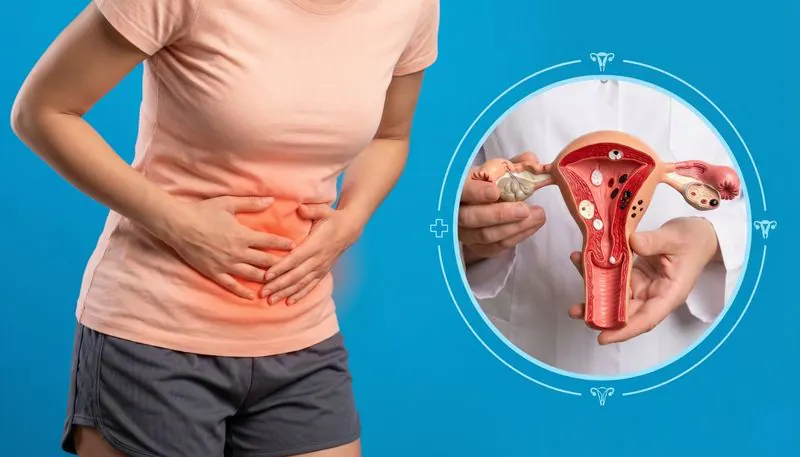
- Constant, severe lower abdominal heaviness or a visible bulge
- Frequent urge to urinate or difficulty emptying your bladder
- Severe, chronic lower back pain and leg pain
- Pain during sexual intercourse
Note: If you experience uncontrollable bleeding that causes you to feel dizzy, faint, or extremely breathless, seek EMERGENCY medical care immediately to prevent a life-threatening drop in hemoglobin.
Ayurvedic Understanding of Fibroids (Mamsaja Granthi)
In Ayurveda, Fibroids are classified as 'Mamsaja Granthi' (solid tumors originating in the muscle tissue). They are primarily a severe disorder of Kapha and Vata doshas, heavily involving the 'Mamsa Dhatu' (muscle) and 'Rakta Dhatu' (blood).
Because the uterus is inflamed and blocked, the blood (Rakta) cannot flow properly, resulting in heavy bleeding.
At Sai Ayush, the treatment specifically focuses on 'Lekhana' (scraping away the thick Kapha block), controlling the Vata (spasms), and cooling the Rakta (stopping the heavy bleeding).
Who Should Avoid Immediate Ayurvedic Therapy?
For Uterine Fibroids, some Ayurvedic therapies are not suitable as a first step and are deferred until the treating physician has ruled out the following:
- The patient is actively hemorrhaging so heavily they require a blood transfusion, or if a single fibroid has grown larger than a melon (may require myomectomy).
- Pregnancy, unless the treating physician has specifically cleared gentle outpatient care
- Any acute, unstable medical emergency needing immediate hospital care
How Is Treatment Performed?
Doctor-Led Structural Assessment
The doctor carefully evaluates your ultrasound reports to determine the exact size, number, and location (submucosal, intramural, subserosal) of the fibroids, alongside checking your hemoglobin levels to assess the danger of your heavy bleeding.
Bleeding Control Medicines (Stambhana)
The absolute first priority is stopping the dangerous blood loss.
Tumor-Shrinking Medicines (Lekhana / Granthi Hara)
Fibroids are dense muscular blocks (Kapha-Vata). Specialized 'scraping' (Lekhana) and penetrating Ayurvedic herbs (like Kanchanara) are given to slowly digest, break down, and shrink the solid mass over time.
Metabolic and Liver Support
Fibroids are fueled by 'Estrogen Dominance'.
Strict Anti-Kapha Diet
Fibroids feed on heavy, sweet, and Kapha-aggravating foods. Our doctors mandate a strict, light, and warm diet.
Follow-Up and Scan Monitoring
Fibroids require extreme patience to shrink.
The Danger of Hysterectomy
Removing the entire uterus (Hysterectomy) is a major surgery that plunges the body into menopause if the ovaries are also removed, causing severe hormonal chaos, bone loss, and psychological distress. In Ayurveda, removing an organ is always the last resort. We attempt to preserve the uterus by shrinking the fibroids naturally whenever possible.
When Should You See a Doctor?
You should consult a doctor if:
- You have been diagnosed with fibroids and want to avoid surgery
- Your heavy bleeding is causing severe Anemia (low iron) and constant exhaustion
- You feel a heavy, hard mass or intense pressure in your lower abdomen
- The fibroids are causing severe pain or pressing heavily on your bladder
- You are trying to conceive but the fibroids are blocking implantation
What Results Can You Expect?
Fibroids are solid tumors and shrinking them takes dedication. The practical goals include:
- Relief from the constant heavy, dragging sensation in the pelvis
- Gradual halting of the fibroid's growth
- Slow, steady reduction in the size of the fibroid (Lekhana)
Note: Results vary significantly based on the size and age of the fibroid. Extremely calcified fibroids may not shrink entirely and may require surgical intervention, but Ayurveda can still control the dangerous bleeding.
About Sai Ayush Ayurveda Hospital
Sai Ayush is an NABH AYUSH Entry Level certified, multi-specialty Ayurvedic hospital in Hyderabad, delivering integrated care through its ANP³ model — Ayurveda, Naturopathy and Physiotherapy — across its KPHB and Madinaguda branches.
Visit Us in Hyderabad
Consultations for Uterine Fibroids are available at both Sai Ayush branches in Hyderabad, convenient for KPHB, Kukatpally, Madinaguda, Miyapur, Hafeezpet, Chandanagar and nearby areas.
- KPHB (Main Branch, OP & IP) — Plot No 59, JNTU–Hitech City Road, KPHB 7th Phase Rd, Hyderabad, Telangana 500085 · +91 81423 28080
- Madinaguda Branch (OP) — 4th Floor, Kosal, Sai Plaza, above FMS Dental, Ramakrishna Nagar, Hafeezpet, Hyderabad 500049 · +91 84668 82266
- Open: Every day, 7:00 AM – 10:00 PM
Duration of Treatment
The number of days and sessions is decided by your doctor after the first assessment and reviewed at each follow-up. Results vary from person to person.
Clinical Integration
Many patients seeking Uterine Fibroids care are also on hormonal medication, oral contraceptives, or fertility treatment, or are managing thyroid conditions alongside their symptoms. We review current medication and treatment history before starting internal Ayurvedic therapies, to avoid interactions and coordinate care with any ongoing gynecological treatment.