
What is diabetic neuropathy?
Diabetic neuropathy is damage to the nerves caused by persistently high blood sugar levels over time. The nerves most commonly affected are the long ones that reach the feet and legs, which is why symptoms usually start there. It is one of the most common complications of diabetes — both type 1 and type 2 — and it can develop gradually and quietly, sometimes before a person realises their sugar has been poorly controlled. From an Ayurvedic perspective, this fits a Vata-predominant picture (Vata governs the nervous system), often arising on the background of Prameha (the Ayurvedic understanding of diabetes). You can read our approach on our Ayurvedic care for neuropathy page.
What causes diabetic nerve damage?
High blood sugar over time
Prolonged high glucose damages the small blood vessels that supply the nerves, so the nerves don't get enough oxygen and nutrients and begin to malfunction. The longer and higher the sugar levels, the greater the risk.
Contributing factors
- Duration of diabetes — risk rises the longer someone has had it
- Poor blood-sugar control
- High blood pressure and high cholesterol — see our hypertension and cholesterol pages
- Smoking and excess alcohol
- Being overweight
Managing the underlying diabetes is central — see our Ayurvedic diabetes care.
Symptoms and warning signs
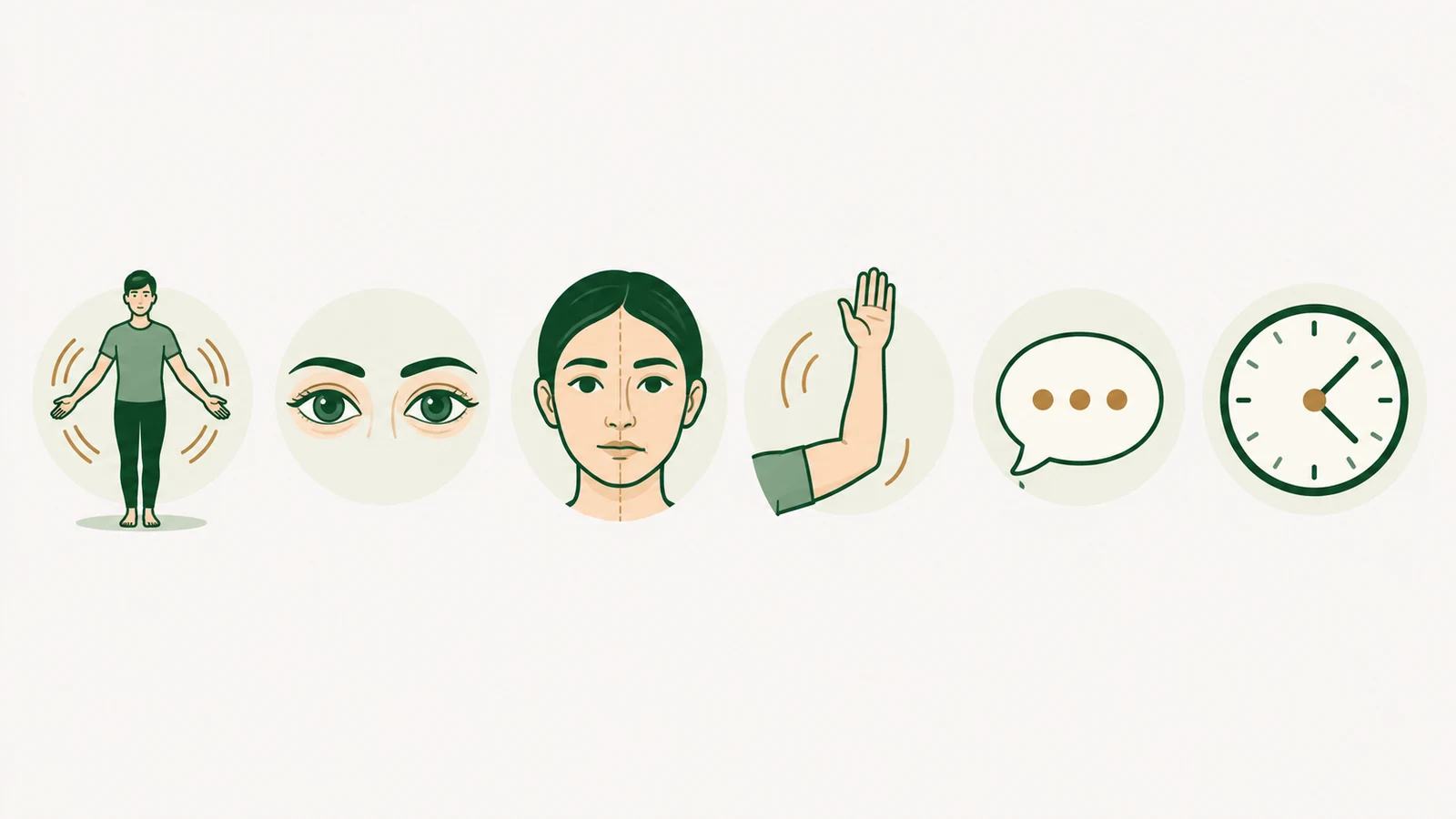
Symptoms depend on which nerves are affected, but the most common (peripheral) form causes:
- Tingling or "pins and needles", often in the feet and toes first
- Numbness — reduced ability to feel pain, heat or cold
- Burning, shooting or stabbing pain, often worse at night
- Increased sensitivity — even a bedsheet can feel painful
- Muscle weakness or balance problems
- Foot problems — because numbness hides injuries, small cuts or blisters can go unnoticed and become serious
Numbness is especially dangerous because an unnoticed injury can lead to infection or ulcers — which is why foot care matters so much.
The Ayurvedic perspective
From an Ayurvedic standpoint, diabetic neuropathy is understood largely as aggravated Vata affecting the nerves, developing on the background of Prameha (diabetes) and often involving impaired digestion and the accumulation of toxins (ama) that further obstruct the channels supplying the nerves. Management focuses on controlling the underlying Prameha, pacifying Vata, nourishing the nerve tissue and improving circulation — rather than targeting pain alone.
The modern medical perspective
Conventional care centres on tight blood-sugar control to slow progression, along with blood-pressure and cholesterol management, regular foot checks, and medicines to ease nerve pain where needed. There is no medicine that fully reverses established nerve damage, which is why prevention and early management are emphasised. Ayurveda is used as complementary support within this framework — never as a replacement for diabetes treatment.
When to consult a doctor
See a doctor promptly if you have diabetes and notice tingling, numbness, burning or pain in your feet or hands, or any loss of sensation. Seek urgent care for: any foot wound, ulcer, blister, or skin that is red, swollen, warm or discharging; a foot injury you didn't feel; or sudden severe weakness. In people with diabetes, small foot problems can escalate quickly, so they are never "wait and see." Regular foot checks are essential even without symptoms.
How Ayurveda may support diabetic neuropathy
As complementary care — alongside your diabetes treatment — a personalised Ayurvedic plan (based on your Prakriti and current imbalance) may include:
- Vata-pacifying therapies: gentle Abhyanga (medicated oil massage) and Swedana to support circulation and ease discomfort
- Supervised Panchakarma such as Basti, where indicated, to address the Vata imbalance
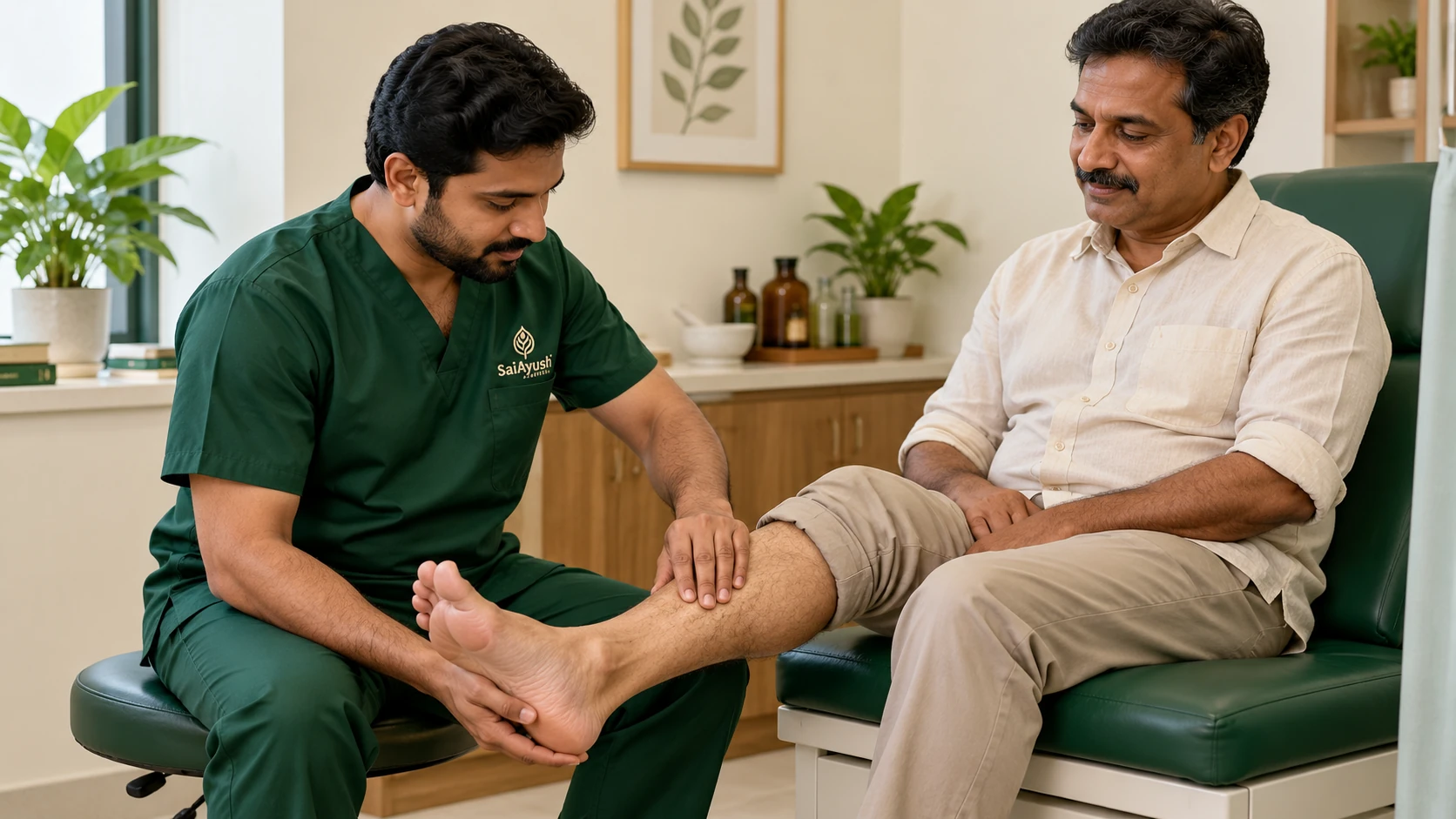
- Padabhyanga (therapeutic foot care) and nerve-nourishing approaches
- Herbal support prescribed and monitored by the doctor (some herbs can affect blood sugar — see safety note)
- Diet and lifestyle to support blood-sugar control and digestion
- Yoga and gentle activity for circulation and nerve health
The goal is to support nerve comfort, circulation and quality of life, and to help protect the feet — alongside medical care. Ayurveda does not cure established nerve damage, and results vary.
Medication-safety note: Some Ayurvedic herbs can lower blood sugar and may add to the effect of your diabetes medicines. Always keep both your diabetes doctor and Ayurvedic doctor informed, and never stop or change prescribed medication on your own.
Practical lifestyle guidance
- Keep blood sugar in your target range — the most important step to protect your nerves
- Check your feet every day for cuts, blisters, redness or swelling; see a doctor early for any wound
- Wear well-fitting, protective footwear; never walk barefoot if you have numbness
- Don't smoke, and limit alcohol — both worsen nerve damage
- Stay active to support circulation, as advised
- Manage blood pressure and cholesterol too
Living with diabetes and noticing nerve symptoms? Learn about our Ayurvedic care for neuropathy and diabetes care, or book a consultation for a personalised assessment. Online and in-person consultations are available.
Frequently asked questions
Can diabetic neuropathy be reversed? Established nerve damage often cannot be fully reversed, but good blood-sugar control can slow or stop it getting worse, and symptoms can be managed. Early action gives the best outcome. Results vary between individuals.
Why are my feet tingling or numb if I have diabetes? High blood sugar over time damages the small vessels that supply the nerves, usually affecting the long nerves to the feet first — causing tingling, numbness or burning. It should be assessed by a doctor.
Why is foot care so important with diabetic neuropathy? Numbness means you may not feel a cut, blister or injury, which can become infected or turn into an ulcer. Daily foot checks and early treatment of any wound help prevent serious complications.
Can Ayurveda help with diabetic nerve pain? Ayurvedic therapies, foot care, diet and herbs are traditionally used to pacify Vata, support circulation and ease discomfort — as complementary support alongside diabetes treatment, not a replacement. Some herbs affect blood sugar, so medical coordination is essential. Results vary.
Will Ayurvedic treatment affect my diabetes medicines? It can. Some herbs lower blood sugar and may add to your medicines' effect. Keep both doctors informed and never adjust prescribed treatment on your own.
Is tingling in the feet always due to diabetes? No — tingling and numbness have several causes. A clinical assessment is needed to confirm whether it's diabetic neuropathy or something else.
Talk to us
Sai Ayush Ayurveda Hospital — KPHB: +91 81423 28080 · Madinaguda: +91 84668 82266. Online & offline consultations available. Learn more on our Ayurvedic care for neuropathy page.
Medical disclaimer
This article is for educational purposes only and does not constitute medical advice. Please consult a qualified healthcare professional before beginning any treatment. If you are experiencing a medical emergency, contact your nearest hospital immediately.
Sources
- NIDDK — Diabetic Neuropathy: https://www.niddk.nih.gov/health-information/diabetes/overview/preventing-problems/nerve-damage-diabetic-neuropathies
- Mayo Clinic — Diabetic neuropathy: https://www.mayoclinic.org/diseases-conditions/diabetic-neuropathy/symptoms-causes/syc-20371580
- Ministry of AYUSH, Government of India — Ayurvedic management of Prameha / Vata-vyadhi
This article is for educational purposes only and does not constitute medical advice. Please consult a qualified healthcare professional before beginning any treatment. If you are experiencing a medical emergency, contact your nearest hospital immediately.