Ayurvedic Pelvic Inflammatory Disease (PID) Treatment in Hyderabad
Ayurvedic Pelvic Inflammatory Disease (PID) Treatment in Hyderabad
Clearance: Infection
Cooling: Pelvic
Boost: Immunity
Restoration: Flora
Sai Ayush Ayurveda Hospital provides authentic, physician-supervised Ayurvedic treatment for pelvic inflammatory disease (pid) in Hyderabad. This structured, clinical approach precisely targets root-cause hormonal imbalances, reproductive health issues, and associated metabolic dysfunction using classical therapies like targeted Uttar Basti and deeply healing Panchakarma. Designed specifically for women seeking safe, non-surgical gynecological care, all interventions are conducted under strict doctor oversight, with each patient's care planned after a thorough clinical assessment. Pelvic Inflammatory Disease (PID) is a severe, deep-seated infection of the female reproductive organs (uterus, fallopian tubes, and ovaries). Even after the initial acute infection is treated with allopathic antibiotics, many women are left with chronic, agonizing, daily pelvic pain, severe scarring (adhesions), constantly heavy and foul-smelling discharge, and a high risk of permanent infertility. At Sai Ayush Ayurveda Hospital, Hyderabad, PID care is planned through a highly specialized, doctor-guided Ayurvedic approach. Instead of only relying on repeated courses of strong antibiotics for chronic pain, our doctors meticulously assess your deep tissue inflammation (Pitta), structural blockages (Kapha), and severe nerve pain (Vata) before suggesting a personalized treatment plan. Our goal is to support the deep clearing of residual infection and toxicity, drastically reduce the chronic internal inflammation, soften the severe pelvic scarring, and help you regain a pain-free life naturally.
- Condition focus: Chronic deep pelvic pain, foul vaginal discharge, pain during sex, recurrent antibiotic-resistant pelvic infections.
- Key therapies: Yoni Prakshalana, Virechana, Triphala Guggulu.
Quick Reference Matrix
| PARAMETERCLINICAL DIRECTION | |
| Who it may suit | Women trapped in a cycle of recurrent PID that returns the moment they stop taking antibiotics. |
| Who should avoid | The patient is experiencing a violently acute PID flare-up with raging high fever, chills, and vomiting (requires IV antibiotics immediately). |
| Typical duration | Intensive 30-day localized clearing protocols. |
Clinical Care Framework
This specialized program follows our integrated ANP³ medical model for fast, sustainable healing.
- Treatment Model: ANP³ (Ayurveda, Naturopathy, Physiotherapy)
- Supervision: Senior Ayurvedic Clinical Team
- Target Conditions: Pelvic Inflammatory Disease (PID), Hormonal Imbalance, Reproductive Health
- Setting: Hospital Environment (KPHB OP/IP, Madinaguda OP)
- Duration: Extensive care program (Typically 3 to 6 menstrual cycles)
- Safety Protocol: Rigorous pre-treatment clinical evaluation required
What Is Pelvic Inflammatory Disease (PID)?
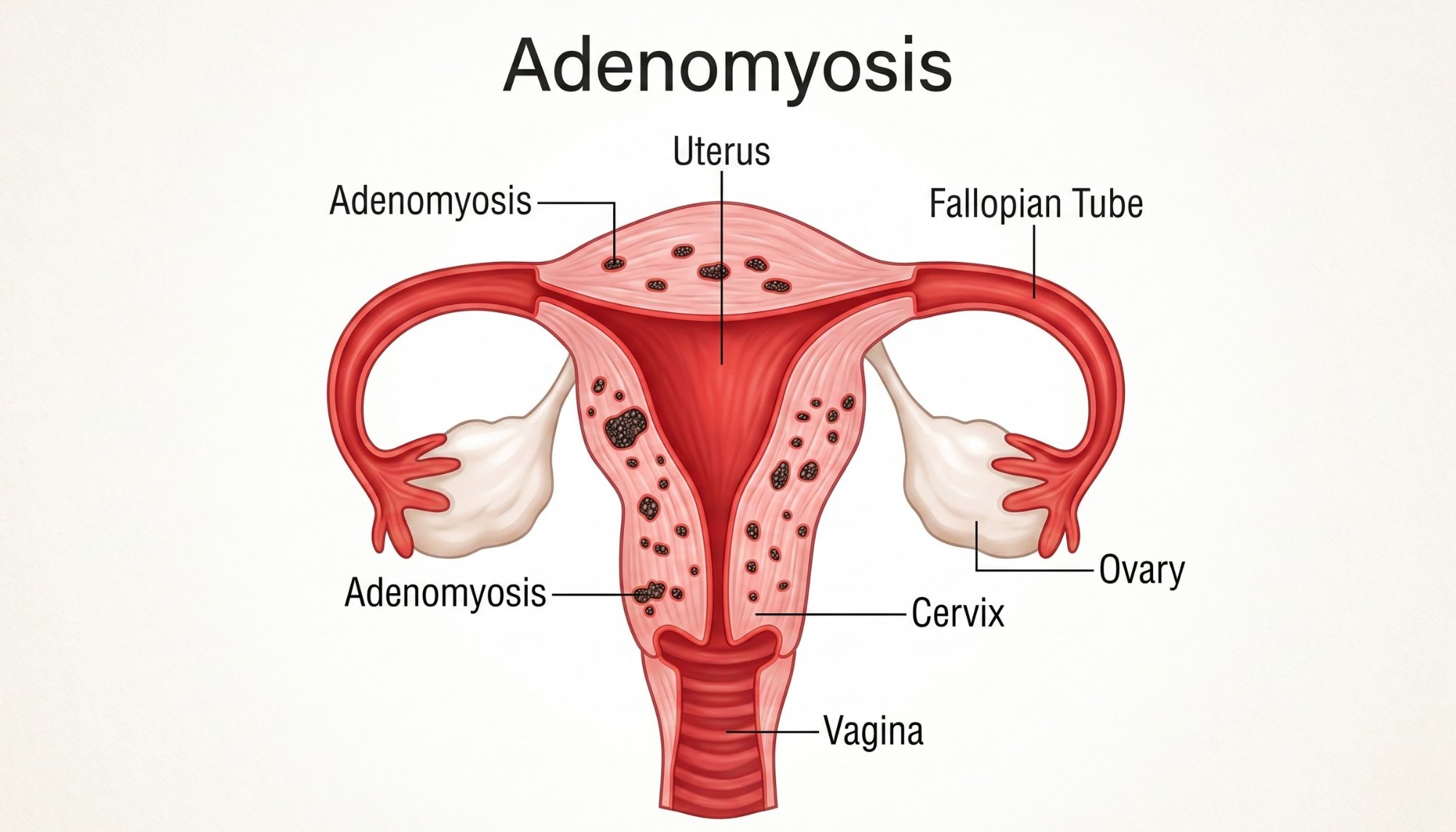
PID is an infection of the upper female reproductive system. It usually occurs when sexually transmitted bacteria (or other bacteria) spread from the vagina into the uterus, fallopian tubes, or ovaries. While acute PID requires immediate allopathic antibiotics to kill the active bacteria, the massive inflammation often leaves behind severe, permanent damage. The body creates thick scar tissue (adhesions) in an attempt to heal, which can completely block the fallopian tubes, causing severe chronic pain and preventing pregnancy (infertility or ectopic pregnancy). That is why treating just the bacteria is not enough. A proper Ayurvedic assessment aims to clear the toxic residue, soften the scarring, and stop the chronic, dragging daily pain.
Common Symptoms of Chronic PID
You may need Ayurvedic assessment if you experience:
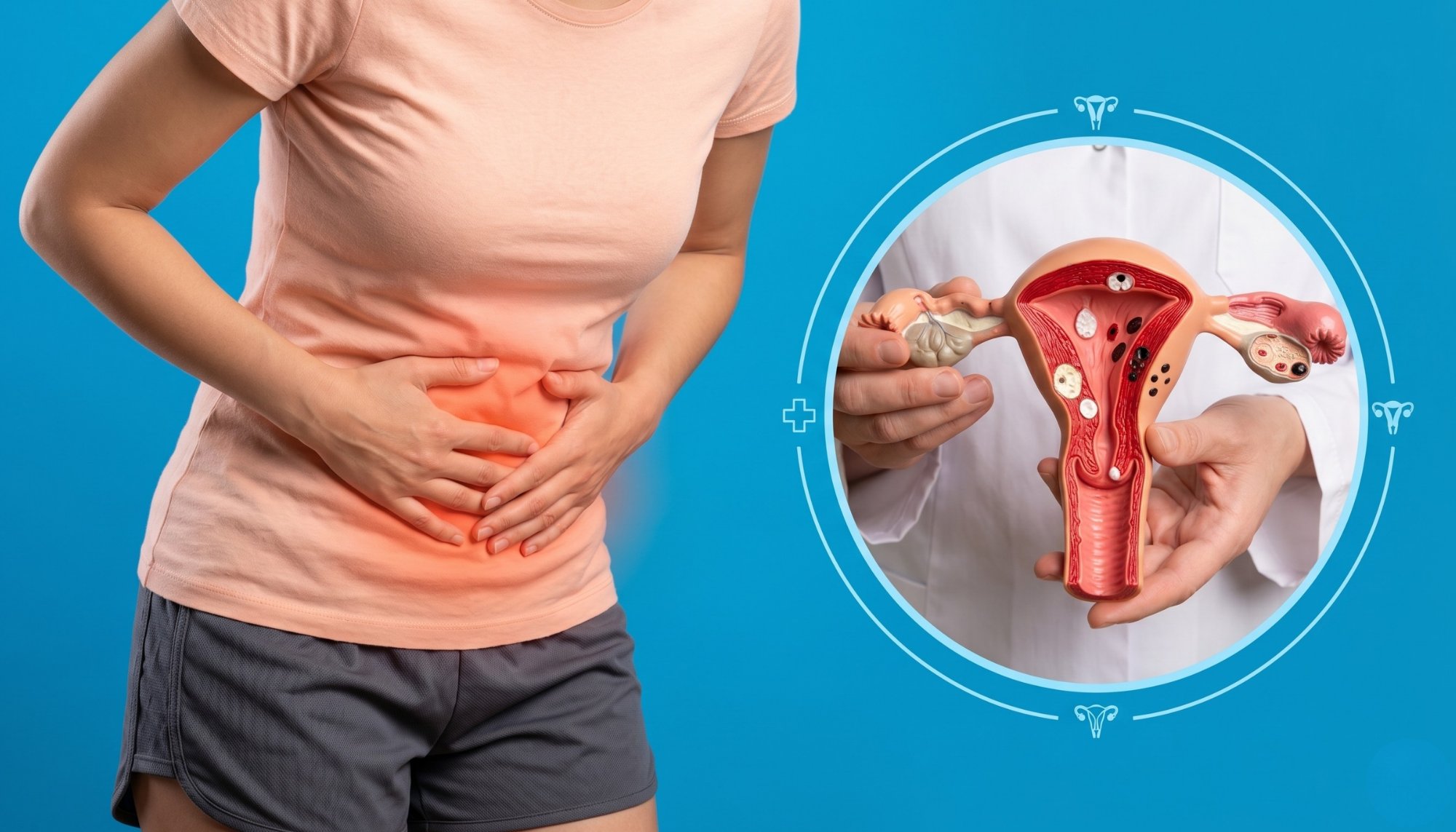
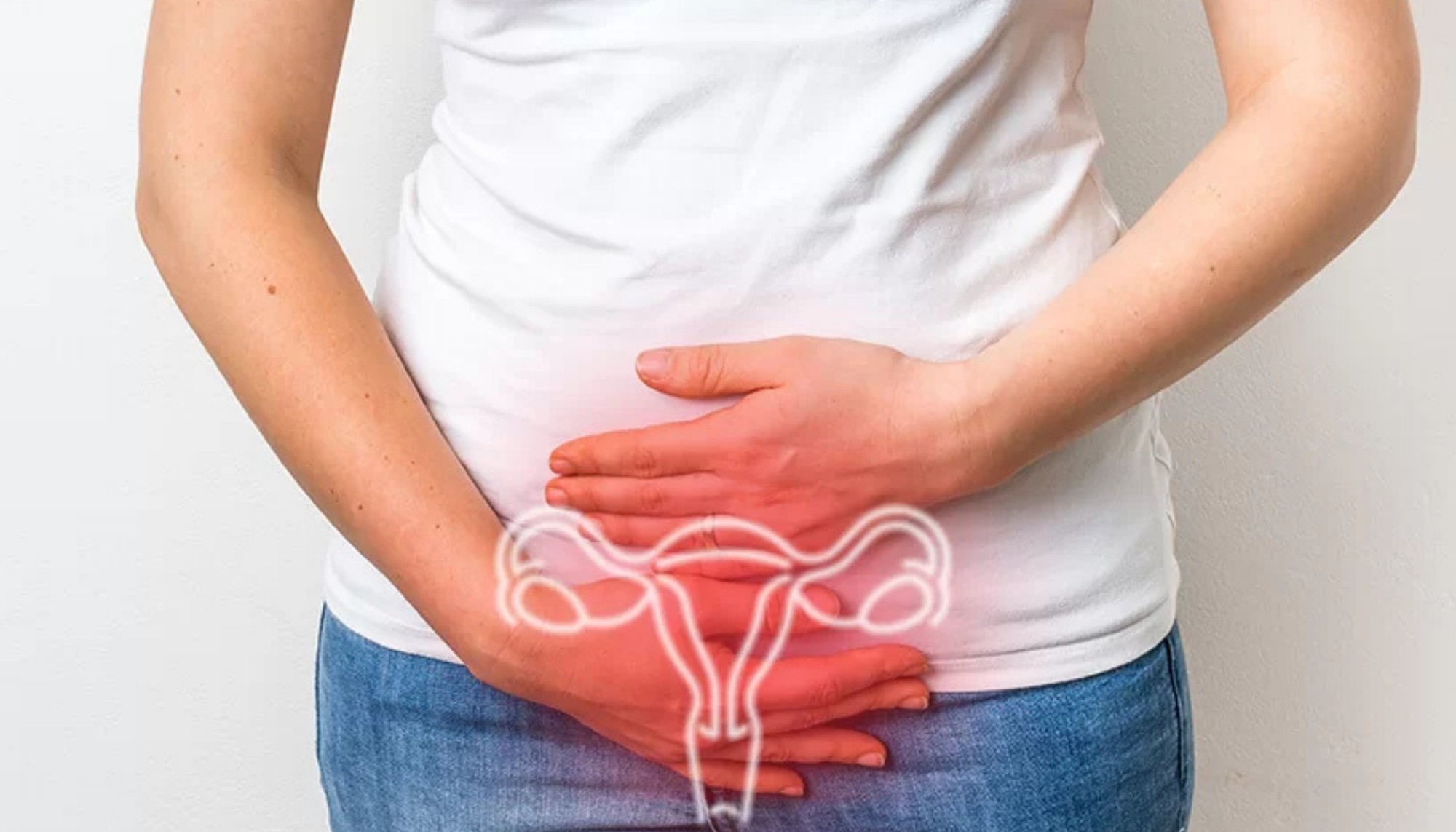
- Constant, dull, or severe dragging pain in your lower abdomen and pelvis
- Deep, agonizing pain during sexual intercourse (Dyspareunia)
- Heavy, abnormal, foul-smelling vaginal discharge that doesn't go away
- Irregular menstrual bleeding or bleeding between periods
- Pain or severe burning during urination
- Chronic lower back pain and extreme fatigue
- Infertility or difficulty getting pregnant due to blocked tubes
Ayurvedic Understanding of PID
In Ayurveda, PID is a severe disruption involving all three doshas and massive amounts of 'Ama' (toxins). The initial infection is driven by toxic Pitta (heat) and Ama entering the 'Artavavaha Srotas' (reproductive channels). This toxic heat violently burns the delicate tissues of the uterus and tubes. As the body tries to stop the burning, it creates thick Kapha (scarring/adhesions). Because the channels are now blocked and scarred, the Apana Vata (downward energy) gets trapped, causing chronic, agonizing nerve pain. At Sai Ayush, the treatment focuses on a three-pronged approach: clearing the toxic Ama, aggressively cooling the Pitta inflammation, and softening the Kapha scars to release the trapped Vata.
Who Should Avoid Immediate Ayurvedic Therapy?
Certain deep-tissue and intensive systemic therapies are strictly contraindicated and must be avoided by:
- Individuals with acute medical emergencies or active systemic infections requiring ICU care
- Patients presenting with highly contagious or acutely weeping dermatological infections (for localized contact therapies)
- Individuals with severe, unmanaged cardiovascular or respiratory distress
- Pregnant women (unless specific, highly gentle OP care is explicitly advised by the senior physician)
How Is Treatment Performed?
- Doctor-Led Pelvic & Dosha Assessment: The doctor carefully evaluates your ultrasound reports, the chronicity of your pain, and your discharge. Chronic PID is classically diagnosed as a severe 'Sannipataja' (multi-dosha) condition involving highly toxic Ama and Pitta trapped deep in the reproductive channels.
- Deep Anti-Microbial & Anti-Inflammatory Support (Pitta Shamana): To address residual, low-grade chronic infection and severe burning pain, specialized Ayurvedic 'Krimighna' (anti-microbial) and deeply cooling (Pitta-pacifying) herbs are prescribed to extinguish the internal heat and stop tissue destruction.
- Scar Tissue Softening (Lekhana): PID causes thick scar tissue (adhesions) that glues the pelvic organs together, causing constant dragging pain. Specific penetrating 'Lekhana' (scraping) herbs are given to slowly break down and digest this tough, fibrous Kapha block.
- Local Cleansing Therapies (Yoni Prakshalana): For severe, chronic foul-smelling discharge, local Ayurvedic treatments like 'Yoni Prakshalana' (medicated herbal vaginal washes) are highly effective. They directly clear the local toxicity, restore the natural pH, and heal the inflamed cervical tissues.
- Panchakarma (Basti Chikitsa): Basti (medicated enema therapy) is mandatory for severe chronic pelvic pain. It delivers powerful, healing, and anti-inflammatory oils directly to the pelvic region, calming the violently irritated nerves and softening the deep adhesions.
- Follow-Up and Immune Building: PID severely weakens the local immunity, making you prone to repeated infections. Regular follow-up ensures the inflammation is gone, and the doctor provides 'Rasayana' (rejuvenating) herbs to deeply rebuild the damaged reproductive tissues.
PID and Repeated Antibiotics
Taking strong antibiotics constantly for months to treat chronic pelvic pain often fails and severely destroys your gut health (Agni). If the active bacteria are gone, the pain is coming from inflammation and scar tissue, not infection. Ayurveda treats this chronic structural inflammation without destroying your digestion.
When Should You See a Doctor?
You should consult a doctor if:
- You have finished your allopathic antibiotics, but the severe pelvic pain remains
- You have constant, heavy, foul-smelling discharge that standard creams cannot fix
- Pain during intercourse is completely destroying your intimate life
- You have been told your fallopian tubes are blocked due to past PID
- You feel a constant, heavy, painful dragging sensation in your lower abdomen
What Results Can You Expect?
Chronic PID is deep-seated, but Ayurvedic care can drastically improve your quality of life. The practical goals include:
- Massive reduction in the chronic, daily dragging pelvic pain
- Complete clearing of abnormal, foul-smelling vaginal discharge
- Significant decrease in pain during sexual intercourse
- Softening of mild pelvic adhesions and scar tissue
- Improvement in local immunity to prevent recurring infections
- Better overall energy and elimination of chronic pelvic heaviness
Why Choose Sai Ayush for PID Care in Hyderabad?
Sai Ayush Ayurveda Hospital provides highly specialized, doctor-guided Ayurvedic support for chronic PID and severe pelvic pain. Our approach is personalized, highly anti-inflammatory, and focuses on structural healing. Patients choose Sai Ayush for:
- Experienced Ayurvedic doctors who understand the complexity of severe pelvic adhesions
- Safe, highly effective Ayurvedic herbs to clear chronic inflammation without ruining the gut
- Expertise in classical Basti (enema) therapies for deep, rapid pelvic pain relief
- Local therapies (Yoni Prakshalana) specifically for chronic, stubborn discharge
- Strict, personalized 'Pathya' (dietary) guidance essential to stop inflammation
- Ethical and patient-friendly care
Book a Consultation
If chronic, agonizing pelvic pain, painful intercourse, or constant foul discharge are destroying your life after a PID diagnosis, consult our Ayurvedic doctor for a deeply restorative, pain-relieving plan. Book your consultation at Sai Ayush Ayurveda Hospital, Hyderabad. Call: +91 81423 28080 / +91 84668 82266 Branches: KPHB and Madinaguda, Hyderabad Also Explore: • [Female Infertility Support](/treatments/womens-health/infertility) • [Endometriosis Care](/treatments/womens-health/endometriosis) • [Leucorrhoea Care](/treatments/womens-health/leucorrhoea)
Duration of Treatment
The duration of treatment heavily depends on the chronicity and severity of the condition. Acute flare-ups may require 7 to 14 days of targeted OP therapies. Severe, chronic systemic conditions may require comprehensive 21 to 90-day care protocols, potentially involving In-Patient (IP) admission for intensive daily monitoring and strict dietary control.
Clinical Integration
Our ANP³ care model perfectly integrates classical Ayurveda with Naturopathy and Physiotherapy. We routinely manage patients who are on parallel allopathic medications for diabetes, hypertension, hormonal therapy, or immunosuppressants. We ensure complete safety by carefully reviewing your current prescriptions to explicitly prevent any adverse herb-drug interactions.
FAQ Section
- Can Ayurveda completely cure PID?
- If you have an acute, sudden, raging infection with a high fever, you MUST take allopathic antibiotics immediately to kill the bacteria and save your organs. Ayurveda is highly effective at treating the *chronic* phase—clearing the lingering inflammation, stopping the daily pain, and softening the scar tissue after the acute infection is gone.
- Why do I still have severe pelvic pain even though my infection is gone?
- Because the infection caused severe physical damage. The bacteria burned the tissues, leaving behind thick scar tissue (adhesions) that literally glues your uterus, tubes, and bowels together. When these organs try to move, the glued scar tissue pulls and tears, causing agonizing pain.
- Can Ayurveda open fallopian tubes blocked by PID?
- It depends on the severity. If the tubes are completely destroyed and blocked by dense, hard, physical scar tissue, surgery or IVF is usually required. If the block is due to chronic inflammation, mucus, or mild adhesions (Kapha), Ayurvedic therapies and Basti may offer supportive help to clear them.
- Why is the discharge so heavy and foul-smelling?
- In Ayurveda, this is a sign of severe 'Ama' (toxic waste) combined with Pitta (infection/heat) trapped in the vaginal and cervical tissues. The body is constantly trying to flush out this deep-seated toxicity. Specific Ayurvedic internal herbs and local medicated washes are required to clear it.
- Is intercourse always going to be painful now?
- Not necessarily. The pain (Dyspareunia) is caused by the physical pressure hitting the highly inflamed, scarred cervix and uterus. As Ayurvedic treatments (like Basti and Pitta-pacifying herbs) drastically reduce this internal swelling and soften the tissues, the pain during intercourse significantly decreases.
- Why does Ayurveda recommend Basti (enemas) for pelvic pain?
- The pelvic cavity is very difficult to reach with oral medicines alone. Medicated Basti delivers specific Vata-pacifying and anti-inflammatory oils directly into the lower colon, which sits right next to the uterus and ovaries, providing massive, rapid relief from deep spasms and nerve pain.
- Are sour and spicy foods really that bad for PID?
- Absolutely. Sour (like tamarind, curd) and spicy foods violently aggravate Pitta (heat) and Rakta (blood). Eating them instantly increases the internal pelvic inflammation, guaranteeing that your pain and foul discharge will become much worse.
- Can severe stress make my chronic PID pain worse?
- Yes. Severe stress heavily aggravates Vata dosha, which controls the nervous system. High Vata causes violent muscle spasms in the pelvis and significantly amplifies how your brain perceives the chronic pain. Calming the nervous system is a vital part of treatment.
- Why do I feel a constant heavy 'dragging' sensation in my pelvis?
- Because your pelvic organs are heavily swollen and potentially glued together by adhesions. The trapped inflammation makes the organs heavy, physically dragging down on the pelvic floor and pressing against your bladder and lower back.
- How long does it take for Ayurvedic treatment to work for chronic PID?
- Reducing the heavy discharge and cooling the burning sensation can often happen within a few weeks. However, physically softening the deep scar tissue (Lekhana) and eliminating the chronic dragging pain requires 3 to 6 months of strict, dedicated Ayurvedic therapy and Basti. Results vary.
Medically Reviewed By: Dr. Pasalapudi Visalaanjani, B.A.M.S, MD (Kayachikitsa)
Registration No: 1146/A/2016
Disclaimer: The information provided is for educational purposes and should not replace professional medical advice. Outcomes may vary.