Ayurvedic Postpartum Care Treatment in Hyderabad
Ayurvedic Postpartum Care Treatment in Hyderabad
Golden Window: 42 Days
Binding: Abdominal
Support: Lactation
Control: Vata
Sai Ayush Ayurveda Hospital provides authentic, physician-supervised Ayurvedic treatment for postpartum care in Hyderabad. This structured, clinical approach precisely targets root-cause hormonal imbalances, reproductive health issues, and associated metabolic dysfunction using classical therapies like targeted Uttar Basti and deeply healing Panchakarma. Designed specifically for women seeking safe, non-surgical gynecological care, all interventions are conducted under strict doctor oversight, with each patient's care planned after a thorough clinical assessment. Childbirth is the most physically and emotionally exhausting event the human body can endure. After delivery, a mother's body is left completely depleted, weak, and highly vulnerable. For many new mothers, this sudden lack of physical support leads to severe back pain, extreme exhaustion, poor lactation, severe hair fall, and deep emotional instability. At Sai Ayush Ayurveda Hospital, Hyderabad, postpartum care is planned through the traditional, highly structured Ayurvedic approach known as 'Sutika Paricharya'. Instead of only focusing on the baby, our doctors meticulously assess the mother's severely aggravated Vata dosha, digestive fire (Agni), and physical tissue loss (Dhatu Kshaya) before suggesting a personalized recovery plan. Our goal is to deeply nourish and restore the mother's physical strength, safely promote healthy breast milk production, drastically reduce postpartum body pain, and provide the intense grounding care required to prevent long-term health issues.
- Condition focus: Postnatal exhaustion, low breast milk supply, postpartum depression/anxiety, severe lower back pain, abdominal sagging.
- Key therapies: Abhyanga, Udaraveshtana (Binding), Kashaya Dhara, Stanya Janana Rasayanas.
Quick Reference Matrix
| PARAMETERCLINICAL DIRECTION | |
| Who it may suit | New mothers immediately following delivery (both vaginal and C-section) looking for rapid physical restoration and rich milk supply. |
| Who should avoid | The mother is experiencing a high-grade puerperal fever, massive foul-smelling lochia, or heavy hemorrhage. |
| Typical duration | The classical regimen lasts strictly for 42 days (the global golden window). |
Clinical Care Framework
This specialized program follows our integrated ANP³ medical model for fast, sustainable healing.
- Treatment Model: ANP³ (Ayurveda, Naturopathy, Physiotherapy)
- Supervision: Senior Ayurvedic Clinical Team
- Target Conditions: Postpartum Care, Hormonal Imbalance, Reproductive Health
- Setting: Hospital Environment (KPHB OP/IP, Madinaguda OP)
- Duration: Extensive care program (Typically 3 to 6 menstrual cycles)
- Safety Protocol: Rigorous pre-treatment clinical evaluation required
Why Is Postpartum Care So Critical?
During childbirth, the body loses a massive amount of fluid, blood, and physical space (as the baby leaves the womb). In Ayurveda, this sudden 'emptiness' causes a violent, massive aggravation of Vata dosha. If this Vata is not immediately calmed and grounded using heavy oils, rest, and specific warm foods, it rushes into the nervous system and joints. This is why women who do not receive proper postpartum care often suffer from lifelong severe back pain, chronic anxiety, permanent severe hair fall, and early joint degeneration. That is why traditional Ayurvedic 'Sutika Paricharya' (postpartum care) mandates 40+ days of intense, specialized care to completely rebuild the mother's shattered tissues.
Common Postpartum Challenges
You may need Ayurvedic restorative care if you experience:
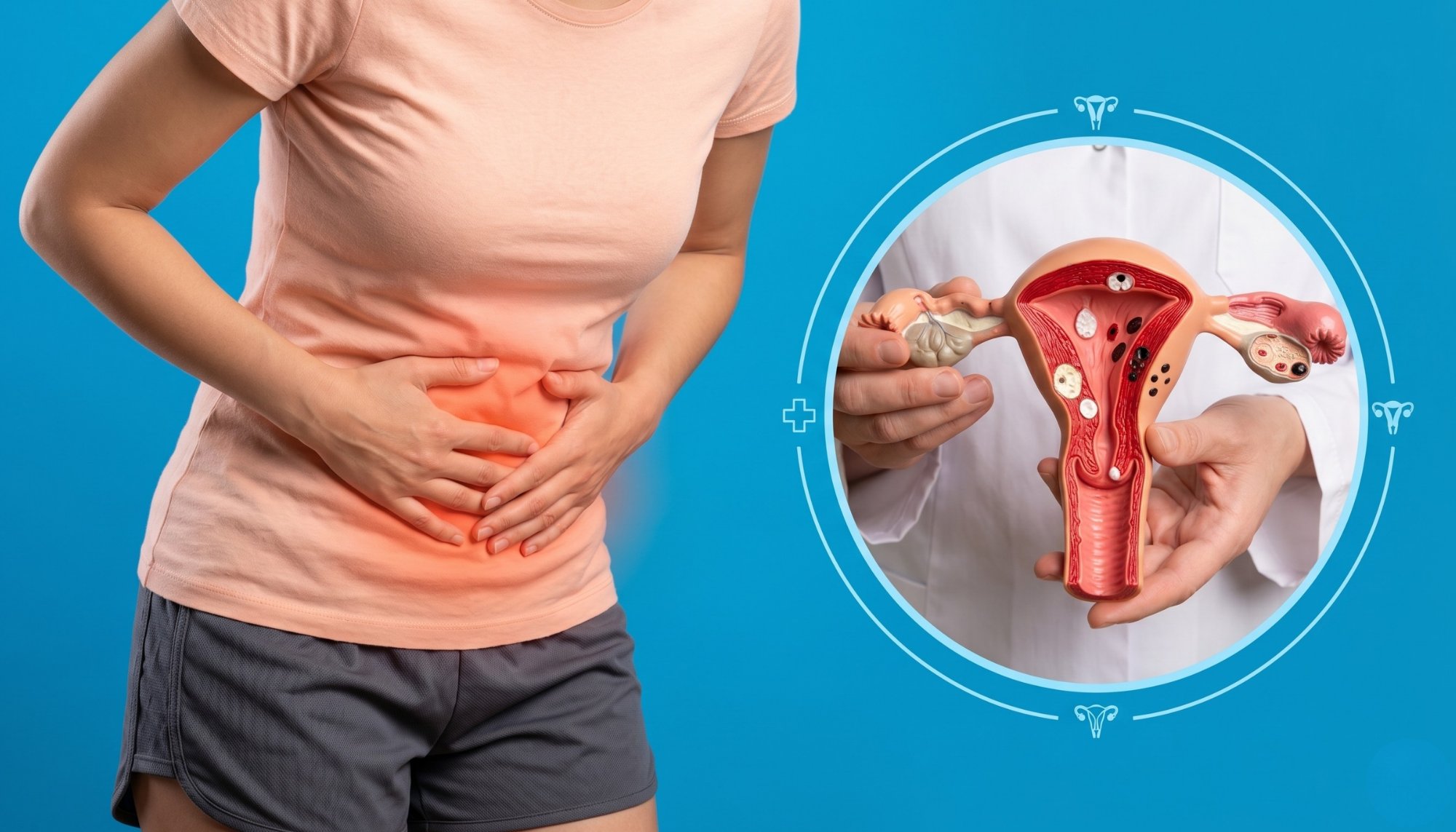
- Severe, crippling lower back pain and pelvic weakness
- Extreme, unrelenting exhaustion despite resting
- Low or insufficient breast milk supply for the baby
- Severe anxiety, sudden crying spells, or feeling deeply overwhelmed
- Massive, terrifying hair fall starting a few months after delivery
- Severe constipation and extremely weak digestion
- Poor healing of the C-section or episiotomy scar
Ayurvedic Understanding of the Postpartum Phase (Sutika Kala)
In Ayurveda, the newly delivered mother is called a 'Sutika'. Her condition is defined by extreme 'Agnimandya' (weak digestive fire) and extreme 'Dhatu Kshaya' (severe loss of physical tissues). Because her digestion is ruined, she cannot digest heavy food. Because her tissues are lost, she is violently attacked by Vata dosha (the energy of dryness and movement). The treatment protocol is extremely strict: First, reignite the digestion with very light, spiced soups. Second, clear the uterus. Third, rapidly rebuild the body using heavy, warm medicated oils externally (massage) and deeply nourishing herbs (like Shatavari and Ashwagandha) internally. At Sai Ayush, we prioritize the mother's healing just as much as the baby's health.
Who Should Avoid Immediate Ayurvedic Therapy?
Certain deep-tissue and intensive systemic therapies are strictly contraindicated and must be avoided by:
- Individuals with acute medical emergencies or active systemic infections requiring ICU care
- Patients presenting with highly contagious or acutely weeping dermatological infections (for localized contact therapies)
- Individuals with severe, unmanaged cardiovascular or respiratory distress
- Pregnant women (unless specific, highly gentle OP care is explicitly advised by the senior physician)
How Is Treatment Performed?
- Doctor-Led Postnatal Assessment: The doctor carefully evaluates the mother's delivery type (normal vs. C-section), current weakness, severe body pain, lactation status, digestion, and emotional state. This helps determine the exact level of Vata aggravation.
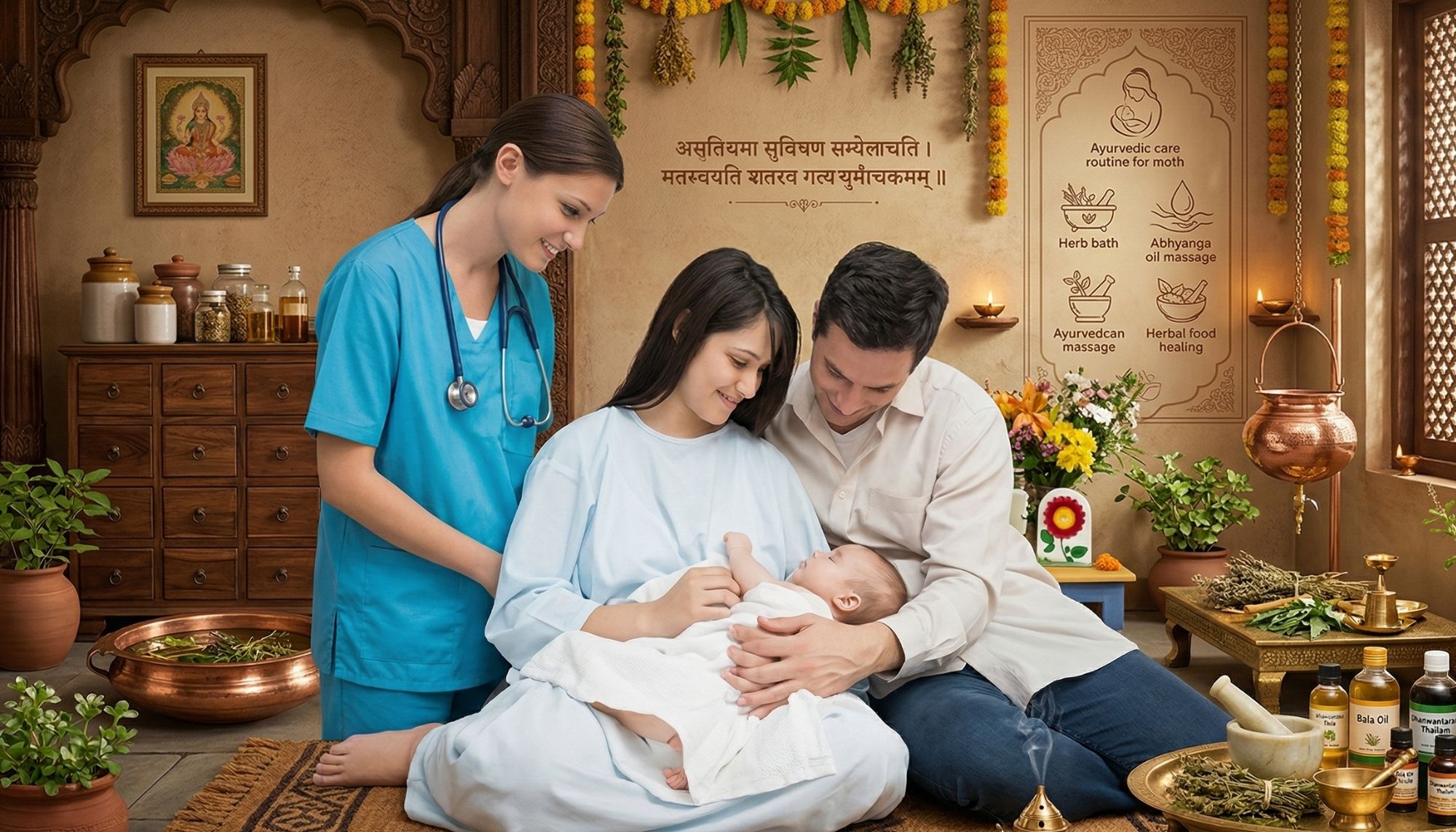
- Deep Physical Restoration (Abhyanga & Swedana): The core of Ayurvedic postpartum care is daily, heavy, warm oil massage (Abhyanga) followed by gentle herbal steam or warm water baths. This is absolutely mandatory to pacify the violently aggravated Vata, heal the exhausted muscles, and relieve severe pelvic and back pain.
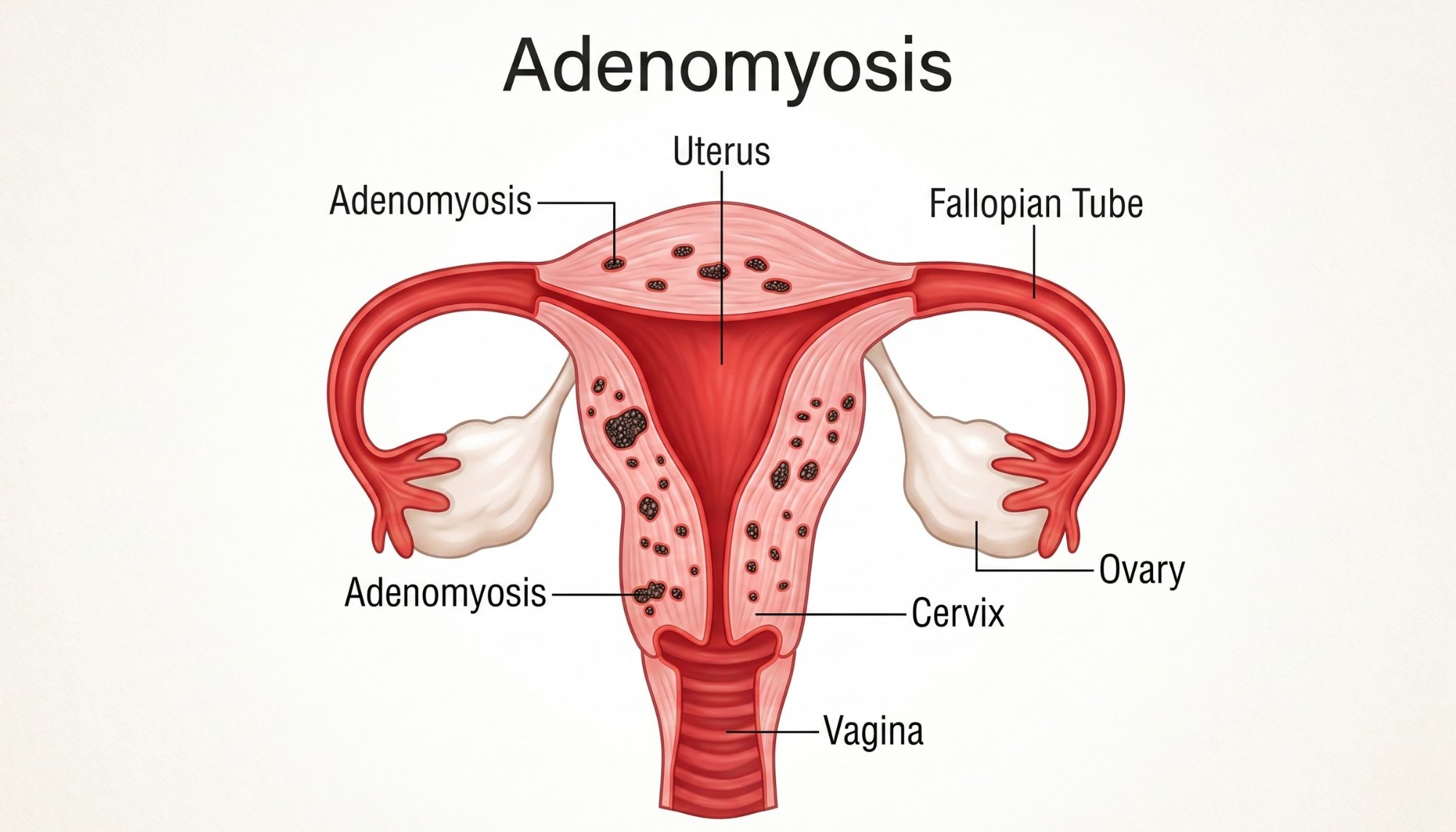
- Uterine Cleansing and Healing Medicines: Specific Ayurvedic herbs are given immediately after delivery to safely clear out residual blood and tissues from the uterus, reduce internal inflammation, and help the uterus contract back to its normal size rapidly.
- Lactation Support (Stanya Janana): If milk supply is low or breast engorgement occurs, the doctor prescribes safe, highly effective Ayurvedic galactagogues (like Shatavari) to naturally boost abundant, nutritious breast milk production without harming the baby.
- Strict Postpartum Diet (Sutika Ahara): The mother's digestive fire is incredibly weak after delivery. Our doctors provide a highly specific, warm, easily digestible, and deeply nourishing diet plan (heavy in ghee and specific spices) to rebuild lost tissues rapidly.
- Follow-Up and Mental Health Support: The postpartum period is a high-risk time for severe anxiety and depression. Regular follow-up ensures the mother is physically healing and emotionally supported, preventing the massive Vata spike from attacking the nervous system.
Postpartum Care and Future Health
Ayurveda clearly states that the care a woman receives (or neglects) in the first 45 days after childbirth dictates her physical and mental health for the rest of her life. Skipping the oil massages and eating cold, dry foods immediately after delivery is the fastest way to guarantee chronic, lifelong health problems.
When Should You Seek Ayurvedic Support?
You should consult a doctor if:
- You have recently delivered and want traditional, safe physical restoration
- You are struggling severely to produce enough breast milk
- You are experiencing unbearable back or joint pain after delivery
- You feel completely drained, highly anxious, and unable to cope
- Your digestion is completely ruined and you suffer from severe constipation
What Results Can You Expect?
Traditional Ayurvedic postpartum care is highly restorative. The practical goals include:
- Rapid relief from severe pelvic, back, and joint pain
- Abundant, highly nutritious breast milk production
- Significant calming of the nervous system, reducing anxiety and tears
- Faster, cleaner healing of the uterus and vaginal tract
- Return of strong digestive fire and elimination of constipation
- Deep rebuilding of physical strength and energy levels
Why Choose Sai Ayush for Postpartum Care in Hyderabad?
Sai Ayush Ayurveda Hospital provides highly traditional, doctor-guided Ayurvedic Sutika Paricharya (postpartum care). Our approach is deeply compassionate, highly nourishing, and focused entirely on the mother's physical and mental rescue. Patients choose Sai Ayush for:
- Experienced Ayurvedic doctors who understand severe Vata aggravation
- Expertise in traditional postpartum Abhyanga (oil massage) and therapies
- Safe, natural Ayurvedic medicines that enhance lactation without harming the baby
- Strict, personalized 'Pathya' (dietary) guidance essential for the first 40 days
- Holistic management of postpartum depression and anxiety
- Ethical and highly supportive care
Book a Consultation
If severe body pain, exhaustion, low milk supply, or anxiety are ruining your early motherhood experience, consult our Ayurvedic doctor for a deeply restorative, traditional care plan. Book your consultation at Sai Ayush Ayurveda Hospital, Hyderabad. Call: +91 81423 28080 / +91 84668 82266 Branches: KPHB and Madinaguda, Hyderabad Also Explore: • [Postnatal Depression Support](/treatments/womens-health/postnatal-depression) • [General Joint & Back Pain Care](/treatments/pain-spine/back-pain) • [Ayurvedic Therapies](/treatments/panchakarma)
Duration of Treatment
The duration of treatment heavily depends on the chronicity and severity of the condition. Acute flare-ups may require 7 to 14 days of targeted OP therapies. Severe, chronic systemic conditions may require comprehensive 21 to 90-day care protocols, potentially involving In-Patient (IP) admission for intensive daily monitoring and strict dietary control.
Clinical Integration
Our ANP³ care model perfectly integrates classical Ayurveda with Naturopathy and Physiotherapy. We routinely manage patients who are on parallel allopathic medications for diabetes, hypertension, hormonal therapy, or immunosuppressants. We ensure complete safety by carefully reviewing your current prescriptions to explicitly prevent any adverse herb-drug interactions.
FAQ Section
- Is it safe to take Ayurvedic herbs while breastfeeding?
- Yes, provided they are strictly prescribed by a qualified Ayurvedic doctor. Ayurveda has specific herbs (like Shatavari and Jeeraka) that not only increase milk supply but also safely pass through the milk to improve the baby's digestion and immunity.
- Why is daily oil massage (Abhyanga) so important after delivery?
- Childbirth causes a massive spike in Vata (dry, erratic energy). The absolute best and fastest way to pacify Vata, relieve severe muscle pain, and heal exhausted tissues is through the heavy application of warm, medicated sesame oils on the body.
- When can I start Ayurvedic postpartum massage if I had a C-section?
- If you had a normal delivery, light massage can begin within a few days. If you had a C-section, the abdomen must strictly be avoided until the surgical incision is completely healed (usually 3-4 weeks), but the arms, legs, and back can still be carefully massaged.
- Can Ayurveda help if my breast milk supply is very low?
- Absolutely. Low milk supply is often due to poor digestion, severe stress, or lack of nutrition. Ayurvedic 'Stanya Janana' herbs rapidly increase supply while deeply nourishing the mother.
- Why am I suddenly losing so much hair 3 months after delivery?
- This is called Postpartum Telogen Effluvium. The massive drop in pregnancy hormones, combined with the extreme exhaustion of delivery, forces hair follicles into a resting phase. Ayurvedic herbs help rebuild the blood (Rakta) and stabilize this massive shedding.
- Is it normal to feel extremely cold after giving birth?
- Yes. The sudden 'emptiness' in the abdomen causes a massive Vata spike, which is cold by nature. This is why Ayurveda strictly mandates warm clothing, warm food, and warm oil therapies to protect the vulnerable mother from drafts and cold.
- Why does Ayurveda say I should only eat warm, liquid foods initially?
- After delivery, your digestive fire (Agni) is incredibly weak. If you eat heavy, hard, or raw foods, your body cannot digest them, creating severe gas and colic for both you and the nursing baby. Light, warm, spiced gruels slowly rebuild your digestive strength.
- Can postpartum care help shrink my stomach back?
- Yes. The specialized postpartum diet, combined with abdominal binding (after healing) and specific uterine-clearing herbs, helps the uterus contract rapidly and safely reduces the accumulated water and Vata from the abdominal area.
- Can severe anxiety after birth be treated with Ayurveda?
- Yes. The 'Baby Blues' or anxiety is directly caused by the massive Vata spike attacking the highly sensitive nervous system. Deeply grounding oil therapies (like Shirodhara) and brain-calming herbs provide profound relief and stability.
- How long should traditional postpartum care (Sutika Paricharya) last?
- Ayurveda recommends a minimum of 45 days of intense rest, specific diet, and daily oil therapies. This 'golden window' is the time required for the reproductive organs to shrink back and the tissues to fully recover.
Medically Reviewed By: Dr. Pasalapudi Visalaanjani, B.A.M.S, MD (Kayachikitsa)
Registration No: 1146/A/2016
Disclaimer: The information provided is for educational purposes and should not replace professional medical advice. Outcomes may vary.