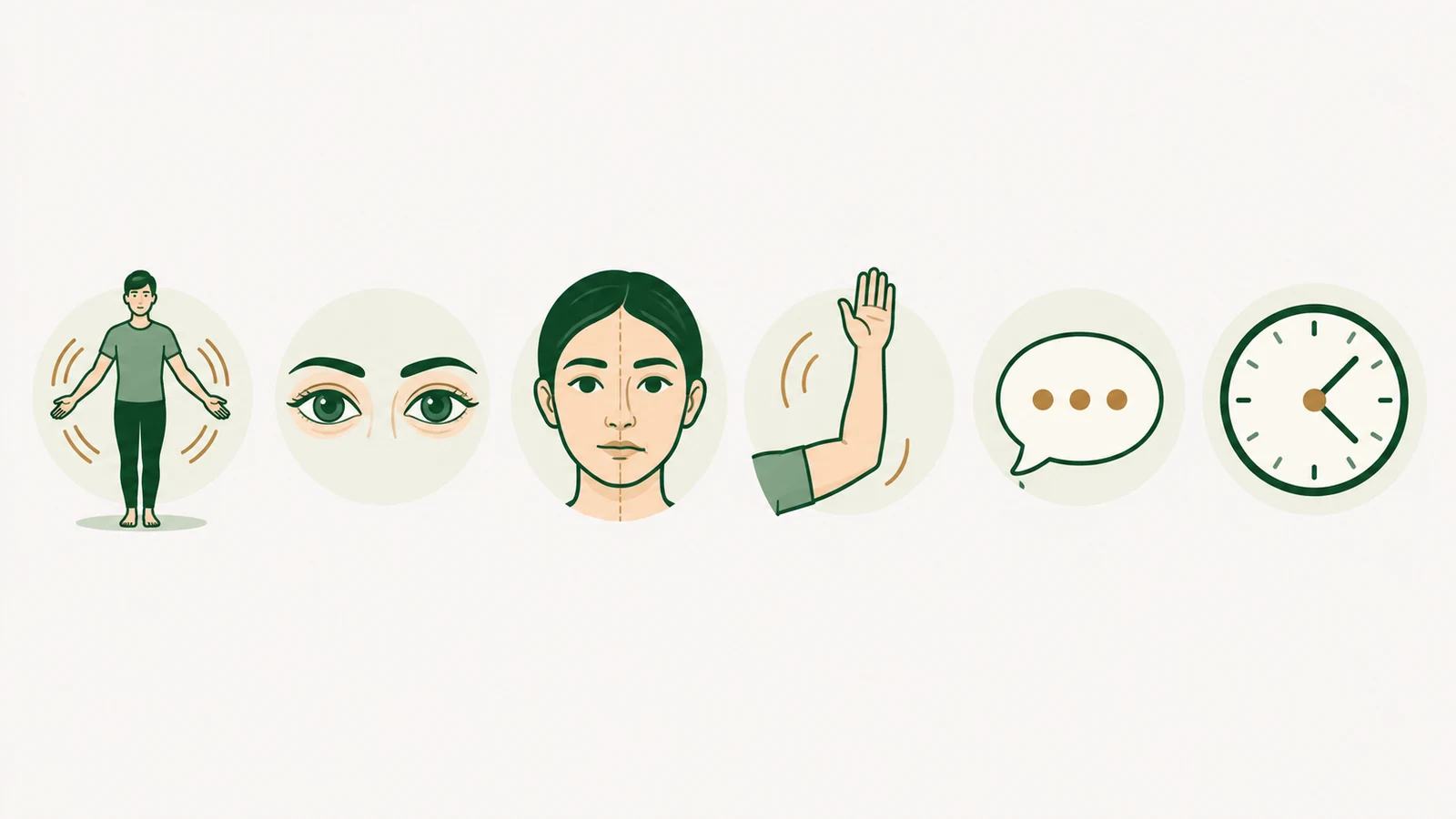



What is fibromyalgia?
Fibromyalgia is a chronic condition in which people feel pain across many parts of the body at once, usually with fatigue, unrefreshing sleep and "brain fog." Importantly, the pain is not due to inflammation or damage in the muscles and joints themselves — current understanding is that the nervous system becomes more sensitive and amplifies pain signals, so normal sensations are felt as painful. This is why standard scans and blood tests often look normal, which can be frustrating for patients. From an Ayurvedic standpoint, this widespread, shifting, "nothing-shows-on-tests" pain fits a Vata-predominant pattern. You can read our approach on our Ayurvedic fibromyalgia care page.
What causes fibromyalgia?
The exact cause isn't fully known, but several factors are linked to it:
Possible triggers
- A physical or emotional stressful event (injury, illness, surgery, major life stress)
- An infection in some cases
Contributing factors
- Changes in pain processing in the brain and nervous system (central sensitisation)
- Disturbed sleep, which worsens pain and fatigue in a vicious cycle
- A family tendency (it can run in families)
- More common in women, and often appears in mid-life
In Ayurveda, this is understood as aggravated Vata (governing the nervous system and movement), often with impaired digestion (Agni) and accumulated toxins (ama), disturbing comfort, sleep and energy.
Symptoms and warning signs
Fibromyalgia varies, but common features include:
- Widespread pain — on both sides of the body, above and below the waist, often described as a constant dull ache
- Fatigue — waking unrefreshed even after long sleep
- Sleep problems and non-restorative sleep
- "Fibro fog" — trouble with memory and concentration
- Tenderness, stiffness (often worse in the morning), headaches
- Heightened sensitivity to pain, light, noise or temperature
- Low mood or anxiety, which commonly accompany chronic pain
Because these overlap with other conditions, a doctor should confirm the diagnosis and rule out other causes.
The Ayurvedic perspective
From an Ayurvedic perspective, fibromyalgia aligns closely with a Vata-vyadhi (Vata-disorder) picture — widespread, migrating pain, dryness, stiffness, disturbed sleep, anxiety and fatigue are classic signs of aggravated Vata affecting the body and mind. Weak digestion (Agni) and the build-up of metabolic toxins (ama) are seen as contributors that deepen the imbalance. Management therefore focuses on calming Vata, strengthening digestion, nourishing the tissues and steadying the mind, rather than on any single symptom.
The modern medical perspective
Conventional care views fibromyalgia as a disorder of pain regulation. Diagnosis is clinical (based on the pattern of symptoms, since tests are typically normal), and management usually combines gentle graded exercise, sleep improvement, stress management, and sometimes medicines to modify pain signals or improve sleep, under a doctor's guidance. Ayurveda is used as complementary support — not a replacement — within this picture.
When to consult a doctor
See a doctor if you have persistent, widespread pain with fatigue and poor sleep, so the diagnosis can be confirmed and other conditions excluded. Seek prompt medical attention if pain is sudden, severe, or localised with swelling, redness or fever, if there is significant unexplained weight loss, or if low mood becomes severe or you have thoughts of self-harm — these need urgent, direct support. Fibromyalgia itself isn't dangerous, but a proper assessment matters because its symptoms overlap with other treatable conditions.
How Ayurveda may support fibromyalgia
As complementary care, a personalised Ayurvedic plan (based on your Prakriti and current imbalance) may include:
- Vata-pacifying therapies: gentle Abhyanga (warm oil massage) and Swedana to ease pain and stiffness
- Shirodhara to support sleep, calm the mind and reduce "fibro fog"
- Supervised Panchakarma such as Basti where indicated, to address the Vata imbalance
- Digestion support and a nourishing, warm diet to reduce ama
- Herbal support prescribed and monitored by the doctor
- Yoga, gentle breathing and relaxation to help the pain–stress–sleep cycle
The goal is better comfort, sleep, energy and quality of life — alongside your medical care. Ayurveda does not cure fibromyalgia, and results vary.
Practical lifestyle guidance
- Move gently and regularly — light activity (walking, yoga, stretching) usually eases symptoms; avoid long inactivity
- Protect your sleep — regular timing, a wind-down routine, a dark quiet room
- Manage stress — breathing, meditation or counselling; stress strongly amplifies fibromyalgia pain
- Eat warm, regular, easy-to-digest meals; avoid skipping meals
- Pace yourself — balance activity and rest to avoid "boom-and-bust" flares
- Keep warm — cold and damp can worsen stiffness
Living with unexplained, all-over pain? Learn about our Ayurvedic fibromyalgia care, or book a consultation for a personalised assessment. Online and in-person consultations are available.
Frequently asked questions
Is fibromyalgia a real condition or is the pain imagined? It is a real, recognised condition. The pain is genuine — it's thought to come from changes in how the nervous system processes pain signals, not from imagination. Tests often look normal, but that doesn't mean the pain isn't real.
Can fibromyalgia be cured? There is no known cure, but symptoms can be managed well with a combination of gentle exercise, sleep and stress care, medical treatment, and complementary support such as Ayurveda. Results vary between individuals.
Why do I feel exhausted even after sleeping? Fibromyalgia often disrupts deep, restorative sleep, so you can wake unrefreshed. Improving sleep quality is one of the most helpful steps, which is why it's a focus of both medical and Ayurvedic care.
Can Ayurveda help with fibromyalgia? Ayurvedic therapies (such as Abhyanga and Shirodhara), diet, herbs and lifestyle care are traditionally used to calm Vata, improve sleep and ease pain — as complementary support alongside medical treatment, not a replacement. Results vary.
Is fibromyalgia the same as arthritis? No. Arthritis involves inflammation or damage in the joints; fibromyalgia is widespread pain from altered pain processing, without joint damage. They can, however, occur together.
Talk to us
Sai Ayush Ayurveda Hospital — KPHB: +91 81423 28080 · Madinaguda: +91 84668 82266. Online & offline consultations available. Learn more on our Ayurvedic fibromyalgia care page.
Related reading:
- NIAMS (US National Institute of Arthritis and Musculoskeletal and Skin Diseases) — Fibromyalgia: https://www.niams.nih.gov/health-topics/fibromyalgia
- NHS (UK) — Fibromyalgia: https://www.nhs.uk/conditions/fibromyalgia/
- Mayo Clinic — Fibromyalgia, diagnosis & treatment: https://www.mayoclinic.org/diseases-conditions/fibromyalgia/diagnosis-treatment/drc-20354785
Medical disclaimer
This article is for educational purposes only and does not constitute medical advice. Please consult a qualified healthcare professional before beginning any treatment. If you are experiencing a medical emergency, contact your nearest hospital immediately.

Medically Reviewed By
Dr. Chenna Abhilash, B.A.M.S, MS (Shalya), Reg No: PR653/A/2022
Updated on October 27, 2026
This article is for educational purposes only and does not constitute medical advice. Please consult a qualified healthcare professional before beginning any treatment. If you are experiencing a medical emergency, contact your nearest hospital immediately.