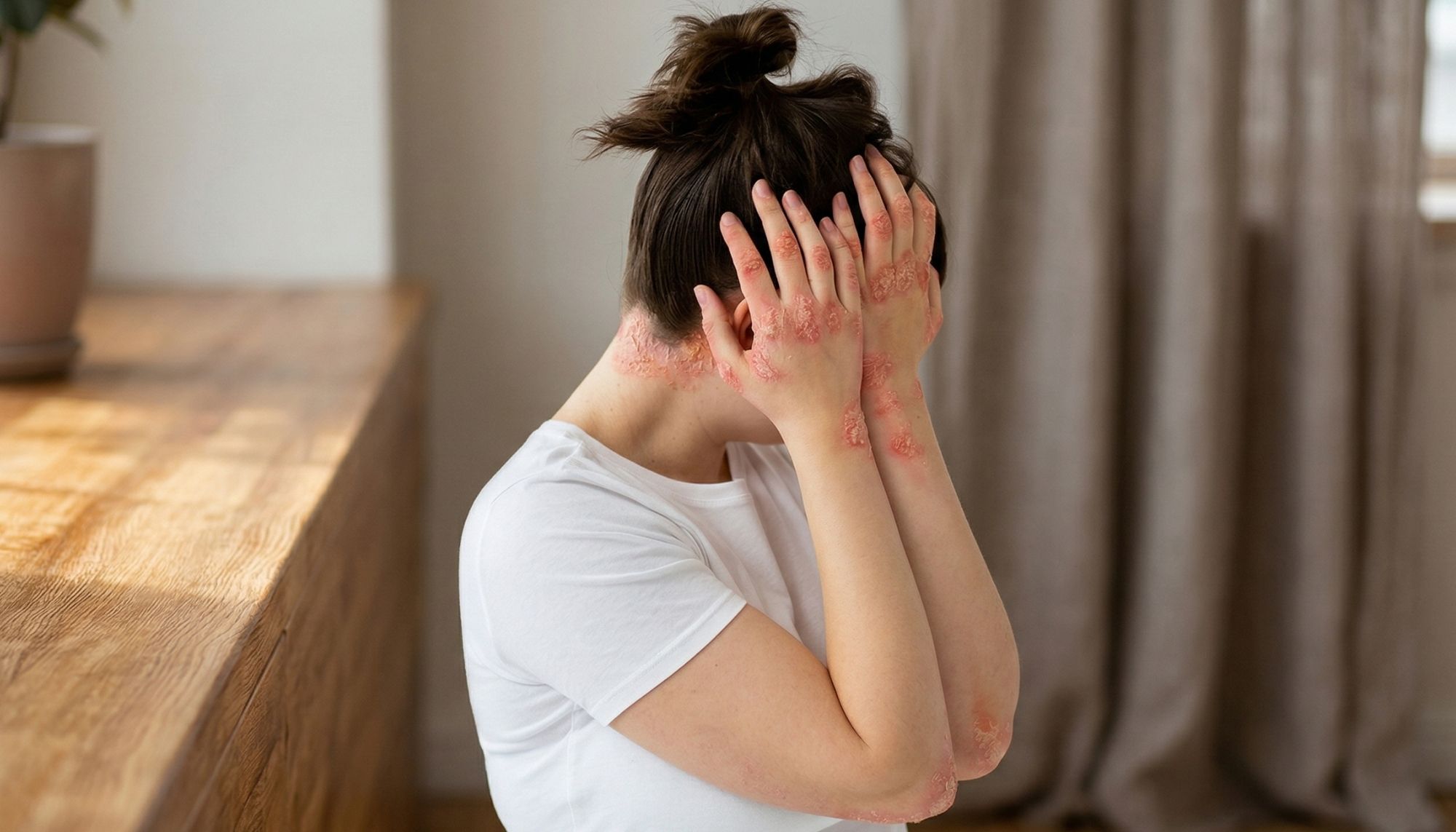
Ayurvedic Psoriasis Treatment in Hyderabad
Ayurvedic Psoriasis Treatment in Hyderabad
Days Protocol: 21-28
Purification: Blood
Clearance: Plaque
Focus: Autoimmune
Sai Ayush Ayurveda Hospital provides authentic, physician-supervised Ayurvedic treatment for psoriasis in Hyderabad. This structured, clinical approach precisely targets deep-seated blood toxins (Rakta Dosha), autoimmune skin flare-ups, and follicular health using classical therapies like targeted Takradhara, Raktamokshana, and deeply healing Virechana (detoxification). Designed specifically for patients seeking safe, non-steroidal dermatological care, all interventions are conducted under strict doctor oversight, with each patient's care planned after a thorough clinical assessment. Psoriasis is not just a dry skin problem. It is a chronic, recurring skin condition that can cause itching, scaling, redness, thick patches, discomfort, and emotional stress. For many people, flare-ups come again and again due to stress, food habits, weather changes, poor sleep, infections, lifestyle imbalance, or other personal triggers. At Sai Ayush Ayurveda Hospital, Hyderabad, our approach to psoriasis care is doctor-guided, personalized, and focused on long-term management. We do not treat psoriasis as a one-cream or one-medicine condition. Our Ayurvedic doctors assess your skin condition, digestion, sleep, stress levels, lifestyle, food habits, previous medication history, and flare-up pattern before planning your treatment. Our goal is to support healthier skin, reduce flare-up triggers, manage itching and scaling, and improve your overall quality of life through Ayurveda, Panchakarma where suitable, diet correction, and lifestyle guidance.
- Condition focus: Silvery scales, deep red bleeding plaques, scalp psoriasis, extreme itching, psoriatic joint pain.
- Key therapies: Vamana, Virechana, Takradhara, Jalaukaavacharana (Leech Therapy).
Quick Reference Matrix
| PARAMETER | CLINICAL DIRECTION |
|---|---|
| Who it may suit | Patients suffering from aggressive, widespread psoriatic lesions covering the body who want to avoid immunosuppressants like Methotrexate. |
| Who should avoid | The patient currently has a massive systemic bacterial super-infection of the open skin lesions requiring IV antibiotics. |
| Typical duration | Intensive 21-day inpatient Panchakarma is an absolute biological requirement for clearance. |
Clinical Care Framework
This specialized program follows our integrated ANP³ medical model for fast, sustainable healing.
- Treatment Model: ANP³ (Ayurveda, Naturopathy, Physiotherapy)
- Supervision: Senior Ayurvedic Clinical Team
- Target Conditions: Psoriasis, Autoimmune Skin/Scalp Inflammation, Blood Toxicity
- Setting: Hospital Environment (KPHB OP/IP, Madinaguda OP)
- Duration: Typically 21 to 45 days
- Safety Protocol: Rigorous pre-treatment clinical evaluation required
What Is Psoriasis?
Psoriasis is a long-term inflammatory skin condition where skin cells build up faster than usual, leading to dry, scaly, itchy, or thickened patches. It commonly appears on the scalp, elbows, knees, legs, back, palms, soles, nails, and sometimes skin folds. Psoriasis is not contagious. It does not spread from one person to another by touch, sharing food, sitting together, or using common spaces. However, it can affect confidence, sleep, comfort, and daily routine if not managed properly.
Common Symptoms of Psoriasis
People with psoriasis may experience:
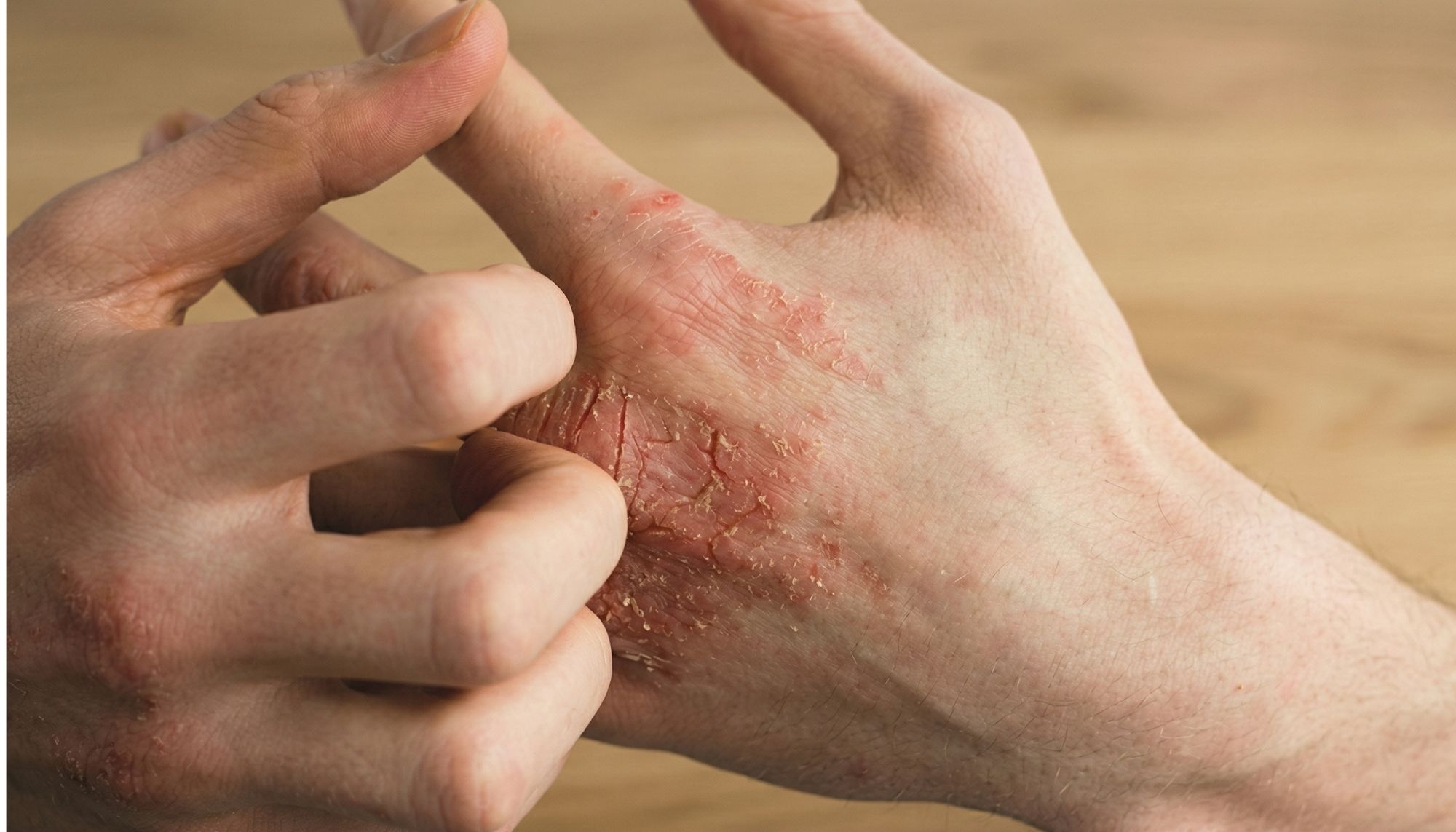
- Dry, thick, scaly patches on the skin
- Itching, burning, or irritation
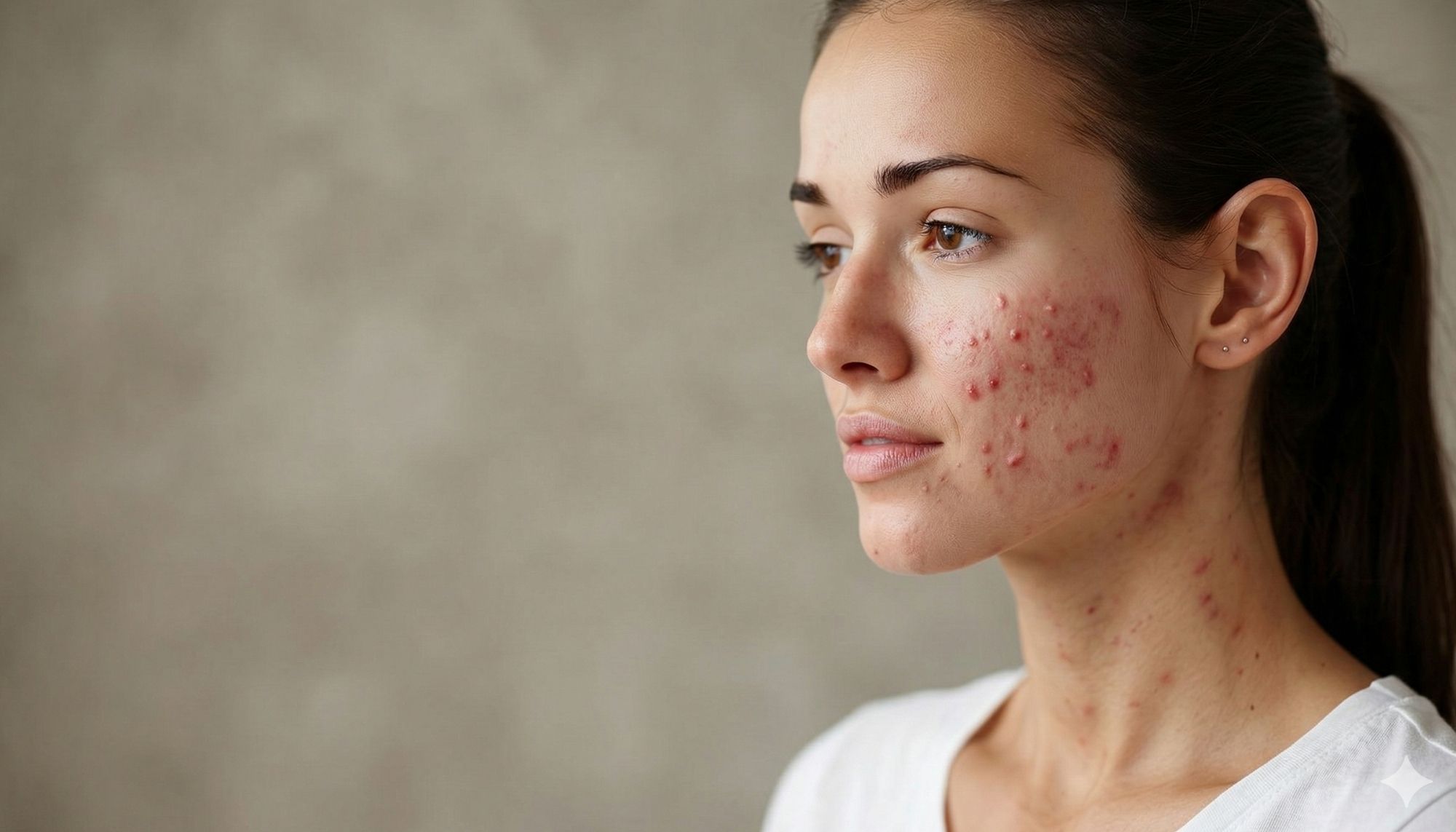
- Redness or inflammation around affected areas
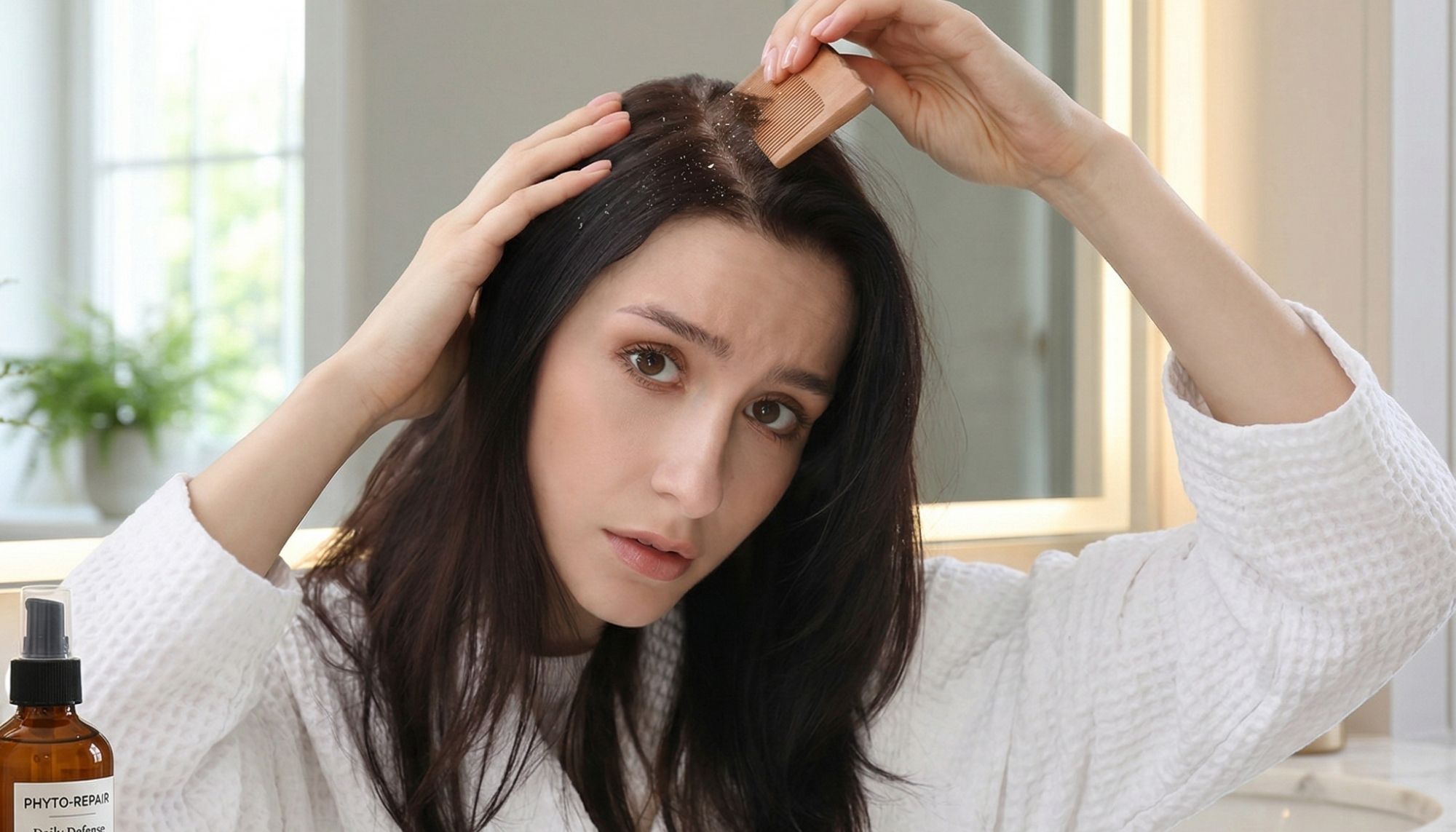
- Flaking from the scalp or body
- Cracks or bleeding in severe dryness
- Nail pitting, thickening, or discoloration
- Repeated flare-ups after stress, illness, weather changes, or certain foods
- Joint pain or stiffness in some people
Ayurvedic Understanding of Psoriasis
In Ayurveda, many psoriasis-like skin presentations are understood under Kushtha conditions such as Ekakushta or Kitibha, depending on symptoms and body constitution. Ayurveda looks at psoriasis through the balance of Vata, Pitta, Kapha, Rakta dhatu, digestion, metabolism, stress, and toxin accumulation described in classical Ayurvedic understanding. This does not mean every psoriasis patient receives the same treatment. One person may have more dryness and cracking, another may have more redness and burning, while another may have thick scaling, scalp involvement, or stress-related flare-ups. That is why proper doctor evaluation is important.
Who Should Avoid Immediate Ayurvedic Therapy?
Certain deep-tissue and intensive systemic therapies are strictly contraindicated and must be avoided by:
- Individuals with acute medical emergencies or active systemic infections requiring ICU care
- Patients presenting with highly contagious or acutely weeping dermatological infections (for localized contact therapies)
- Individuals with severe, unmanaged cardiovascular or respiratory distress
- Pregnant women (unless specific, highly gentle OP care is explicitly advised by the senior physician)
How is the Treatment Performed?
Every treatment plan is bespoke and typically follows this clinical framework:
- Comprehensive Diagnostic Evaluation: Deep assessment of your metabolic Doshas, chronicity of the illness, and systemic health.
- Preparatory Phase (Snehana & Swedana): Internal medications and targeted external therapies to mobilize deep-seated toxins (Ama).
- Primary Intervention: Highly targeted clinical therapies (like specialized Basti, Shirodhara, or Lepanam) to aggressively heal the affected systems.
- Post-Treatment Care: Strict dietary modifications (Pathya) and lifestyle management to prevent future relapses.
How Is Treatment Performed?
- Detailed Doctor Consultation: Our Ayurvedic doctor first evaluates your symptoms, affected areas, duration, flare-up triggers, digestion, bowel pattern, sleep, stress, food habits, family history, previous steroid or immune-suppressive medicine use, and any joint-related symptoms. This helps us understand whether the focus should be on reducing inflammation, improving digestion, calming stress response, supporting skin barrier health, or managing repeated flare-ups.
- Personalized Internal Medicines: Ayurvedic medicines may be advised to support digestion, skin health, blood purification as per Ayurvedic principles, inflammation balance, and better internal harmony. Medicines are selected based on your Prakriti, symptom pattern, severity, and medical history. Do not self-medicate for psoriasis.
- Targeted External Therapies: Depending on whether the patches are dry and scaling (Vata) or red and burning (Pitta), doctors prescribe specific herbal pastes (Lepa), medicated oils for the scalp (Shiro Abhyanga), or soothing herbal washes (Dhara) to directly soften thick plaques and reduce severe itching.
- Panchakarma Support When Suitable: Panchakarma is not required for every psoriasis patient. When indicated, therapies may be planned to support internal cleansing. The doctor may consider therapies such as Virechana for Pitta-related skin imbalance, Basti for Vata-related dryness, or Takradhara where stress is a major trigger.
- Diet and Lifestyle Guidance: Psoriasis management is not only about medicines. Our doctors guide you with practical diet corrections such as eating regular freshly prepared meals, reducing processed/fermented foods, supporting digestion, managing stress through breathing, and avoiding scratching or harsh chemical products.
- Follow-Up and Flare Management: Psoriasis often needs long-term monitoring. Some patients improve gradually, while some may need repeated follow-up depending on severity, lifestyle, and triggers. Our doctors help you understand what to do during flare-ups, what to avoid, and how to maintain results safely.
Types of Psoriasis We Commonly Support
Sai Ayush provides Ayurveda-based supportive care for different psoriasis presentations, including:
- Plaque psoriasis
- Scalp psoriasis
- Palm and sole psoriasis
- Nail psoriasis support
- Chronic recurrent psoriasis
- Dry, itchy, scaly skin patches
- Stress-triggered psoriasis flare-ups
- Psoriasis with lifestyle and digestion imbalance
What Results Can You Expect?
Psoriasis is a chronic condition, so the aim is not to promise overnight clearance or permanent cure. The practical goals of Ayurvedic psoriasis care may include:
- Better control of itching and scaling
- Reduced frequency or intensity of flare-ups
- Improved skin comfort
- Better digestion and lifestyle rhythm
- Improved sleep and stress management
- Support for long-term skin health
- Better confidence in daily life
Why Choose Sai Ayush for Psoriasis Care?
Sai Ayush Ayurveda Hospital offers doctor-guided Ayurveda and Panchakarma care in Hyderabad with a focus on safety, personalization, and long-term wellness. Our team combines classical Ayurvedic understanding with practical lifestyle guidance, hygienic therapy rooms, trained therapists, and structured follow-up. Patients choose Sai Ayush for:
- Experienced Ayurvedic doctors
- Personalized treatment plans
- Panchakarma facilities under supervision
- Diet and lifestyle guidance
- Support for chronic and recurring skin conditions
- Ethical, transparent, patient-friendly care
When to See a Doctor Urgently
See a qualified medical doctor urgently if you experience:
- Widespread redness, severe pain, or burning over the entire body (Erythrodermic)
- Fever, chills, and pus-filled bumps (Pustular)
- Sudden, severe worsening of symptoms after stopping steroids
- Joint swelling, stiffness, and inability to move normally
- Severe cracks with uncontrollable bleeding
Book a Consultation
If psoriasis is affecting your skin comfort, sleep, confidence, or daily routine, consult our Ayurvedic doctor for a personalized assessment. Book your psoriasis consultation at Sai Ayush Ayurveda Hospital, Hyderabad. Call: +91 81423 28080 / +91 84668 82266 Branches: KPHB and Madinaguda, Hyderabad Also Explore: • [Ayurvedic Eczema Treatment](/treatments/skin-hair/eczema) • [Ayurvedic Dermatitis Treatment](/treatments/skin-hair/dermatitis) • [Panchakarma Detoxification](/treatments/panchakarma/virechana)
Duration of Treatment
The duration of treatment heavily depends on the chronicity and severity of the condition. Acute flare-ups may require 7 to 14 days of targeted OP therapies. Severe, chronic systemic conditions may require comprehensive 21 to 90-day care protocols, potentially involving In-Patient (IP) admission for intensive daily monitoring and strict dietary control.
Clinical Integration
Our ANP³ care model perfectly integrates classical Ayurveda with Naturopathy and Physiotherapy. We routinely manage patients who are on parallel allopathic medications for diabetes, hypertension, hormonal therapy, or immunosuppressants. We ensure complete safety by carefully reviewing your current prescriptions to explicitly prevent any adverse herb-drug interactions.
FAQ Section
- Can Ayurveda help in psoriasis management?
Ayurveda may support psoriasis management by addressing digestion, lifestyle, stress, skin comfort, and dosha imbalance. Treatment should be planned by a qualified Ayurvedic doctor after proper assessment. - Is psoriasis curable permanently?
Psoriasis is usually a chronic recurring condition. The aim of treatment is to manage symptoms, reduce flare-ups, and improve quality of life. Avoid 'permanent cure' claims. - Is psoriasis contagious?
No. Psoriasis is not contagious and does not spread through touch, sharing food, or sitting near someone. - Which Panchakarma is good for psoriasis?
Virechana, Basti, Takradhara, Shirodhara, or external therapies may be considered depending on the patient’s condition. Panchakarma should not be done without doctor evaluation. - How long does Ayurvedic psoriasis treatment take?
It depends on severity, duration, triggers, lifestyle, and previous medication use. Some patients need a few weeks of initial management, while chronic cases may need longer follow-up. - Can I stop my steroid cream after starting Ayurveda?
Do not suddenly stop prescribed steroid creams or medicines without guidance from your dermatologist or treating doctor. Sudden withdrawal may worsen symptoms. - Does diet affect psoriasis?
For some people, diet, alcohol, smoking, stress, poor sleep, infections, weather, or certain medicines can trigger flare-ups. Diet advice should be personalized. - When should I see a doctor urgently?
See a doctor urgently if you have widespread redness, fever, pus, severe pain, sudden worsening, cracks with bleeding, or joint swelling/stiffness. - Can eating seafood worsen Psoriasis?
Yes. In Ayurveda, eating seafood (especially combining it with milk or dairy, known as Viruddha Ahara) severely corrupts the blood (Rakta Dhatu) and rapidly worsens skin scaling. - Why do my Psoriasis patches flake more in winter?
Winter is naturally cold and dry (aggravating Vata dosha). This environmental dryness instantly strips moisture from the already compromised skin, causing the silvery scales to thicken and flake heavily.
Medically Reviewed By: Dr. Pasalapudi Visalaanjani, B.A.M.S, MD (Kayachikitsa)
Registration No: 1146/A/2016
Disclaimer: The information provided is for educational purposes and should not replace professional medical advice. Outcomes may vary.