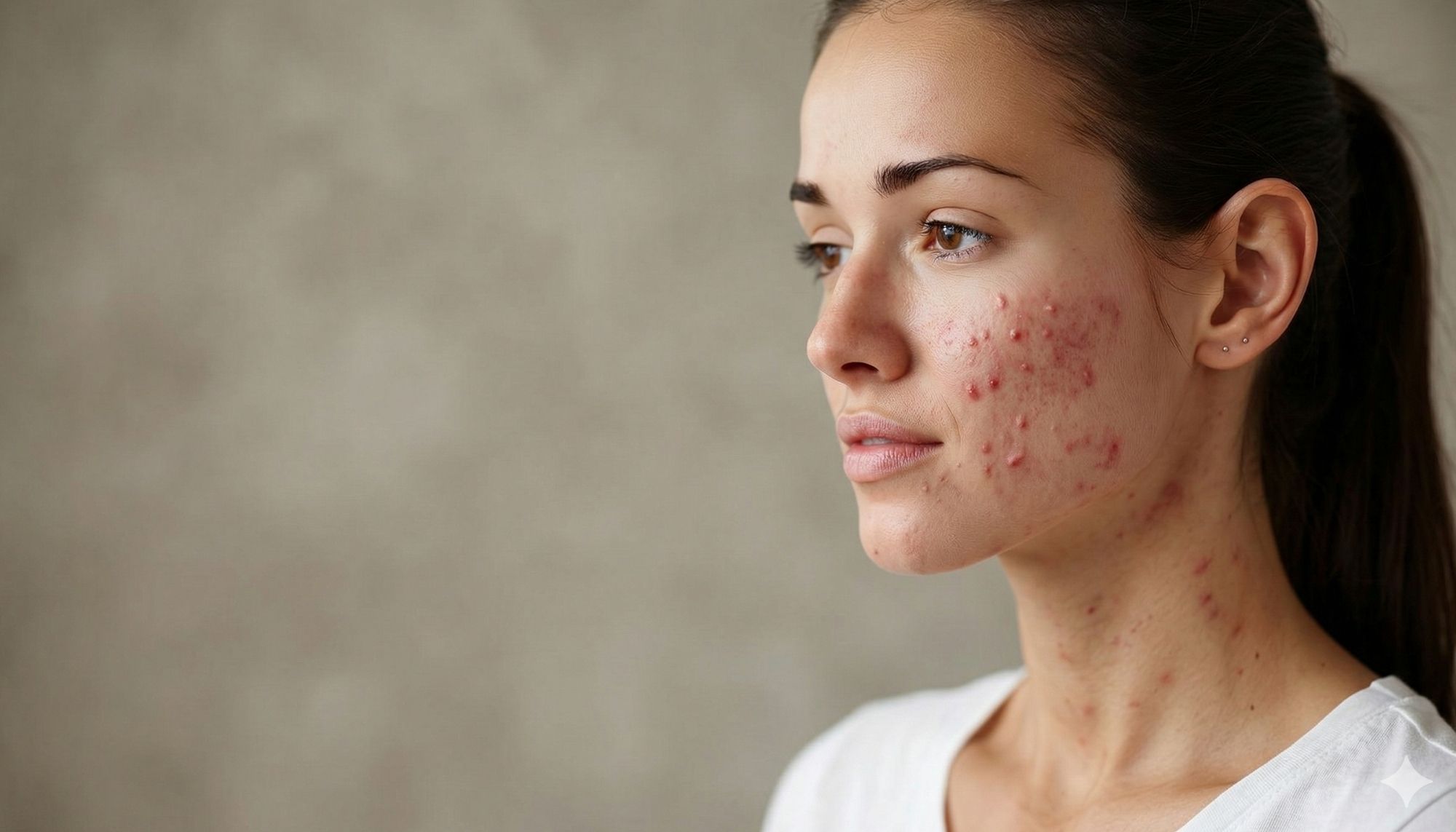
Ayurvedic Acne Vulgaris Treatment in Hyderabad
Ayurvedic Acne Vulgaris Treatment in Hyderabad
Detoxification: Pore
Regulated: Hormone
Reduction: Scar
Purged: Blood
Sai Ayush Ayurveda Hospital provides authentic, physician-supervised Ayurvedic treatment for acne vulgaris in Hyderabad. This structured, clinical approach precisely targets deep-seated blood toxins (Rakta Dosha), autoimmune skin flare-ups, and follicular health using classical therapies like targeted Takradhara, Raktamokshana, and deeply healing Virechana (detoxification). Designed specifically for patients seeking safe, non-steroidal dermatological care, all interventions are conducted under strict doctor oversight, with each patient's care planned after a thorough clinical assessment. Acne (Pimples) is far more than just a teenage phase. It is a complex condition involving blocked pores, excess oil production, bacterial inflammation, and underlying hormonal or digestive imbalances. For many adults, deep, painful cystic acne along the jawline or chronic breakouts on the back and chest can severely impact self-esteem and leave permanent dark spots or scars. At Sai Ayush Ayurveda Hospital, Hyderabad, our approach to acne care looks beneath the surface. We do not just apply harsh, drying chemicals to the skin. Our Ayurvedic doctors carefully assess the root causes—such as chronic acidity, hormonal fluctuations (like PCOD), severe stress, poor dietary habits, and systemic heat—before creating a holistic plan. Our goal is to systematically cool the blood, regulate internal digestion and hormonal balance, gently clear the skin surface using safe Ayurvedic herbs, and guide you on a lifestyle that prevents constant future breakouts.
- Condition focus: Deep horrific cystic acne, hormonal jawline breakouts, painful pustules, severe scarring.
- Key therapies: Mukhalepana, Jalaukaavacharana, Virechana, Nasyam.
Quick Reference Matrix
| PARAMETER | CLINICAL DIRECTION |
|---|---|
| Who it may suit | Patients suffering from agonizing, hard cysts under the skin that leave deep purple or pitted scars and do not respond to topical creams. |
| Who should avoid | The patient is currently on a high dose of oral Accutane (Isotretinoin), which completely thins the skin and damages the liver—we cannot purge during this time. |
| Typical duration | 14-day intensive detox, with clear skin emerging over 3 full cellular cycles (90 days). |
Clinical Care Framework
This specialized program follows our integrated ANP³ medical model for fast, sustainable healing.
- Treatment Model: ANP³ (Ayurveda, Naturopathy, Physiotherapy)
- Supervision: Senior Ayurvedic Clinical Team
- Target Conditions: Acne Vulgaris, Autoimmune Skin/Scalp Inflammation, Blood Toxicity
- Setting: Hospital Environment (KPHB OP/IP, Madinaguda OP)
- Duration: Typically 21 to 45 days
- Safety Protocol: Rigorous pre-treatment clinical evaluation required
What is Acne Vulgaris?
Acne is a skin condition that occurs when your hair follicles become plugged with oil and dead skin cells. It causes whiteheads, blackheads, or pimples. Acne is most common among teenagers, though it affects people of all ages. While largely harmless to physical health, severe acne can cause significant emotional distress, anxiety, and long-term physical scarring.
Common Symptoms of Acne Vulgaris
Acne flare-ups are frequently triggered or worsened by:
- Hormonal changes (puberty, menstrual cycles, pregnancy, PCOD)
- Certain medications (including corticosteroids)
- Diet high in refined sugars, carbohydrates, and excessive dairy
- Severe chronic stress (which spikes cortisol and oil production)
- Using heavy, pore-clogging (comedogenic) cosmetics and creams
- Constant picking or squeezing of existing pimples (which spreads bacteria)
Ayurvedic Understanding of Acne
In Ayurveda, acne is termed 'Yauvanapidaka' (eruptions of youth) or 'Mukhadushika'. It is primarily caused by the vitiation of Kapha dosha (causing excess oil/sebum and blockages), Pitta dosha (causing the redness, pus, and inflammation), and Rakta dhatu (blood tissue). When poor diet or hormonal stress creates excess heat and toxins in the stomach and liver, it reflects directly on the skin, particularly the face, shoulders, and upper back.
Who Should Avoid Immediate Ayurvedic Therapy?
Certain deep-tissue and intensive systemic therapies are strictly contraindicated and must be avoided by:
- Individuals with acute medical emergencies or active systemic infections requiring ICU care
- Patients presenting with highly contagious or acutely weeping dermatological infections (for localized contact therapies)
- Individuals with severe, unmanaged cardiovascular or respiratory distress
- Pregnant women (unless specific, highly gentle OP care is explicitly advised by the senior physician)
How is the Treatment Performed?
Every treatment plan is bespoke and typically follows this clinical framework:
- Comprehensive Diagnostic Evaluation: Deep assessment of your metabolic Doshas, chronicity of the illness, and systemic health.
- Preparatory Phase (Snehana & Swedana): Internal medications and targeted external therapies to mobilize deep-seated toxins (Ama).
- Primary Intervention: Highly targeted clinical therapies (like specialized Basti, Shirodhara, or Lepanam) to aggressively heal the affected systems.
- Post-Treatment Care: Strict dietary modifications (Pathya) and lifestyle management to prevent future relapses.
How Is Treatment Performed?
- Detailed Consultation & Root Cause Analysis: Our doctor thoroughly evaluates the type of acne. Is it tiny, painful red bumps (Pitta)? Deep, hard, painless cysts (Kapha)? Or associated with irregular periods and facial hair (Hormonal/PCOD)? We also heavily scrutinize your digestion, stress levels, and daily skincare routine.
- Internal Blood Purifying Medicines: Acne is primarily treated internally in Ayurveda. Specific herbs are prescribed to cool the liver, pacify Pitta (heat), purify the Rakta (blood) tissue, and gently support hormonal balance. This stops the continuous creation of new deep pimples.
- Safe External Applications (Mukhalepa): We provide specific, highly refined Ayurvedic face packs (Mukhalepa) and mild herbal cleansers. These aim to safely absorb excess oil, gently unplug blocked pores, and reduce bacterial inflammation without stripping the skin of its natural moisture barrier.
- Panchakarma Detoxification (If Severe): For severe, chronic cystic acne covering the face, back, and chest, oral medicines may not be enough. Mild Virechana (therapeutic purgation) or Raktamokshana (where clinically indicated) may be advised to deeply flush out systemic toxins and drastically cool the blood.
- Dietary Correction for Clear Skin: Diet is absolutely critical for acne. The doctor will mandate a strict reduction in highly processed sugars, heavy dairy, excess chocolates, deep-fried foods, and excessive spices, all of which violently spike Pitta and Kapha, leading to massive oil production.
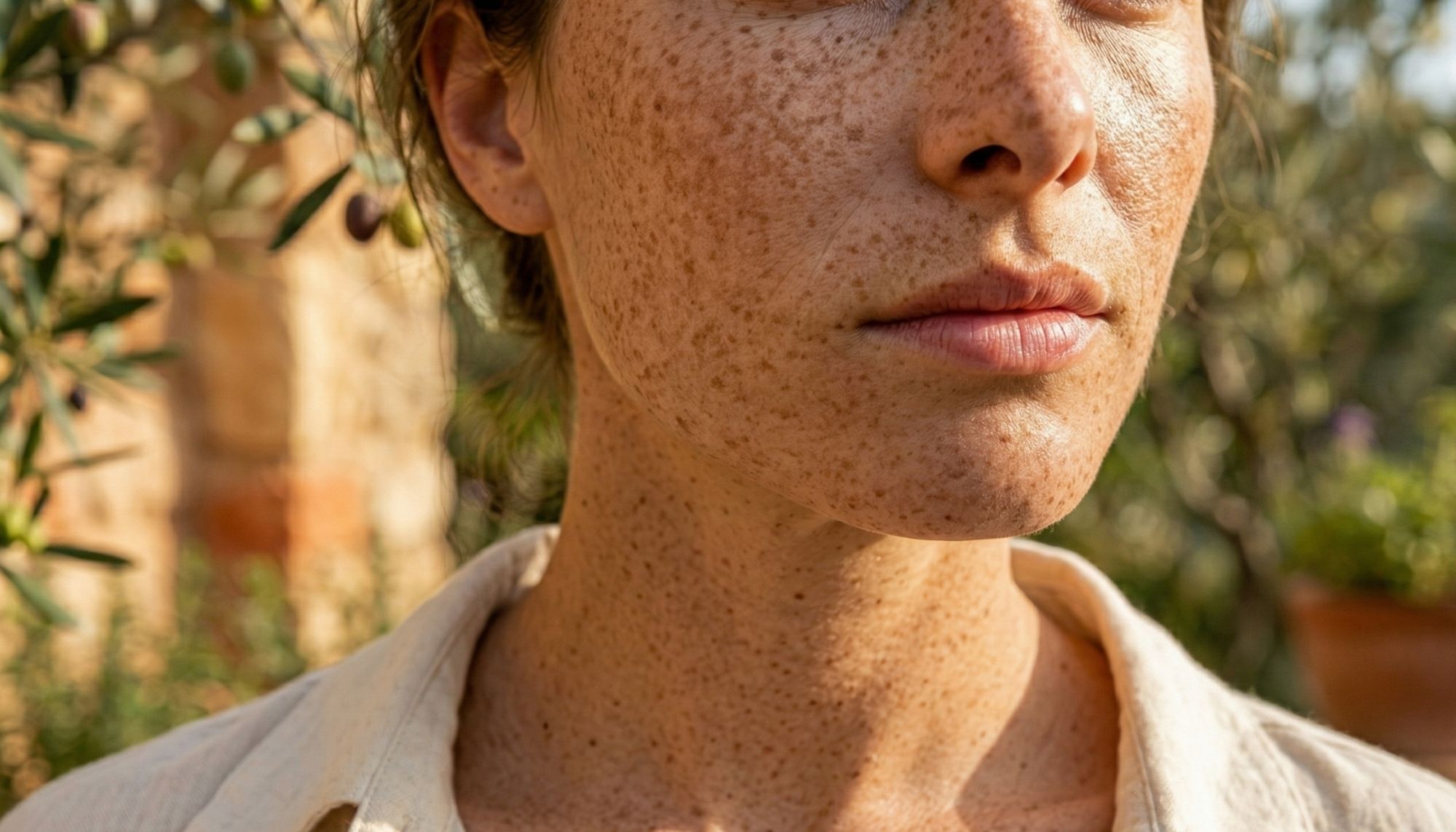
- Post-Acne Mark Management: Once active breakouts stop, the focus shifts to reducing hyper-pigmentation and dark spots left behind. Gentle Ayurvedic oils and pastes are used to improve skin cell turnover and brighten the complexion safely over time.
Types of Acne We Support
Sai Ayush provides Ayurvedic care for various presentations of acne:
- Hormonal acne (frequent jawline/chin breakouts before periods)
- Papules and Pustules (classic red, inflamed pimples with pus)
- Chronic Cystic Acne (deep, painful, hard lumps under the skin)
- Back and chest acne (Bacne)
- Acne associated with PCOD/PCOS
- Post-inflammatory hyperpigmentation (dark spots left by old acne)
Why Choose Sai Ayush for Acne Care?
Sai Ayush Ayurveda Hospital focuses on clearing the skin from the inside out, rather than just suppressing the surface with harsh drying chemicals that damage the skin barrier. Patients choose us for:
- Doctor-guided hormonal and digestive evaluation
- Safe, cooling internal medicines for blood purification
- Gentle, non-chemical external face packs
- Panchakarma options for severe, stubborn cystic cases
- Detailed guidance on a skin-clearing diet
- Supportive care to prevent permanent deep scarring
When to Seek Urgent Conventional Care
Consult a dermatologist or medical doctor urgently if:
- A single 'pimple' becomes massively swollen, extremely hot, and highly painful (possible Staph infection or boil)
- You develop a fever alongside a severe sudden skin eruption
- The acne is causing immediate, severe, deep 'ice-pick' scarring
- You experience sudden, severe facial hair growth or voice deepening alongside sudden acne (urgent endocrine evaluation required)
Book an Acne Consultation
If constant breakouts, painful cysts, or stubborn dark spots are affecting your confidence, consult our Ayurvedic doctors to address the root internal causes. Book your skin consultation at Sai Ayush Ayurveda Hospital, Hyderabad. Also Explore: • [Ayurvedic PCOD Support](/treatments/womens-health/pcod) • [Ayurvedic Pigmentation Care](/treatments/skin-hair/pigmentation) • [Ayurvedic Dandruff Treatment](/treatments/skin-hair/dandruff)
Duration of Treatment
The duration of treatment heavily depends on the chronicity and severity of the condition. Acute flare-ups may require 7 to 14 days of targeted OP therapies. Severe, chronic systemic conditions may require comprehensive 21 to 90-day care protocols, potentially involving In-Patient (IP) admission for intensive daily monitoring and strict dietary control.
Clinical Integration
Our ANP³ care model perfectly integrates classical Ayurveda with Naturopathy and Physiotherapy. We routinely manage patients who are on parallel allopathic medications for diabetes, hypertension, hormonal therapy, or immunosuppressants. We ensure complete safety by carefully reviewing your current prescriptions to explicitly prevent any adverse herb-drug interactions.
FAQ Section
- Can Ayurveda clear my acne quickly?
Ayurveda focuses on the root cause. While external packs can soothe redness quickly, internal blood purification and hormonal balancing take time. Most patients require consistent adherence for several weeks to see a significant reduction in new breakouts. - Will squeezing a pimple make it go away faster?
No. Squeezing or 'popping' a pimple forces the bacteria and pus deeper into the skin, causing severe inflammation, spreading the infection to adjacent pores, and guaranteeing a permanent dark spot or scar. - Does drinking water help clear acne?
Yes. Proper hydration is vital for flushing toxins from the body and keeping the skin barrier healthy. However, water alone cannot cure severe hormonal or cystic acne. - Is dairy bad for acne?
In many cases, yes. In Ayurveda, heavy, cold dairy (like excessive cheese, ice cream, or cold milk) heavily increases Kapha dosha, causing pore blockages and increasing sebum (oil) production. - Can dandruff cause forehead acne?
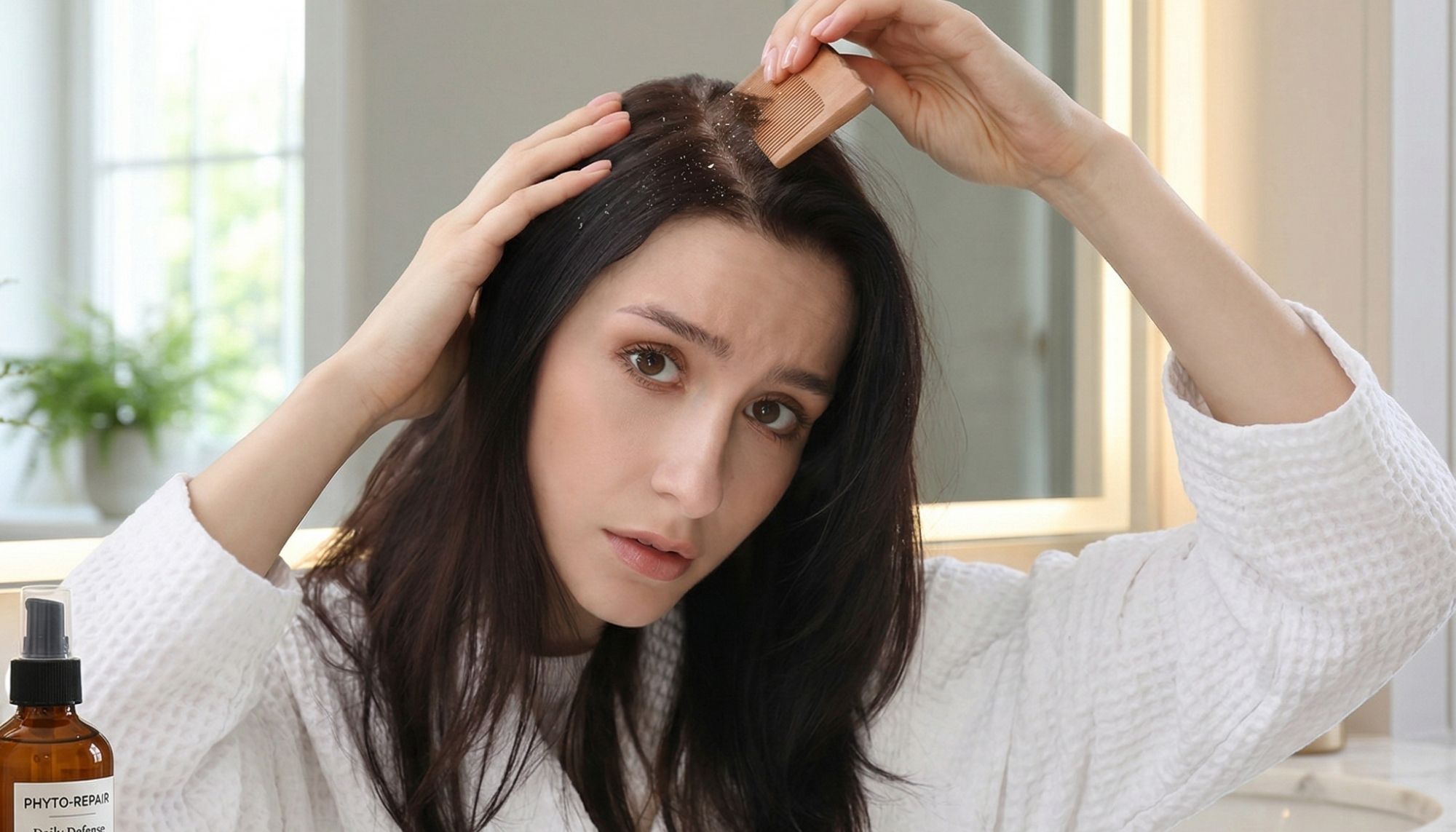
Yes. Severe dandruff (flaking scalp) falling onto the forehead frequently clogs the pores there, leading to a specific type of fungal or bacterial acne. Treating the scalp is necessary to clear the forehead. - Can Ayurveda remove deep 'ice-pick' acne scars?
Ayurveda is highly effective at fading dark spots (hyperpigmentation) using specific oils. However, deep, pitted 'ice-pick' scars where the tissue is permanently destroyed cannot be physically filled in by Ayurveda; they often require advanced dermatological procedures. - Does eating oily food directly cause pimples?
In Ayurveda, it is not just the oil, but poor digestion (weak Agni). If you cannot digest heavy, oily food, it turns into Ama (toxins) that clogs the pores from the inside out. - Why do I get huge painful cysts instead of small pimples?
Cystic acne indicates a severe Kapha-Rakta block. The heavy, sticky toxins are trapped deep under the skin, unable to surface, causing massive swelling and deep pain. - Should I pop a whitehead to clear it faster?
Never. Popping forcefully spreads the infected pus deeper into the surrounding tissue, massively aggravating Pitta and guaranteeing a dark, permanent scar. - Can chronic constipation cause forehead acne?
Yes. If the colon is blocked, the body attempts to expel toxins through the largest organ—the skin. Forehead acne is often a direct sign of a highly toxic, constipated gut.
Medically Reviewed By: Dr. Pasalapudi Visalaanjani, B.A.M.S, MD (Kayachikitsa)
Registration No: 1146/A/2016
Disclaimer: The information provided is for educational purposes and should not replace professional medical advice. Outcomes may vary.