Ayurvedic Stroke Recovery Treatment in Hyderabad
Ayurvedic Stroke Recovery Treatment in Hyderabad
Intervention: Immediate
Recovery: Motor
Reduction: Spasticity
Integration: ANP³
Sai Ayush Ayurveda Hospital provides authentic, physician-supervised Ayurvedic treatment for stroke recovery in Hyderabad. This structured, clinical approach precisely targets nerve degeneration, motor deficits, and neuro-muscular stiffness using classical therapies like targeted Shirodhara, Nasya, and deeply healing neuro-muscular Basti. Designed specifically for patients seeking safe, non-surgical neurological rehabilitation, all interventions are conducted under strict doctor oversight, with each patient's care planned after a thorough clinical assessment. Surviving a stroke is a critical medical emergency, but the journey afterward—stroke recovery and rehabilitation—determines the long-term quality of life. For many people, a stroke results in paralysis on one side of the body (hemiplegia), difficulty speaking, facial drooping, severe muscle weakness, and joint stiffness (spasticity). At Sai Ayush Ayurveda Hospital, Hyderabad, Ayurvedic stroke recovery treatment is planned under doctor supervision after the patient has stabilized from the acute medical emergency. We carefully assess the extent of paralysis, muscle tone (flaccid or spastic), swallowing ability, medical history (like hypertension), and time passed since the stroke. Our approach integrates classical Ayurveda, intensive external nerve-stimulating treatments, Panchakarma therapies, and daily physiotherapy. The aim is not just temporary comfort. The focus is to safely support neuroplasticity, improve blood circulation to weakened limbs, manage painful muscle spasticity, support nerve recovery, and guide the patient through the slow, structured process of regaining maximum possible functional independence.
- Condition focus: Hemiplegia, facial drooping, aphasia (loss of speech), severe muscular atrophy, post-stroke spasticity.
- Key therapies: Pizhichil, Nasyam, Shashtika Shali Pinda Sweda, Physiotherapy.
Quick Reference Matrix
| PARAMETERCLINICAL DIRECTION | |
| Who it may suit | Patients who have been clinically discharged from the ICU after a stroke but are left paralyzed and urgently need to regain movement. |
| Who should avoid | The patient currently has an active, untreated, actively bleeding brain hemorrhage or dangerously uncontrolled blood pressure. |
| Typical duration | Massive intensive inpatient rehabilitation spanning 6 to 12 weeks. |
Clinical Care Framework
This specialized program follows our integrated ANP³ medical model for fast, sustainable healing.
- Treatment Model: ANP³ (Ayurveda, Naturopathy, Physiotherapy)
- Supervision: Senior Ayurvedic Clinical Team
- Target Conditions: Stroke Recovery, Neurological Deficits, Nerve Degeneration
- Setting: Hospital Environment (KPHB OP/IP, Madinaguda OP)
- Duration: Extensive neuro-rehab program (Typically 21 to 90 days)
- Safety Protocol: Rigorous pre-treatment clinical evaluation required
What Is a Stroke?
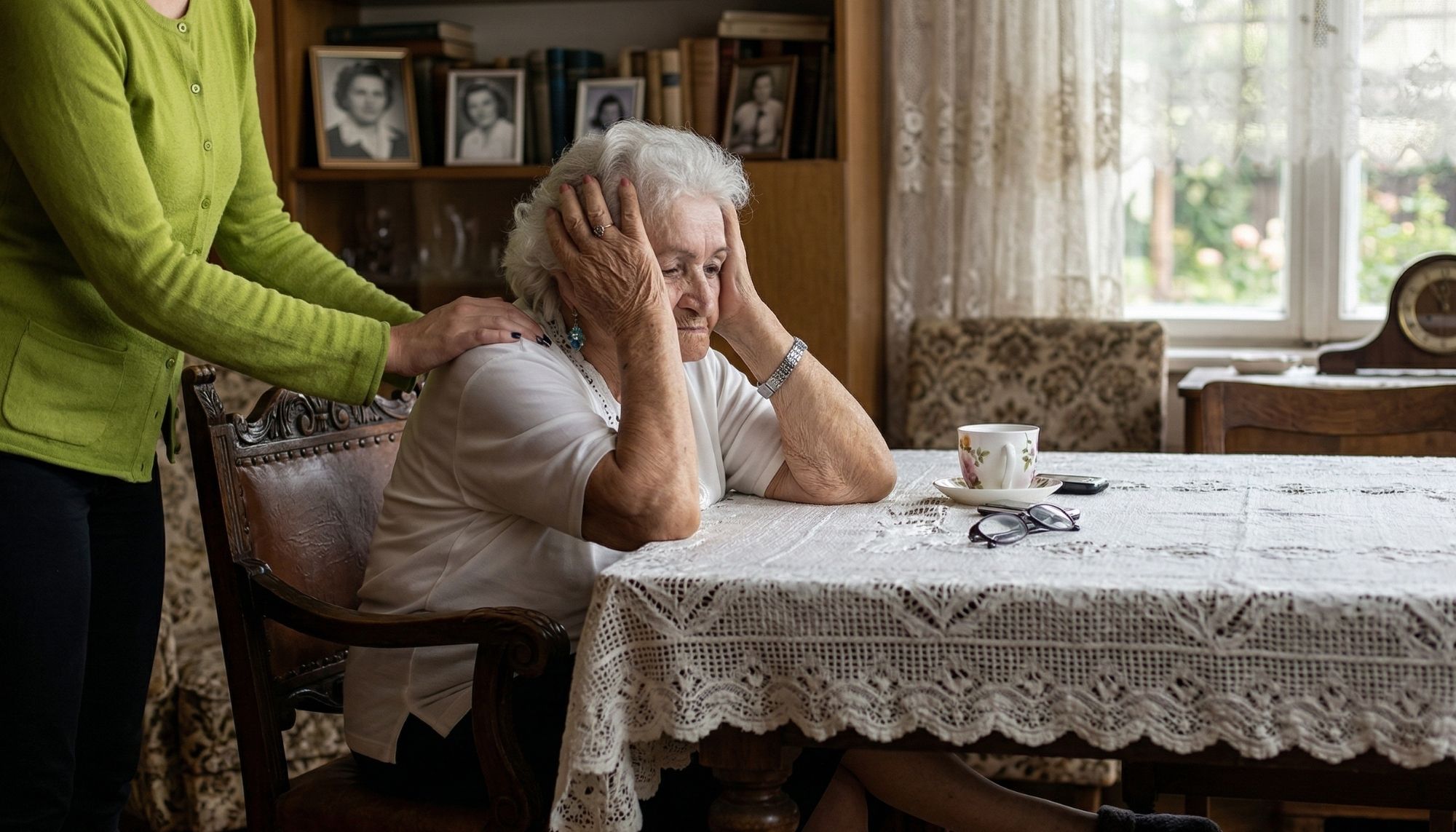
A stroke occurs when the blood supply to part of the brain is interrupted or reduced, preventing brain tissue from getting oxygen and nutrients. Brain cells begin to die in minutes. Recovery depends on which part of the brain was affected. Stroke after-effects may be associated with:
- Paralysis or weakness on one side of the body (Hemiplegia)
- Difficulty speaking or understanding speech (Aphasia)
- Facial drooping or numbness on one side
- Difficulty swallowing (Dysphagia)
- Severe stiffness and painful muscle spasms (Spasticity)
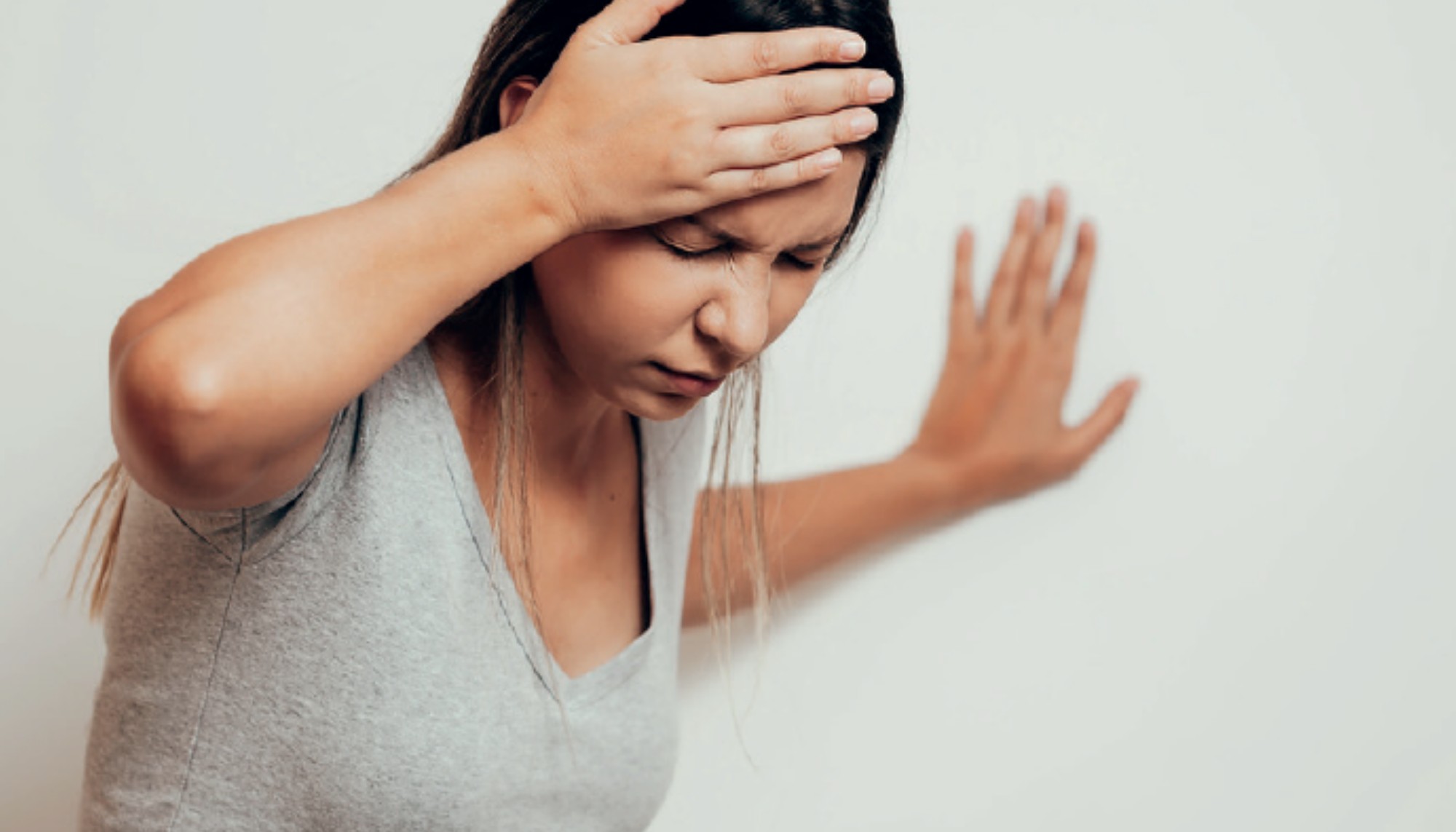
- Loss of balance and coordination
- Shoulder subluxation (the shoulder joint dropping out of place due to weak muscles)
- Post-stroke depression and emotional changes
Common Symptoms of Stroke Recovery
People with stroke recovery may experience:
- Chronic or sharp pain in the affected area
- Reduced mobility or stiffness
- Associated discomfort that affects daily activities
Ayurvedic View of Stroke (Paralysis)
In Ayurveda, stroke and resulting paralysis are correlated with 'Pakshaghata' (Paksha means half of the body, Aghata means sudden strike/paralysis). It is a severe disorder of Vata dosha, often complicated by Pitta (high blood pressure/bleeding) or Kapha (blockage/cholesterol). Ayurvedic neuro-rehab focuses on:
- Clearing the 'Sroto Avarodha' (channel blockages) safely
- Pacifying the extreme Vata aggravation through specific Snehana (lubrication)
- Stimulating the dormant nerves using specific massage techniques
- Nourishing the wasted muscles (Mamsa Dhatu) using Navara Kizhi
- Supporting the brain and sensory organs via Nasya and Shirodhara
- Managing underlying causes like hypertension and stress
Who Should Avoid Immediate Ayurvedic Therapy?
Certain deep-tissue and intensive systemic therapies are strictly contraindicated and must be avoided by:
- Individuals with acute medical emergencies or active systemic infections requiring ICU care
- Patients presenting with highly contagious or acutely weeping dermatological infections (for localized contact therapies)
- Individuals with severe, unmanaged cardiovascular or respiratory distress
- Pregnant women (unless specific, highly gentle OP care is explicitly advised by the senior physician)
How Is Treatment Performed?
- Detailed Ayurvedic Consultation & Safety Review: The absolute first step is a careful consultation with an Ayurvedic doctor. The doctor reviews the neurologist's discharge summary, CT/MRI scans showing the stroke area, current blood pressure, and ongoing medications (especially blood thinners). Ayurvedic rehab only begins after the patient is medically stable.
- Udvartana or Gentle Abhyanga (Depending on Muscle Tone): If the paralyzed limb is heavy, swollen, and lacks tone (flaccid), Udvartana (dry herbal powder massage) may be used to stimulate the nerves and reduce Kapha. If the limb is stiff and contracted (spastic), warm medicated oil massage (Abhyanga) is used to soften the rigid tissues and soothe Vata.
- Shirodhara and Nasya for Brain Support: Nasya (nasal administration of oils) is considered vital in Ayurveda for Urdhwajatrugata rogas (disorders of the head/brain) and is highly recommended for facial paralysis and speech issues. Shirodhara is used to calm the nervous system, reduce post-stroke depression, and manage hypertension.
- Pizhichil and Navara Kizhi for Strengthening: As the patient progresses, highly nourishing therapies like Pizhichil (warm oil bath) and Navara Kizhi (medicated rice bolus massage) are utilized. These 'Brimhana' (building) therapies are designed to combat muscle wasting (atrophy) and deeply nourish the weakened nerves.
- Basti (Medicated Enema) for Systemic Vata Balance: Paralysis (Pakshaghata) is the ultimate Vata disorder. Basti is considered the most powerful Panchakarma treatment for Vata. Nourishing enemas are used to systematically deliver herbs directly into the lower gut, aiming to calm systemic Vata and support nerve regeneration.
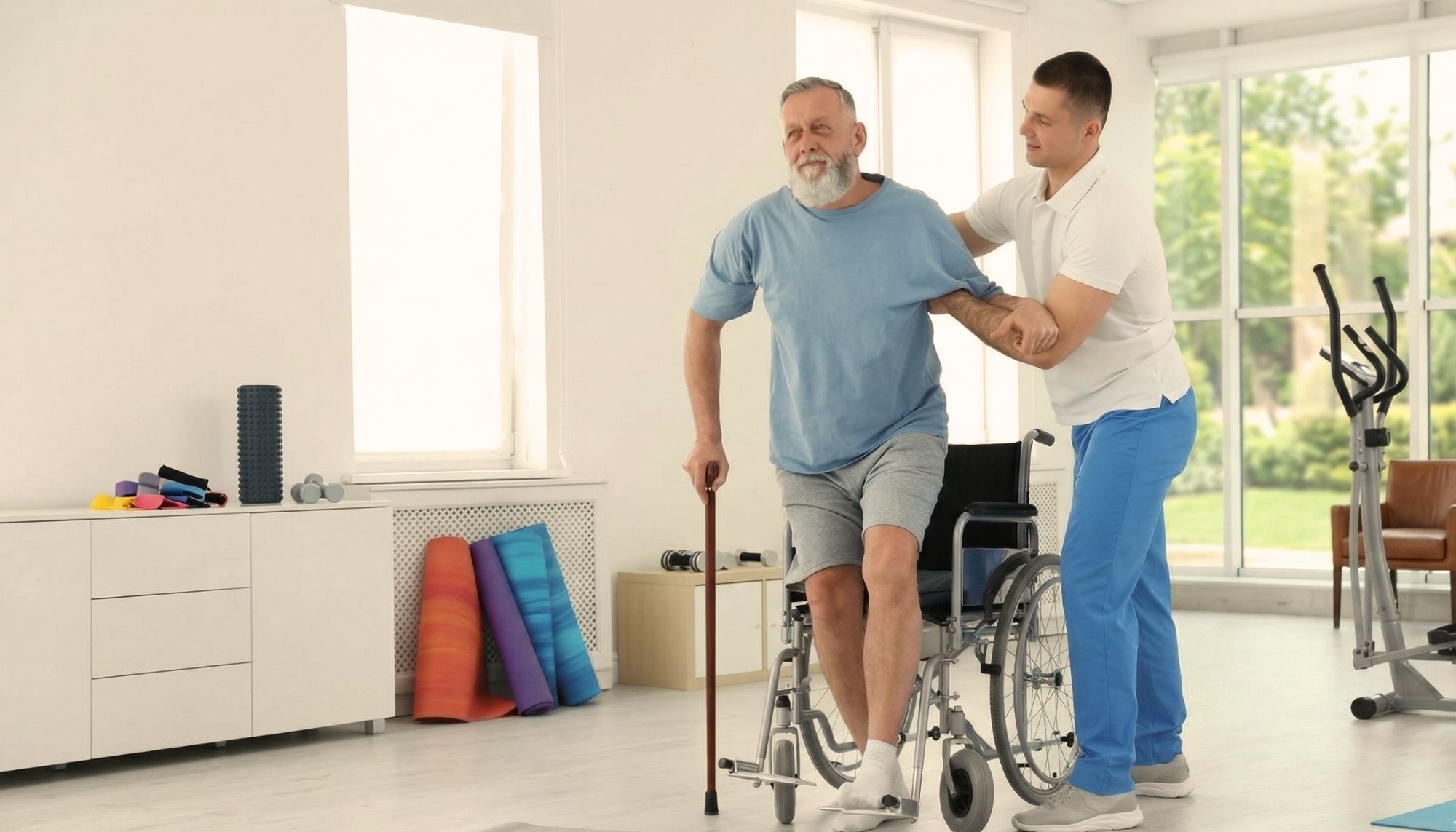
- Intensive Physiotherapy and Speech Guidance: At Sai Ayush Ayurveda Hospital, neuro-rehab mandates daily physiotherapy. Ayurvedic therapies prepare the muscles and stimulate the nerves, but active, repetitive, doctor-guided movement and speech exercises are what actually retrain the brain (neuroplasticity).
Conditions Where Ayurvedic Rehab May Help Support Recovery
Ayurvedic stroke recovery treatment may be considered for:
- Post-stroke hemiplegia (one-sided paralysis)
- Facial paralysis (Bell's Palsy or stroke-related)
- Muscle spasticity and severe post-stroke stiffness
- Weakness and muscle wasting after prolonged bed rest
- Supportive care for speech and swallowing difficulties
- Supportive rehab for Guillain-Barré syndrome recovery
Why Choose Sai Ayush Ayurveda Hospital for Rehab in Hyderabad?
Sai Ayush Ayurveda Hospital follows a doctor-led approach for intensive neuro-rehab. The focus is on safe, integrated Ayurvedic support that works alongside modern medical protocols. Key reasons patients choose Sai Ayush:
- Doctor-supervised Ayurvedic consultation and strict safety review
- Classical Kerala-style neuro-therapies (Navara Kizhi, Pizhichil)
- ANP³ approach: Ayurveda, Naturopathy and Physiotherapy integration
- Dedicated In-Patient (IP) care options (crucial for stroke patients requiring daily, intensive therapy without travel strain)
- Trained therapy team experienced in handling paralyzed patients
- Personalised blood pressure management and diet guidance
- Supportive care focused on functional independence
- Convenient access for KPHB, Kukatpally, Madinaguda, Miyapur, Hafeezpet, Chandanagar and nearby areas
What to Expect During Your Visit
During your first visit, the doctor will carefully assess your condition. You MUST bring:
- Your complete hospital discharge summary from the acute stroke event
- Brain CT or MRI scan reports
- A complete list of your ongoing medications (especially blood thinners, BP medicines, and statins)
- Information on how many weeks/months have passed since the stroke
- Details about swallowing ability (can the patient drink water safely without choking?)
- Details about bladder and bowel control
Lifestyle Guidance for Stroke Recovery
Along with Ayurvedic treatment, daily discipline and safety are vital for rehab. General guidance may include:
- Never stop or skip your allopathic blood pressure or blood-thinning medications
- Ensure the home environment is strictly modified to prevent falls (grab bars, non-slip mats)
- Perform doctor-advised physiotherapy exercises multiple times a day
- Eat a highly controlled, low-sodium Ayurvedic diet to manage blood pressure
- If swallowing is difficult, stick strictly to the doctor-advised food textures (pureed/thick liquids) to prevent choking and pneumonia
- Keep the paralyzed limb supported properly when sitting to prevent shoulder dislocation
- Manage mental stress and stay patient—neuro-recovery is extremely slow
- Follow the complete integrated therapy plan advised by the doctor
When Immediate Medical Attention Is Needed
Do not delay contacting emergency care if the patient experiences:
- Signs of another stroke (F.A.S.T: Face drooping, Arm weakness, Speech difficulty, Time to call emergency)
- Sudden, severe headache unlike any experienced before
- Sudden extreme shortness of breath or chest pain
- A fall resulting in severe pain, inability to move, or suspected fracture
- Choking on food or water accompanied by a new, persistent fever (possible aspiration pneumonia)
Book Ayurvedic Stroke Rehab Consultation in Hyderabad
If you or a loved one is dealing with paralysis, stiffness, or weakness after a stroke, consult the doctors at Sai Ayush Ayurveda Hospital, Hyderabad. Our team will carefully assess the medical history and guide you with a safe, personalised Ayurvedic rehab plan that may include intensive Panchakarma, nerve-stimulating therapies, physiotherapy, and lifestyle care where suitable. [Book your consultation](/contact) today at Sai Ayush Ayurveda Hospital – KPHB or Madinaguda. Also Explore: • [Ayurvedic Paralysis Treatment](/treatments/neurology/paralysis) • [Ayurvedic Parkinson's Disease Treatment](/treatments/neurology/parkinsons) • [Ayurvedic High Blood Pressure Support](/treatments/general/hypertension)
Duration of Treatment
The duration of treatment heavily depends on the chronicity and severity of the condition. Acute flare-ups may require 7 to 14 days of targeted OP therapies. Severe, chronic systemic conditions may require comprehensive 21 to 90-day care protocols, potentially involving In-Patient (IP) admission for intensive daily monitoring and strict dietary control.
Clinical Integration
Our ANP³ care model perfectly integrates classical Ayurveda with Naturopathy and Physiotherapy. We routinely manage patients who are on parallel allopathic medications for diabetes, hypertension, hormonal therapy, or immunosuppressants. We ensure complete safety by carefully reviewing your current prescriptions to explicitly prevent any adverse herb-drug interactions.
FAQ Section
- Is Ayurvedic treatment safe after a stroke?
- Yes, when planned under strict doctor supervision. We only begin Ayurvedic rehabilitation after the patient is medically stable from the acute emergency. We carefully review all medical history and do not interfere with vital modern medications.
- How soon after a stroke should rehab begin?
- Rehabilitation should begin as soon as the patient is medically stable and discharged from acute care. The first 3 to 6 months offer the highest window for 'neuroplasticity' (brain rewiring), making early Ayurvedic support and physiotherapy highly beneficial.
- Can Ayurveda completely cure paralysis?
- No medical system can guarantee a 100% cure for stroke-induced paralysis, as brain cells have died. Ayurvedic rehab is strictly supportive, aiming to stimulate nerves, prevent joint deformities, rebuild wasted muscle, and help the patient regain as much daily independence as possible.
- Do I still need physiotherapy if I take Ayurvedic massage?
- Absolutely. At Sai Ayush, we use the ANP³ approach. Ayurveda softens the stiff tissues and nourishes the nerves, but active, repetitive, doctor-guided physiotherapy is absolutely mandatory to retrain the brain to move the limb.
- Can I stop my blood thinners to take Ayurvedic medicines?
- Never stop blood thinners, statins, or blood pressure medications without your neurologist's explicit approval. Inform the Ayurvedic doctor about all medicines so your supportive care plan can be safely coordinated.
- Is In-Patient (IP) admission required?
- For stroke recovery, IP admission is highly recommended. Daily, intensive therapies and physiotherapy are required. Traveling daily with paralysis is exhausting and physically risky for the patient.
- Is stroke rehab available at both KPHB and Madinaguda?
- Sai Ayush Ayurveda Hospital provides consultation and therapy support in Hyderabad. Please contact us to confirm IP bed availability and specific rehab facilities at your preferred branch.
- What is Navara Kizhi and why is it used?
- Navara Kizhi uses specialized rice cooked in milk and herbal decoctions. It is a highly nourishing 'Brimhana' therapy used to build bulk and strength in paralyzed muscles that are wasting away (atrophying) from lack of use.
- How quickly should Ayurvedic stroke rehab begin?
- Once the patient is medically stable and discharged from emergency allopathic care, Ayurvedic rehab should begin immediately. The first 6 months are the 'golden window' for maximum neuro-plasticity and recovery.
- Can Ayurveda help with post-stroke speech difficulty (Aphasia)?
- Yes. Along with physical therapies, specific Ayurvedic neuro-stimulant herbs (Medhya Rasayanas) and therapies like Nasya (nasal drops) are heavily utilized to stimulate the brain centers responsible for speech and memory.
Medically Reviewed By: Dr. Pasalapudi Visalaanjani, B.A.M.S, MD (Kayachikitsa)
Registration No: 1146/A/2016
Disclaimer: The information provided is for educational purposes and should not replace professional medical advice. Outcomes may vary.