Ayurvedic Dementia & Alzheimer's Treatment in Hyderabad
Ayurvedic Dementia & Alzheimer's Treatment in Hyderabad
Protection: Cognitive
Rasayanas: Medhya
Focus: Shirodhara
Pacification: Vata
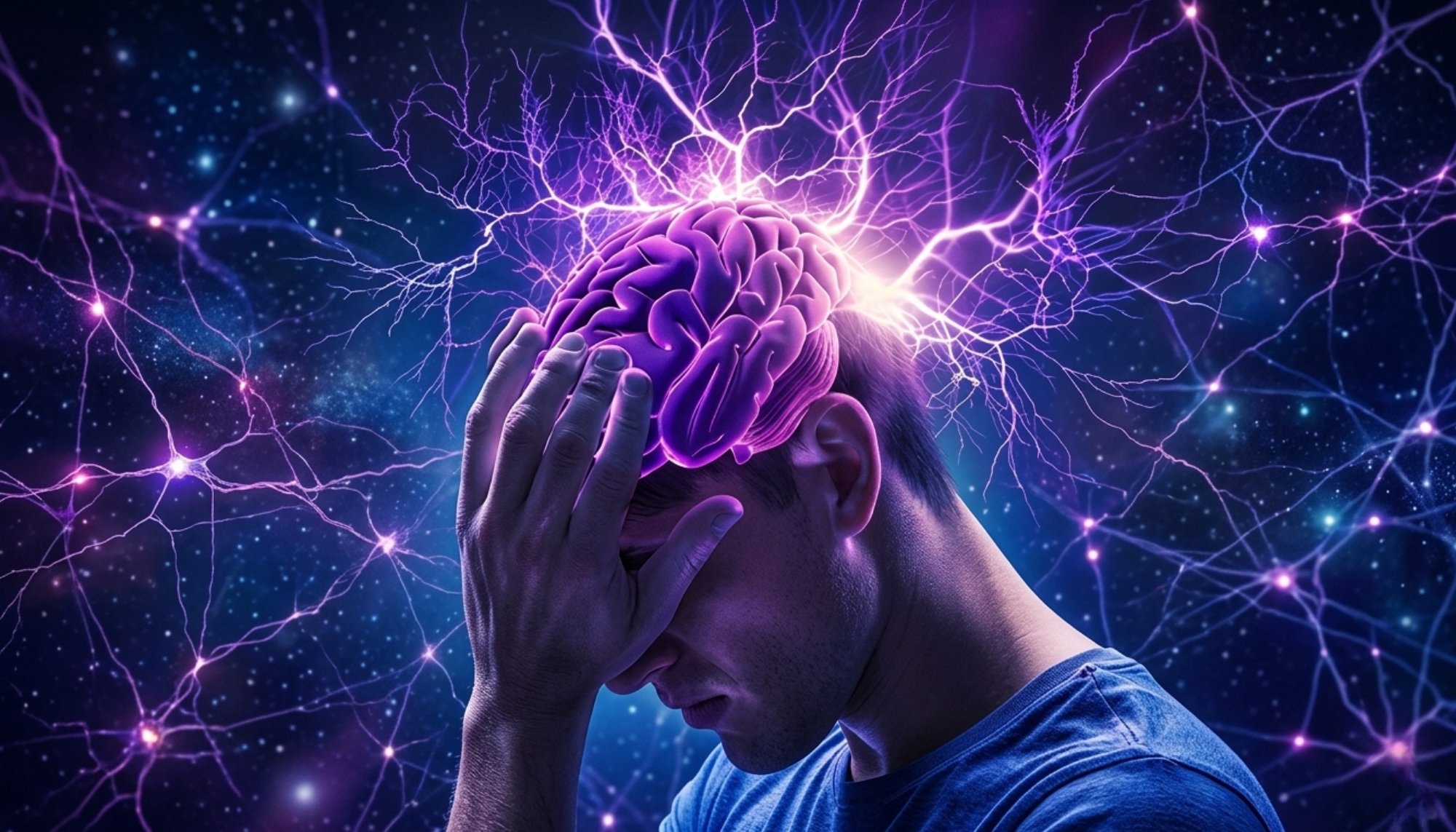
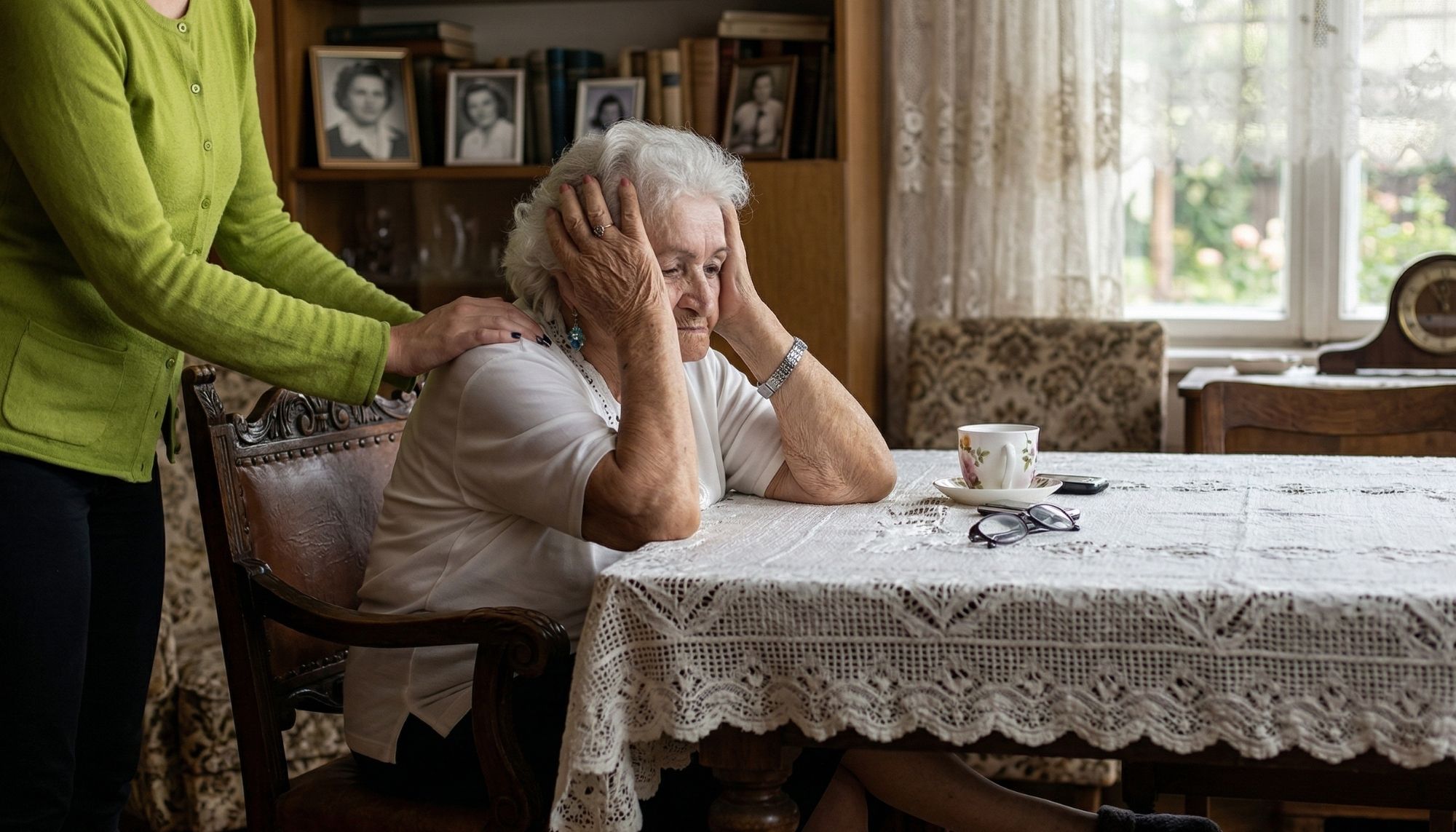
Sai Ayush Ayurveda Hospital provides authentic, physician-supervised Ayurvedic treatment for dementia & alzheimer's in Hyderabad. This structured, clinical approach precisely targets nerve degeneration, motor deficits, and neuro-muscular stiffness using classical therapies like targeted Shirodhara, Nasya, and deeply healing neuro-muscular Basti. Designed specifically for patients seeking safe, non-surgical neurological rehabilitation, all interventions are conducted under strict doctor oversight, with each patient's care planned after a thorough clinical assessment. Dementia and Alzheimer's disease are progressive neurological conditions that severely impact memory, thinking skills, behavior, and the ability to perform everyday activities. For some people, it starts subtly with forgetting recent conversations or misplacing items. For others, it progresses to profound confusion, sleep disturbances, severe anxiety, and a complete loss of daily independence. At Sai Ayush Ayurveda Hospital, Hyderabad, Ayurvedic supportive care for Dementia is planned under doctor supervision after carefully understanding the stage of memory loss, current behavioral changes, sleep patterns, digestion, and the patient's age. Our approach safely combines classical Ayurveda, 'Medhya' (brain-nourishing) internal herbs, soothing external therapies to manage agitation, and gentle lifestyle guidance where clinically suitable. The aim is not just temporary comfort, nor is it to claim a permanent cure for these irreversible conditions. The focus is strictly supportive: to calm the highly agitated nervous system, safely manage severe sleep and behavioral disturbances, support cognitive function for as long as possible, and deeply support the caregivers who manage the patient's daily life.
- Condition focus: Early-onset Alzheimer's, memory loss, profound confusion, vascular dementia.
- Key therapies: Shirodhara, Shirobasti, Nasyam, Medhya Rasayana.
Quick Reference Matrix
| PARAMETERCLINICAL DIRECTION | |
| Who it may suit | Patients in the early to middle stages of cognitive decline looking to radically slow disease progression and improve daily lucidity. |
| Who should avoid | End-stage Alzheimer's where the patient has lost all swallowing reflexes and basic autonomic function. |
| Typical duration | Ongoing supportive care. |
Clinical Care Framework
This specialized program follows our integrated ANP³ medical model for fast, sustainable healing.
- Treatment Model: ANP³ (Ayurveda, Naturopathy, Physiotherapy)
- Supervision: Senior Ayurvedic Clinical Team
- Target Conditions: Dementia & Alzheimer's, Neurological Deficits, Nerve Degeneration
- Setting: Hospital Environment (KPHB OP/IP, Madinaguda OP)
- Duration: Extensive neuro-rehab program (Typically 21 to 90 days)
- Safety Protocol: Rigorous pre-treatment clinical evaluation required
What Are Dementia and Alzheimer's Disease?
Dementia is an umbrella term for a decline in mental ability severe enough to interfere with daily life. Alzheimer's is the most common cause of dementia, representing a physical deterioration of the brain. These conditions may be associated with:
- Severe short-term memory loss (forgetting recent events entirely)
- Difficulty performing familiar daily tasks (like dressing or eating)
- Confusion regarding time and place (getting lost in familiar areas)
- Severe behavioral changes, including sudden aggression or paranoia
- Sundowning (extreme agitation and restlessness that begins at dusk)
- Loss of physical coordination and difficulty swallowing in late stages
- Severe disruption of the sleep-wake cycle
Common Symptoms of Dementia & Alzheimer's
People with dementia & alzheimer's may experience:
- Chronic or sharp pain in the affected area
- Reduced mobility or stiffness
- Associated discomfort that affects daily activities
Ayurvedic View of Cognitive Decline
In Ayurveda, profound memory loss is often termed 'Smriti Nasha'. It is viewed as a severe deterioration of the Majja Dhatu (nervous tissue) driven by 'Ojo Kshaya' (depletion of vital life force) and massive Vata aggravation in the head. The mind (Manas) becomes enveloped by Tamas (darkness/lethargy) and Rajas (agitation). Ayurvedic neuro-care focuses on:
- Nourishing the depleted brain tissue using Medhya Rasayanas (Brahmi/Ghee)
- Pacifying extreme Prana Vata aggravation to stop erratic thoughts
- Calming Rajasic agitation (aggression/pacing) using Shirodhara
- Supporting digestion, as elderly patients often lose their appetite entirely
- Using gentle tactile therapies (Abhyanga) to counteract severe Vata dryness
- Delaying the rapid physical deterioration associated with late-stage decline
Who Should Avoid Immediate Ayurvedic Therapy?
Certain deep-tissue and intensive systemic therapies are strictly contraindicated and must be avoided by:
- Individuals with acute medical emergencies or active systemic infections requiring ICU care
- Patients presenting with highly contagious or acutely weeping dermatological infections (for localized contact therapies)
- Individuals with severe, unmanaged cardiovascular or respiratory distress
- Pregnant women (unless specific, highly gentle OP care is explicitly advised by the senior physician)
How Is Treatment Performed?
- Detailed Ayurvedic Consultation & Caregiver Review: The first step is a proper consultation with an Ayurvedic doctor, heavily involving the primary caregiver. The doctor reviews the neurologist's diagnosis, current stage of cognitive decline, ongoing psychiatric or memory medications, and specifically assesses the patient's daily agitation, eating habits, and sleep quality.
- Medhya Rasayana (Brain-Nourishing Internal Medicine): In Ayurveda, specific herbs are classified as 'Medhya'—substances that nourish the brain and support the mind (Prana and Udana Vata). Herbs like Brahmi, Ashwagandha, and Shankhpushpi are commonly prescribed in safe, easily consumable forms to support cognitive vitality and calm severe anxiety.
- Shirodhara for Agitation and Sleep Support: Shirodhara (continuous pouring of medicated liquids over the forehead) is perhaps the most beneficial external therapy for advanced dementia. It is remarkably effective at safely calming the severe 'sundowning' (evening agitation), reducing aggressive behavioral outbursts, and restoring natural sleep patterns without heavy sedation.
- Nasya (Nasal Drops Administration): Nasya is considered the direct gateway to the brain in Ayurveda. Gentle administration of specific medicated oils (like Anu Taila or Brahmi Ghritha) through the nasal passages is traditionally used to clear mental fog, stimulate sensory organs, and support overall neurological function.
- Gentle Abhyanga for Physical Rigidity: As dementia progresses, patients often stop moving and develop severe physical stiffness and joint pain. Gentle, warm oil massage (Abhyanga) is used to soften stiff muscles, improve circulation, and provide highly comforting tactile stimulation, which helps ground and reassure the patient.
- Caregiver Counseling and Dietary Guidance: At Sai Ayush Ayurveda Hospital, neuro-care heavily includes supporting the caregiver. We provide strict guidance on easily digestible, Vata-pacifying diets for the patient, establish calming evening routines to prevent agitation, and offer safety advice to prevent wandering and falls.
Conditions Where Ayurvedic Care May Help Support Quality of Life
Ayurvedic supportive care may be considered for:
- Early to moderate Alzheimer's disease (memory support)
- Vascular Dementia (post-stroke memory issues)
- Managing severe sleep disturbances (insomnia) in dementia patients
- Reducing severe evening agitation (sundowning) without heavy sedatives
- Managing the physical stiffness and joint pain that accompanies the disease
- Supportive care alongside modern psychiatric and neurology medications
Why Choose Sai Ayush Ayurveda Hospital for Treatment in Hyderabad?
Sai Ayush Ayurveda Hospital follows a doctor-led approach for chronic geriatric and neurological care. The focus is on safe, highly compassionate Ayurvedic support that prioritizes the patient's dignity and the caregiver's peace of mind. Key reasons families choose Sai Ayush:
- Doctor-supervised Ayurvedic consultation and safety review
- Highly calming therapies like Shirodhara tailored for agitated patients
- ANP³ approach: Ayurveda, Naturopathy and Physiotherapy integration
- OP and IP care options (IP provides a safe, monitored environment allowing caregivers to rest)
- Trained therapy team experienced in handling confused or frightened elderly patients
- Personalised, easily digestible diet planning
- Supportive care focused strictly on improving daily comfort
- Convenient access for KPHB, Kukatpally, Madinaguda, Miyapur, Hafeezpet, Chandanagar and nearby areas
What to Expect During Your Visit
The primary caregiver must be present during the consultation. You MUST bring:
- The patient's complete medical history and neurologist's diagnosis
- A complete list of ongoing medications (especially sedatives or memory drugs)
- Detailed information about the patient's daily routine and eating habits
- Specific details about what triggers their aggression or confusion
- Information regarding their sleep schedule and night-time wandering
- Details about their physical mobility and risk of falls
Lifestyle Guidance for Dementia Care
Managing dementia relies heavily on environment and routine. Caregiver guidance may include:
- Establish a rigid, predictable daily routine; changes cause extreme fear and confusion
- Remove loose rugs, secure doors, and hide dangerous objects (knives/medications) to prevent accidents
- Serve warm, moist, highly nourishing, and easily chewable Ayurvedic meals
- Avoid arguing with the patient's delusions; use distraction and calm reassurance instead
- Ensure the house is brightly lit in the late afternoon to help reduce 'sundowning' shadows
- Never stop allopathic psychiatric medications abruptly; coordinate all care with the doctor
- Caregivers must seek support to prevent severe physical and mental burnout
- Follow the complete supportive therapy plan advised by the doctor
When Immediate Medical Attention Is Needed
Do not delay contacting emergency medical care if the patient experiences:
- A sudden, drastic change in consciousness or a sudden inability to wake up
- A severe fall resulting in inability to move (elderly patients have high fracture risks)
- Sudden inability to swallow food or liquids (choking hazard)
- Signs of a severe urinary tract infection (often presents as sudden extreme delirium and fever)
- Severe, uncontrollable aggression posing a physical danger to themselves or others
Book Ayurvedic Supportive Consultation in Hyderabad
If severe memory loss, sleep disturbances, or agitation are affecting your loved one's quality of life and exhausting your family, consult the doctors at Sai Ayush Ayurveda Hospital, Hyderabad. Our team will carefully assess the patient's condition and guide you with a safe, compassionate Ayurvedic supportive plan that may include Shirodhara, Nasya, brain-nourishing herbs, and lifestyle care where suitable. [Book your consultation](/contact) today at Sai Ayush Ayurveda Hospital – KPHB or Madinaguda. Also Explore: • [Ayurvedic Insomnia Treatment](/treatments/neurology/insomnia) • [Ayurvedic Stroke Recovery Treatment](/treatments/neurology/stroke-recovery) • [Ayurvedic Parkinson's Disease Treatment](/treatments/neurology/parkinsons)
Duration of Treatment
The duration of treatment heavily depends on the chronicity and severity of the condition. Acute flare-ups may require 7 to 14 days of targeted OP therapies. Severe, chronic systemic conditions may require comprehensive 21 to 90-day care protocols, potentially involving In-Patient (IP) admission for intensive daily monitoring and strict dietary control.
Clinical Integration
Our ANP³ care model perfectly integrates classical Ayurveda with Naturopathy and Physiotherapy. We routinely manage patients who are on parallel allopathic medications for diabetes, hypertension, hormonal therapy, or immunosuppressants. We ensure complete safety by carefully reviewing your current prescriptions to explicitly prevent any adverse herb-drug interactions.
FAQ Section
- Can Ayurveda cure Alzheimer's disease?
- No, Alzheimer's and most forms of dementia are progressive, irreversible neurological diseases. There is no cure in any medical system. Ayurvedic treatment is strictly supportive, aiming to manage severe anxiety, improve sleep, and support remaining cognitive function.
- Should I stop their allopathic memory or psychiatric medicines?
- Absolutely not. Never stop prescribed neurology or psychiatric medications, especially sedatives. Ayurvedic therapies work alongside modern medicine to provide safe, supportive care. Sudden stopping of brain medications can cause severe withdrawal or massive behavioral outbursts.
- How does Shirodhara help a dementia patient?
- Dementia patients often suffer from 'sundowning'—extreme agitation, pacing, and anxiety as evening approaches. Shirodhara deeply calms the overactive nervous system, safely reducing this aggression and helping the patient sleep naturally without heavy chemical sedation.
- Is it safe to give an elderly dementia patient massage?
- Yes, when performed gently by trained therapists. Gentle Abhyanga provides comforting tactile stimulation that helps ground confused patients, while also improving circulation and softening the severe physical stiffness that often accompanies the disease.
- Why is the diet so important?
- As dementia progresses, patients often lose the ability to recognize hunger or forget how to chew properly. A highly nourishing, Vata-pacifying, semi-liquid Ayurvedic diet ensures they do not suffer from severe weight loss and malnutrition.
- Is In-Patient (IP) admission recommended?
- For severe behavioral issues or when the family caregiver is completely burned out, IP admission for a 14 or 21-day block of therapy provides a safe, monitored environment for the patient while allowing the family crucial time to rest.
- Is supportive care available at both KPHB and Madinaguda?
- Sai Ayush Ayurveda Hospital provides consultation and therapy support in Hyderabad. We highly recommend discussing IP admission for dementia patients to avoid the stress of daily travel.
- Can Brahmi restore lost memories?
- No herb can restore brain cells that have completely died. 'Medhya' herbs like Brahmi and Ashwagandha are used to protect and nourish the surviving brain tissue, aiming to slow down the rate of cognitive decline and clear temporary mental fog.
- Can Ayurveda stop the progression of Alzheimer's?
- While complete reversal is not possible, Ayurvedic 'Medhya' (brain-tonic) herbs and therapies like Shirodhara are highly effective at slowing down cognitive decline, reducing severe agitation, and improving daily functional memory.
- Why is sleep so important for dementia patients?
- During deep sleep, the brain naturally flushes out toxic proteins. Chronic insomnia (severe Vata) accelerates brain degeneration. Restoring deep, peaceful sleep using Ayurvedic herbs is the first step in managing dementia.
Medically Reviewed By: Dr. Pasalapudi Visalaanjani, B.A.M.S, MD (Kayachikitsa)
Registration No: 1146/A/2016
Disclaimer: The information provided is for educational purposes and should not replace professional medical advice. Outcomes may vary.