Ayurvedic Migraine Treatment in Hyderabad
Ayurvedic Migraine Treatment in Hyderabad
Days Protocol: 7-14
Elimination: Trigger
Relaxation: Vascular
Focus: Gut
Sai Ayush Ayurveda Hospital provides authentic, physician-supervised Ayurvedic treatment for migraine in Hyderabad. This structured, clinical approach precisely targets nerve degeneration, motor deficits, and neuro-muscular stiffness using classical therapies like targeted Shirodhara, Nasya, and deeply healing neuro-muscular Basti. Designed specifically for patients seeking safe, non-surgical neurological rehabilitation, all interventions are conducted under strict doctor oversight, with each patient's care planned after a thorough clinical assessment. A migraine is much more than a bad headache. It is a severe neurological condition that causes intense, throbbing, pulsing pain, usually on one side of the head. For some people, it starts with visual disturbances (auras) or extreme sensitivity to light and sound. For others, it becomes a chronic, debilitating problem connected with severe nausea, vomiting, stress, hormonal changes, or specific food triggers, lasting for days and ruining their ability to work. At Sai Ayush Ayurveda Hospital, Hyderabad, Ayurvedic migraine treatment is planned under doctor supervision after carefully understanding the person's exact pain pattern, specific triggers, digestion (acidity), sleep quality, medical history, and severity of symptoms. Our approach combines classical Ayurveda, targeted external head-cooling therapies, Panchakarma procedures to clear deep metabolic toxins, and strict diet correction where clinically suitable. The aim is not just temporary pain relief using painkillers. The focus is to address the root systemic imbalance, safely reduce the frequency and intensity of migraine attacks, calm the hyper-reactive nervous system, correct digestion, and guide the patient toward a highly disciplined lifestyle to prevent future trigger responses.
- Condition focus: Throbbing unilateral head pain, extreme light sensitivity (photophobia), nausea, chronic cluster headaches, visual aura.
- Key therapies: Virechana, Shirodhara, Nasyam, Takradhara.
Quick Reference Matrix
| PARAMETERCLINICAL DIRECTION | |
| Who it may suit | Patients suffering from 4+ debilitating migraine days a month who are failing to respond to standard triptans. |
| Who should avoid | This is the absolute 'worst headache of your entire life' happening instantaneously (requires immediate ER scan for aneurysm rupture). |
| Typical duration | Intensive 7 to 10-day cranial and detox therapies. |
Clinical Care Framework
This specialized program follows our integrated ANP³ medical model for fast, sustainable healing.
- Treatment Model: ANP³ (Ayurveda, Naturopathy, Physiotherapy)
- Supervision: Senior Ayurvedic Clinical Team
- Target Conditions: Migraine, Neurological Deficits, Nerve Degeneration
- Setting: Hospital Environment (KPHB OP/IP, Madinaguda OP)
- Duration: Extensive neuro-rehab program (Typically 21 to 90 days)
- Safety Protocol: Rigorous pre-treatment clinical evaluation required
What Is a Migraine?
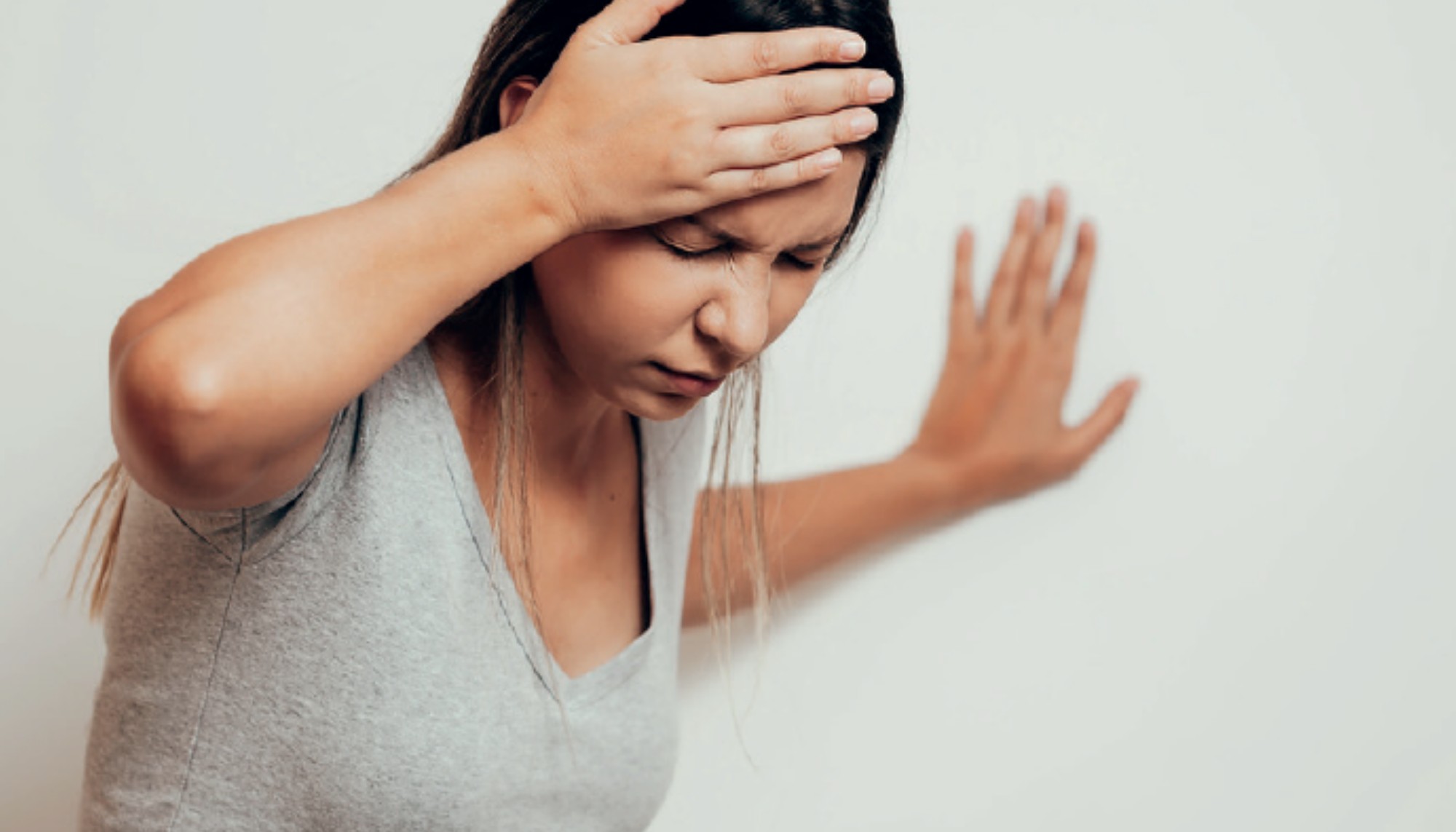
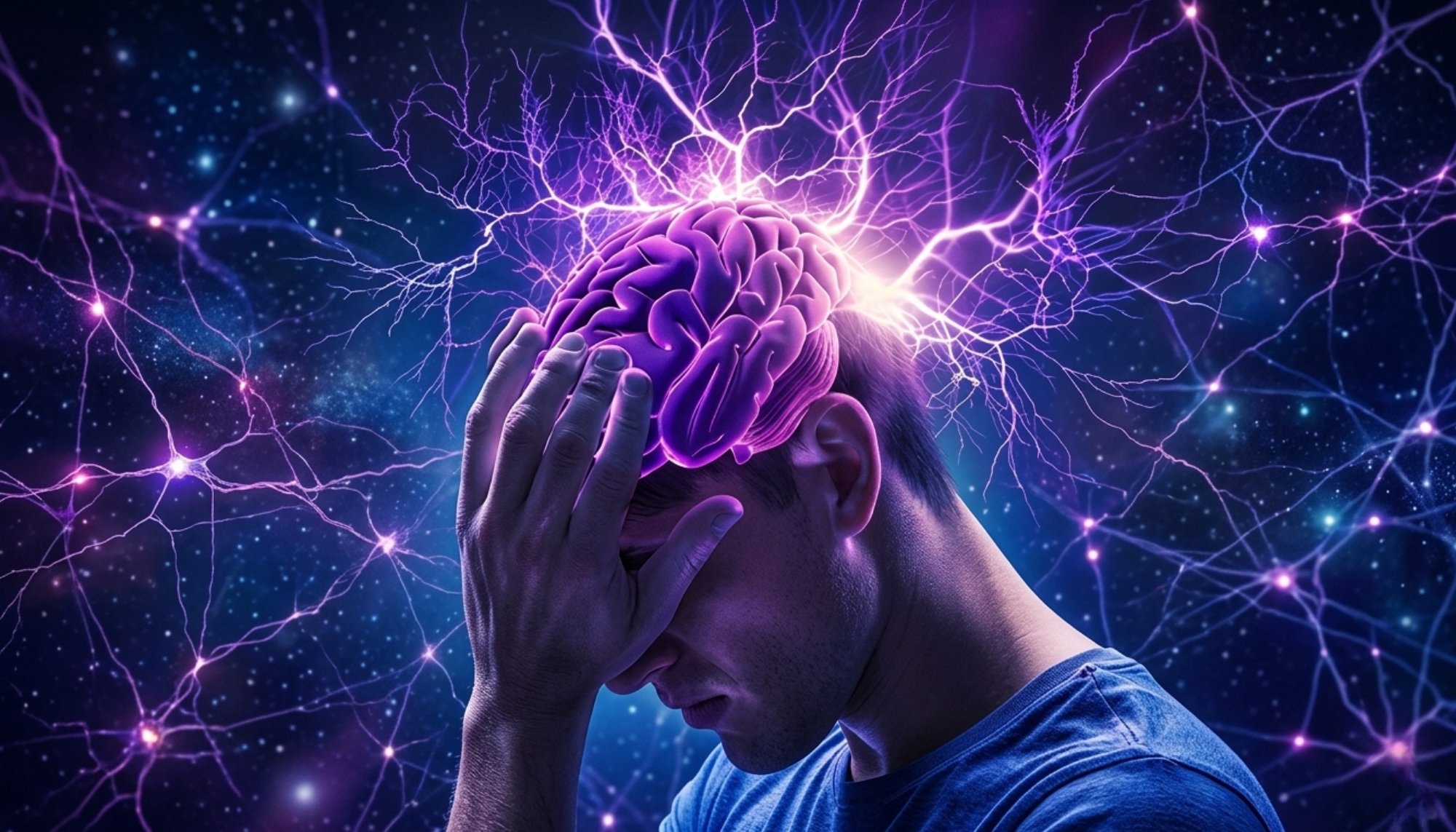
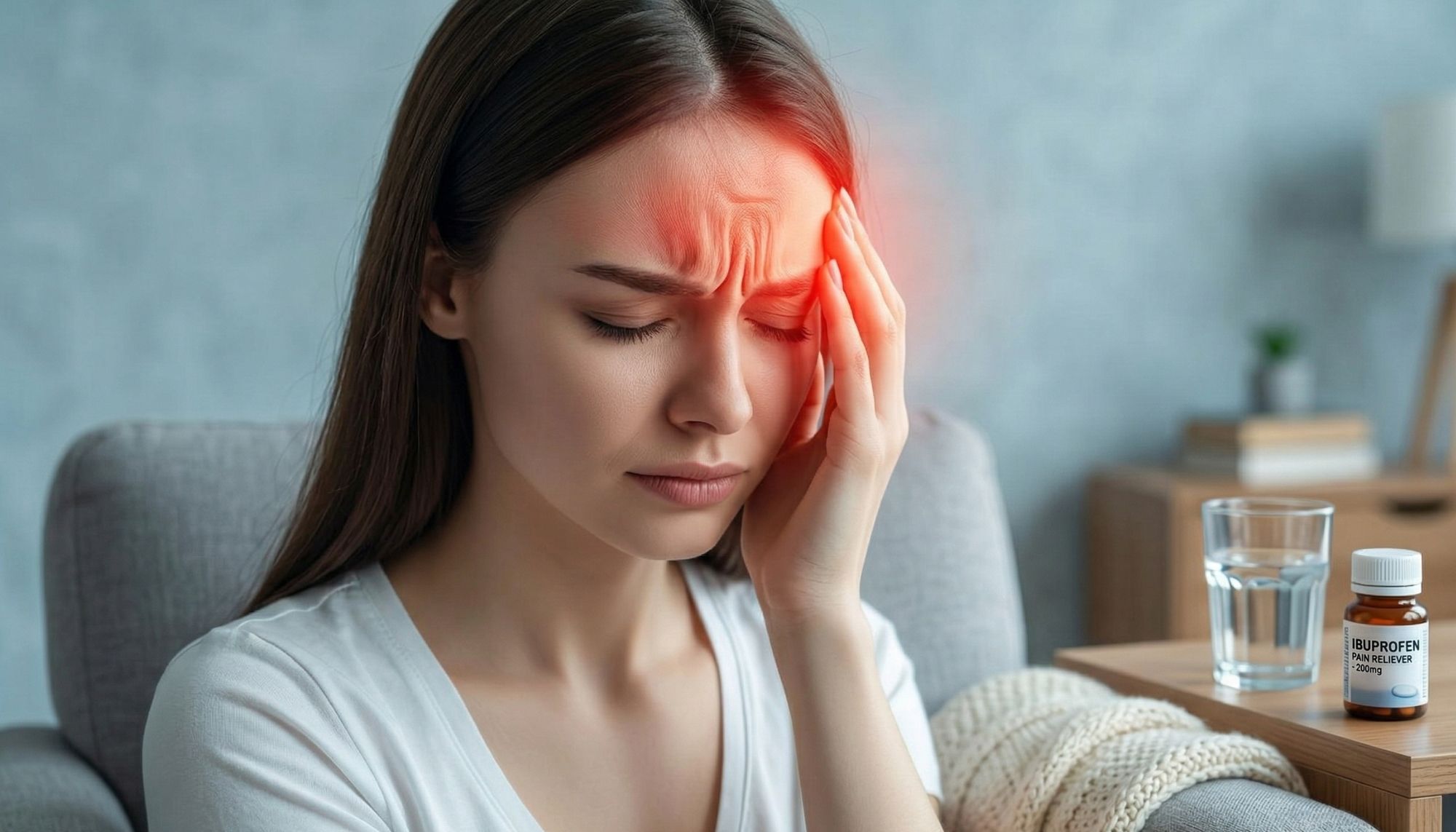
A migraine is a neurological disease causing severe, recurrent headaches. The attacks are often debilitating and can completely stop a person from performing daily tasks. Migraines may be associated with:
- Severe throbbing or pulsing pain, often on one side of the head
- Extreme sensitivity to light, sound, and sometimes smell
- Nausea and severe vomiting during the attack
- Visual auras (seeing flashing lights, zig-zag lines, or blind spots before the pain starts)
- Pain that worsens with routine physical activity (like climbing stairs)
- Attacks triggered by missed meals, dehydration, or lack of sleep
- Hormonal changes (migraines occurring right before menstruation)
- Specific food triggers (aged cheeses, chocolate, caffeine, or MSG)
Common Symptoms of Migraine
People with migraine may experience:
- Chronic or sharp pain in the affected area
- Reduced mobility or stiffness
- Associated discomfort that affects daily activities
Ayurvedic View of Migraine
In Ayurveda, migraine is classically correlated with 'Ardhavabhedaka' (pain in half the head) or 'Suryavarta' (headache that rises with the sun). It involves the aggravation of Vata (causing the throbbing pain) often mixed with Pitta (causing burning, nausea, and sensitivity to light), blocking the channels of the head. Ayurvedic migraine care focuses on:
- Clearing the 'Sroto Avarodha' (blockages) in the head using Nasya
- Pacifying extreme Pitta dosha through cooling therapies (Takradhara, Virechana)
- Calming Vata dosha through warm oil therapies and stress management
- Correcting 'Agni' (digestion) to stop the formation of acid and toxins (Ama)
- Relaxing the nervous system to raise the trigger threshold
- Preventing attacks through strict adherence to timely meals and sleep
Who Should Avoid Immediate Ayurvedic Therapy?
Certain deep-tissue and intensive systemic therapies are strictly contraindicated and must be avoided by:
- Individuals with acute medical emergencies or active systemic infections requiring ICU care
- Patients presenting with highly contagious or acutely weeping dermatological infections (for localized contact therapies)
- Individuals with severe, unmanaged cardiovascular or respiratory distress
- Pregnant women (unless specific, highly gentle OP care is explicitly advised by the senior physician)
How Is Treatment Performed?
- Detailed Ayurvedic Consultation & Trigger Analysis: The first step is a proper consultation with an Ayurvedic doctor. The doctor reviews your symptoms, exact pain location (half-head vs. whole head), duration of attacks, warning signs (auras), digestion (history of severe acidity or constipation), and sleep patterns to identify the specific Dosha dominance.
- Shirodhara (Continuous Pouring of Liquids): Shirodhara is highly effective for migraines. Depending on the dosha (e.g., if there is severe burning/Pitta), cooling liquids like medicated buttermilk (Takradhara) or specific cooling oils are poured over the forehead. It deeply calms the central nervous system, relieves extreme mental stress, and stops the throbbing.
- Nasya (Nasal Drops Administration): Nasya is considered the most vital Panchakarma therapy for diseases of the head (Urdhwajatrugata rogas). Medicated oils or herbal juices are administered through the nose. This helps clear blocked sinuses, relieve intense cranial pressure, and directly calm the hyperactive nerves causing the headache.
- Shiro Lepa (Cooling Head Pastes): During an acute Pitta-dominant migraine attack with extreme heat, throbbing, and red eyes, heavy oil massage is avoided. Instead, cooling herbal pastes (Shiro Lepa) containing herbs like Sandalwood or Amalaki are applied to the head to draw out the intense, trapped heat.
- Panchakarma Support (Virechana): Many chronic migraines are rooted in the gut—specifically massive Pitta accumulation (severe acidity) that rises to the head. Virechana (therapeutic purgation) is commonly advised after consultation to systematically flush this toxic heat out of the body, offering long-term reduction in migraine frequency.
- Strict Diet and Stress Management Guidance: At Sai Ayush Ayurveda Hospital, migraine care heavily depends on diet and routine. Ayurveda therapies clear the pathways, but avoiding specific triggers (like skipping meals, late nights, or eating fermented foods) is absolutely mandatory for long-term success.
Conditions Where Ayurvedic Care May Help Support Recovery
Ayurvedic migraine treatment may be considered for:
- Chronic, severe, one-sided throbbing headaches
- Migraines accompanied by severe nausea and vomiting
- Hormonal or menstrual-triggered migraines
- Tension headaches mixed with migraine symptoms
- Patients suffering from severe acidity and resulting headaches
- Supportive care to reduce reliance on heavy allopathic painkillers
Why Choose Sai Ayush Ayurveda Hospital for Treatment in Hyderabad?
Sai Ayush Ayurveda Hospital follows a doctor-led approach for chronic headache management. The focus is on finding the root cause (like gut health or stress), not just suppressing the pain. Key reasons patients choose Sai Ayush:
- Doctor-supervised Ayurvedic consultation and precise trigger analysis
- Classical Kerala-style head therapies (Shirodhara, Nasya, Shiro Lepa)
- ANP³ approach: Ayurveda, Naturopathy and Physiotherapy integration
- OP and IP care options at Hyderabad branches
- Trained therapy team experienced in performing sensitive head therapies
- Personalised, strict anti-Pitta diet and routine guidance
- Supportive care focused on long-term frequency reduction
- Convenient access for KPHB, Kukatpally, Madinaguda, Miyapur, Hafeezpet, Chandanagar and nearby areas
What to Expect During Your Visit
During your first visit, the doctor will carefully assess your condition. You MUST bring:
- Details about how often the migraines occur and how long they last
- A complete list of your ongoing painkillers or migraine-specific medications (like Triptans)
- Information about your exact triggers (sunlight, stress, certain foods)
- Details about your digestion (do you suffer from chronic acidity, bloating, or constipation?)
- Information regarding your sleep patterns and work stress
- Any recent eye test reports or brain scan reports if available
Lifestyle Guidance for Migraine Management
Along with Ayurvedic treatment, strict daily routine (Ritucharya/Dincharya) is absolutely vital. A migraine brain hates sudden changes. General guidance may include:
- Never skip or delay meals. Fasting creates massive Pitta (acid) and Vata spikes that trigger attacks
- Maintain a strict sleep schedule; going to bed late or drastically oversleeping on weekends triggers migraines
- Strictly avoid known triggers (like direct hot sun, loud noises, aged cheese, MSG, heavy caffeine)
- Drink adequate water throughout the day to prevent dehydration-induced headaches
- Limit screen time and use blue-light filters to prevent eye strain
- Practice daily deep breathing or meditation to keep baseline stress levels low
- Avoid excessive use of over-the-counter painkillers, which can cause 'rebound headaches'
- Follow the complete Panchakarma and diet plan advised by the doctor
When Immediate Medical Attention Is Needed
Do not delay contacting emergency medical care if you experience a 'red flag' headache:
- A sudden, unimaginably severe headache ('thunderclap headache') unlike any you have ever had
- Headache accompanied by a high fever, stiff neck, and confusion (possible meningitis)
- Headache accompanied by sudden weakness, paralysis on one side, or slurred speech (possible stroke)
- Headache that starts after a severe head injury or fall
- A new type of severe headache that begins suddenly after age 50
Book Ayurvedic Migraine Consultation in Hyderabad
If severe throbbing pain, nausea, and light sensitivity are stealing days of your life, consult the doctors at Sai Ayush Ayurveda Hospital, Hyderabad. Our team will carefully assess your triggers and guide you with a safe, personalised Ayurvedic treatment plan that may include Shirodhara, Nasya, Panchakarma (Virechana), strict diet correction, and lifestyle care where suitable. [Book your consultation](/contact) today at Sai Ayush Ayurveda Hospital – KPHB or Madinaguda. Also Explore: • [Ayurvedic Insomnia Treatment](/treatments/neurology/insomnia) • [Ayurvedic Headaches (Tension) Treatment](/treatments/neurology/headaches) • [Ayurvedic Acidity & Gastritis Support](/treatments/digestion/acidity)
Duration of Treatment
The duration of treatment heavily depends on the chronicity and severity of the condition. Acute flare-ups may require 7 to 14 days of targeted OP therapies. Severe, chronic systemic conditions may require comprehensive 21 to 90-day care protocols, potentially involving In-Patient (IP) admission for intensive daily monitoring and strict dietary control.
Clinical Integration
Our ANP³ care model perfectly integrates classical Ayurveda with Naturopathy and Physiotherapy. We routinely manage patients who are on parallel allopathic medications for diabetes, hypertension, hormonal therapy, or immunosuppressants. We ensure complete safety by carefully reviewing your current prescriptions to explicitly prevent any adverse herb-drug interactions.
FAQ Section
- Is Ayurvedic treatment useful for Migraines?
- Ayurvedic treatment may help support migraine management in selected cases by focusing on identifying root triggers (like digestion or stress), clearing head blockages via Nasya, calming the nervous system via Shirodhara, and providing strict lifestyle guidance.
- Can Ayurveda cure migraines permanently?
- Migraine is a chronic neurological condition often tied to genetics and specific triggers. While we don't claim a permanent 'magic cure', Ayurvedic treatment is highly effective at reducing the frequency, severity, and duration of attacks, helping you regain your quality of life.
- What is Virechana and why is it used for a headache?
- Many chronic migraines are triggered by severe Pitta dosha (excess body heat/acidity) in the gut that rises to the head. Virechana (controlled purgation) systematically flushes this toxic heat out of the body, directly addressing the root cause of the attacks.
- Is Shirodhara done during an active migraine attack?
- Usually, intense Panchakarma therapies are planned between attacks as preventive care. During an acute, severe attack, specific cooling pastes (Lepa) or gentle resting in a dark room is preferred over continuous pouring.
- Why does skipping meals cause my migraines?
- In Ayurveda, skipping meals immediately aggravates both Pitta (stomach acid rises with no food to digest) and Vata (causing systemic stress). This toxic combination rushes to the head and triggers the migraine pathways.
- Is Nasya painful?
- No, Nasya is not painful. You may feel a slight tingling or mild irritation in the nose and throat as the herbal oils clear out thick, blocked mucus from the sinuses, but it is generally very relieving.
- Is migraine treatment available at both KPHB and Madinaguda?
- Sai Ayush Ayurveda Hospital provides consultation and therapy support in Hyderabad. Availability of specific therapies may vary by branch, so it is better to confirm while booking.
- Should I stop taking my allopathic migraine rescue pills?
- Never suddenly stop prescribed neurology medications without consulting your doctor. Ayurvedic therapies are meant to reduce your overall reliance on strong painkillers over time, working as supportive, preventive care.
- Why do strong smells or bright lights instantly trigger my migraine?
- A migraine brain is hyper-sensitive due to severely aggravated Vata dosha in the nervous system. Any strong sensory input overloads the fragile nerves, instantly triggering the severe pain pathways.
- Can skipping meals cause a migraine?
- Absolutely. Skipping a meal causes stomach acid to build up (Pitta) and drops blood sugar. This toxic heat and starvation response travels upwards, triggering a severe, throbbing 'Pitta-type' migraine.
Medically Reviewed By: Dr. Pasalapudi Visalaanjani, B.A.M.S, MD (Kayachikitsa)
Registration No: 1146/A/2016
Disclaimer: The information provided is for educational purposes and should not replace professional medical advice. Outcomes may vary.