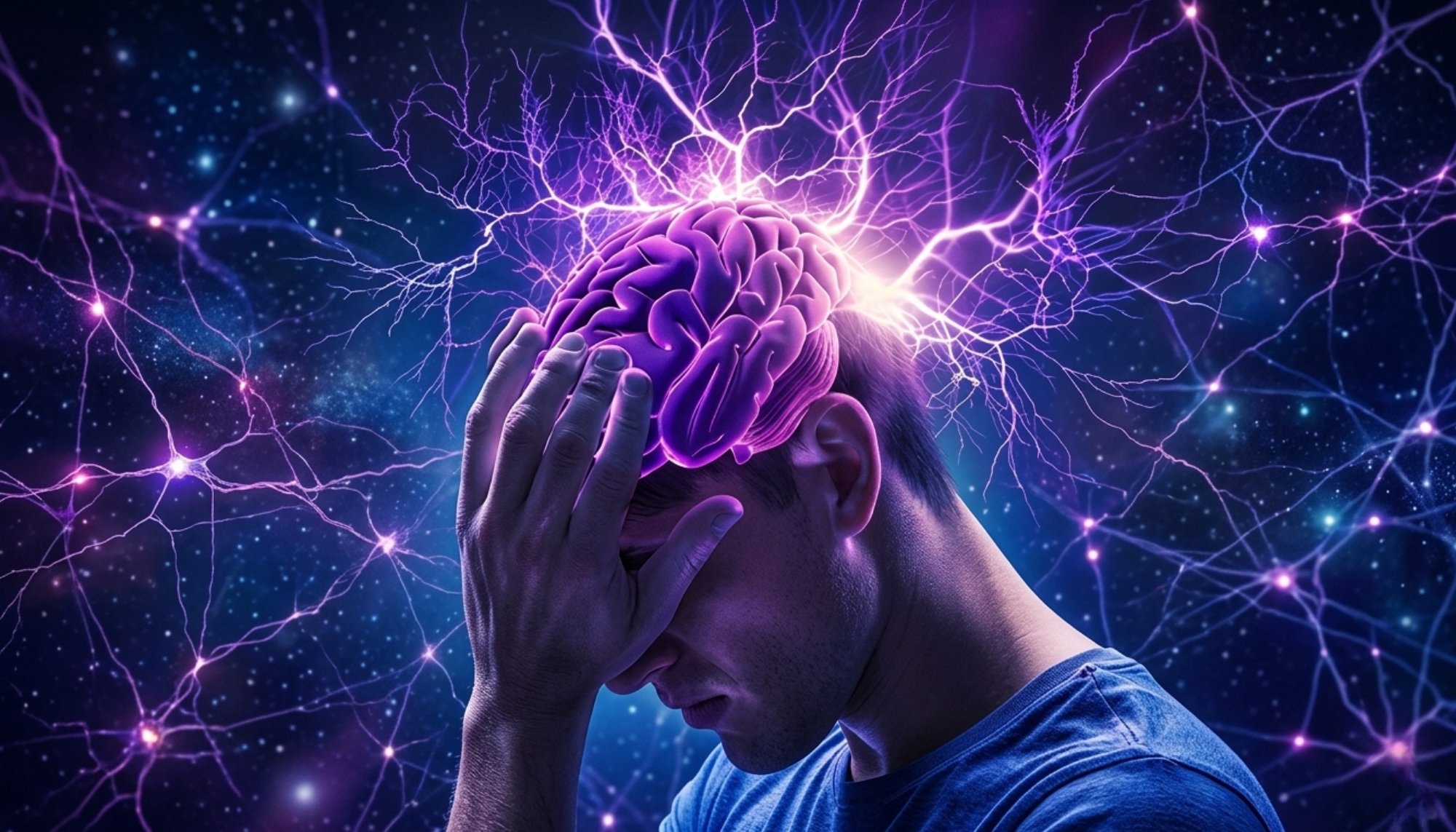
Ayurvedic Multiple Sclerosis Treatment in Hyderabad
Ayurvedic Multiple Sclerosis Treatment in Hyderabad
Protection: Myelin
Reduction: Spasticity
Modulation: Immune
Control: Relapse
Sai Ayush Ayurveda Hospital provides authentic, physician-supervised Ayurvedic treatment for multiple sclerosis in Hyderabad. This structured, clinical approach precisely targets nerve degeneration, motor deficits, and neuro-muscular stiffness using classical therapies like targeted Shirodhara, Nasya, and deeply healing neuro-muscular Basti. Designed specifically for patients seeking safe, non-surgical neurological rehabilitation, all interventions are conducted under strict doctor oversight, with each patient's care planned after a thorough clinical assessment. Multiple Sclerosis (MS) is a complex, chronic autoimmune disease where the immune system attacks the protective sheath (myelin) that covers nerve fibers, causing massive communication problems between the brain and the rest of the body. For some people, it starts with sudden vision problems or tingling in a limb. For others, it progresses to severe, disabling symptoms including profound fatigue, severe muscle spasticity (stiffness), loss of balance, and difficulty walking. At Sai Ayush Ayurveda Hospital, Hyderabad, Ayurvedic supportive care for Multiple Sclerosis is planned under strict doctor supervision after carefully understanding the specific type of MS (relapsing-remitting or progressive), the current phase (flare-up vs. remission), severity of muscle stiffness, fatigue levels, digestion, and ongoing medical history. Our approach safely combines classical Ayurveda, intensive Panchakarma for immune modulation, deeply nourishing external therapies for spasticity, and lifestyle guidance where clinically suitable. The aim is not just temporary comfort, nor is it to claim a permanent cure for this severe autoimmune condition. The focus is strictly supportive: to safely manage the massive systemic inflammation, alleviate severe muscle stiffness and chronic pain, combat profound nerve fatigue, support immune balance, and guide the patient toward maintaining maximum functional independence and a better quality of life.
- Condition focus: Progressive limb weakness, severe muscle spasticity, profound chronic fatigue, optical neuritis, numbness.
- Key therapies: Kshira Basti, Shashtika Shali Pinda Sweda, Ashwagandha, Guduchi.
Quick Reference Matrix
| PARAMETERCLINICAL DIRECTION | |
| Who it may suit | Patients in early to mid-stage relapsing-remitting MS looking to halt the progression of lesions and reduce the severity of flare-ups safely. |
| Who should avoid | The patient is currently in the middle of a massive acute relapse requiring immediate hospital-grade IV steroids to prevent permanent blindness or paralysis. |
| Typical duration | Intensive 21-day inpatient rehab followed by lifelong neuro-protective maintenance. |
Clinical Care Framework
This specialized program follows our integrated ANP³ medical model for fast, sustainable healing.
- Treatment Model: ANP³ (Ayurveda, Naturopathy, Physiotherapy)
- Supervision: Senior Ayurvedic Clinical Team
- Target Conditions: Multiple Sclerosis, Neurological Deficits, Nerve Degeneration
- Setting: Hospital Environment (KPHB OP/IP, Madinaguda OP)
- Duration: Extensive neuro-rehab program (Typically 21 to 90 days)
- Safety Protocol: Rigorous pre-treatment clinical evaluation required
What Is Multiple Sclerosis (MS)?
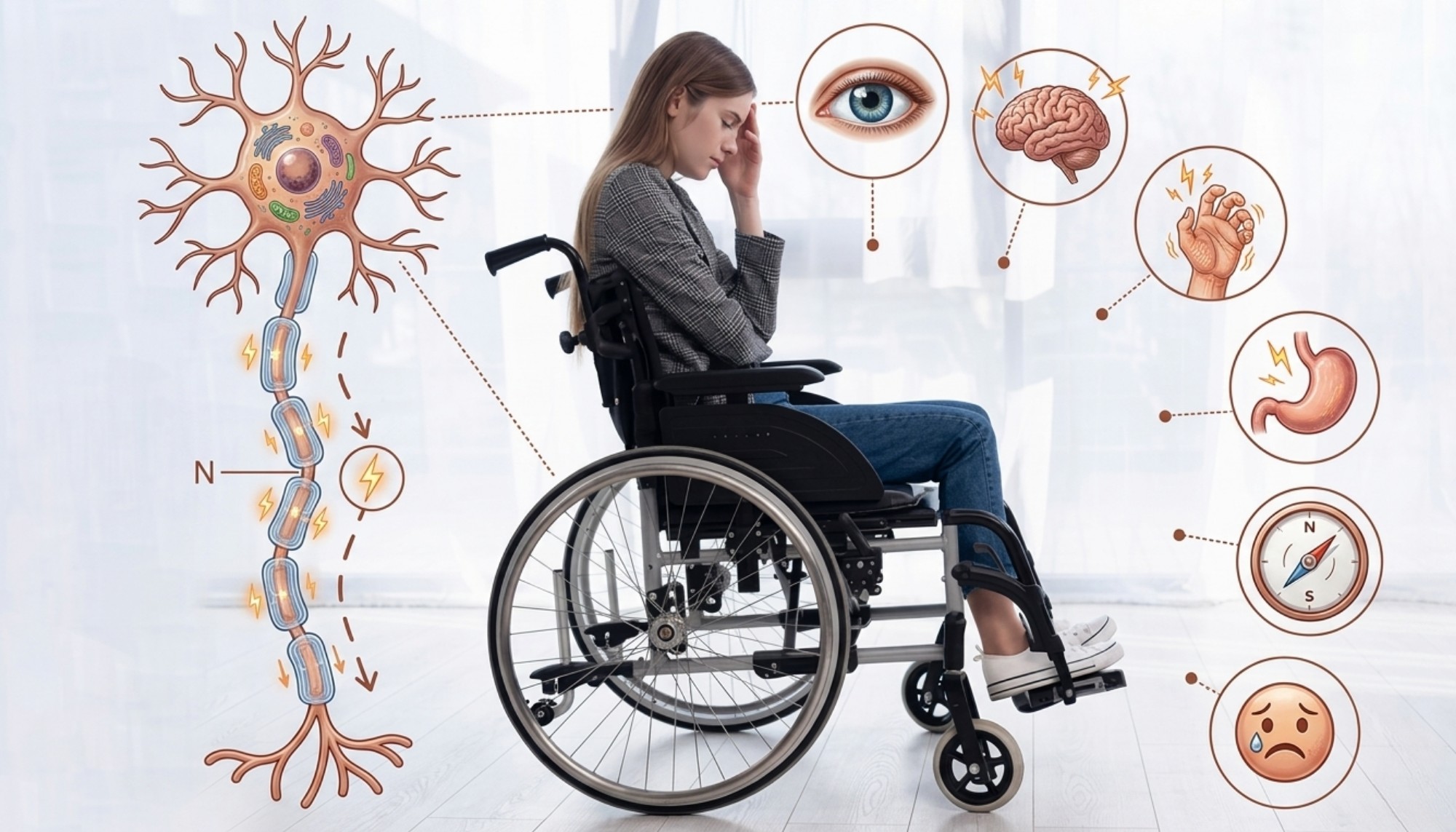
Multiple Sclerosis is a disease of the central nervous system. The immune system mistakenly attacks myelin, the protective substance covering nerve fibers, causing inflammation and scar tissue (sclerosis). This disrupts nerve signals. MS may be associated with:
- Profound, overwhelming fatigue (the most common and disabling symptom)
- Numbness, tingling, or an 'electric shock' feeling down the spine (Lhermitte's sign)
- Severe muscle spasticity (stiffness) and painful involuntary spasms
- Vision problems (blurred vision, double vision, or pain with eye movement)
- Difficulty walking, poor coordination, and loss of balance
- Slurred speech and cognitive changes (brain fog)
- Bowel and bladder dysfunction
- Symptoms that flare up for weeks and then temporarily improve (relapsing-remitting)
Common Symptoms of Multiple Sclerosis
People with multiple sclerosis may experience:
- Chronic or sharp pain in the affected area
- Reduced mobility or stiffness
- Associated discomfort that affects daily activities
Ayurvedic View of Multiple Sclerosis
In Ayurveda, MS is a complex 'Sannipataja' condition (involving all three doshas) but is primarily viewed as an 'Avarana' (blockage) and 'Dhatu Kshaya' (tissue depletion) disorder. Inflammatory Ama (toxins) and Pitta damage the Majja Dhatu (nervous tissue/myelin), leading to a massive, uncontrollable Vata aggravation (causing spasms and nerve misfires). Ayurvedic neuro-care focuses on:
- Clearing deep metabolic toxins (Ama) through Panchakarma
- Pacifying extreme Vata aggravation through heavy, warm lubrication (Pizhichil)
- Reducing systemic inflammation (Pitta) using cooling therapies
- Nourishing the depleted Majja Dhatu (myelin) using specialized Rasayanas
- Managing severe secondary symptoms like spasticity and constipation
- Supporting overall immune resilience (Ojas) to potentially lengthen remission periods
Who Should Avoid Immediate Ayurvedic Therapy?
Certain deep-tissue and intensive systemic therapies are strictly contraindicated and must be avoided by:
- Individuals with acute medical emergencies or active systemic infections requiring ICU care
- Patients presenting with highly contagious or acutely weeping dermatological infections (for localized contact therapies)
- Individuals with severe, unmanaged cardiovascular or respiratory distress
- Pregnant women (unless specific, highly gentle OP care is explicitly advised by the senior physician)
How Is Treatment Performed?
- Detailed Ayurvedic Consultation & Neurological Review: The absolute first step is a careful consultation with an Ayurvedic doctor. The doctor reviews your neurologist's diagnosis, MRI scan reports, current phase of MS, and ongoing medications (like disease-modifying therapies or steroids). Differentiating between a hot, active flare-up and a chronic, stiff remission phase dictates the entire treatment.
- Internal Medicine for Immune and Nerve Support: Because MS is an autoimmune disease, the first step is often correcting digestion (Ama Pachana) to stop the creation of inflammatory toxins. Following this, specific 'Medhya' and 'Rasayana' herbs (like Ashwagandha, Brahmi, and Guduchi) are prescribed to support immune balance and deeply nourish the damaged nervous tissue (Majja Dhatu).
- Shirodhara and Takradhara for Nervous System Calming: MS places massive stress on the brain and spinal cord. Shirodhara (pouring of medicated oil) deeply calms the central nervous system and manages the profound anxiety that accompanies the disease. If there is severe heat or visual involvement (Pitta), cooling Takradhara (medicated buttermilk) is used instead.
- Pizhichil and Abhyanga for Severe Spasticity: Severe, painful muscle stiffness and spasms are hallmarks of MS. Deep, warm, heavily lubricating therapies like Pizhichil (continuous pouring of warm oil) and targeted Abhyanga are utilized to soften rigid muscles, improve local blood flow, and relentlessly counteract the severe Vata dryness causing the spasms.
- Panchakarma Support (Virechana or Basti): For chronic autoimmune conditions, Panchakarma is considered absolutely vital after consultation. Procedures like Virechana (purgation) are used to clear systemic Pitta inflammation, while Basti (medicated enemas) is used to calm deep-seated Vata and nourish the colon, which is often severely constipated in MS patients.
- Physiotherapy and Fatigue Management: At Sai Ayush Ayurveda Hospital, neuro-care heavily includes integrated physiotherapy. Ayurvedic therapies soften the stiffness, but active, doctor-guided stretching is mandatory to prevent joints from locking. Additionally, strict guidance is given to manage the profound fatigue that completely drains MS patients.
Conditions Where Ayurvedic Care May Help Support Quality of Life
Ayurvedic MS supportive treatment may be considered for:
- Managing severe muscle spasticity, stiffness, and painful spasms
- Supporting recovery during the remission phase
- Managing the profound, debilitating fatigue associated with MS
- Relieving severe chronic constipation
- Supportive care to calm anxiety and improve sleep
- Supportive care alongside modern disease-modifying therapies
Why Choose Sai Ayush Ayurveda Hospital for Treatment in Hyderabad?
Sai Ayush Ayurveda Hospital follows a doctor-led approach for severe autoimmune and neurological care. The focus is on safe, highly personalised Ayurvedic support that prioritizes the patient's daily functional independence. Key reasons patients choose Sai Ayush:
- Doctor-supervised Ayurvedic consultation and strict safety review
- Classical Kerala-style neuro-therapies (Shirodhara, Pizhichil, Virechana)
- ANP³ approach: Ayurveda, Naturopathy and Physiotherapy integration
- OP and IP care options (IP provides a safe, monitored environment for extensive Panchakarma)
- Trained therapy team experienced in handling patients with severe stiffness and mobility issues
- Personalised diet, digestion, and fatigue management guidance
- Supportive care focused strictly on improving quality of life
- Convenient access for KPHB, Kukatpally, Madinaguda, Miyapur, Hafeezpet, Chandanagar and nearby areas
What to Expect During Your Visit
During your first visit, the doctor will carefully assess your condition. You MUST bring:
- Your complete medical history and neurologist's diagnosis
- All previous MRI scan reports of the brain and spine
- A complete list of ongoing medications (especially immunosuppressants, steroids, or biologics)
- Details about your specific MS type and when your last flare-up occurred
- Information regarding your current mobility (do you use a cane or wheelchair?)
- Details about your bladder/bowel control and daily fatigue levels
Lifestyle Guidance for Multiple Sclerosis
Along with Ayurvedic treatment, managing triggers—especially heat and stress—is vital for MS patients. General guidance may include:
- Strictly avoid hot environments (hot baths, direct heavy sun, saunas); heat instantly worsens MS symptoms (Uhthoff's phenomenon)
- Never stop or suddenly change your allopathic neurology medications without your doctor's consent
- Pace yourself carefully throughout the day; do not push through the fatigue, as it will cause a severe crash
- Follow a strict anti-inflammatory, Vata-pacifying Ayurvedic diet to support digestion and prevent constipation
- Perform doctor-advised gentle stretching and balance exercises daily to prevent joints from locking up
- Prioritize excellent sleep and aggressive stress management (stress is a massive trigger for flare-ups)
- Ensure the home is safe to prevent falls if balance is affected
- Follow the complete integrated therapy and physio plan advised by the doctor
When Immediate Medical Attention Is Needed
Do not delay contacting your neurologist or emergency care if you experience:
- A sudden, severe new symptom (like sudden total blindness in one eye or sudden inability to walk) indicating a major new flare-up
- Signs of a urinary tract infection (fever, burning, urgency), which can trigger a massive pseudo-relapse
- A severe fall resulting in inability to move or extreme pain
- Sudden inability to swallow food or liquids (choking hazard)
- Severe, acute depression or suicidal thoughts
Book Ayurvedic MS Supportive Consultation in Hyderabad
If severe muscle stiffness, profound fatigue, or balance issues are stealing your daily independence, consult the doctors at Sai Ayush Ayurveda Hospital, Hyderabad. Our team will carefully assess your medical history and guide you with a safe, personalised Ayurvedic supportive plan that may include Panchakarma, Shirodhara, nerve-nourishing therapies, physiotherapy, and lifestyle care where suitable. [Book your consultation](/contact) today at Sai Ayush Ayurveda Hospital – KPHB or Madinaguda. Also Explore: • [Ayurvedic Weakness & Fatigue Treatment](/treatments/neurology/weakness) • [Ayurvedic Paralysis Treatment](/treatments/neurology/paralysis) • [Ayurvedic Neuropathy Treatment](/treatments/neurology/neuropathy)
Duration of Treatment
The duration of treatment heavily depends on the chronicity and severity of the condition. Acute flare-ups may require 7 to 14 days of targeted OP therapies. Severe, chronic systemic conditions may require comprehensive 21 to 90-day care protocols, potentially involving In-Patient (IP) admission for intensive daily monitoring and strict dietary control.
Clinical Integration
Our ANP³ care model perfectly integrates classical Ayurveda with Naturopathy and Physiotherapy. We routinely manage patients who are on parallel allopathic medications for diabetes, hypertension, hormonal therapy, or immunosuppressants. We ensure complete safety by carefully reviewing your current prescriptions to explicitly prevent any adverse herb-drug interactions.
FAQ Section
- Can Ayurveda cure Multiple Sclerosis?
- No, Multiple Sclerosis is a chronic, progressive autoimmune disease. There is no cure in any medical system. Ayurvedic treatment is strictly supportive, aiming to manage severe muscle stiffness, reduce systemic inflammation, combat profound fatigue, and support your daily quality of life.
- Should I stop taking my disease-modifying therapies (DMTs)?
- Absolutely not. Never stop your prescribed allopathic neurology medications, steroids, or biologics. Ayurvedic therapies work safely alongside modern medicine to provide supportive care. Stopping MS drugs can lead to devastating, irreversible flare-ups.
- How does Ayurveda help with the severe stiffness (spasticity)?
- Softening severe muscle rigidity is one of the strongest points of Ayurvedic external therapies. Deep, warm oil therapies like Pizhichil and Abhyanga are specifically used to deeply lubricate and relax tight, spastic muscles, making daily movement easier.
- Is Panchakarma safe for an MS patient?
- Yes, but it must be carefully selected by the doctor based on the patient's strength and current disease phase. Gentle Panchakarma (like Basti) is excellent for managing Vata and severe constipation without exhausting the patient. Rigorous detox is avoided during active, severe flare-ups.
- Why did the doctor tell me to avoid hot water baths?
- In MS, elevated body temperature (even from a hot shower or hot weather) temporarily impairs the ability of demyelinated nerves to conduct electrical impulses, causing a sudden, temporary worsening of all symptoms (Uhthoff's phenomenon). We always use comfortably warm, not hot, therapies.
- Can Ayurveda help with MS fatigue?
- Yes. MS fatigue is profound and debilitating. Ayurveda addresses this by correcting digestion (to clear heavy 'Ama'), providing deeply nourishing Rasayana herbs, and using calming therapies like Shirodhara to ensure the nervous system actually rests during sleep.
- Is MS supportive treatment available at both KPHB and Madinaguda?
- Sai Ayush Ayurveda Hospital provides consultation and therapy support in Hyderabad. For extensive neuro-care, In-Patient (IP) admission is often recommended to avoid the exhaustion of daily travel.
- Do I still need physiotherapy?
- Absolutely. At Sai Ayush, we use the ANP³ approach. Ayurveda softens the stiff tissues, but active, doctor-guided stretching and balance physiotherapy are absolutely mandatory to maintain your mobility and prevent joints from permanently locking.
- Can Ayurveda rebuild the myelin sheath in MS?
- Ayurveda uses specialized neuro-regenerative herbs (like Ashwagandha and Bala) that strongly support the nervous system. While repairing extensive damage is difficult, treatment focuses on drastically slowing demyelination and prolonging remission.
- Why is heat intolerance a major symptom of MS?
- In MS, the damaged nerves misfire. Excessive external heat (a Pitta spike) severely disrupts these already fragile electrical signals in the brain and spine, leading to instant, extreme fatigue and weakness.
Medically Reviewed By: Dr. Pasalapudi Visalaanjani, B.A.M.S, MD (Kayachikitsa)
Registration No: 1146/A/2016
Disclaimer: The information provided is for educational purposes and should not replace professional medical advice. Outcomes may vary.