
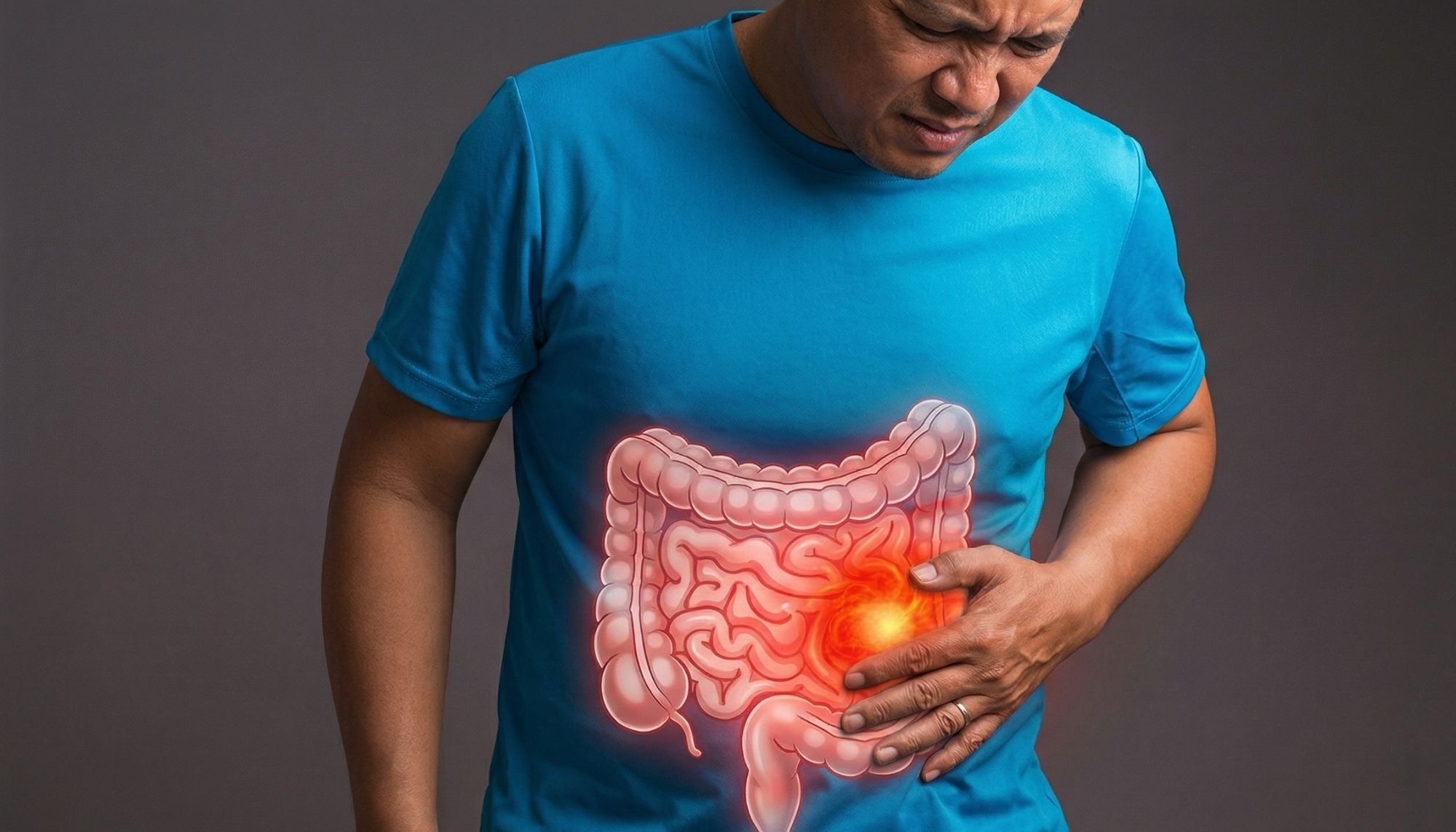
Ayurvedic IBS (Grahani) Treatment in Hyderabad
Ayurvedic IBS (Grahani) Treatment in Hyderabad
Reset: Gut-Brain
Optimized: Digestion
Unlinked: Anxiety
Regulated: Bowel
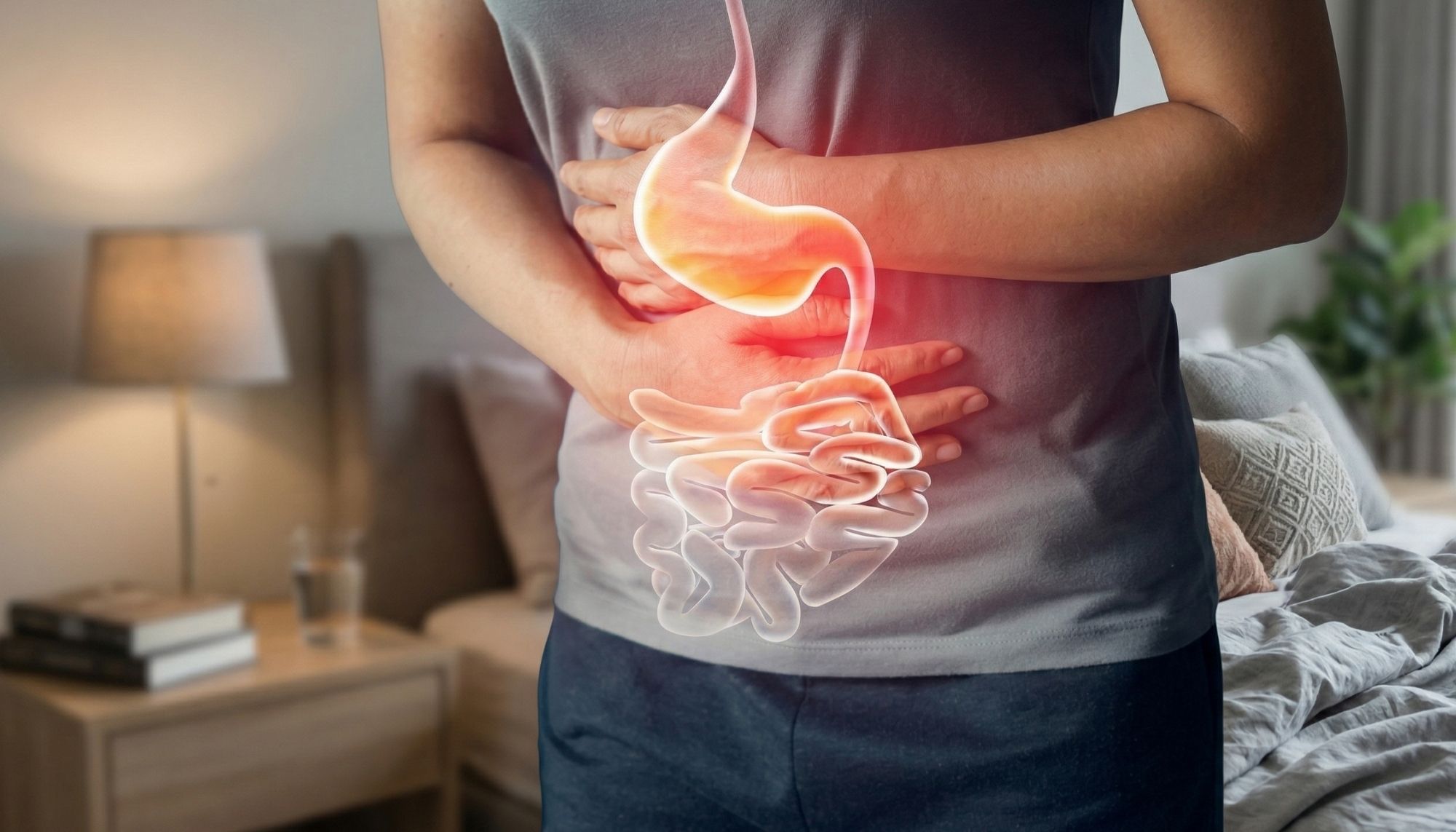
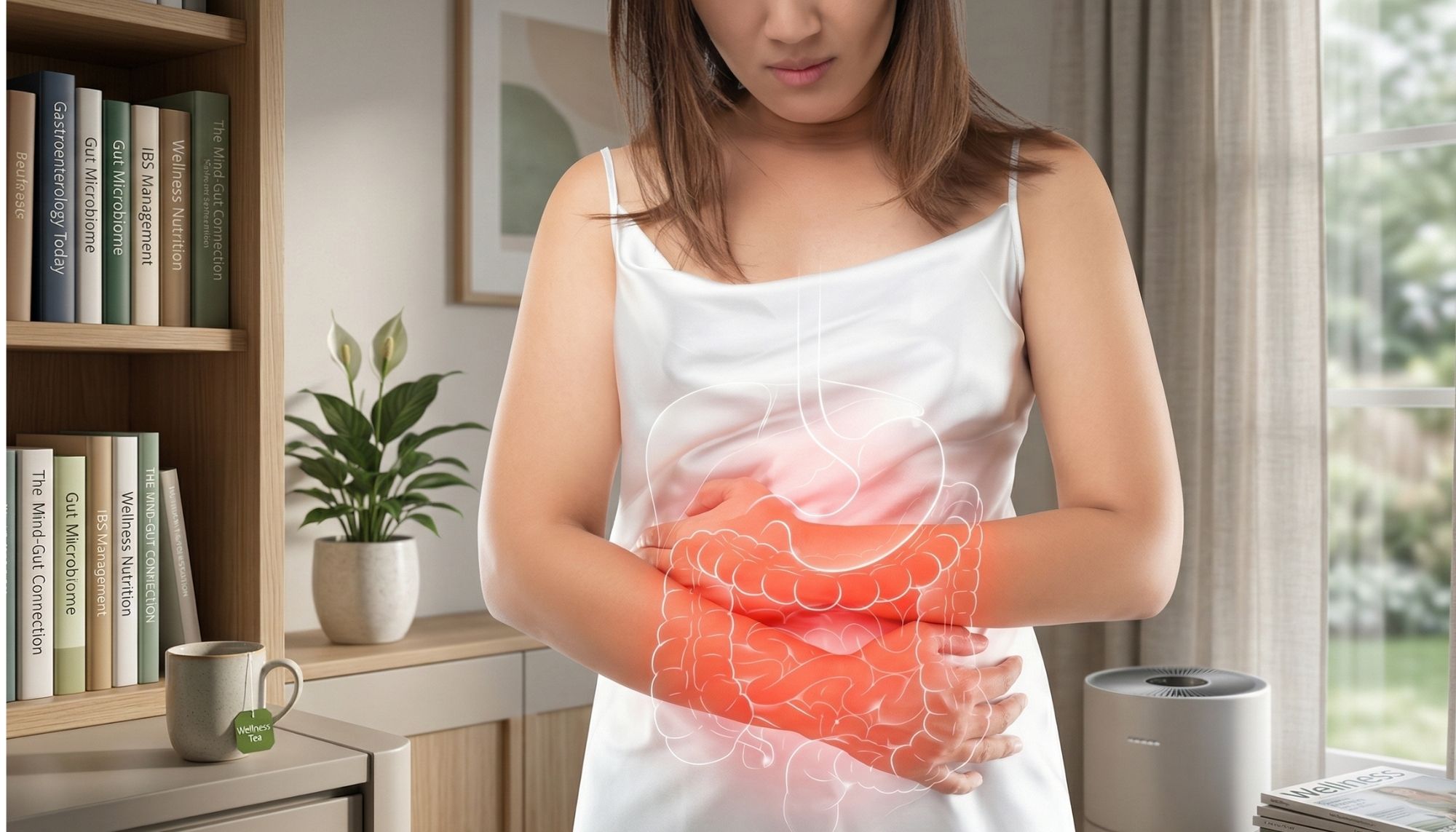
Sai Ayush Ayurveda Hospital provides authentic, physician-supervised Ayurvedic treatment for ibs (grahani) in Hyderabad. This structured, clinical approach precisely targets root-cause gastrointestinal distress, gut microbiome imbalance, and severe digestive sluggishness using classical therapies like targeted Udar Basti and deeply healing Vamana/Virechana (detoxification). Designed specifically for patients seeking safe, non-surgical gastroenterological care, all interventions are conducted under strict doctor oversight, with each patient's care planned after a thorough clinical assessment. Irritable Bowel Syndrome (IBS) may look like a simple stomach upset, but for many people it becomes a repeated concern with unpredictable bowel movements, severe bloating, stomach cramps, sudden urgency to use the washroom, and embarrassment in daily life. Some people experience constant diarrhea (IBS-D), some suffer from stubborn constipation (IBS-C), and some fluctuate between both (IBS-M). At Sai Ayush Ayurveda Hospital, Hyderabad, IBS care is planned through a doctor-guided Ayurvedic approach. Instead of only controlling cramps temporarily, our doctors assess your digestion fire (Agni), bowel routine, stress levels, sleep, food habits, and recurrence pattern before suggesting a personalized treatment plan. Our goal is to support gut comfort, regulate bowel movements, improve digestion strength, and help you manage repeated IBS flare-ups safely.
- Condition focus: Alternating diarrhea and constipation, explosive urgency after eating, severe trapping gas, debilitating gut anxiety.
- Key therapies: Takradhara, Piccha Basti, Shirodhara, Deepana Pachana.
Quick Reference Matrix
| PARAMETER | CLINICAL DIRECTION |
|---|---|
| Who it may suit | Patients who physically cannot leave the house without knowing where every bathroom is, suffering from severe post-meal urgency. |
| Who should avoid | The patient is actively passing cups of pure, bright red blood (this indicates active ulcerative colitis/Crohn’s requiring immediate endoscopic evaluation). |
| Typical duration | Intensive 14 to 21-day neurological-intestinal decoupling protocol. |
Clinical Care Framework
This specialized program follows our integrated ANP³ medical model for fast, sustainable healing.
- Treatment Model: ANP³ (Ayurveda, Naturopathy, Physiotherapy)
- Supervision: Senior Ayurvedic Clinical Team
- Target Conditions: IBS (Grahani), Gastrointestinal Distress, Metabolic Imbalance
- Setting: Hospital Environment (KPHB OP/IP, Madinaguda OP)
- Duration: Typically 14 to 21 days
- Safety Protocol: Rigorous pre-treatment clinical evaluation required
What Is IBS (Grahani)?
Irritable Bowel Syndrome (IBS) is a common disorder affecting the large intestine. It causes a group of intestinal symptoms that typically occur together. The exact physical cause is often not visible in standard medical tests (like endoscopies), as it is primarily a functional disorder of how the gut muscles contract. In some people, IBS may be linked with severe food intolerances, highly sensitive gut nerves, severe emotional stress, or recovering from a severe gastrointestinal infection. That is why repeated abdominal pain and unpredictable bowel movements should not be ignored. A proper assessment helps identify whether it is simple indigestion or a chronic functional disorder that needs specific care.
Common Symptoms of IBS
You may need IBS treatment if you have:
- Cramping or pain in the abdomen, often relieved by passing stool
- Excessive gas and uncomfortable bloating
- Sudden, urgent need to have a bowel movement
- Diarrhea, constipation, or alternating between both
- Mucus in the stool
- A feeling that the bowel has not completely emptied
- Symptoms that heavily worsen during periods of stress
Ayurvedic Understanding of IBS
In Ayurveda, IBS-like digestive concerns are perfectly correlated with 'Grahani Roga'. The 'Grahani' is the seat of Agni (digestive fire). When Agni is weakened by improper diet, eating at wrong times, or severe stress, the food is not digested properly, leading to the formation of 'Ama' (toxins). This weakens the intestines, causing them to alternate between retaining waste (constipation) and rapidly flushing it out (diarrhea). At Sai Ayush, the treatment is not the same for every person. A patient with severe constipation needs a different approach from a patient with constant loose stools. That is why our doctors first understand your gut type and trigger pattern before planning care.
Who Should Avoid Immediate Ayurvedic Therapy?
Certain deep-tissue and intensive systemic therapies are strictly contraindicated and must be avoided by:
- Individuals with acute medical emergencies or active systemic infections requiring ICU care
- Patients presenting with highly contagious or acutely weeping dermatological infections (for localized contact therapies)
- Individuals with severe, unmanaged cardiovascular or respiratory distress
- Pregnant women (unless specific, highly gentle OP care is explicitly advised by the senior physician)
How is the Treatment Performed?
Every treatment plan is bespoke and typically follows this clinical framework:
- Comprehensive Diagnostic Evaluation: Deep assessment of your metabolic Doshas, chronicity of the illness, and systemic health.
- Preparatory Phase (Snehana & Swedana): Internal medications and targeted external therapies to mobilize deep-seated toxins (Ama).
- Primary Intervention: Highly targeted clinical therapies (like specialized Basti, Shirodhara, or Lepanam) to aggressively heal the affected systems.
- Post-Treatment Care: Strict dietary modifications (Pathya) and lifestyle management to prevent future relapses.
How Is Treatment Performed?
- Doctor-Led Gut Assessment: The doctor examines your digestion condition and asks about bloating, stool consistency, mucus in stool, previous medicines used, recurrence, stress, sleep, and food habits. This helps identify whether the IBS is Vata-dominant (constipation/pain), Pitta-dominant (burning/diarrhea), or Kapha-dominant (mucus/heaviness).
- Personalized Ayurvedic Medicines: In recurring IBS, Ayurvedic medicines (Grahi and Deepana-Pachana herbs) may be advised to support digestion, regulate intestinal motility, and restore the strength of the intestines. The choice of medicine depends on your dosha type, age, and symptom pattern. Avoid self-medication with random herbal laxatives.
- Panchakarma Support When Suitable: Depending on the chronicity of the gut imbalance, the doctor may suggest mild Panchakarma therapies like Basti (medicated enemas). These may help gently cleanse the colon, calm irritated nerves in the gut, and improve long-term bowel regularity safely.
- Stress and Mind-Gut Guidance: Many people worsen IBS through severe anxiety and stress, which directly irritates the 'gut-brain axis'. Our doctors guide you on stress management techniques, including Shirodhara if required, to calm the nervous system and stop stress-induced bowel spasms.
- Diet and Lifestyle Correction: IBS can worsen when digestion, sleep, and food habits are disturbed. A doctor-guided plan may include simple changes such as eating warm cooked meals, avoiding extremely spicy/raw foods, drinking buttermilk (Takra), sleeping on time, and avoiding incompatible food combinations.
- Follow-Up and Ongoing Care: Because recurrent IBS is highly stubborn, regular follow-up helps monitor gut stability. Our doctors will guide you on long-term dietary maintenance routines and what to avoid during travel or high-stress periods to prevent sudden flare-ups.
IBS and Emotional Stress
IBS does not always start purely from bad food. In many cases, chronic anxiety, depression, and stress directly alter the motility of the intestines. If the mind is stressed, the gut cannot digest properly. If IBS is strongly associated with severe anxiety or panic, simply taking stomach medicines will not work without addressing the nervous system. At Sai Ayush, we assess both gut and mental health before suggesting a care plan.
When Should You See a Doctor for IBS?
You should consult a doctor if:
- Bowel unpredictability keeps coming back
- Stomach cramping is severely painful
- You are constantly afraid to eat or leave the house due to urgency
- You constantly feel bloated and heavy
- Standard antacids or fiber supplements are not helping
- You suspect severe food allergies
- The condition is causing you massive anxiety and weight loss
What Results Can You Expect?
IBS is highly manageable, but it can come back if triggers are not controlled. The practical goals of Ayurvedic IBS care include:
- Reduced frequency of urgent bowel movements
- Better abdominal comfort and less cramping
- Less gas and severe bloating
- Improved digestive strength (Agni)
- Better stress resilience
- Reduced recurrence triggers
- Healthier bowel routine
Why Choose Sai Ayush for IBS Treatment in Hyderabad?
Sai Ayush Ayurveda Hospital provides doctor-guided Ayurvedic care for IBS, severe bloating, and recurring gut concerns. Our approach is personalized, practical, and focused on long-term gut health rather than temporarily suppressing spasms. Patients choose Sai Ayush for:
- Experienced Ayurvedic doctors
- Personalized gut and digestion assessment
- Ayurvedic medicines for Agni (digestion) restoration
- Diet and lifestyle guidance (including Takra/buttermilk therapy)
- Support for IBS combined with severe stress
- Panchakarma and Ayurveda therapy facilities where suitable
- Ethical and patient-friendly care
Book a Consultation
If severe bloating, unpredictable bowels, or recurring stomach cramps are disturbing your confidence or daily routine, consult our Ayurvedic doctor for a personalized gut care plan. Book your consultation at Sai Ayush Ayurveda Hospital, Hyderabad. Call: +91 81423 28080 / +91 84668 82266 Branches: KPHB and Madinaguda, Hyderabad Also Explore: • [Acidity & GERD Treatment](/treatments/digestive/acidity) • [Chronic Constipation Care](/treatments/digestive/constipation) • [Panchakarma Detoxification](/treatments/panchakarma)
Duration of Treatment
The duration of treatment heavily depends on the chronicity and severity of the condition. Acute flare-ups may require 7 to 14 days of targeted OP therapies. Severe, chronic systemic conditions may require comprehensive 21 to 90-day care protocols, potentially involving In-Patient (IP) admission for intensive daily monitoring and strict dietary control.
Clinical Integration
Our ANP³ care model perfectly integrates classical Ayurveda with Naturopathy and Physiotherapy. We routinely manage patients who are on parallel allopathic medications for diabetes, hypertension, hormonal therapy, or immunosuppressants. We ensure complete safety by carefully reviewing your current prescriptions to explicitly prevent any adverse herb-drug interactions.
FAQ Section
- Can Ayurveda help with IBS?
Ayurveda may support IBS management by improving digestive fire (Agni), regulating bowel movements, calming the nervous system, and balancing doshas. Treatment should be personalized after doctor assessment. - Is IBS completely curable?
IBS is a functional disorder. While it cannot be completely 'cured' where you can eat anything without consequence, it can be highly successfully managed to the point where you live completely symptom-free by following a specific lifestyle. - Does stress really cause IBS?
Yes. The gut and brain are intimately connected via the vagus nerve. Severe emotional stress instantly alters the speed at which food moves through your intestines, leading to immediate diarrhea or cramps in susceptible individuals. - Should I drink milk if I have IBS?
It depends. Many IBS patients are naturally lactose intolerant or find that cold milk heavily aggravates mucus production and bloating (Kapha). However, medicated buttermilk (Takra) is highly recommended in Ayurveda for repairing the gut lining. - How long does IBS treatment take?
Because IBS is chronic, restoring the digestive fire and calming the intestines takes time. Most patients require 2 to 3 months of consistent medication and strict dietary discipline to see lasting stability. Results vary. - When should I see a doctor for IBS?
See a doctor if your bowel habits change suddenly, if you have severe unrelenting pain, if standard home remedies are failing, or if the fear of having an 'accident' is preventing you from leaving your house. - Why does my stomach completely blow up after eating garlic or onions?
Garlic and onions are highly fermentable (high FODMAP). If your gut motility is altered (IBS), these foods rapidly ferment in the intestines, causing massive gas trapping and intense cramping. - Can holding in my stool worsen IBS?
Yes. Ignoring the urge to go (Vegadharana) severely aggravates Apana Vata, destroying the natural rhythm of the colon and leading to chronic, stubborn constipation alternating with diarrhea. - Is it normal to see mucus in my stool with IBS?
Yes. When the colon is constantly irritated and spasming (due to high Vata and Ama), it produces excess Kapha (mucus) to protect its lining. This is a clear sign the gut is inflamed. - Should I drink a lot of water to flush out IBS?
Drinking excessive water when your digestion is weak will literally drown your 'Agni' (digestive fire), causing immense stomach heaviness and worse diarrhea. Sip small amounts of warm water only.
Medically Reviewed By: Dr. Pasalapudi Visalaanjani, B.A.M.S, MD (Kayachikitsa)
Registration No: 1146/A/2016
Disclaimer: The information provided is for educational purposes and should not replace professional medical advice. Outcomes may vary.