
Ayurvedic Crohn's Disease Treatment in Hyderabad
Ayurvedic Crohn's Disease Treatment in Hyderabad
Cooled: Inflammation
Modulated: Immunity
Healing: Tissue
Suppressed: Flares
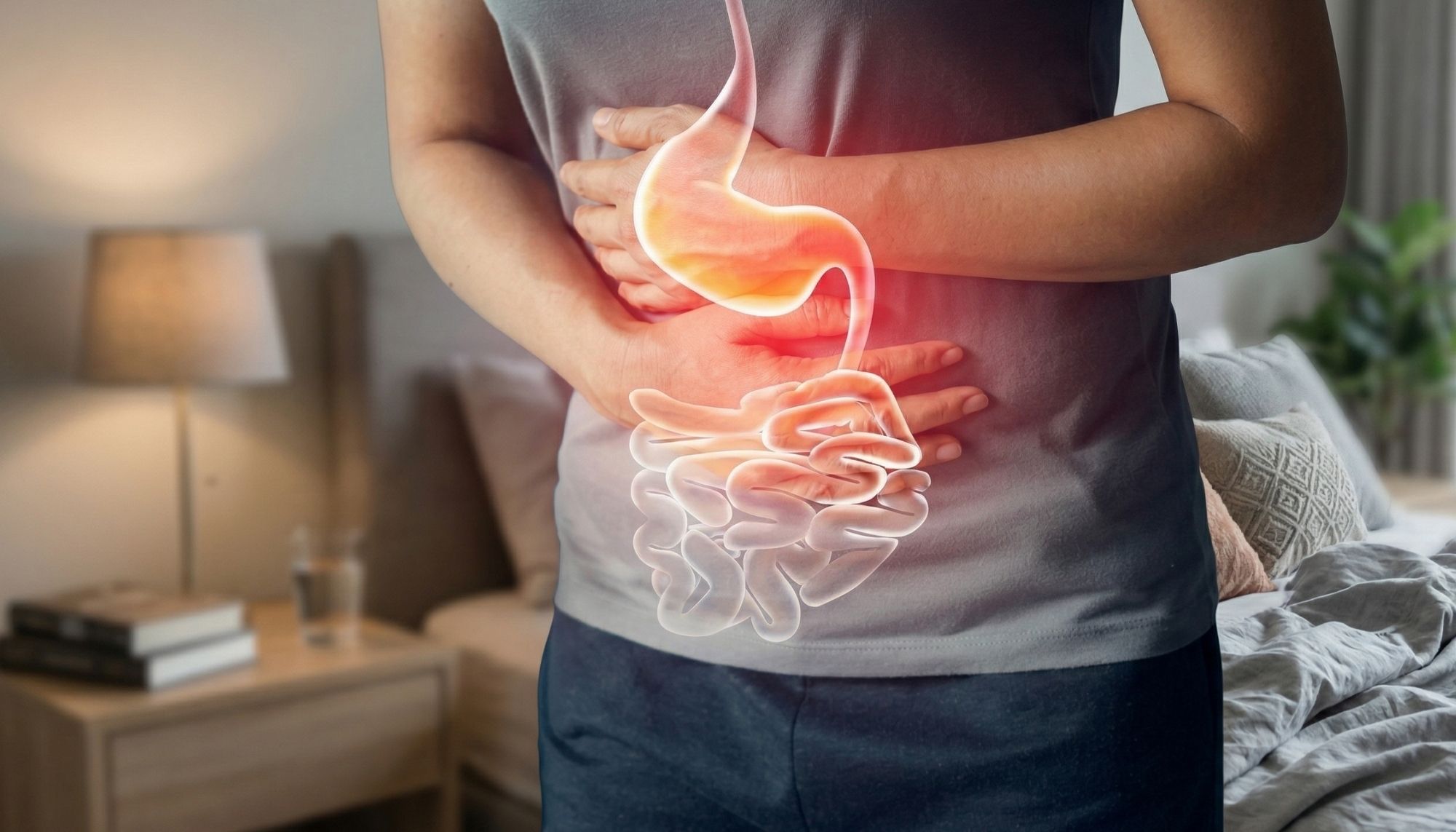
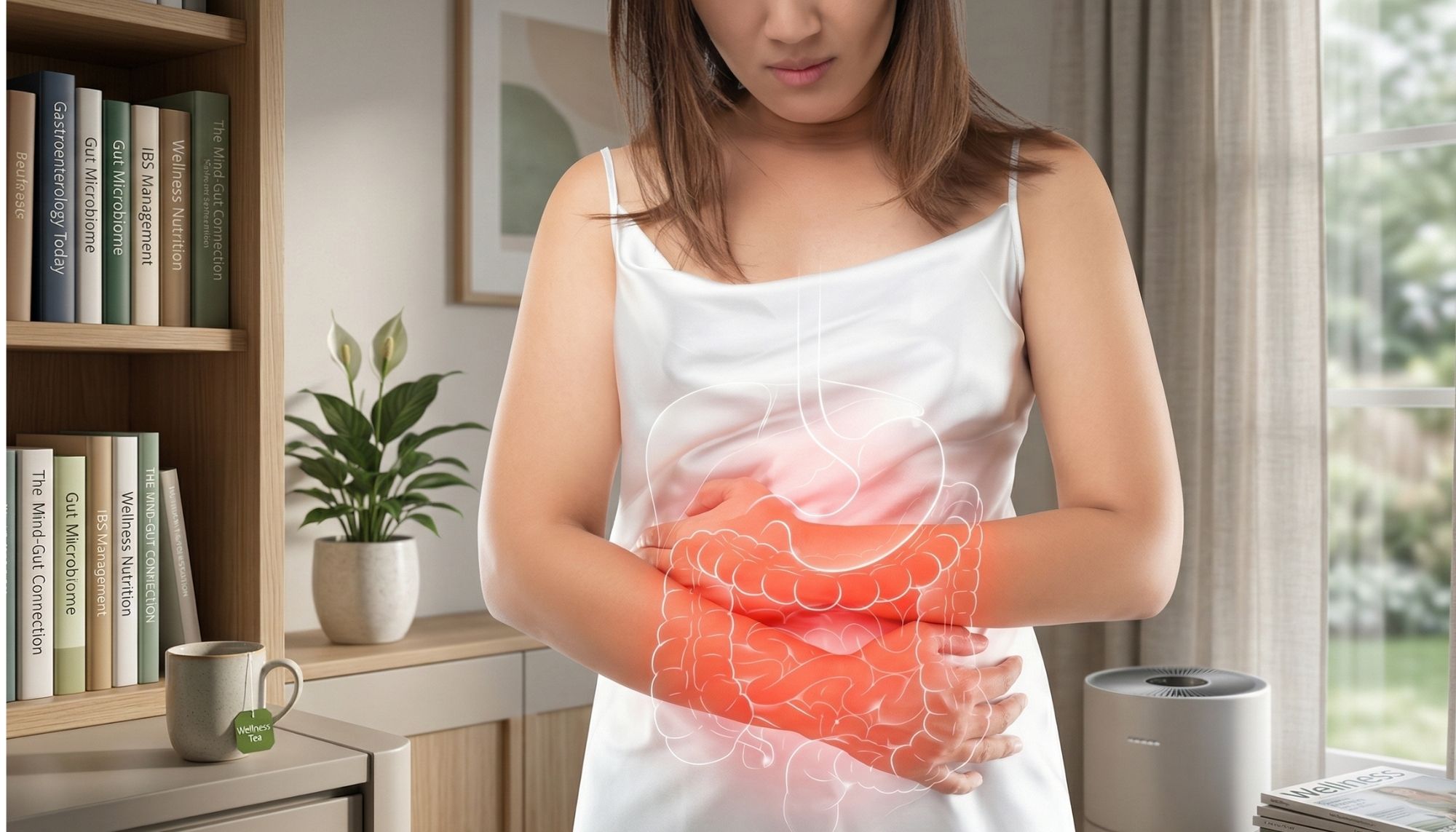
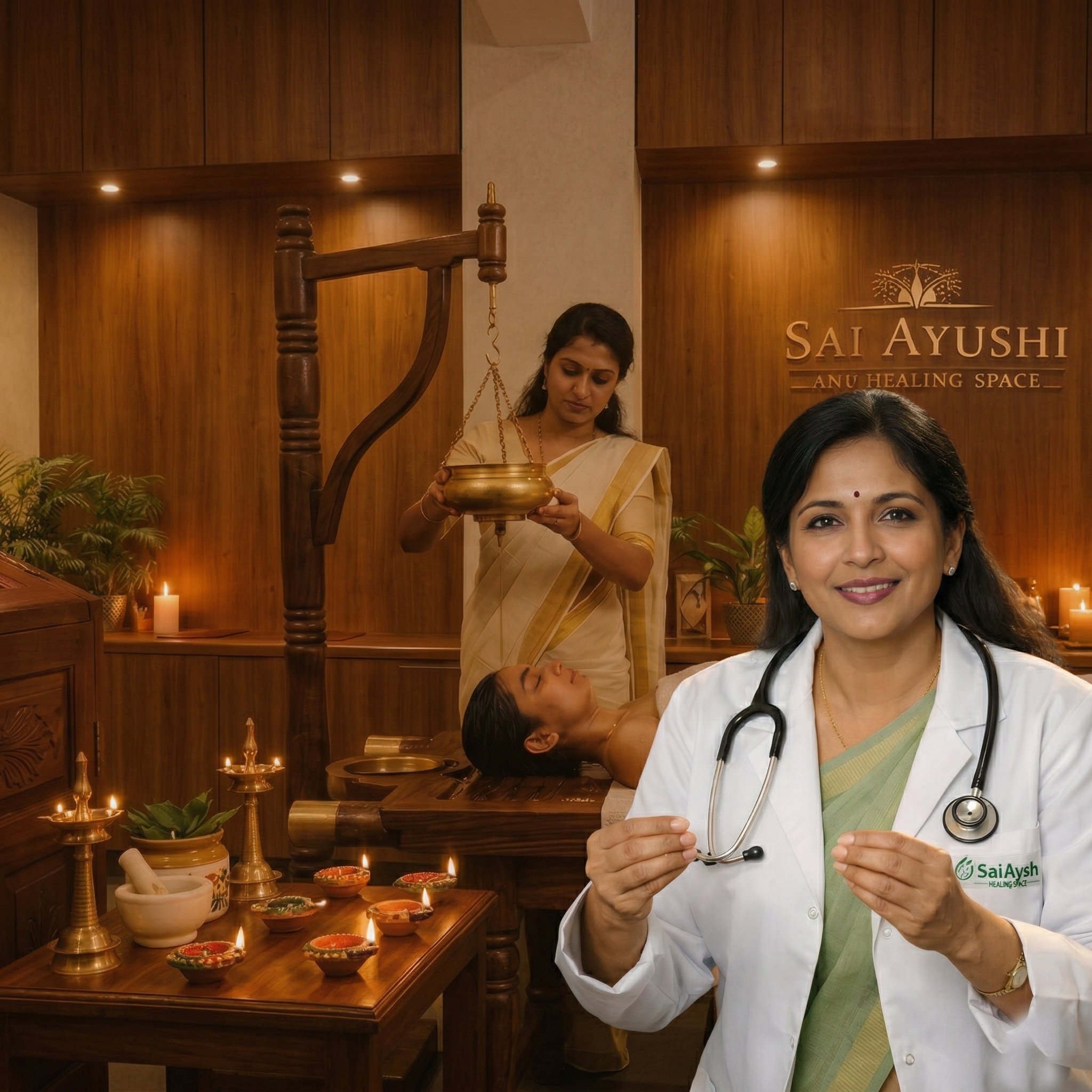
Sai Ayush Ayurveda Hospital provides authentic, physician-supervised Ayurvedic treatment for crohn's disease in Hyderabad. This structured, clinical approach precisely targets root-cause gastrointestinal distress, gut microbiome imbalance, and severe digestive sluggishness using classical therapies like targeted Udar Basti and deeply healing Vamana/Virechana (detoxification). Designed specifically for patients seeking safe, non-surgical gastroenterological care, all interventions are conducted under strict doctor oversight, with each patient's care planned after a thorough clinical assessment. Crohn's Disease is not just simple IBS; it is a serious, chronic Inflammatory Bowel Disease (IBD) that causes deep inflammation anywhere along the digestive tract. For many people, Crohn's causes severe, debilitating abdominal pain, chronic severe diarrhea, massive weight loss, extreme fatigue, and severe malnutrition because the gut physically cannot absorb food. At Sai Ayush Ayurveda Hospital, Hyderabad, Crohn's care is planned through a highly cautious, doctor-guided Ayurvedic approach. Instead of only relying on heavy immunosuppressants, our doctors focus on pacifying severe immune-driven heat (Pitta), healing the deeply ulcerated intestinal lining, and rebuilding your overall strength (Ojas). Our goal is to support the natural reduction of severe inflammation, improve nutrient absorption, reduce painful flare-ups, and help you manage this chronic autoimmune condition safely alongside your primary medical care.
- Condition focus: Deep intestinal ulcerations, bloody diarrhea, extreme weight loss, anal fistulas, debilitating abdominal cramps.
- Key therapies: Tikta Ghrita, Matra Basti, Shirodhara, Guduchi.
Quick Reference Matrix
| PARAMETER | CLINICAL DIRECTION |
|---|---|
| Who it may suit | Patients exhausted by heavy steroid use and biologics looking to sustain long-term remission through biological gut-healing. |
| Who should avoid | The patient has a massive, completely blocked intestinal stricture or a severe abscess causing sepsis (requires life-saving emergency surgery). |
| Typical duration | Intensive 21-day clinical cooling followed by lifetime autoimmune management. |
Clinical Care Framework
This specialized program follows our integrated ANP³ medical model for fast, sustainable healing.
- Treatment Model: ANP³ (Ayurveda, Naturopathy, Physiotherapy)
- Supervision: Senior Ayurvedic Clinical Team
- Target Conditions: Crohn's Disease, Gastrointestinal Distress, Metabolic Imbalance
- Setting: Hospital Environment (KPHB OP/IP, Madinaguda OP)
- Duration: Typically 14 to 21 days
- Safety Protocol: Rigorous pre-treatment clinical evaluation required
What Is Crohn's Disease?
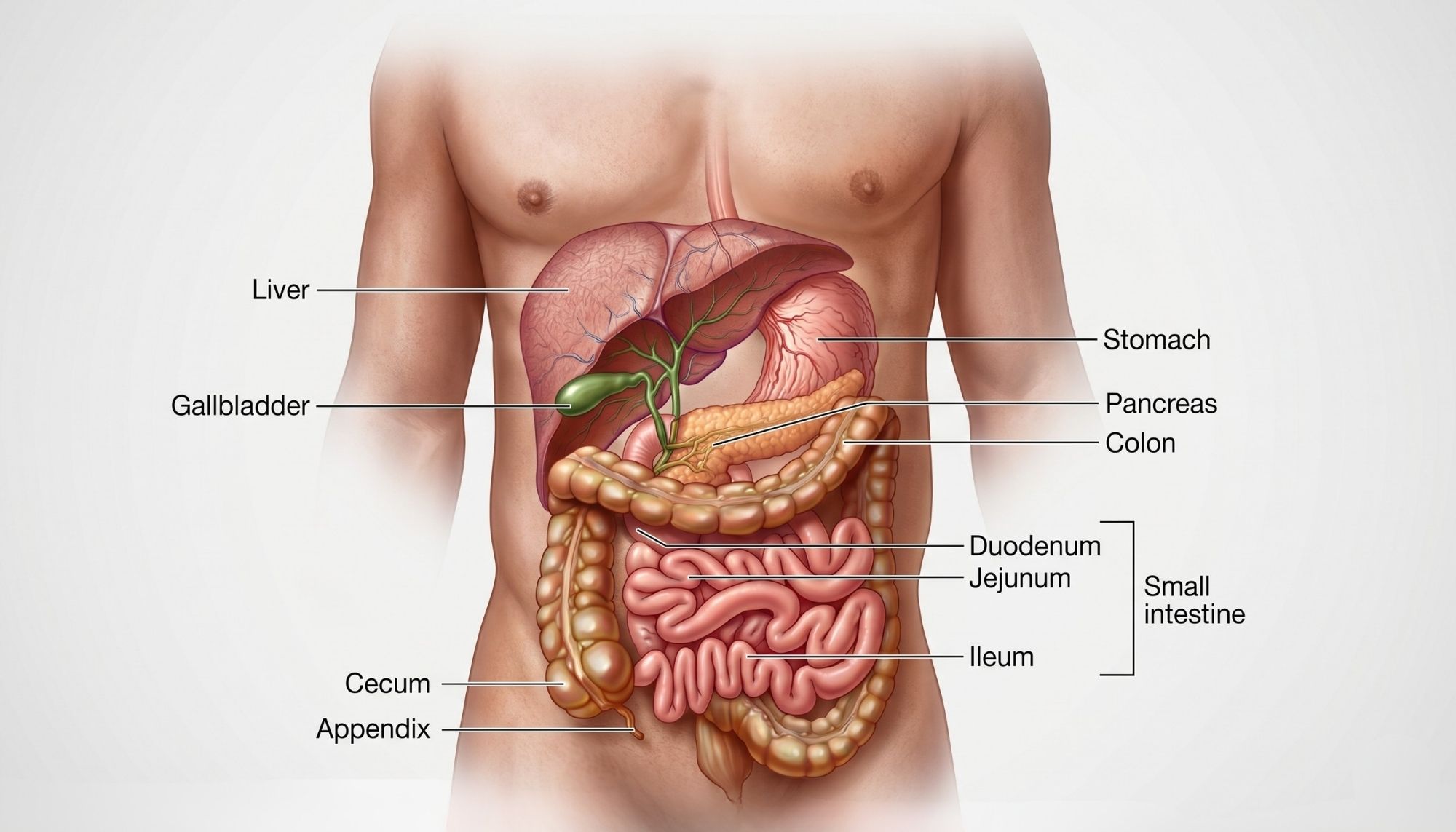
Crohn's Disease is a type of Inflammatory Bowel Disease (IBD). Unlike Ulcerative Colitis which only affects the colon, Crohn's can cause deep inflammation anywhere from your mouth to your anus, often affecting the lower part of the small intestine (ileum). In many people, Crohn's is an autoimmune condition where the immune system mistakenly attacks healthy gut tissue, causing deep ulcers, swelling, and severe scarring (strictures) that block the passage of food. That is why severe, chronic diarrhea and massive weight loss should never be ignored. A proper medical assessment helps manage the inflammation before it requires emergency bowel surgery.
Common Symptoms of Crohn's Disease
You may need IBD supportive treatment if you have:
- Severe, chronic diarrhea that does not stop
- Intense abdominal cramping and pain, often in the lower right area
- Significant, completely unexplained weight loss and severe malnutrition
- Constant, extreme fatigue and anemia
- Fever and night sweats during active flare-ups
- Mouth sores or joint pain accompanying the gut issues
Ayurvedic Understanding of Crohn's Disease
In Ayurveda, autoimmune IBDs like Crohn's are closely correlated with severe 'Pittaja Grahani' mixed with 'Rakta' (blood) and 'Ama' (toxin) complications. It occurs when Pitta dosha (the heat element) becomes extraordinarily toxic and penetrates the deeper tissues (Rakta Dhatu and Mamsa Dhatu). This 'boiling' Pitta literally burns through the intestinal lining. Because the 'Grahani' (the holding and absorbing organ) is destroyed, the body instantly flushes out all food (severe diarrhea) and starves to death (massive weight loss). At Sai Ayush, the treatment is focused on 'cooling' this extreme systemic fire, healing the ulcers, and slowly rebuilding the body's lost strength (Ojas).
Who Should Avoid Immediate Ayurvedic Therapy?
Certain deep-tissue and intensive systemic therapies are strictly contraindicated and must be avoided by:
- Individuals with acute medical emergencies or active systemic infections requiring ICU care
- Patients presenting with highly contagious or acutely weeping dermatological infections (for localized contact therapies)
- Individuals with severe, unmanaged cardiovascular or respiratory distress
- Pregnant women (unless specific, highly gentle OP care is explicitly advised by the senior physician)
How is the Treatment Performed?
Every treatment plan is bespoke and typically follows this clinical framework:
- Comprehensive Diagnostic Evaluation: Deep assessment of your metabolic Doshas, chronicity of the illness, and systemic health.
- Preparatory Phase (Snehana & Swedana): Internal medications and targeted external therapies to mobilize deep-seated toxins (Ama).
- Primary Intervention: Highly targeted clinical therapies (like specialized Basti, Shirodhara, or Lepanam) to aggressively heal the affected systems.
- Post-Treatment Care: Strict dietary modifications (Pathya) and lifestyle management to prevent future relapses.
How Is Treatment Performed?
- Doctor-Led IBD Assessment: The doctor carefully evaluates your disease chronicity, asking about recent colonoscopies, frequency of flare-ups, weight loss, joint pains, and current immunosuppressive medications. This helps confirm the severity of Pitta (inflammation) destroying the gut tissues (Dhatus).
- Cooling & Healing Ayurvedic Medicines (Ropana): In Crohn's, deeply cooling, immunomodulatory, and wound-healing (Vrana Ropana) Ayurvedic medicines are advised. These herbs help soothe the violent inflammation in the gut lining and regulate the hyperactive immune response. Self-medication is strictly prohibited.
- Strict Anti-Inflammatory Diet (Pathya): You cannot heal Crohn's while eating heavy, spicy, or raw food. Our doctors provide a highly restrictive, easy-to-absorb diet plan (like specific medicated gruels) to provide maximum nutrition while demanding zero effort from the inflamed intestines.
- Panchakarma Support When Stable: During an active, bleeding flare-up, heavy Panchakarma is contraindicated. However, during a stable remission phase, highly specialized, mild Panchakarma therapies (like Piccha Basti) may be carefully administered to coat and heal the lower intestines.
- Follow-Up and Safety Monitoring: Crohn's requires extreme caution and constant monitoring. Regular follow-up is mandatory. If you are on strong allopathic steroids or biologics, our doctors will never ask you to stop them suddenly; Ayurvedic care acts as a powerful supportive therapy to reduce flare severity.
Crohn's Disease and Malnutrition
Because Crohn's heavily attacks the small intestine (where most nutrients are absorbed), patients often suffer from severe deficiencies in Iron, Vitamin B12, and Vitamin D. Simply eating more food does not work because the gut cannot absorb it. At Sai Ayush, we prioritize healing the gut wall so your body can actually absorb the nutrients you eat, pulling you out of chronic exhaustion.
When Should You See a Doctor for Crohn's Disease?
You should consult a doctor if:
- You have been formally diagnosed with Crohn's and want supportive healing
- You are experiencing a severe flare-up despite medication
- You are rapidly losing weight and muscle mass
- You are struggling with the side effects of long-term steroids
- You are constantly exhausted and anemic
What Results Can You Expect?
Crohn's Disease is a highly stubborn, lifelong condition. Ayurveda does NOT offer a 'permanent 100% cure', but it offers powerful management. The practical goals of Ayurvedic IBD care include:
- Reduction in the frequency and severity of active flare-ups
- Better formation of stool and reduced diarrhea
- Significant relief from sharp abdominal cramping
- Healing of the irritated intestinal mucosal lining
- Improvement in nutrient absorption and gradual weight gain
- Better overall energy and immune resilience
Why Choose Sai Ayush for Crohn's Treatment in Hyderabad?
Sai Ayush Ayurveda Hospital provides highly cautious, doctor-guided Ayurvedic support for severe IBD. Our approach is personalized, deeply cooling, and focused on natural wound healing without interfering with your emergency medical care. Patients choose Sai Ayush for:
- Experienced Ayurvedic doctors who understand severe autoimmune gut disorders
- Safe, restorative Ayurvedic medicines that do not aggressively stimulate the gut
- Strict, personalized 'Pathya' (dietary) guidance essential for IBD healing
- Specialized Panchakarma (like Piccha Basti) for stable cases
- Ethical, integrative care that respects your allopathic treatments
Book a Consultation
If severe chronic diarrhea, massive weight loss, or constant abdominal pain from Crohn's is disturbing your life, consult our Ayurvedic doctor for a highly supportive, gut-healing plan. Book your consultation at Sai Ayush Ayurveda Hospital, Hyderabad. Call: +91 81423 28080 / +91 84668 82266 Branches: KPHB and Madinaguda, Hyderabad Also Explore: • [Ulcerative Colitis Support](/treatments/digestive/ulcerative-colitis) • [IBS Treatment](/treatments/digestive/ibs) • [Ayurvedic Panchakarma](/treatments/panchakarma)
Duration of Treatment
The duration of treatment heavily depends on the chronicity and severity of the condition. Acute flare-ups may require 7 to 14 days of targeted OP therapies. Severe, chronic systemic conditions may require comprehensive 21 to 90-day care protocols, potentially involving In-Patient (IP) admission for intensive daily monitoring and strict dietary control.
Clinical Integration
Our ANP³ care model perfectly integrates classical Ayurveda with Naturopathy and Physiotherapy. We routinely manage patients who are on parallel allopathic medications for diabetes, hypertension, hormonal therapy, or immunosuppressants. We ensure complete safety by carefully reviewing your current prescriptions to explicitly prevent any adverse herb-drug interactions.
FAQ Section
- Can Ayurveda completely cure Crohn's Disease?
No. Crohn's is an autoimmune condition involving deep structural changes in the gut. Ayurveda does not promise a 'permanent cure', but it offers highly effective supportive care to reduce inflammation, heal ulcers, and prolong symptom-free remission periods. - Do I have to stop my allopathic steroids to take Ayurvedic medicine?
Absolutely not. Stopping steroids suddenly in severe Crohn's is highly dangerous and can trigger a life-threatening flare. Ayurvedic medicine is used as a supportive therapy alongside your current treatment. - Why is raw salad bad for me?
In Crohn's, the intestinal lining is deeply ulcerated and inflamed. Raw vegetables are extremely rough, fibrous, and hard to digest. Eating them acts like rubbing sandpaper on an open wound. You must eat fully cooked, soft, easily absorbed foods. - Can severe stress trigger a Crohn's flare?
Yes. The immune system and the nervous system are intimately connected. Severe emotional stress instantly spikes systemic inflammation, which can trigger the immune system to aggressively attack the gut again. - How long does it take to see results?
Crohn's requires immense patience. Stabilizing an active flare and healing deep ulcers can take several months of strict dietary discipline and consistent Ayurvedic support. Results vary. - What should I do if my stomach pain becomes suddenly unbearable?
Go to an emergency room immediately. Sudden, severe pain or an inability to pass gas indicates a possible intestinal blockage or perforation, which is a surgical emergency. - Can Crohn's disease cause joint pain?
Yes. Up to 30% of IBD patients experience severe joint pain. Because it is an autoimmune condition, the systemic inflammation doesn't just attack the gut; it travels through the blood and attacks the joints. - Why do I have sores inside my mouth?
Crohn's can affect the entire digestive tract from mouth to anus. Severe, recurring mouth ulcers (Aphthous ulcers) are a very common sign that the Crohn's inflammation is highly active. - Is it safe to eat nuts and seeds with Crohn's?
During a flare-up, absolutely not. The hard, sharp edges of nuts and seeds act like broken glass on the deeply ulcerated intestines, causing severe pain and potentially causing a physical blockage. - Can Ayurveda help with the extreme fatigue of Crohn's?
Yes. The fatigue is caused by severe malabsorption of iron and B12. Ayurvedic 'Rasayana' therapies focus on healing the gut wall so it can absorb nutrients, directly addressing the root of the exhaustion.
Medically Reviewed By: Dr. Pasalapudi Visalaanjani, B.A.M.S, MD (Kayachikitsa)
Registration No: 1146/A/2016
Disclaimer: The information provided is for educational purposes and should not replace professional medical advice. Outcomes may vary.