


Ayurvedic Abdominal Pain Treatment in Hyderabad
Ayurvedic Abdominal Pain Treatment in Hyderabad
Mapped: Pain
Arrested: Spasms
Subjugation: Vata
Corrected: Agni
Sai Ayush Ayurveda Hospital provides authentic, physician-supervised Ayurvedic treatment for abdominal pain in Hyderabad. This structured, clinical approach precisely targets root-cause gastrointestinal distress, gut microbiome imbalance, and severe digestive sluggishness using classical therapies like targeted Udar Basti and deeply healing Vamana/Virechana (detoxification). Designed specifically for patients seeking safe, non-surgical gastroenterological care, all interventions are conducted under strict doctor oversight, with each patient's care planned after a thorough clinical assessment. Chronic Abdominal Pain and Cramps (Colic) may look like a simple stomach ache, but for many people it becomes a highly distressing, unpredictable concern with sharp, moving pains, severe dull aching, sudden intense spasms, and deep discomfort that interferes with work and sleep. At Sai Ayush Ayurveda Hospital, Hyderabad, abdominal pain care is planned through a highly cautious, doctor-guided Ayurvedic approach. Instead of only relying on temporary strong painkillers, our doctors meticulously assess your pain pattern, digestive fire (Agni), bowel movements, stress, and eating habits before suggesting a personalized treatment plan. Our goal is to support the relaxation of gut spasms, improve natural digestion, reduce severe gaseous stretching, and help you manage repeated abdominal discomfort safely by addressing the root cause.
- Condition focus: Unexplained chronic stomach aches, stabbing gas pains, gut spasms, heavy aching after food.
- Key therapies: Nadi Sweda, Udarabhyanga, Lashuna (Garlic) formulations.
Quick Reference Matrix
| PARAMETER | CLINICAL DIRECTION |
|---|---|
| Who it may suit | Patients suffering from chronic, daily stomach pain where ultrasound and endoscopy show 'nothing physically wrong'. |
| Who should avoid | The pain is brutally sharp in the lower right quadrant with a fever (Appendicitis) or sharp under the right ribs (Gallbladder attack). Seek ER instantly. |
| Typical duration | Immediate relief of spasm; 7 to 10 days for gut retraining. |
Clinical Care Framework
This specialized program follows our integrated ANP³ medical model for fast, sustainable healing.
- Treatment Model: ANP³ (Ayurveda, Naturopathy, Physiotherapy)
- Supervision: Senior Ayurvedic Clinical Team
- Target Conditions: Abdominal Pain, Gastrointestinal Distress, Metabolic Imbalance
- Setting: Hospital Environment (KPHB OP/IP, Madinaguda OP)
- Duration: Typically 14 to 21 days
- Safety Protocol: Rigorous pre-treatment clinical evaluation required
Common Symptoms of Abdominal Pain
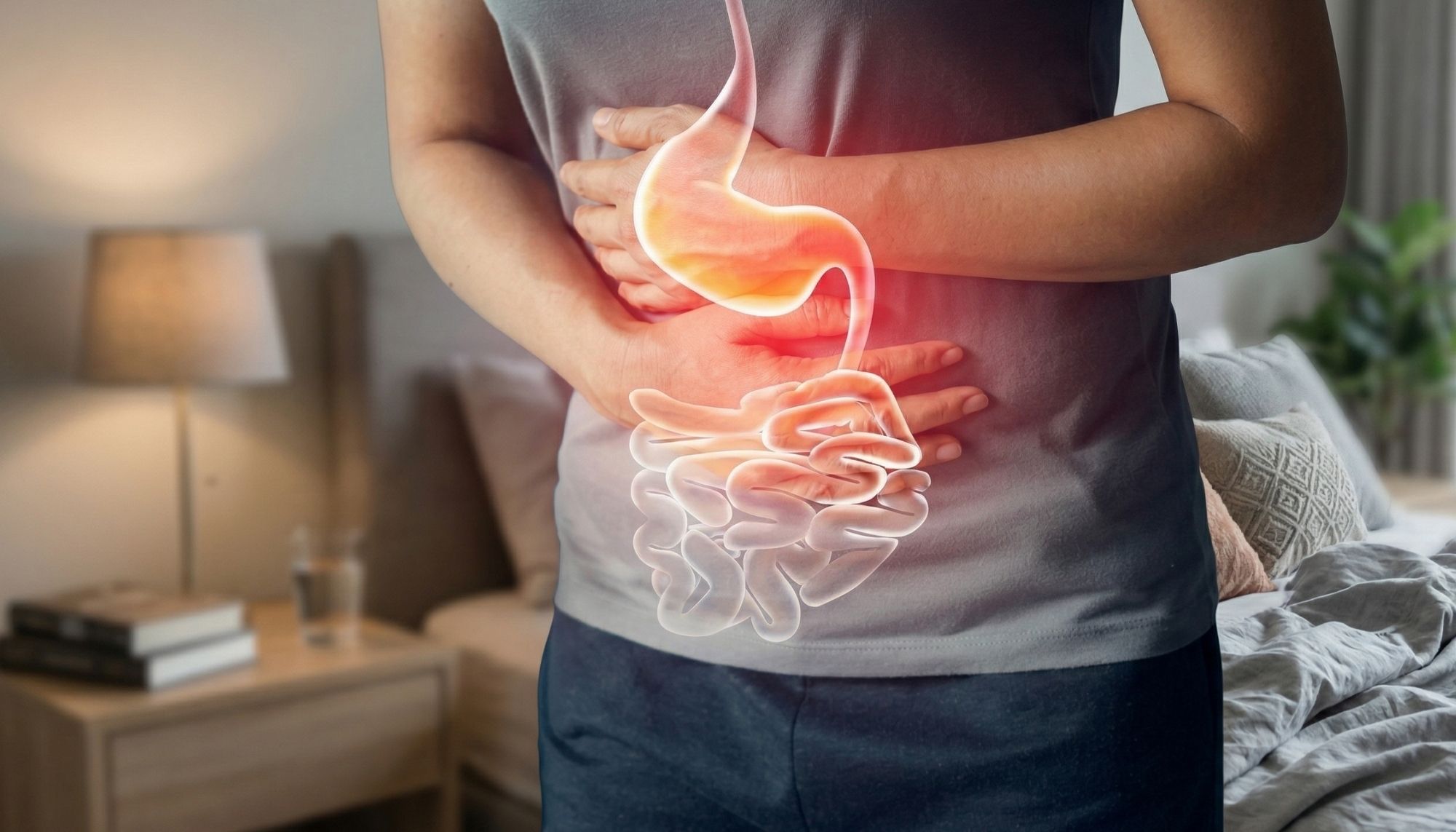
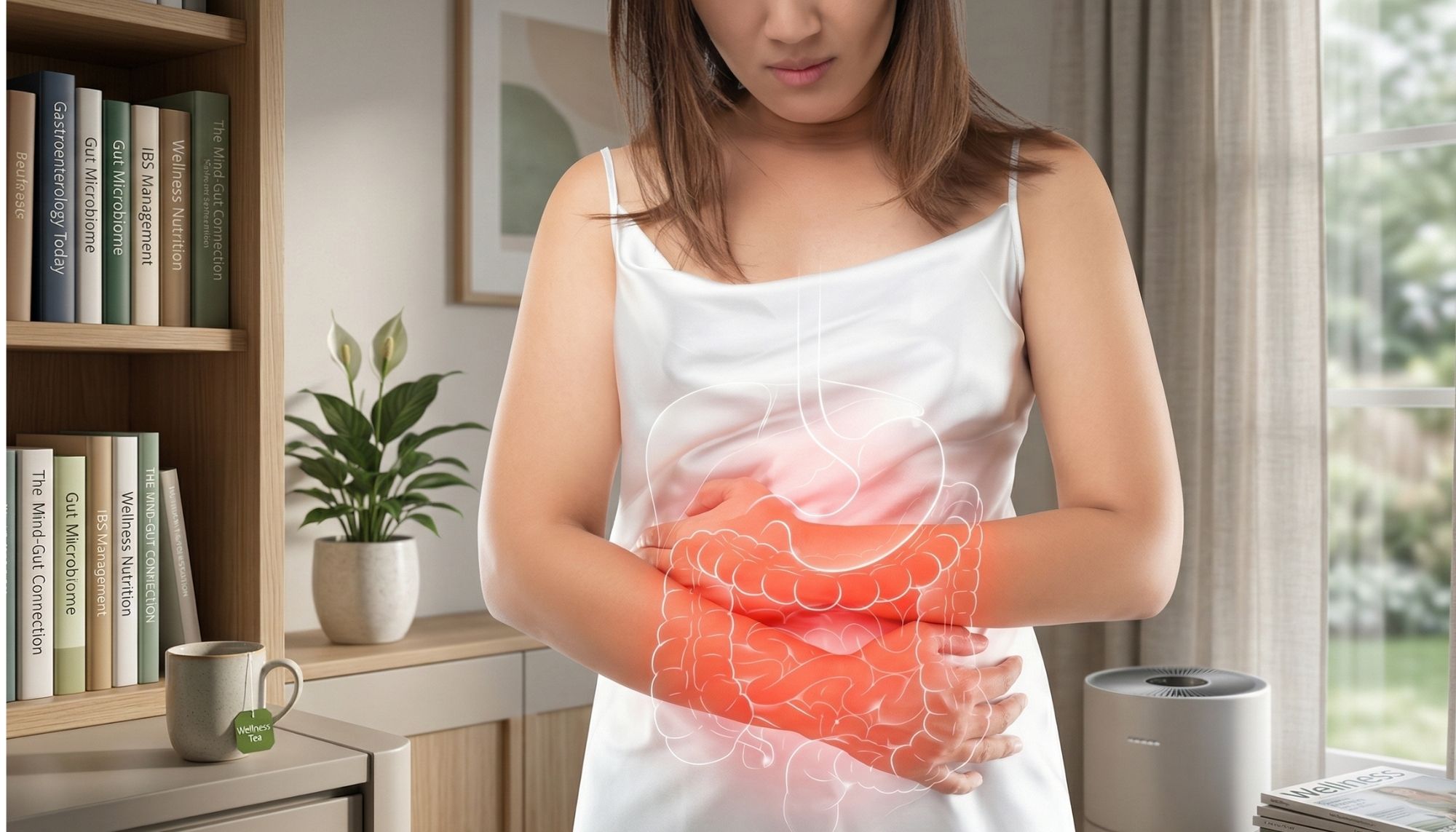
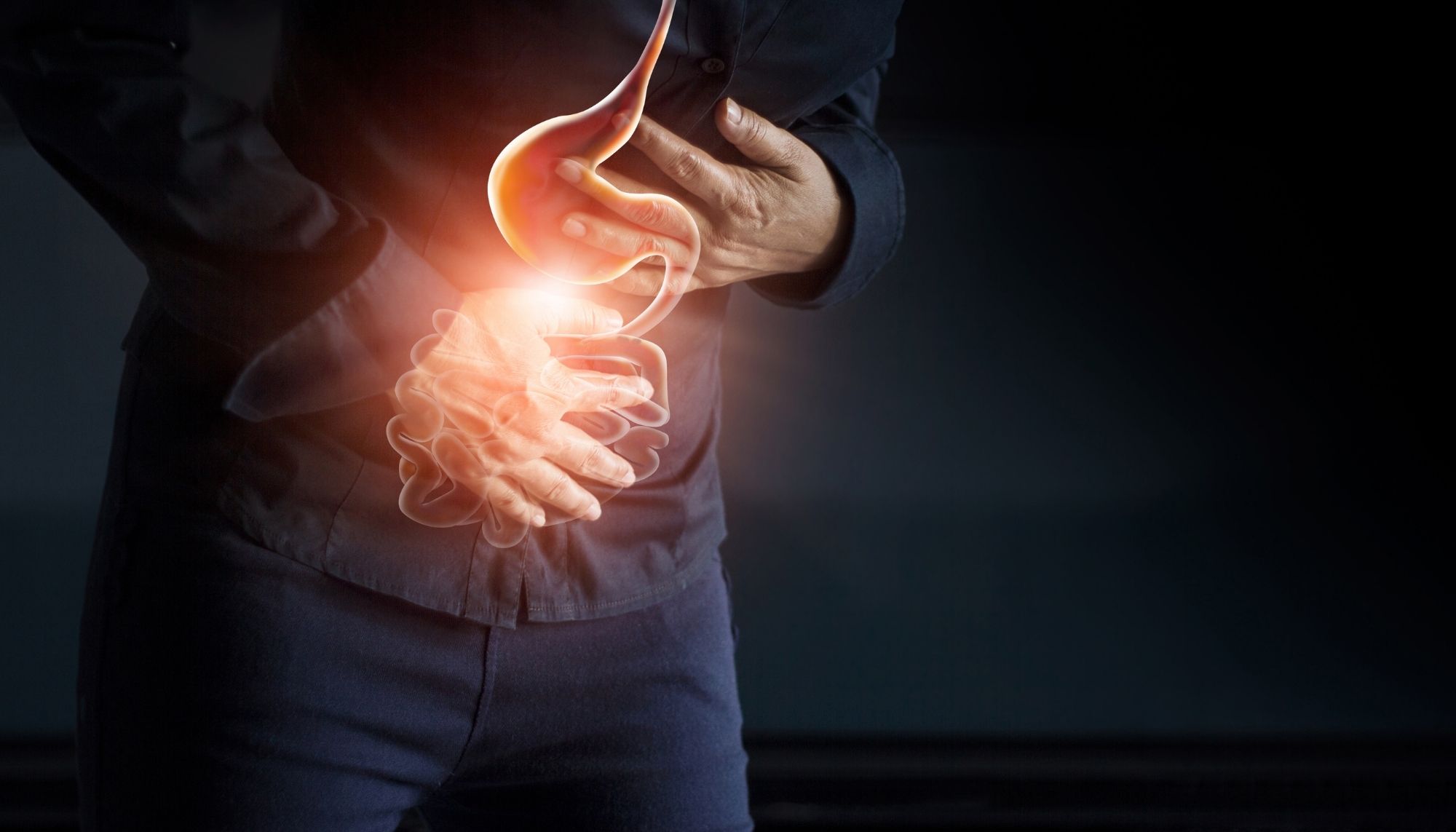
Abdominal pain is discomfort felt anywhere between the chest and groin. While acute pain is often due to gas or a temporary infection, chronic or recurring pain has many underlying causes. In many people, chronic abdominal pain is linked with Irritable Bowel Syndrome (IBS), severe trapped gas (flatulence), chronic constipation, acid reflux/ulcers, food intolerances, or severe emotional stress causing gut spasms. That is why repeated, unexplained stomach pain should never be ignored. A proper assessment helps identify whether the pain is functional (like gas/spasms) or structural (like an ulcer or gallstone) that requires specific medical attention.
Common Symptoms Accompanying Abdominal Pain
You may need Ayurvedic assessment if your abdominal pain is accompanied by:
- Severe, loud stomach rumbling and massive bloating
- Sharp, cramping spasms that improve after passing gas or stool
- A dull, constant ache in the upper or lower stomach
- Alternating episodes of severe constipation and diarrhea
- Nausea, loss of appetite, or an uncomfortably heavy stomach
- Pain that severely worsens during periods of high stress
Ayurvedic Understanding of Abdominal Pain
In Ayurveda, severe abdominal pain is known as 'Shula'. The primary cause of almost all types of Shula is a severe aggravation of Vata dosha. When a person has weak digestion (Agni) and eats improperly, food ferments and creates trapped air (Vata). Because the intestines are basically muscular tubes, this trapped gas stretches the tubes, or the cold Vata causes the muscles to violently cramp and spasm. This causes sharp, moving, or highly localized intense pain. At Sai Ayush, the treatment is focused on 'warming' the gut, 'moving' the Vata downwards, and relaxing the spasms safely with specific anti-colic herbs.
Who Should Avoid Immediate Ayurvedic Therapy?
Certain deep-tissue and intensive systemic therapies are strictly contraindicated and must be avoided by:
- Individuals with acute medical emergencies or active systemic infections requiring ICU care
- Patients presenting with highly contagious or acutely weeping dermatological infections (for localized contact therapies)
- Individuals with severe, unmanaged cardiovascular or respiratory distress
- Pregnant women (unless specific, highly gentle OP care is explicitly advised by the senior physician)
How is the Treatment Performed?
Every treatment plan is bespoke and typically follows this clinical framework:
- Comprehensive Diagnostic Evaluation: Deep assessment of your metabolic Doshas, chronicity of the illness, and systemic health.
- Preparatory Phase (Snehana & Swedana): Internal medications and targeted external therapies to mobilize deep-seated toxins (Ama).
- Primary Intervention: Highly targeted clinical therapies (like specialized Basti, Shirodhara, or Lepanam) to aggressively heal the affected systems.
- Post-Treatment Care: Strict dietary modifications (Pathya) and lifestyle management to prevent future relapses.
How Is Treatment Performed?
- Doctor-Led Diagnostic Assessment: The doctor carefully evaluates your pain, asking about the exact location, timing (before vs. after eating), type of pain (sharp, dull, cramping, burning), associated bloating or constipation, and current medications. This is critical to rule out emergencies and identify the dosha imbalance.
- Personalized Ayurvedic Medicines: In chronic functional pain, Ayurvedic antispasmodic and Vata-pacifying medicines (Shulaghna herbs) may be advised to gently relax intestinal spasms, break up trapped gas, and soothe inflammation. The choice of medicine depends heavily on the specific pain pattern.
- External Therapies (Lepana): For severe cramping and trapped Vata, the doctor may suggest external therapies like warm herbal pastes (Lepa) or gentle warm oil applications on the abdomen. These local therapies provide immense, safe comfort and relax the tightened abdominal muscles.
- Dietary Correction and Warming Foods: Many people worsen stomach pain by eating cold, heavy, or highly fermentable foods. Our doctors strictly guide you on a warm, easy-to-digest diet, incorporating specific spices (like cumin, ginger, and ajwain) that naturally relieve abdominal colic.
- Follow-Up and Safety Monitoring: Abdominal pain requires extreme caution. Regular follow-up is mandatory to ensure the pain is subsiding. If the pain changes character or worsens, our doctors will immediately advise you on necessary conventional diagnostic tests (like ultrasound).
Abdominal Pain and Stress
The gut is heavily lined with nerves. During severe anxiety, panic, or chronic stress, the nervous system sends signals that cause the intestinal muscles to physically clench and spasm tightly. This causes severe, unexplained abdominal pain even if all medical scans are completely normal. At Sai Ayush, we manage this by treating both the digestion and calming the overly sensitive nervous system.
When Should You See a Doctor for Abdominal Pain?
You should consult a doctor if:
- The pain is chronic, recurring, and disturbing your daily life
- Over-the-counter gas or pain pills provide zero relief
- The pain is constantly accompanied by severe bloating or altered bowel habits
- You are afraid to eat because it triggers cramps
- You feel extremely lethargic and have unexplained weight loss
What Results Can You Expect?
Functional abdominal pain (caused by gas, spasms, or IBS) is highly responsive to dietary correction and herbal care. The practical goals of Ayurvedic Shula care include:
- Significant reduction in sharp, cramping spasms
- Smooth, downward movement of trapped gas
- Better overall digestion and bowel regularity
- Reduction in anxiety-induced stomach clenching
- Clear understanding of which specific foods trigger your cramps
- A lighter, more comfortable abdomen
Why Choose Sai Ayush for Abdominal Pain Treatment in Hyderabad?
Sai Ayush Ayurveda Hospital provides highly cautious, doctor-guided Ayurvedic support for chronic stomach cramps and gas. Our approach is personalized, highly diagnostic, and focused on natural spasm relief. Patients choose Sai Ayush for:
- Experienced Ayurvedic doctors who meticulously rule out emergencies
- Safe, natural Ayurvedic antispasmodic medicines
- Strict, personalized 'Pathya' (dietary) guidance to prevent gas formation
- Supportive external therapies (like Lepa) for severe cramping
- Holistic management of IBS and stress-related gut pain
- Ethical and patient-friendly care
Book a Consultation
If chronic stomach cramps, severe trapped gas, or unpredictable abdominal pain are disturbing your comfort or sleep, consult our Ayurvedic doctor for a highly cautious, pain-relieving plan. Book your consultation at Sai Ayush Ayurveda Hospital, Hyderabad. Call: +91 81423 28080 / +91 84668 82266 Branches: KPHB and Madinaguda, Hyderabad Also Explore: • [Severe Bloating Care](/treatments/digestive/bloating) • [IBS Treatment](/treatments/digestive/ibs) • [Stomach Ulcer Support](/treatments/digestive/stomach-ulcer)
Duration of Treatment
The duration of treatment heavily depends on the chronicity and severity of the condition. Acute flare-ups may require 7 to 14 days of targeted OP therapies. Severe, chronic systemic conditions may require comprehensive 21 to 90-day care protocols, potentially involving In-Patient (IP) admission for intensive daily monitoring and strict dietary control.
Clinical Integration
Our ANP³ care model perfectly integrates classical Ayurveda with Naturopathy and Physiotherapy. We routinely manage patients who are on parallel allopathic medications for diabetes, hypertension, hormonal therapy, or immunosuppressants. We ensure complete safety by carefully reviewing your current prescriptions to explicitly prevent any adverse herb-drug interactions.
FAQ Section
- Can Ayurveda help with chronic unexplained stomach cramps?
If all medical scans are normal and the pain is functional (due to spasms, gas, or IBS), Ayurveda is highly effective. It focuses on pacifying Vata, breaking up trapped gas, and relaxing the gut muscles. Treatment must be personalized after doctor assessment. - Is taking painkillers safe for stomach pain?
Taking over-the-counter painkillers (like ibuprofen) for stomach pain is often dangerous because they can severely irritate the stomach lining and even cause bleeding ulcers. It is crucial to diagnose the pain rather than masking it. - Why does my stomach hurt more when I am stressed?
The gut and brain are intimately connected. Severe stress physically alters gut motility, causing the intestinal muscles to spasm tightly or slowing down digestion entirely. Ayurveda addresses this mind-gut connection for lasting relief. - Can trapped gas really cause sharp pain?
Absolutely. Trapped gas physically stretches the intestinal walls, which are highly sensitive to stretching. This can cause severe, sharp, doubling-over pain that often moves around the abdomen. - How long does it take for abdominal cramps to stop?
Mild gas pain can resolve in hours with warm water and specific spices. Chronic, daily cramping associated with severe IBS may require several weeks of consistent Ayurvedic support and strict dietary changes to stabilize the gut. Results vary. - When is abdominal pain an absolute emergency?
If the pain is sudden, excruciating, located in the lower right side (appendicitis), accompanied by a hard 'board-like' abdomen, severe vomiting, or high fever, it is a surgical emergency. Go to a hospital immediately. - Why does my stomach pain move around so much?
Pain that constantly shifts location is the hallmark of trapped gas (Vata dosha). As the gas bubble moves through the winding tube of the intestines, the sharp stretching pain moves with it. - Can a urinary tract infection (UTI) cause lower abdominal pain?
Yes. Severe inflammation in the bladder can cause deep, cramping pain in the lower abdomen or pelvic area, completely independent of the digestive system. - Is a hot water bag safe for all stomach cramps?
If the pain is due to Vata (gas/spasms) or Kapha (heaviness), a hot water bag provides massive relief. But if the pain is due to an active, bleeding ulcer (high Pitta), heat can dangerously increase inflammation. - Why do I get severe stomach cramps when I drink cold water?
The intestines are muscles. Pouring ice-cold water into the system instantly shocks the muscles, causing them to violently clench and spasm (a severe Vata reaction).
Medically Reviewed By: Dr. Pasalapudi Visalaanjani, B.A.M.S, MD (Kayachikitsa)
Registration No: 1146/A/2016
Disclaimer: The information provided is for educational purposes and should not replace professional medical advice. Outcomes may vary.