
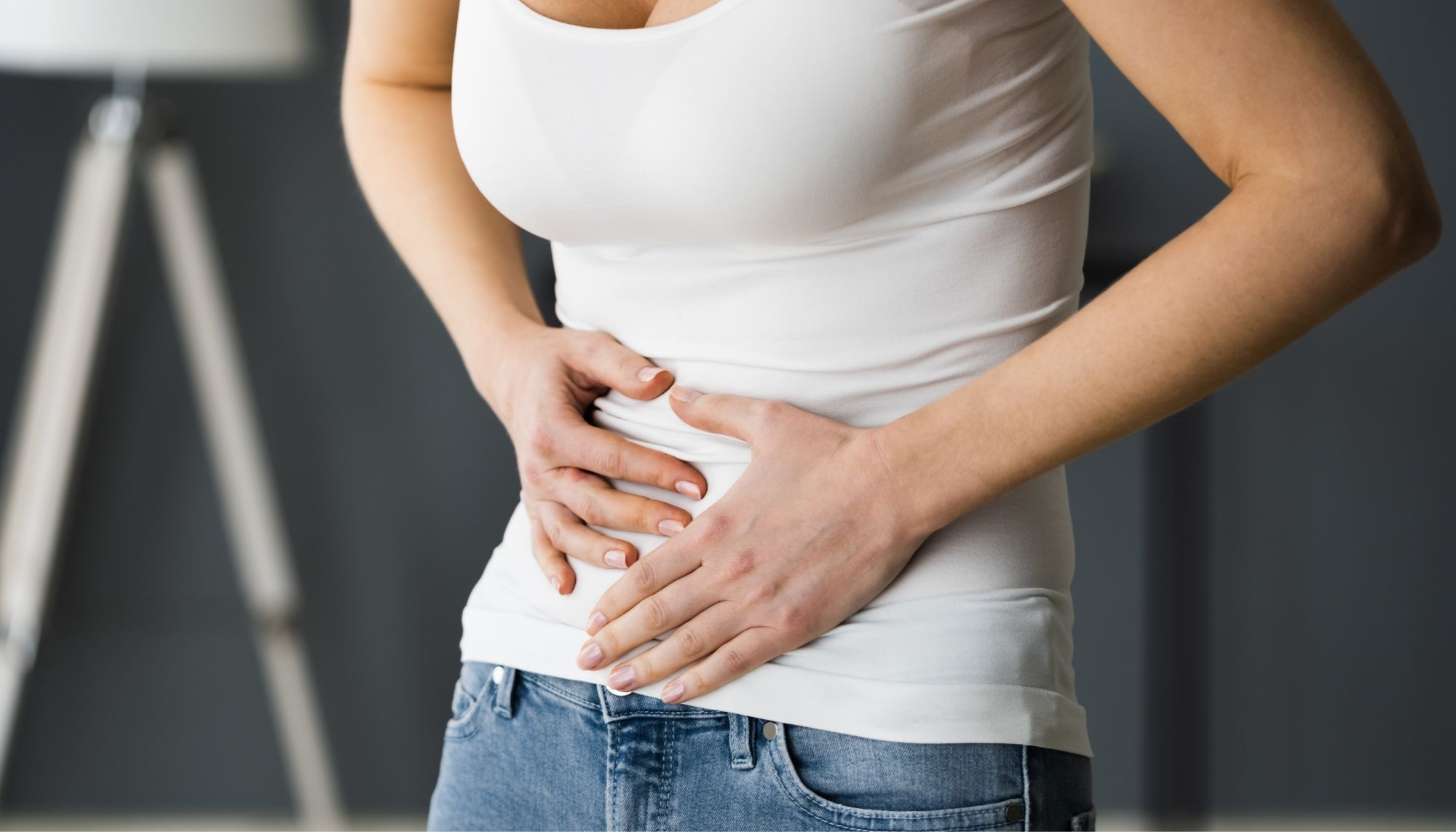
Ayurvedic Bowel Incontinence Treatment in Hyderabad
Ayurvedic Bowel Incontinence Treatment in Hyderabad
Control: Sphincter
Restoration: Nerve
Strength: Pelvic
Restored: Confidence
Sai Ayush Ayurveda Hospital provides authentic, physician-supervised Ayurvedic treatment for bowel incontinence in Hyderabad. This structured, clinical approach precisely targets root-cause gastrointestinal distress, gut microbiome imbalance, and severe digestive sluggishness using classical therapies like targeted Udar Basti and deeply healing Vamana/Virechana (detoxification). Designed specifically for patients seeking safe, non-surgical gastroenterological care, all interventions are conducted under strict doctor oversight, with each patient's care planned after a thorough clinical assessment. Bowel Incontinence (Fecal Leakage) is a highly distressing and often embarrassing condition where you lose the ability to control your bowel movements. For many people, it means unexpected leakage of gas or liquid stool, sudden uncontrollable urges that don't allow enough time to reach a washroom, and an immense psychological burden that prevents them from leaving the house. At Sai Ayush Ayurveda Hospital, Hyderabad, bowel incontinence care is planned through a highly compassionate, doctor-guided Ayurvedic approach. Instead of only relying on adult diapers or surgery, our doctors meticulously assess your nerve function (Vata), chronic constipation/diarrhea patterns, and pelvic floor strength before suggesting a personalized treatment plan. Our goal is to support the strengthening of the anal sphincter, improve nerve conduction, regulate stool consistency, and help you regain confidence and control over your daily life safely.
- Condition focus: Total inability to hold gas or stool, soiled underwear, prolapsed rectum, complete loss of anal sensation.
- Key therapies: Ashwagandha, Matra Basti, Kati Basti, local Pichu (oil packing).
Quick Reference Matrix
| PARAMETER | CLINICAL DIRECTION |
|---|---|
| Who it may suit | Seniors or post-surgical patients terrified to leave their home due to unpredictable bowel leaks. |
| Who should avoid | The incontinence is paired with total paralysis of the legs or massive sudden numbness of the saddle region (Cauda Equina Syndrome requires immediate spinal surgery). |
| Typical duration | Intense 28-day neurological rebuilding and muscular fortification. |
Clinical Care Framework
This specialized program follows our integrated ANP³ medical model for fast, sustainable healing.
- Treatment Model: ANP³ (Ayurveda, Naturopathy, Physiotherapy)
- Supervision: Senior Ayurvedic Clinical Team
- Target Conditions: Bowel Incontinence, Gastrointestinal Distress, Metabolic Imbalance
- Setting: Hospital Environment (KPHB OP/IP, Madinaguda OP)
- Duration: Typically 14 to 21 days
- Safety Protocol: Rigorous pre-treatment clinical evaluation required
Common Symptoms of Bowel Incontinence
Bowel incontinence is the inability to control bowel movements, causing stool to leak unexpectedly from the rectum. It can range from an occasional leakage of stool while passing gas to a complete loss of bowel control. In many people, it is linked with muscle damage (often during difficult childbirth or anal surgery), severe nerve damage (from chronic diabetes, spinal cord injury, or stroke), chronic severe constipation (which stretches and weakens the rectum), or chronic severe diarrhea. That is why unexpected leakage should never be ignored out of embarrassment. A proper medical assessment helps identify whether the issue is muscle weakness, nerve damage, or simply poorly formed stool.
Common Symptoms of Bowel Incontinence
You may need Ayurvedic assessment if you experience:
- Unexpected leakage of liquid or solid stool in your underwear
- Inability to control the passing of gas
- A sudden, overwhelming urge to pass stool but not enough time to reach a toilet
- Stool leaking out without you even feeling the urge to go (passive incontinence)
- Constant smearing or soiling of underwear
- Severe social anxiety and avoidance of public places due to fear of an accident
Ayurvedic Understanding of Bowel Incontinence
In Ayurveda, the control of the bowels is governed by 'Apana Vata', which is responsible for holding and correctly timing the downward release of waste. The physical structures (sphincter muscles) are related to 'Mamsa Dhatu' (muscle tissue) and 'Guda' (rectum). Bowel incontinence occurs when there is a massive disturbance of Apana Vata. Either the nerves lose their ability to send signals (passive leakage), or the muscles lose their strength (inability to hold). If chronic diarrhea or severe constipation is present, it physically overworks and ruins the natural holding capacity of the 'Grahani' and rectum. At Sai Ayush, the treatment focuses on 'grounding' the Apana Vata, strengthening the local pelvic muscles with specific oil therapies, and strictly correcting stool consistency.
Who Should Avoid Immediate Ayurvedic Therapy?
Certain deep-tissue and intensive systemic therapies are strictly contraindicated and must be avoided by:
- Individuals with acute medical emergencies or active systemic infections requiring ICU care
- Patients presenting with highly contagious or acutely weeping dermatological infections (for localized contact therapies)
- Individuals with severe, unmanaged cardiovascular or respiratory distress
- Pregnant women (unless specific, highly gentle OP care is explicitly advised by the senior physician)
How is the Treatment Performed?
Every treatment plan is bespoke and typically follows this clinical framework:
- Comprehensive Diagnostic Evaluation: Deep assessment of your metabolic Doshas, chronicity of the illness, and systemic health.
- Preparatory Phase (Snehana & Swedana): Internal medications and targeted external therapies to mobilize deep-seated toxins (Ama).
- Primary Intervention: Highly targeted clinical therapies (like specialized Basti, Shirodhara, or Lepanam) to aggressively heal the affected systems.
- Post-Treatment Care: Strict dietary modifications (Pathya) and lifestyle management to prevent future relapses.
How Is Treatment Performed?
- Doctor-Led Diagnostic Assessment: The doctor carefully evaluates your condition, asking about the exact type of leakage (solid vs. liquid), sudden urges, history of severe constipation, previous pelvic surgeries or childbirth trauma, and neurological conditions (like slipped disc or neuropathy). This helps identify the root cause.
- Personalized Ayurvedic Medicines: In functional incontinence, Ayurvedic nerve-strengthening and Vata-pacifying medicines (Balya and Vata-hara herbs) may be advised to improve the tone of the pelvic muscles and enhance nerve signaling to the anal sphincter. Self-medication is strictly prohibited.
- Stool Consistency Correction: You cannot control leakage if your stool is constantly watery or if severe constipation is stretching the rectum. Our doctors provide strict dietary guidance and specific herbs to ensure perfectly formed, soft-but-solid stools that are easier for weak muscles to hold.
- Specialized Panchakarma (Matra Basti): For weakness of the anal sphincter due to severe Vata aggravation or nerve damage, a highly specialized, small-dose oil enema called 'Matra Basti' may be carefully administered. This directly nourishes and strengthens the local nerves and muscles of the rectum.
- Follow-Up and Pelvic Floor Guidance: Strengthening weakened nerves and muscles takes significant time. Regular follow-up is mandatory. The doctor may also guide you on specific Ayurvedic lifestyle practices and gentle pelvic floor exercises (Ashwini Mudra) to slowly regain physical control.
The Importance of Stool Consistency
Even a slightly weak anal sphincter can often hold solid stool, but it will completely fail to hold watery diarrhea. Therefore, the very first step in treating incontinence at Sai Ayush is using diet and herbs to perfectly 'bind' the stool into a solid form, instantly reducing the severity of the leakage.
When Should You See a Doctor for Bowel Incontinence?
You should consult a doctor if:
- You are experiencing any form of unexpected stool leakage
- You constantly suffer from severe urgency that leads to accidents
- You rely entirely on adult diapers to leave the house
- The leakage is accompanied by chronic diarrhea or severe constipation
- You have a history of spinal issues or nerve damage
What Results Can You Expect?
Bowel incontinence requires immense patience. Ayurveda offers powerful supportive management, especially for functional or nerve-related weakness. The practical goals of Ayurvedic care include:
- Significant reduction in the frequency of unexpected leakage
- Better formation of solid stool that is easier to hold
- Improvement in the time you have to reach a washroom after an urge
- Gradual strengthening of pelvic and sphincter muscle tone
- Reduction in anxiety and return of social confidence
Why Choose Sai Ayush for Bowel Incontinence Treatment in Hyderabad?
Sai Ayush Ayurveda Hospital provides highly compassionate, doctor-guided Ayurvedic support for fecal leakage and pelvic weakness. Our approach is personalized, highly dignified, and focused on natural nerve and muscle strengthening. Patients choose Sai Ayush for:
- Experienced Ayurvedic doctors who provide a safe, embarrassment-free environment
- Safe, natural Ayurvedic nerve-strengthening medicines
- Strict, personalized 'Pathya' (dietary) guidance to ensure perfect stool consistency
- Specialized Panchakarma (Matra Basti) designed to nourish the rectal muscles safely
- Holistic management of associated chronic constipation or diarrhea
- Ethical and patient-friendly care
Book a Consultation
If unexpected stool leakage, sudden urgency, or a weak pelvic floor is disturbing your dignity and daily life, consult our Ayurvedic doctor for a compassionate, strengthening plan. Book your consultation at Sai Ayush Ayurveda Hospital, Hyderabad. Call: +91 81423 28080 / +91 84668 82266 Branches: KPHB and Madinaguda, Hyderabad Also Explore: • [Chronic Diarrhea Care](/treatments/digestive/diarrhoea) • [Chronic Constipation Support](/treatments/digestive/constipation) • [Ayurvedic Panchakarma](/treatments/panchakarma)
Duration of Treatment
The duration of treatment heavily depends on the chronicity and severity of the condition. Acute flare-ups may require 7 to 14 days of targeted OP therapies. Severe, chronic systemic conditions may require comprehensive 21 to 90-day care protocols, potentially involving In-Patient (IP) admission for intensive daily monitoring and strict dietary control.
Clinical Integration
Our ANP³ care model perfectly integrates classical Ayurveda with Naturopathy and Physiotherapy. We routinely manage patients who are on parallel allopathic medications for diabetes, hypertension, hormonal therapy, or immunosuppressants. We ensure complete safety by carefully reviewing your current prescriptions to explicitly prevent any adverse herb-drug interactions.
FAQ Section
- Can Ayurveda help with bowel incontinence?
Ayurveda is highly effective for incontinence caused by nerve weakness, chronic diarrhea, or functional Vata imbalances. It focuses on strengthening the pelvic floor (Apana Vata) and firming the stool. If the sphincter muscle is completely physically torn (e.g., from surgery), Ayurveda acts as supportive care, but surgical repair may be needed. - How does Matra Basti help incontinence?
Matra Basti is the daily administration of a very small amount of medicated, nourishing oil into the rectum. In Ayurveda, oil is the ultimate treatment for weak Vata. It physically lubricates, nourishes, and strengthens the local nerves and muscles of the anal sphincter. - Can severe constipation cause leakage?
Yes. This is called 'overflow incontinence'. A massive, hard stool blocks the rectum, stretching and weakening the muscles. Liquid stool from higher up then leaks around the blockage. Ayurveda treats this by gently clearing the blockage and restoring colon tone. - What is Ashwini Mudra?
Ashwini Mudra is a classical Ayurvedic/Yogic practice involving the rhythmic contraction and relaxation of the anal sphincter (similar to Kegel exercises). When done correctly under guidance, it heavily strengthens the pelvic floor and improves holding capacity. - How long does it take to regain control?
Rebuilding weak nerves and muscles takes significant time. While stool consistency can be improved in weeks, regaining muscle tone may require months of consistent Ayurvedic support and pelvic exercises. Results vary. - When is incontinence an absolute emergency?
If incontinence occurs suddenly along with severe lower back pain, numbness in your saddle area (groin/buttocks), or weakness in your legs, it indicates severe spinal cord compression. This is a medical emergency; go to a hospital immediately. - Can chronic coughing cause stool leakage?
Yes. Severe, chronic coughing (like in asthma or smoker's cough) constantly places massive, violent downward pressure on the pelvic floor. Over time, this permanently weakens the anal sphincter muscles. - Is bowel incontinence a normal part of aging?
No. While muscles naturally lose some tone, completely losing control is not normal. It indicates a treatable issue with nerve signaling or severe stool inconsistency that requires medical intervention. - Why do I leak stool without even feeling the urge to go?
This is 'passive incontinence', heavily related to nerve damage. The sensory nerves in the rectum are destroyed (due to diabetes or spine issues), so the brain never receives the signal that stool has arrived. - Does drinking coffee make incontinence worse?
Absolutely. Caffeine is a powerful bowel stimulant. It forces the colon to rapidly contract and pushes stool down forcefully before the weak sphincter muscles have time to prepare and hold it.
Medically Reviewed By: Dr. Pasalapudi Visalaanjani, B.A.M.S, MD (Kayachikitsa)
Registration No: 1146/A/2016
Disclaimer: The information provided is for educational purposes and should not replace professional medical advice. Outcomes may vary.