
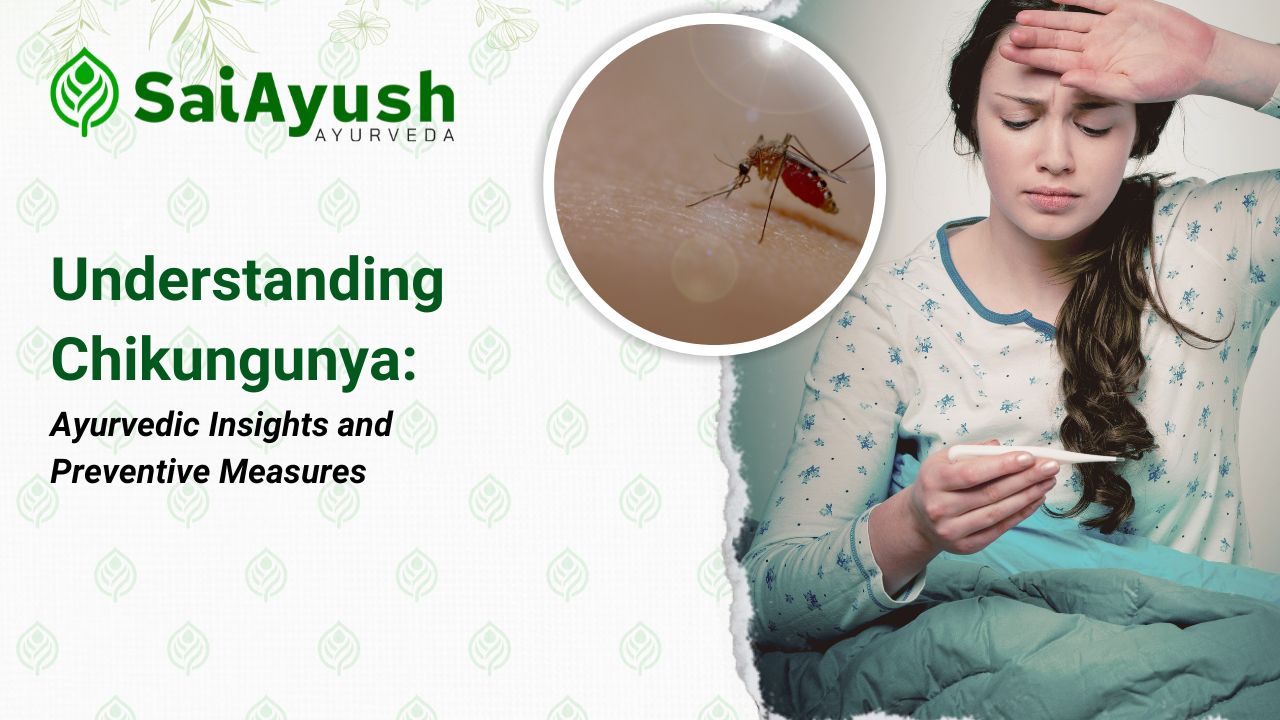
Chikungunya is a mosquito-borne viral disease that has become a significant health concern in many tropical and subtropical regions. In this blog post, I will explore what Chikungunya is, its signs and symptoms, Ayurvedic perspectives, treatments, and preventive measures. Additionally, I’ll discuss the role of Ayurvedic body massage according to seasons and body Prakriti (constitution), highlighting its benefits and steps for effective practice.
Chikungunya is a viral infection transmitted to humans by infected mosquitoes, primarily Aedes aegypti and Aedes albopictus. The word “Chikungunya” originates from the Kimakonde language, meaning “to become contorted,” referring to the stooped appearance of sufferers with joint pain.
The symptoms of Chikungunya typically appear 4-8 days after a mosquito bite. They include:
Ayurveda, the ancient Indian system of medicine, offers a holistic approach to understanding and managing Chikungunya. It views diseases as an imbalance of the body’s three doshas: Vata, Pitta, and Kapha. In Ayurveda, Chikungunya is considered a type of Jwara (fever) and Vata-Rakta (a condition involving blood and Vata dosha). The primary focus is on balancing the aggravated doshas and detoxifying the body.
Ayurvedic treatments for Chikungunya focus on alleviating symptoms, strengthening the immune system, and restoring balance to the doshas. Key treatments include:
Panchakarma is a detoxification therapy that helps in eliminating toxins from the body. It includes procedures like:
Body massage, or Abhyanga, is an integral part of Ayurvedic therapy. It offers numerous benefits, including improved circulation, detoxification, and relaxation. The type of oil and massage technique can vary according to the season and body Prakriti.
Chikungunya is a debilitating disease that requires comprehensive management to alleviate its symptoms and prevent recurrence. Ayurveda offers a holistic approach through herbal remedies, Panchakarma therapy, and lifestyle modifications. Incorporating Ayurvedic practices like body massage can significantly improve overall health and well-being. Remember, prevention is always better than cure, so take proactive steps to protect yourself from mosquito bites and maintain a balanced lifestyle.
Q: What is Chikungunya?
Chikungunya is a viral disease transmitted by mosquitoes, characterized by sudden fever, severe joint pain, and other symptoms like rash and headache.
Q: What are the signs and symptoms of Chikungunya?
The main symptoms include high fever, severe joint pain, headache, muscle pain, rash, fatigue, and sometimes nausea.
Q: How does Ayurveda view Chikungunya?
Ayurveda sees Chikungunya as an imbalance of the Vata and Rakta (blood) doshas, focusing on detoxification and dosha balance for treatment.
Q: What are the Ayurvedic treatments for Chikungunya?
Treatments include herbal remedies like Giloy and Ashwagandha, Panchakarma therapy, and dietary adjustments to balance the doshas and boost immunity.
Q: How can I prevent Chikungunya?
Preventive measures include avoiding mosquito bites, eliminating breeding sites, consuming immunity-boosting herbs, and following a balanced daily regimen (Dinacharya).
Q: What are the benefits of Ayurvedic body massage?
Ayurvedic body massage improves blood circulation, detoxifies the body, relieves stress, and alleviates pain and stiffness, tailored to individual body Prakriti and seasons.
Discover the healing power of Ayurveda with our latest article at Sai Ayush Ayurveda Hospitals! Discover the age-old wisdom that can rejuvenate your body and mind. Click here to read more: