
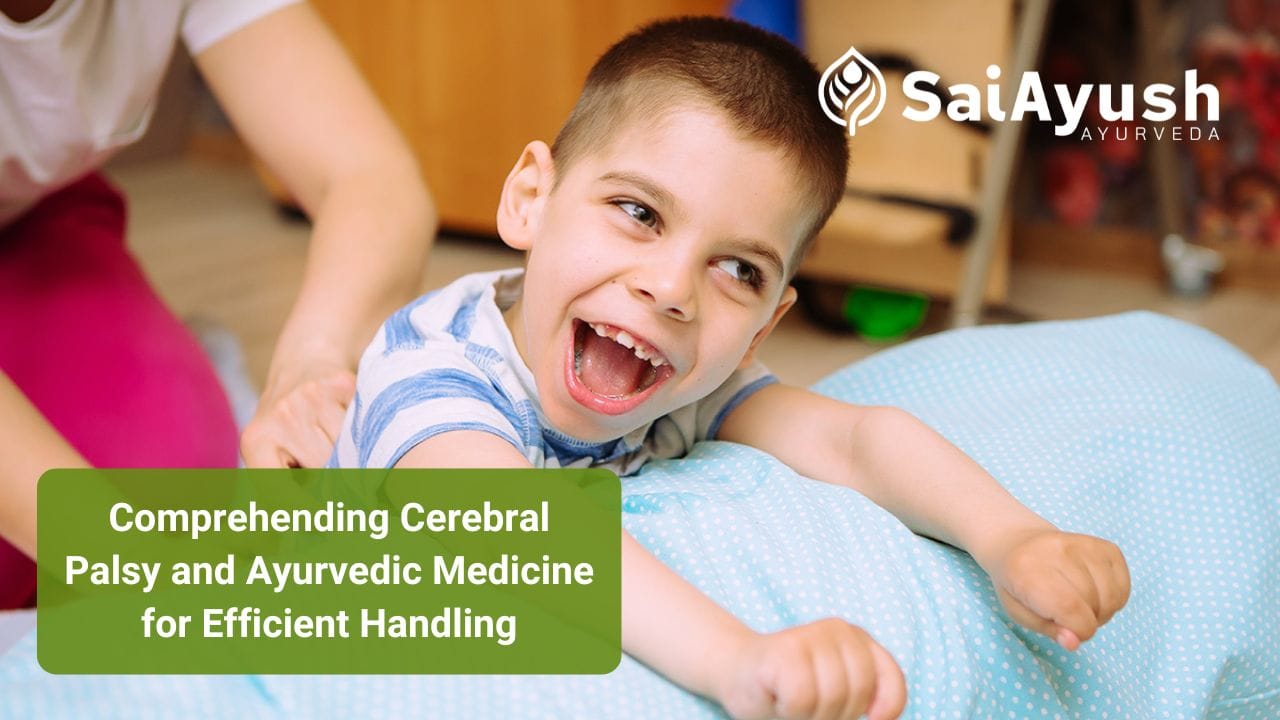
Cerebral palsy is a neurological disorder that affects movement, muscle tone, and motor skills. It typically manifests in early childhood, impacting a person’s ability to move and maintain balance and posture. While modern medicine offers various therapeutic interventions for managing cerebral palsy, Ayurveda, the ancient Indian system of medicine, also provides valuable insights and holistic approaches to alleviate its symptoms and improve quality of life.
Cerebral palsy (CP) is a group of permanent movement disorders that appear in early childhood. It stems from abnormal development or damage to the parts of the brain that control movement, balance, and posture. CP can show up as dyskinesia (involuntary movements), ataxia (poor coordination), or spasticity (stiff muscles).
The exact cause of cerebral palsy isn’t always clear, but several factors may contribute to its development. These include prenatal factors such as maternal infections, fetal stroke, or brain malformations, perinatal factors like birth complications or oxygen deprivation, and postnatal factors such as brain injuries or infections during infancy. While not all cases of cerebral palsy can be prevented, there are measures that pregnant women can take to reduce the risk, such as attending prenatal care appointments, avoiding harmful substances like alcohol and tobacco, and maintaining a healthy lifestyle.
In Ayurveda, cerebral palsy is classified under the umbrella term “Vata Vyadhi,” which signifies disorders primarily caused by an imbalance in the Vata dosha, one of the three fundamental energies governing the body. According to Ayurvedic principles, Vata imbalance disrupts the normal functioning of the nervous system, leading to neurological disorders like cerebral palsy.
Ayurvedic treatment for cerebral palsy focuses on restoring balance to the Vata dosha, strengthening the nervous system, and improving overall physical and mental health. Here are some internal and external therapies commonly used in Ayurveda for managing cerebral palsy:
Conclusion: While cerebral palsy presents significant challenges, Ayurveda offers a holistic approach to its management by addressing the root cause of the disorder and promoting overall well-being. By combining internal therapies, external treatments, and lifestyle modifications, individuals with cerebral palsy can experience improvements in mobility, muscle tone, and quality of life. However, it’s essential to consult with a qualified Ayurvedic practitioner for personalized treatment recommendations tailored to individual needs. With dedicated care and the integration of Ayurvedic principles, individuals with cerebral palsy can begin a journey towards enhanced health and vitality.
Discover the healing power of Ayurveda with our latest article at Sai Ayush Ayurveda Hospitals! Discover the age-old wisdom that can rejuvenate your body and mind. Click here to read more: