
An Ayurvedic diet is less a fixed menu and more a set of principles about what, when and how to eat. Ayurveda links good health closely to good digestion (agni), so its food advice focuses on eating in a way your body can digest well. This guide explains the core principles of Ayurvedic eating and how to use them in an everyday Indian kitchen.
The core principles
- Eat when you are hungry, and after the previous meal has been digested.
- Make lunch the main meal, when Ayurveda considers digestion strongest, and keep dinner lighter and early.
- Prefer fresh, warm, cooked food over stale, very cold or heavily processed food.
- Eat in the right quantity: the texts suggest filling about half the stomach with food, a quarter with liquid, and leaving a quarter empty.
- Eat calmly, sitting down, without screens, and chew well.
- Include all six tastes over the day: sweet, sour, salty, pungent, bitter and astringent.
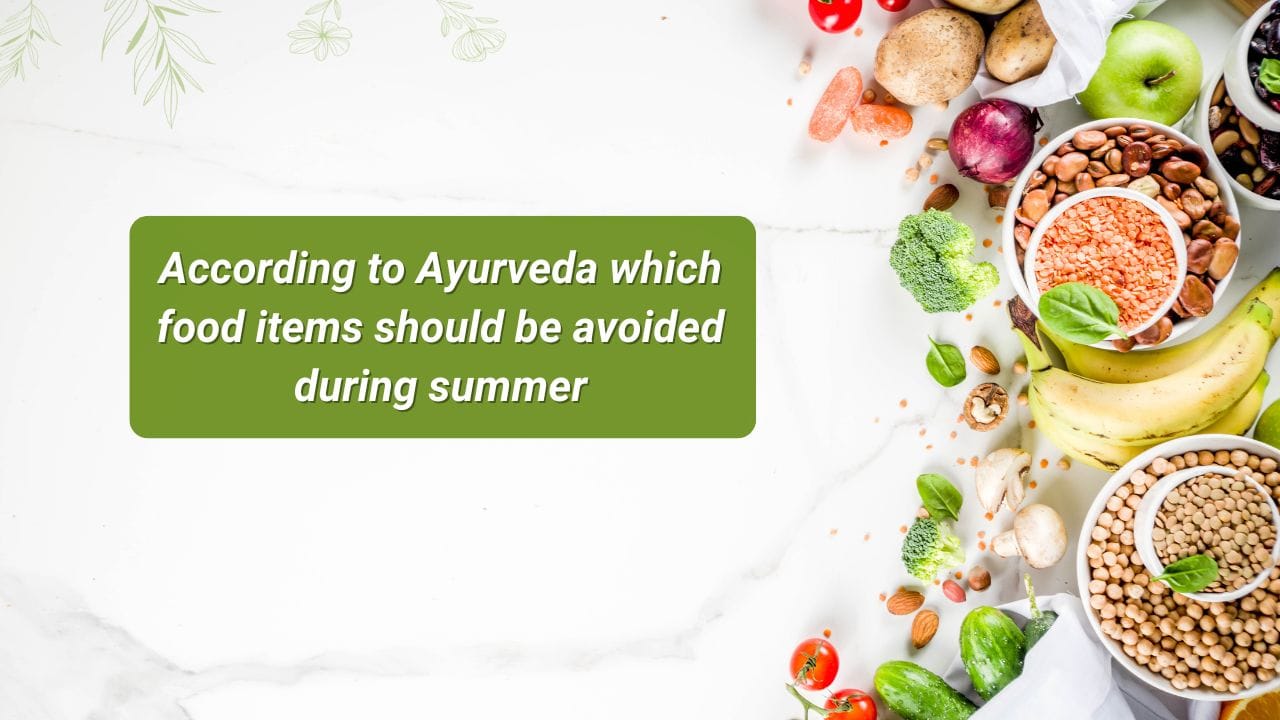
- Follow the season: lighter, cooling food in summer, warmer and more nourishing food in winter.
The six tastes (shad rasa)
| Taste | Everyday examples |
|---|---|
| Sweet | Rice, wheat, milk, ghee, ripe fruit |
| Sour | Curd, lemon, tamarind, buttermilk |
| Salty | Rock salt, sea salt |
| Pungent | Ginger, pepper, chilli, garlic |
| Bitter | Bitter gourd, fenugreek, leafy greens |
| Astringent | Lentils, pomegranate, green banana |
A typical South Indian thali, with rice, dal, a vegetable, a little pickle, buttermilk and greens, already covers most of the six tastes.
Eating for your constitution
Ayurveda describes each person's constitution in terms of the three doshas (Vata, Pitta and Kapha), and adjusts food accordingly. Broadly:
- Vata is often advised warm, moist, grounding meals at regular times.
- Pitta is often advised cooling, less spicy and less oily food.
- Kapha is often advised lighter, warm, less sweet and less heavy food, with more activity.
These are general patterns. A personal diet plan is made after a consultation, taking your health conditions and medicines into account.
Food combinations to avoid
Ayurveda also describes viruddha ahara, food combinations considered hard to digest together, such as milk with sour fruit or fish with milk. Read more in our article on incompatible foods (viruddha ahara).
Ayurvedic diet and weight
The principles above are general. If your goal is weight management, see our separate 7-day Ayurvedic diet plan for weight management.
Who should take advice first?
Talk to your doctor before changing your diet if you have diabetes, kidney disease, heart disease, a food allergy, an eating disorder, are pregnant or breastfeeding, or take regular medicines. Do not stop prescribed medicines in favour of diet changes.
Frequently asked questions
What is an Ayurvedic diet?
A way of eating built on digestion: fresh, warm, cooked food, regular meal times, the right quantity, all six tastes, and food adjusted to the season and your constitution.
Is an Ayurvedic diet vegetarian?
Many Ayurvedic recommendations are vegetarian, but the classical texts also describe meat soups for some people. Your doctor advises what suits you.
Why is lunch the main meal in Ayurveda?
Ayurveda considers digestion strongest around midday, so a fuller lunch and a lighter, early dinner are advised.
Is cold water bad in Ayurveda?
Ayurveda generally prefers warm or room-temperature water, especially with meals, as it is considered easier on digestion.
Do I need to know my dosha to eat the Ayurvedic way?
No. The core principles suit most people. Knowing your constitution helps fine-tune them, ideally with a doctor.
Key takeaway
An Ayurvedic diet is about how you eat as much as what you eat: fresh, warm meals at regular times, a main meal at midday, the six tastes, and food suited to the season and to you. Check with your doctor if you have a health condition. You can consult the Sai Ayush Ayurveda doctors in Hyderabad.
Medical disclaimer: This article is for general education and does not diagnose or treat any condition. Consult a qualified healthcare professional before making major changes to your diet.

Medically Reviewed By
Dr. Pasalapudi Visalaanjani, B.A.M.S, MD (Kayachikitsa), Reg No: 1146/A/2016
Updated on November 17, 2026
This article is for educational purposes only and does not constitute medical advice. Please consult a qualified healthcare professional before beginning any treatment. If you are experiencing a medical emergency, contact your nearest hospital immediately.