


Ayurvedic Urinary Incontinence Treatment in Hyderabad
Overview: Urinary Incontinence Treatment
- ✓Doctor-Guided Diagnosis & Prakriti Assessment
- ✓Multi-Disciplinary ANP³ Integrated Care Plan
- ✓Plan Based on Your Assessment and Dosha Balance
- ✓Supervised Panchakarma & Post-Therapy Care
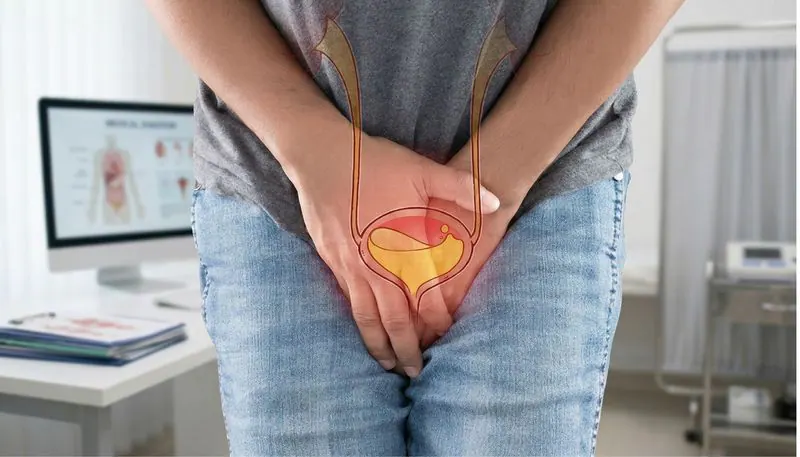
Leaking urine when coughing, a sudden strong urge to pass urine or weak bladder control after childbirth or with age are common and can be helped with the right guidance. Ayurvedic urinary incontinence treatment in Hyderabad at Sai Ayush starts with a doctor's assessment and may include Matra Basti, Kati Basti, Ashwagandha and Shilajit.
Urinary incontinence is leaking urine when you cough or laugh, or a sudden strong urge to pass urine. It is common after childbirth, with age and with weak pelvic floor muscles.
Your doctor assesses the type of leakage and reviews any urine test or scan. Ayurvedic therapies may be combined with pelvic floor exercises and bladder habits advice. Results vary with the cause.
Burning, fever, blood in the urine, or new leakage with back pain or leg weakness needs prompt medical care.

Medically Reviewed By: Dr. Pasalapudi Visalaanjani, B.A.M.S, MD (Kayachikitsa)
Registration No: 1146/A/2016 · Last updated 5 November 2026
Disclaimer: The information provided is for educational purposes and should not replace professional medical advice. Outcomes may vary.
Quick Reference Matrix
| Parameter | Clinical Direction |
|---|---|
| Who it may suit | Post-partum mothers with weak pelvic floors, or older adults suffering from severely overactive, spasming bladders causing social embarrassment. |
| Who should avoid | The incontinence is accompanied by total loss of bowel control and leg paralysis (Cauda Equina Syndrome, requiring emergency spinal surgery). |
| Typical duration | Decided by your doctor after the first assessment. Results vary. |
Clinical Care Framework
Our Urinary Incontinence care follows the integrated ANP³ model (Ayurveda, Naturopathy and Physiotherapy), aiming for steady, sustainable progress.
- Treatment Model: ANP³ (Ayurveda, Naturopathy, Physiotherapy)
- Supervision: Ayurvedic doctors
- Setting: Hospital Environment (KPHB OP/IP, Madinaguda OP)
- Safety Protocol: Rigorous pre-treatment clinical evaluation required
The Ayurvedic View of Urinary Incontinence
In Ayurveda, the holding and releasing of urine, stool, and reproductive fluids is entirely governed by 'Apana Vata'—the downward-moving vital energy located in the lower pelvis.
When you suffer from extreme, chronic stress, physical exhaustion (like multiple difficult childbirths), or severe chronic constipation, this Apana Vata becomes aggravated. It loses its natural rhythm. It either becomes hyperactive, causing the bladder to spasm and release urine without your permission (Urge Incontinence), or it exhausts the physical muscles (Mamsa Dhatu) of the pelvic floor, causing them to sag and fail to hold the urine against pressure (Stress Incontinence).
Ayurvedic treatment focuses on using heavy, warm, oily therapies to calm the panicked Apana Vata, while simultaneously administering potent physical tonics to rebuild the strength of the broken sphincter muscles.
Signs You Have Lost Pelvic Control
You desperately need Ayurvedic pelvic strengthening if you experience:
- embarrassing leakage of urine every time you cough, sneeze, laugh, or jump
- A sudden, distressing, urge to urinate that you cannot hold for even 1 minute
- Waking up 5 to 6 times every single night because your bladder spasms (Nocturia)
- Constant, slow, uncontrollable dribbling of urine throughout the entire day
- A feeling of heavy pressure or 'sagging' deep in your lower pelvis
Note: If your incontinence is sudden and accompanied by severe, sharp back pain, total numbness in your groin/saddle area, or inability to move your legs, seek IMMEDIATE EMERGENCY neurological care. This indicates a severe spinal cord compression (Cauda Equina).
The Danger of Ignoring Chronic Constipation
Many people suffer from chronic incontinence and assume their bladder is failing, unaware that their bladder is actually fine. The lower colon sits directly behind the bladder. If the colon is packed with hard, rock-like stool, it physically pushes forward and crushes the bladder, leaving no room for urine and forcing it to leak.
Who Should Avoid Immediate Ayurvedic Therapy?
For Urinary Incontinence, some Ayurvedic therapies are not suitable as a first step and are deferred until the treating physician has ruled out the following:
- The incontinence is accompanied by total loss of bowel control and leg paralysis (Cauda Equina Syndrome, requiring emergency spinal surgery).
- Pregnancy, unless the treating physician has specifically cleared gentle outpatient care
- Any acute, unstable medical emergency needing immediate hospital care
How Is Treatment Performed?
Doctor-Led Pelvic (Apana Vata) Assessment
The doctor carefully evaluates the specific type of leakage. Is it caused by sudden, severe, uncontrollable bladder spasms (Pure Vata/Overactive Bladder), or a purely mechanical failure where weak muscles leak urine when you sneeze or lift heavy objects (Mamsa Kshaya)?
Calming the Bladder Spasms (Vata Pacification)
For an overactive bladder, the nerves are misfiring constantly.
Strengthening the Sphincter (Mamsa Dhatu Rasayana)
The doctor utilizes heavy, sweet, tissue-rebuilding tonics (like Shilajit and Gokshura) to nourish, tighten, and physically rebuild the weak pelvic floor and bladder sphincter muscles.
Relieving Pelvic Pressure (Constipation Management)
In Ayurveda, severe, chronic constipation (hard stool trapped in the colon) physically crushes the bladder, forcing it to leak.
Deep Pelvic Lubrication (Basti / Enema Therapy)
For severe Vata nerve damage in the pelvis, the doctor may prescribe 'Matra Basti' (the administration of potent, warm medicated oils via the rectum).
Targeted Pelvic Floor Exercises & Diet
The doctor mandates specific physical exercises (like Ashwini Mudra) to mechanically tighten the sphincter. Consuming large amounts of caffeine, alcohol, or artificial sweeteners is strictly forbidden, as they irritate the bladder nerves.
When Should You Consult for Incontinence?
You should consult our doctors if:
- You are relying on adult diapers or pads just to leave the house
- Your overactive bladder is affecting your sleep because you wake up constantly
- You developed severe stress incontinence after childbirth or menopause
- You have taken chemical bladder pills but they caused unbearable dry mouth
- You want to fundamentally rebuild the physical strength of your pelvic floor naturally
What Results Can You Expect?
The practical goals include:
- A meaningful reduction in the sudden, uncontrollable urges to urinate
- Significant, physical tightening of the sphincter, stopping leakage during coughing or sneezing
- Relief, over time, from the heavy physical pressure in the lower pelvis
- A reduction in nighttime urination, allowing for deep, uninterrupted sleep
- Effortless clearing of chronic constipation, taking the significant pressure off the bladder
Note: Results require discipline. While overactive nerve spasms can be calmed quickly, physically rebuilding a exhausted, torn pelvic floor muscle (especially after childbirth) requires 2 to 4 months of strict adherence to the tonics and physical exercises.
About Sai Ayush Ayurveda Hospital
Sai Ayush is an NABH AYUSH Entry Level certified, multi-specialty Ayurvedic hospital in Hyderabad, delivering integrated care through its ANP³ model — Ayurveda, Naturopathy and Physiotherapy — across its KPHB and Madinaguda branches.
Visit Us in Hyderabad
Consultations for Urinary Incontinence are available at both Sai Ayush branches in Hyderabad, convenient for KPHB, Kukatpally, Madinaguda, Miyapur, Hafeezpet, Chandanagar and nearby areas.
- KPHB (Main Branch, OP & IP) — Plot No 59, JNTU–Hitech City Road, KPHB 7th Phase Rd, Hyderabad, Telangana 500085 · +91 81423 28080
- Madinaguda Branch (OP) — 4th Floor, Kosal, Sai Plaza, above FMS Dental, Ramakrishna Nagar, Hafeezpet, Hyderabad 500049 · +91 84668 82266
- Open: Every day, 7:00 AM – 10:00 PM
Duration of Treatment
The number of days and sessions is decided by your doctor after the first assessment and reviewed at each follow-up. Results vary from person to person.
Clinical Integration
Many patients seeking Urinary Incontinence care are also on medication for hypertension, diabetes, or existing kidney or liver conditions, and may be under the care of a nephrologist or hepatologist. We review current prescriptions and recent lab reports carefully before starting any internal Ayurvedic medicines, given how directly these organs process both herbs and medication.