
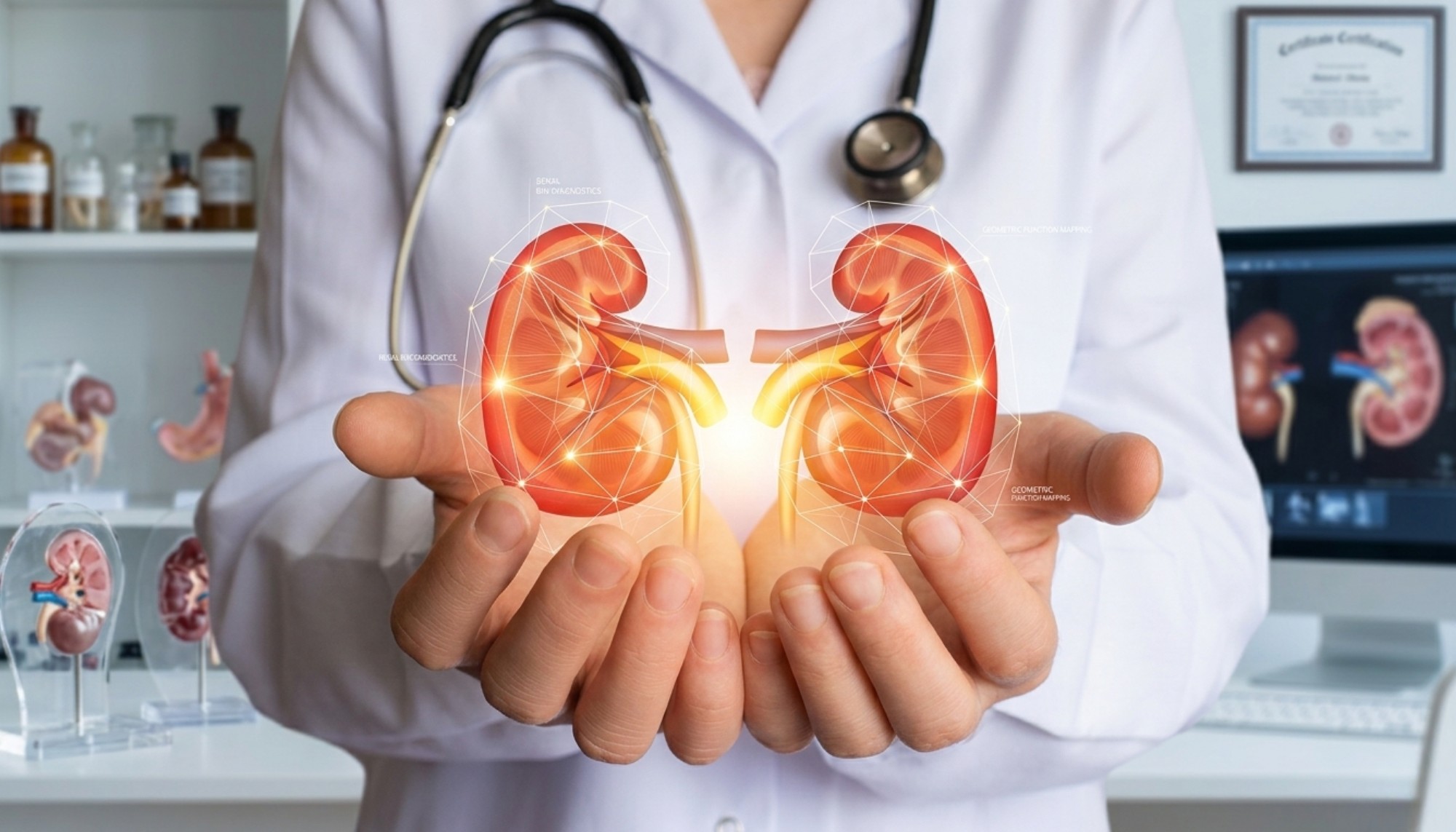
Ayurvedic Chronic Kidney Disease Treatment in Hyderabad
Ayurvedic Chronic Kidney Disease Treatment in Hyderabad
Control: Creatinine
Protection: Nephron
Delay: Dialysis
Purge: Toxin
Sai Ayush Ayurveda Hospital provides authentic, physician-supervised Ayurvedic treatment for chronic kidney disease in Hyderabad. This structured, clinical approach precisely targets renal and hepatic dysfunction, metabolic toxin overload, and organ sluggishness using classical therapies like targeted localized Basti and deeply healing Virechana (detoxification). Designed specifically for patients seeking safe, non-surgical organ detoxification, all interventions are conducted under strict doctor oversight, with each patient's care planned after a thorough clinical assessment. Chronic Kidney Disease (CKD) is a terrifying, progressive condition where the kidneys physically shrink and lose their ability to filter toxic waste from the blood. As the microscopic filters (nephrons) die, deadly toxins like creatinine and urea build up massively in the body. In Ayurveda, this is 'Vrukka Roga', a profound destruction of the 'Mutravaha Srotas'. Decades of uncontrolled diabetes, high blood pressure, or heavy medication use completely burn out the 'Ojas' (vital essence) of the kidneys, replacing healthy tissue with hard, useless scar tissue. At Sai Ayush Ayurveda Hospital, Hyderabad, CKD is managed through a highly critical, deeply supportive Ayurvedic approach. We do not just wait for your kidneys to fail entirely. Our doctors meticulously assess the exact stage of your nephron decay and prescribe powerful, life-giving 'Rasayana' (rejuvenating) therapies designed to fiercely protect whatever healthy kidney tissue remains. Our goal is to safely and forcefully lower toxic creatinine and urea levels using deep blood-purifying herbs, drastically reduce heavy water retention (edema) using gentle, kidney-safe diuretics, fundamentally control the high blood pressure crushing the kidneys, and radically nourish the exhausted organ to significantly delay or prevent the need for dialysis.
- Condition focus: Elevated creatinine, high blood urea nitrogen (BUN), diabetic nephropathy, severe leg swelling (edema), chronic renal failure (Stages 1-4).
- Key therapies: Virechana, Bashpa Swedana, Punarnavadi Kashayam, Gokshura.
Quick Reference Matrix
| PARAMETER | CLINICAL DIRECTION |
|---|---|
| Who it may suit | Patients in CKD stages 1-4 urgently seeking to halt the rapid progression of kidney cell death and stabilize creeping creatinine numbers. |
| Who should avoid | The patient is in End-Stage Renal Failure (Stage 5) requiring absolute, immediate mechanical Dialysis to survive. |
| Typical duration | Intense lifelong management combining inpatient detox and continuous herbal protection. |
Clinical Care Framework
This specialized program follows our integrated ANP³ medical model for fast, sustainable healing.
- Treatment Model: ANP³ (Ayurveda, Naturopathy, Physiotherapy)
- Supervision: Senior Ayurvedic Clinical Team
- Target Conditions: Chronic Kidney Disease, Metabolic Organ Dysfunction, Toxin Overload
- Setting: Hospital Environment (KPHB OP/IP, Madinaguda OP)
- Duration: Typically 14 to 21 days
- Safety Protocol: Rigorous pre-treatment clinical evaluation required
The Ayurvedic View of Chronic Kidney Disease (Vrukka Roga)
In Ayurveda, the kidneys are formed from the 'Rakta' (blood) and 'Meda' (fat) tissues and are governed by 'Apana Vata' (the downward moving energy). When you suffer from decades of unmanaged Diabetes (Prameha) or High Blood Pressure, the massive amounts of heavy sugar (Kapha) or high-pressure heat (Pitta) literally 'cook' and destroy the delicate microscopic filters inside the kidneys. The body attempts to heal this massive damage by forming scar tissue. Over time, the kidney physically shrinks, hardens, and completely loses its 'Ojas' (vital life force). Ayurvedic treatment is palliative and highly supportive. We cannot regrow a dead nephron. However, we focus entirely on fiercely protecting the remaining 30% of healthy nephrons, forcing the blood to clean itself through other channels (like the skin and bowels), and heavily nourishing the organ to prevent complete failure.
Signs Your Kidneys Are Failing
You desperately need Ayurvedic renal support if you experience:
- Steadily rising Creatinine and Blood Urea Nitrogen (BUN) levels on your blood tests
- Massive, unexplainable, heavy swelling (Edema) in your ankles, feet, legs, or face
- Urine that is constantly extremely foamy or bubbly (indicating massive protein loss)
- A terrifying, complete decrease in how much urine you produce daily
- Profound, crushing exhaustion, severe brain fog, and a constant metallic taste in the mouth
- Severe, maddening itching all over your body caused by toxic urea trapped in the skin
The Danger of Ignoring Early Proteinuria
Many people notice their urine is constantly highly foamy but ignore it because they feel fine. In Ayurveda, this is 'Prameha'—the body is literally spilling massive amounts of its vital protein (Ojas) directly into the toilet. This is the very first sign that the kidney filters are broken and leaking. If you do not aggressively fix the kidney tissue at this exact moment, it will inevitably progress to irreversible, permanent kidney shrinkage (CKD).
Who Should Avoid Immediate Ayurvedic Therapy?
Certain deep-tissue and intensive systemic therapies are strictly contraindicated and must be avoided by:
- Individuals with acute medical emergencies or active systemic infections requiring ICU care
- Patients presenting with highly contagious or acutely weeping dermatological infections (for localized contact therapies)
- Individuals with severe, unmanaged cardiovascular or respiratory distress
- Pregnant women (unless specific, highly gentle OP care is explicitly advised by the senior physician)
How is the Treatment Performed?
Every treatment plan is bespoke and typically follows this clinical framework:
- Comprehensive Diagnostic Evaluation: Deep assessment of your metabolic Doshas, chronicity of the illness, and systemic health.
- Preparatory Phase (Snehana & Swedana): Internal medications and targeted external therapies to mobilize deep-seated toxins (Ama).
- Primary Intervention: Highly targeted clinical therapies (like specialized Basti, Shirodhara, or Lepanam) to aggressively heal the affected systems.
- Post-Treatment Care: Strict dietary modifications (Pathya) and lifestyle management to prevent future relapses.
How Is Treatment Performed?
- Doctor-Led Renal (Vrukka) Assessment: The doctor carefully evaluates the specific stage of CKD based on eGFR and creatinine levels. We determine if the kidneys are violently inflamed and spilling massive protein (Pitta) or completely shriveled, hard, and failing to produce urine (Vata/Kapha).
- Lowering Creatinine (Rakta Shodhana): High creatinine means the blood is severely toxic. The doctor prescribes highly specific blood-purifying herbs (like Manjistha and Sariva) to chemically bind to and neutralize these circulating toxins, safely reducing the burden on the failing kidney filters.
- Gentle Fluid Flushing (Mutrala Herbs): If massive swelling (edema) is present, the doctor prescribes very mild, highly protective diuretics (like Punarnava and Gokshura). Unlike harsh chemical diuretics that force the kidney to work harder, these herbs gently coax the fluid out while simultaneously nourishing the damaged cells.
- Controlling the Pressure (Vata Pacification): High blood pressure literally crushes the delicate kidney filters. Specific Ayurvedic hypotensive herbs (like Sarpagandha or Arjuna) are prescribed to fundamentally relax the blood vessels feeding the kidneys, instantly dropping the destructive pressure.
- Deep Nephron Rebuilding (Rasayana): This is the core of Ayurvedic CKD management. Heavy, life-giving tonics (like Shilajit and Ashwagandha) are administered to deeply nourish the exhausted, shriveling kidney tissue, fundamentally attempting to halt the progression of the scar tissue (fibrosis).
- Strict Renal Recovery Diet: The doctor mandates a brutally strict, highly customized diet based on your potassium and protein levels. Consuming heavy animal protein, massive salt, or high-potassium foods is strictly managed, as the broken kidneys cannot process them without failing.
When Should You Consult for CKD Support?
You should consult our doctors if:
- You have Stage 2, 3, or early Stage 4 CKD and desperately want to delay dialysis
- Your creatinine is slowly creeping up every year despite allopathic blood pressure medications
- You are suffering from massive, painful swelling in your legs that makes walking impossible
- You are a long-term diabetic and want to proactively protect your kidneys from failing
- You want to fundamentally rebuild your physical stamina and reduce toxic urea fatigue
What Results Can You Expect?
Ayurvedic renal support is profoundly effective at managing symptoms and halting rapid decline. The practical goals include:
- A stabilization or highly significant reduction in rising Creatinine and BUN levels
- Massive, visible reduction in heavy, painful water retention (Edema) in the legs and face
- A significant reduction in the amount of vital protein violently spilling into the urine
- Profound relief from the severe, maddening itching and toxic brain fog
- A massive, soaring return of physical energy as the blood is safely purified
- Deep, powerful physical protection of the remaining kidney tissue to delay end-stage failure
Why Choose Sai Ayush for CKD Management?
Sai Ayush Ayurveda Hospital provides highly authentic, clinical renal therapies. We do not offer false 'cures' for dead tissue; we provide exact, targeted medical interventions to violently protect what is left. Patients choose Sai Ayush for:
- Experienced Ayurvedic doctors who accurately diagnose your exact stage of renal decline
- Expertise in clinical use of 'Rasayana' (rejuvenating) classical herbs specifically for the kidneys
- Use of highly potent, protective diuretics (like Punarnava) that do not stress the organ
- Proper integration of deep blood-purifying therapies to safely lower toxic creatinine
- Strict, personalized 'Pathya' (dietary) guidance essential to stop further nephron death
- Ethical care that focuses on true, supportive biological resilience alongside your nephrologist
Book a Consultation
If rising creatinine, massive swelling, and the terrifying threat of dialysis are destroying your peace of mind, consult our Ayurvedic doctors for a deeply protective, kidney-supporting plan. Book your consultation at Sai Ayush Ayurveda Hospital, Hyderabad. Call: +91 81423 28080 / +91 84668 82266 Branches: KPHB and Madinaguda, Hyderabad Also Explore: • [Diabetes Management](/treatments/lifestyle-disorders/diabetes) • [Hypertension Care](/treatments/lifestyle-disorders/hypertension) • [Kidney Health & UTI Care](/treatments/kidney-liver/kidney-health)
Duration of Treatment
The duration of treatment heavily depends on the chronicity and severity of the condition. Acute flare-ups may require 7 to 14 days of targeted OP therapies. Severe, chronic systemic conditions may require comprehensive 21 to 90-day care protocols, potentially involving In-Patient (IP) admission for intensive daily monitoring and strict dietary control.
Clinical Integration
Our ANP³ care model perfectly integrates classical Ayurveda with Naturopathy and Physiotherapy. We routinely manage patients who are on parallel allopathic medications for diabetes, hypertension, hormonal therapy, or immunosuppressants. We ensure complete safety by carefully reviewing your current prescriptions to explicitly prevent any adverse herb-drug interactions.
FAQ Section
- Can Ayurveda completely cure Chronic Kidney Disease?
No. Ayurveda is a highly honest, clinical science. In CKD, the microscopic kidney filters (nephrons) have physically died and turned into hard scar tissue. No medicine on earth can bring dead tissue back to life. However, Ayurveda provides profoundly powerful *supportive* care. We fiercely protect the remaining healthy nephrons, lower the toxic load on the body, and often successfully delay or completely prevent the need for dialysis. - How does Ayurveda actually lower Creatinine?
Creatinine is a toxic waste product of muscle breakdown that failing kidneys cannot filter. Instead of forcing the broken kidney to work harder, Ayurveda uses specific 'Rakta Shodhana' (blood-purifying) herbs. These herbs chemically bind to the toxins in the blood and force the body to excrete them through alternative routes, primarily massive sweating (skin) and mild purgation (bowels), safely dropping the blood creatinine levels. - What is Punarnava and why is it so important for CKD?
Punarnava ('The Renewer') is the absolute most critical herb for kidney failure in Ayurveda. While chemical diuretics violently force the kidney to pump water (which can further damage a weak organ), Punarnava is a 'smart' diuretic. It gently stimulates fluid removal while simultaneously providing massive, deep, cooling nourishment to the inflamed kidney cells, protecting them from further destruction. - Why did the doctor mandate a brutally strict diet?
When your kidneys are failing, they absolutely cannot filter heavy proteins, high potassium, or massive amounts of sodium. If you eat a heavy piece of meat or a high-potassium banana, those elements instantly build up to lethal, toxic levels in your blood, potentially stopping your heart. You must eat exactly what the doctor prescribes to keep the blood chemistry safe while the herbs work. - Why am I itching so violently all over my body?
This is known as Uremic Pruritus. Because your kidneys cannot filter out urea (a highly toxic waste product), the urea builds up massively in your blood and begins to physically secrete out through your skin. These toxic crystals literally burn the nerve endings in your skin, causing a maddening, deep itch. Ayurvedic blood purifiers must clear the urea to stop the itching. - Can I take Ayurvedic medicine if I am already on Dialysis?
Yes, but it must be highly specialized. If you are already on dialysis, your kidneys have essentially stopped functioning entirely (End-Stage Renal Disease). Ayurveda can no longer save the organ, but it can provide massive, vital support to your heart, improve your severe exhaustion, and dramatically improve your quality of life between dialysis sessions. - What is Shilajit and how does it help my kidneys?
Shilajit is a profoundly powerful, mineral-rich resin and one of the highest 'Rasayanas' (rejuvenators) in Ayurveda. It acts as a massive energetic tonic for the urinary system. It deeply nourishes the exhausted kidney tissue, rapidly improves the physical strength of the bladder, and significantly combats the severe, crushing physical fatigue associated with toxic kidney failure. - Why is my urine so incredibly foamy, like beer?
Foamy urine is a classic sign of 'Proteinuria'. The microscopic filters in your kidneys are supposed to keep vital protein inside your blood. When the filters are physically broken and scarred (CKD), massive amounts of protein violently leak out into your urine. Ayurvedic treatment uses astringent, tissue-healing herbs to attempt to 'tighten' these leaking filters and stop the protein loss. - Can severe high blood pressure really destroy my kidneys?
Absolutely. High blood pressure is the second leading cause of kidney failure. The microscopic blood vessels inside the kidneys are extremely delicate. If your blood pressure is constantly boiling and violently high, it literally acts like a high-pressure hose blasting fragile tissue, completely tearing and scarring the kidney filters permanently. You must control the pressure to save the organ. - How long does it take to see a drop in my Creatinine levels?
If you strictly adhere to the brutal diet and take the massive doses of blood-purifying herbs, you may see a stabilization or a slight, highly significant drop in creatinine within 4 to 8 weeks. However, fundamentally slowing the disease progression is a lifelong battle requiring absolute, unbroken dedication to the Ayurvedic lifestyle.
Medically Reviewed By: Dr. Pasalapudi Visalaanjani, B.A.M.S, MD (Kayachikitsa)
Registration No: 1146/A/2016
Disclaimer: The information provided is for educational purposes and should not replace professional medical advice. Outcomes may vary.