
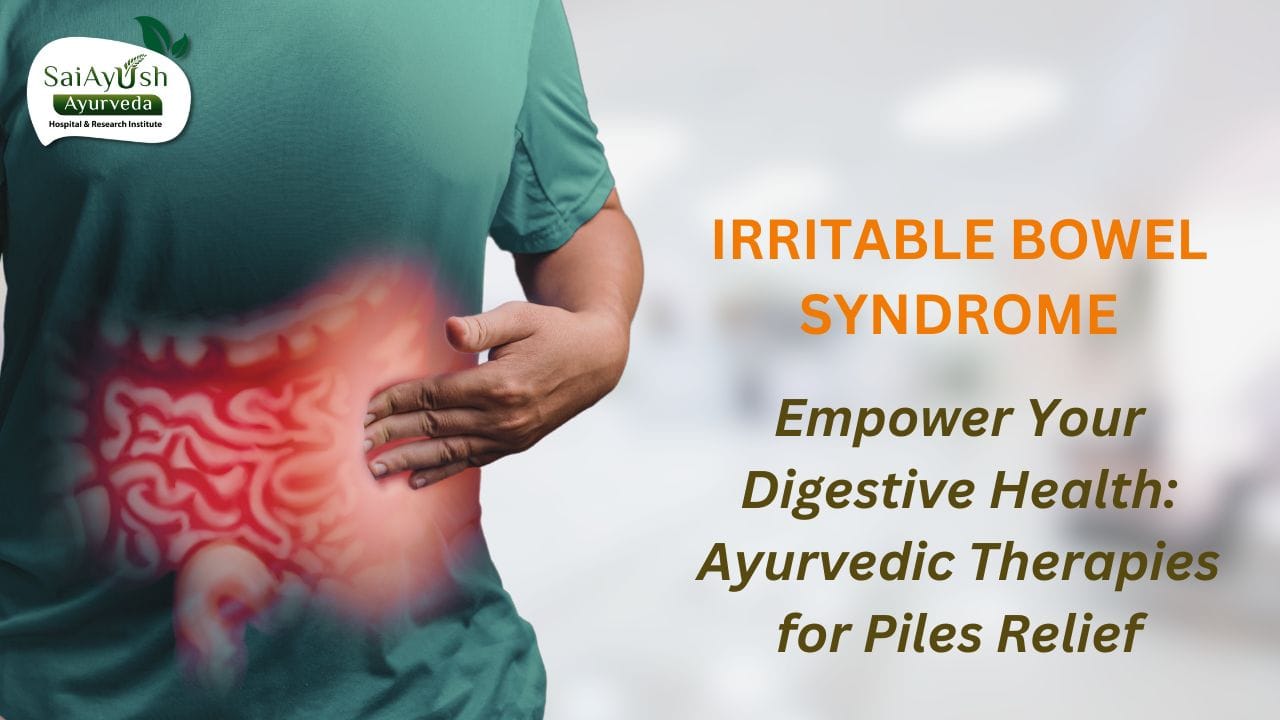
Irritable Bowel Syndrome (IBS) is a common digestive disorder involving recurring abdominal pain along with changes in bowel habits, such as diarrhoea, constipation, or both. It affects the large intestine and can vary significantly in severity between individuals. IBS is a real, recognised medical condition, and while it does not damage the intestine the way some other digestive diseases do, it can meaningfully affect daily life, which is why proper diagnosis and management matter.
Common Symptoms of IBS
- Recurring abdominal pain or cramping, often relieved somewhat by a bowel movement
- Bloating and excess gas
- Diarrhoea, constipation, or alternating between the two
- A feeling of incomplete bowel emptying
- Mucus in the stool
Symptoms often come and go, and can be triggered or worsened by certain foods, stress, or hormonal changes.
Causes and Risk Factors
The exact cause of IBS is not fully understood, but several factors are commonly associated with it, including altered gut motility, increased sensitivity of the gut to normal digestive processes, changes in gut bacteria, food intolerances, and psychological stress. IBS is more common in women and often begins in adolescence or early adulthood, though it can develop at any age.
How Is IBS Diagnosed?
There is no single test that confirms IBS. Diagnosis is generally based on a characteristic pattern of symptoms, along with ruling out other conditions that can cause similar symptoms, such as inflammatory bowel disease, celiac disease, or infection. This may involve blood tests, stool tests, or occasionally a colonoscopy, particularly if there are warning signs or risk factors for other conditions.
Ayurvedic Perspective
In Ayurveda, digestive disorders resembling IBS are often associated with weakened Agni (digestive fire) and the accumulation of Ama (undigested metabolic residue), along with imbalances in Vata, Pitta or Kapha dosha depending on whether symptoms lean toward irregular bowel movements, inflammation and acidity, or sluggish digestion respectively. This framework traditionally emphasises restoring digestive strength and addressing the specific doshic pattern present, alongside dietary and lifestyle correction.
Modern Medical Perspective
Conventional management of IBS typically focuses on dietary modification (such as identifying trigger foods), stress management, and medication to address specific symptoms like pain, diarrhoea, or constipation, depending on the predominant pattern. There is no single cure for IBS, but most people achieve meaningful symptom control through a combination of these approaches tailored to their individual triggers and symptom pattern.
When to See a Doctor
While IBS itself is not dangerous, certain symptoms need prompt medical evaluation rather than self-management, since they can indicate a different, more serious condition:
- Unintentional weight loss
- Blood in the stool or black, tarry stools
- Persistent or severe pain that is different from your usual pattern
- Symptoms that begin suddenly after age 50
- Fever accompanying digestive symptoms
- A family history of colon cancer, celiac disease, or inflammatory bowel disease
How Ayurveda May Support Management
Ayurvedic care for IBS is generally positioned as physician-supervised, supportive management working alongside dietary and lifestyle correction, rather than a standalone cure. After a clinical assessment of the predominant symptom pattern, care may include digestive-supportive herbal formulations, dietary guidance, and stress-management techniques such as yoga or breathing exercises. Our detailed Ayurvedic IBS care page outlines the assessment and therapy process used at Sai Ayush Ayurveda Hospital.
Practical Lifestyle Guidance
- Eat warm, freshly prepared meals at regular times where possible
- Keep a food and symptom diary to help identify personal trigger foods
- Manage stress through regular practices such as yoga, meditation, or breathing exercises, since stress commonly worsens symptoms
- Stay adequately hydrated
- Avoid self-prescribing herbal remedies without consulting a qualified practitioner, since suitability depends on your specific symptom pattern
Frequently Asked Questions
Is IBS the same as inflammatory bowel disease (IBD)?
No. IBS is a functional disorder that does not cause visible damage or inflammation to the intestine, while IBD (such as Crohn's disease or ulcerative colitis) involves actual inflammation and tissue damage. The two require different diagnostic approaches and treatment.
Can IBS be cured completely?
There is no definitive cure for IBS, but most people achieve significant, lasting symptom control by identifying and managing their individual triggers through diet, stress management, and, where needed, medication.
Does stress cause IBS?
Stress does not single-handedly cause IBS, but it is a well-recognised factor that can trigger or worsen symptoms in people who have the condition, due to the close connection between the gut and the nervous system.
Are there specific foods everyone with IBS should avoid?
Trigger foods vary significantly between individuals. Common culprits include high-fat foods, caffeine, alcohol, and certain carbohydrates, but a food diary is usually more useful than a generic avoidance list for identifying your own triggers.
Is IBS a sign of a more serious condition?
Usually not, but because some of its symptoms overlap with more serious conditions, new or changing symptoms, especially in people over 50 or with certain warning signs, should always be medically evaluated before being attributed to IBS.
This article is for educational purposes only and does not constitute medical advice. Please consult a qualified healthcare professional before beginning any treatment. If you are experiencing a medical emergency, contact your nearest hospital immediately.

Medically Reviewed By
Dr. Pasalapudi Visalaanjani, B.A.M.S, MD (Kayachikitsa), Reg No: 1146/A/2016
This article is for educational purposes only and does not constitute medical advice. Please consult a qualified healthcare professional before beginning any treatment. If you are experiencing a medical emergency, contact your nearest hospital immediately.