
Ayurvedic Glaucoma Treatment in Hyderabad
Overview: Glaucoma Treatment
- ✓Doctor-Guided Diagnosis & Prakriti Assessment
- ✓Multi-Disciplinary ANP³ Integrated Care Plan
- ✓Plan Based on Your Assessment and Dosha Balance
- ✓Supervised Panchakarma & Post-Therapy Care
Glaucoma is managed by an eye specialist through regular pressure checks and prescribed medicine or surgery. Ayurvedic support for glaucoma in Hyderabad at Sai Ayush is complementary care and never replaces that treatment. After reviewing your reports, your doctor may suggest therapies such as Shirovirechana, Basti and Triphala, along with stress and lifestyle guidance.
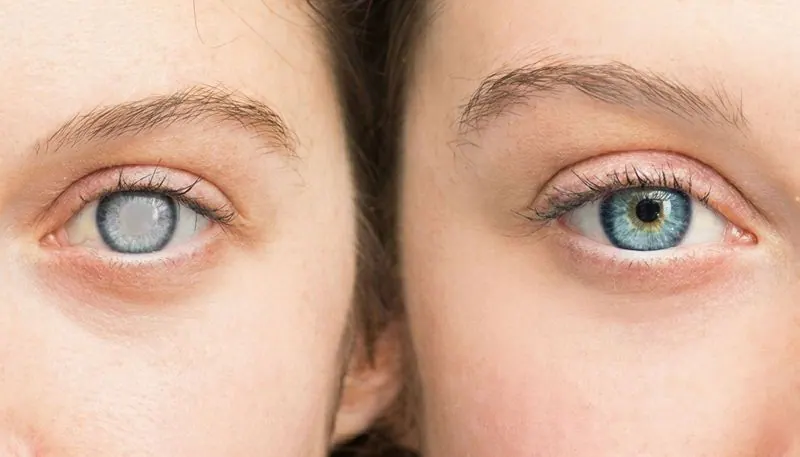
Glaucoma is a group of eye conditions that damage the optic nerve, often linked to raised eye pressure. It usually causes no symptoms until side vision is affected, so regular checks matter.
Your doctor reviews your eye specialist's pressure readings and reports. Ayurvedic therapies may be added as complementary care with stress and lifestyle guidance. Responses vary.
Glaucoma eye drops and surgery advised by your eye specialist must continue. A sudden painful red eye with blurred vision, headache or vomiting is an emergency.
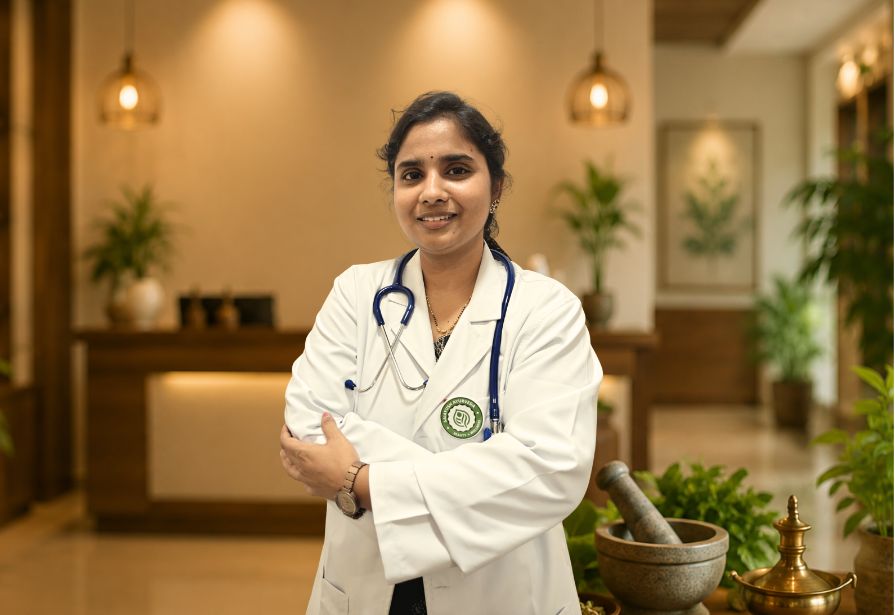
Medically Reviewed By: Dr. Pasalapudi Visalaanjani, B.A.M.S, MD (Kayachikitsa)
Registration No: 1146/A/2016 · Last updated 5 November 2026
Disclaimer: The information provided is for educational purposes and should not replace professional medical advice. Outcomes may vary.
Quick Reference Matrix
| Parameter | Clinical Direction |
|---|---|
| Who it may suit | Patients using pressure drops but still experiencing slow visual field loss who want to protect the nerve. |
| Who should avoid | The patient is having an acute closed-angle glaucoma attack (eye hard as a rock, intense in pain, vomiting) - requires ER surgery immediately. |
| Typical duration | Decided by your doctor after the first assessment. Results vary. |
Clinical Care Framework
Our Glaucoma care follows the integrated ANP³ model (Ayurveda, Naturopathy and Physiotherapy), aiming for steady, sustainable progress.
- Treatment Model: ANP³ (Ayurveda, Naturopathy, Physiotherapy)
- Supervision: Ayurvedic doctors
- Target Conditions: Glaucoma, Sensory Organ Degeneration, Neural Fatigue
- Setting: Hospital Environment (KPHB OP/IP, Madinaguda OP)
- Safety Protocol: Rigorous pre-treatment clinical evaluation required
The Ayurvedic View of Glaucoma (Adhimantha / Kacha)
In Ayurveda, the eye constantly produces a clear, watery fluid (Kapha) to maintain its shape, which must continuously drain out.
This heavy buildup physically gets stuck in the microscopic drainage meshwork of the eye. Because the eye keeps producing fluid but the drain is plugged, the fluid backs up.
This creates distressing internal pressure (Vata). Because the eyeball cannot expand, this significant pressure has nowhere to go except straight back, where it help reduce the delicate optic nerve against the back of the skull. Ayurvedic treatment focuses on 'unplugging' the drain to drop the pressure, and help nourishing the bruised, starving optic nerve to keep it alive.
Signs Your Eye Pressure is Dangerously High
You desperately need Ayurvedic ophthalmic support if you experience:
- A silent, slow loss of your side (peripheral) vision, as if looking through a tunnel
- Frequent, pounding headaches located directly behind your eyes or deep in your forehead
- Seeing blinding, rainbow-colored halos around bright lights at night
- A constant, heavy, deep aching pain inside the eyeball itself
- Having a strong family history of Glaucoma (the disease is genetic and silent)
Note: If you experience a SUDDEN, severe, intense pain in your eye, accompanied by a red eye, extreme blurred vision, and vomiting, seek IMMEDIATE EMERGENCY ophthalmological surgery.
The Danger of Ignoring the 'Silent Thief of Sight'
Primary Open-Angle Glaucoma is silent. You must actively check your eye pressure yearly and manage it before the nerve begins to die.
Who Should Avoid Immediate Ayurvedic Therapy?
For Glaucoma, some Ayurvedic therapies are not suitable as a first step and are deferred until the treating physician has ruled out the following:
- The patient is having an acute closed-angle glaucoma attack (eye hard as a rock, intense in pain, vomiting) - requires ER surgery immediately.
- Pregnancy, unless the treating physician has specifically cleared gentle outpatient care
- Any acute, unstable medical emergency needing immediate hospital care
How Is Treatment Performed?
Doctor-Led Ophthalmic (Adhimantha) Assessment
The doctor carefully evaluates the specific stage of the pressure. Is it a slow, silent, chronic buildup of heavy fluid (Open-Angle/Kapha), or a sudden, painful, red, agonizing attack of major, explosive pressure (Closed-Angle/Severe Pitta/Vata)?
Clearing the Blocked Drainage (Sroto-Shodhana)
The eye's drain is plugged. The doctor applies potent, sharp, scraping herbal pastes (Anjana) directly to the inner eyelid. These active herbs physically penetrate the eye to 'scrape' away the thick, stagnant Kapha buildup blocking the drain, forcing the fluid to flow.
Relieving the Crushing Pressure (Virechana & Nasya)
The major pressure must be pulled OUT of the head.
Deep Optic Nerve Protection (Netra Tarpana)
To protect the starving, crushed optic nerve from complete death, large amounts of heavy, lukewarm, pure Medicated Ghee are pooled directly over the open eyes.
Systemic Nerve Tonics (Medhya Rasayana)
To stop the major neural death caused by the pressure, the doctor prescribes major, heavy doses of internal nerve tonics (like Ashwagandha and Brahmi).
Strict Anti-Pressure Diet & Lifestyle
The doctor mandates a strict, heavily guided diet.
When Should You Consult for Glaucoma Support?
You should consult our doctors if:
- Your ophthalmologist has diagnosed high eye pressure (Ocular Hypertension) and you want natural support
- You are taking chemical pressure drops but the nerve damage is still slowly progressing
- You suffer from severe side effects from the chemical eye drops (like redness or heart palpitations)
- You want a protective, systemic protocol to save your remaining optic nerve alongside allopathy
What Results Can You Expect?
The practical goals include:
- Supportive management of the significant intraocular pressure (when monitored alongside your specialist)
- Supportive management of the severe, pounding headaches and heavy pressure behind the eyes
- A noticeable improvement in the, blinding rainbow halos around lights
- Supportive, nourishing care for the bruised, starving optic nerve
- Supportive care aimed at the remaining healthy nerve fibers to help protect against tunnel vision
Note: Results require discipline. The goal is to stop the progression, open the drain, and help protect against the nerve you still have. DO NOT stop your prescribed chemical drops without your ophthalmologist's approval.
About Sai Ayush Ayurveda Hospital
Sai Ayush is an NABH AYUSH Entry Level certified, multi-specialty Ayurvedic hospital in Hyderabad, delivering integrated care through its ANP³ model — Ayurveda, Naturopathy and Physiotherapy — across its KPHB and Madinaguda branches.
Visit Us in Hyderabad
Consultations for Glaucoma are available at both Sai Ayush branches in Hyderabad, convenient for KPHB, Kukatpally, Madinaguda, Miyapur, Hafeezpet, Chandanagar and nearby areas.
- KPHB (Main Branch, OP & IP) — Plot No 59, JNTU–Hitech City Road, KPHB 7th Phase Rd, Hyderabad, Telangana 500085 · +91 81423 28080
- Madinaguda Branch (OP) — 4th Floor, Kosal, Sai Plaza, above FMS Dental, Ramakrishna Nagar, Hafeezpet, Hyderabad 500049 · +91 84668 82266
- Open: Every day, 7:00 AM – 10:00 PM
Duration of Treatment
The number of days and sessions is decided by your doctor after the first assessment and reviewed at each follow-up. Results vary from person to person.
Clinical Integration
Many patients seeking Glaucoma care are also under the care of an ophthalmologist or ENT specialist, or are on medication for diabetes or hypertension that can affect eye and ear health. We review current treatment and recent specialist reports before starting Ayurvedic therapies, so care stays coordinated rather than conflicting.