
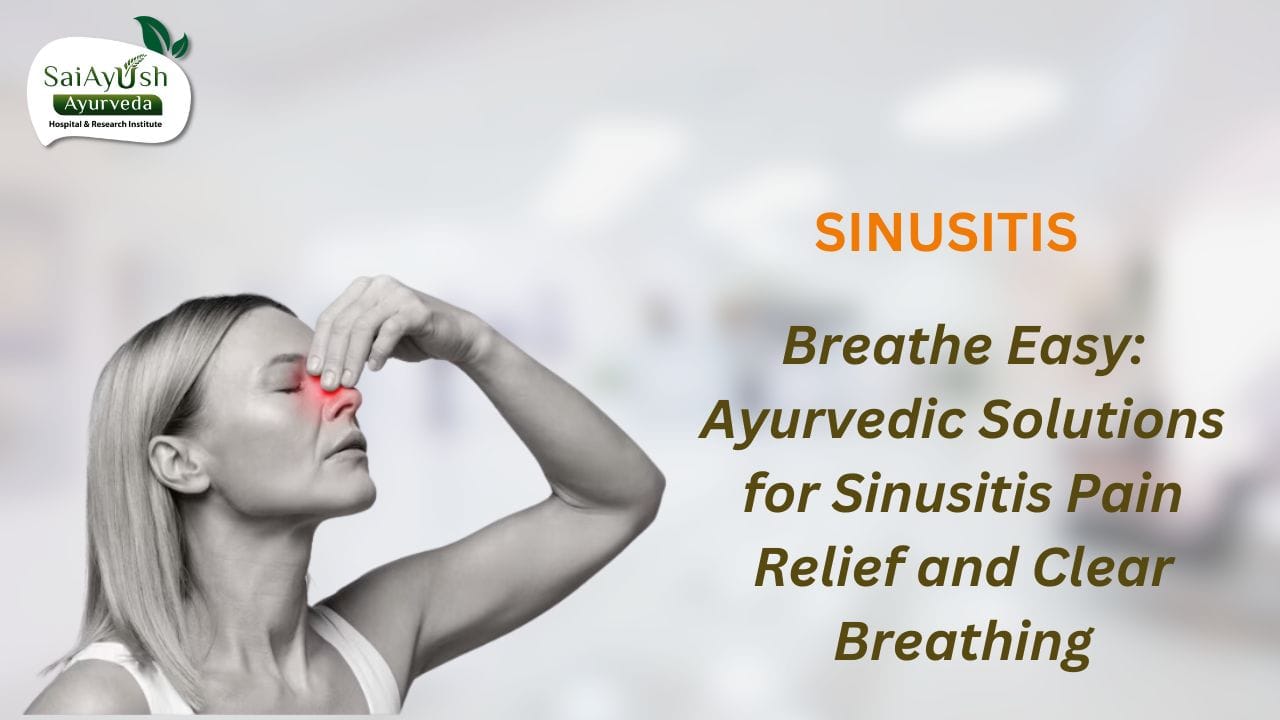
A blocked nose, facial pressure, headache and thick nasal discharge are often described as “sinus.” However, these symptoms do not always mean that a person has bacterial sinusitis.
A common cold, allergy, migraine, dental problem, nasal polyp or structural obstruction can produce similar complaints. Selecting medicines, antibiotics, nasal oils or Ayurvedic procedures without identifying the likely cause may delay appropriate care.
This guide explains common sinus-related symptoms, their possible causes, what to record before a consultation and when medical assessment is required.
What are the sinuses?
The sinuses are air-filled spaces located around the nose, cheeks, forehead and eyes. They connect with the nasal passages and are lined by a mucous membrane.
When this lining becomes inflamed or swollen, drainage may be reduced. This can contribute to:
- Nasal blockage
- Facial pressure
- Nasal discharge
- Reduced sense of smell
- Headache or heaviness
- Postnasal drip
Inflammation of the nasal passages and sinuses is often described medically as rhinosinusitis because both areas are commonly involved.
What are the common symptoms of sinusitis?
Possible symptoms include:
- A blocked or congested nose
- Thick nasal discharge
- Mucus draining into the throat
- Pressure or tenderness around the cheeks, forehead or eyes
- Reduced or altered sense of smell
- Headache
- Upper-tooth discomfort
- Cough
- Bad breath
- Ear pressure
- Tiredness
- Fever in some cases
Symptoms alone do not always identify whether the cause is viral, bacterial, allergic or structural.
Green or yellow mucus does not automatically prove that a bacterial infection is present.
Is it sinusitis, a cold or an allergy?
These conditions can overlap, but certain patterns may provide useful clues.
Common cold
A viral cold may cause:
- Runny or blocked nose
- Sneezing
- Sore throat
- Cough
- Mild headache
- Tiredness
- Mild fever
Symptoms usually improve gradually. Nasal mucus may become thicker or change colour during a viral illness without requiring antibiotics.
Allergic rhinitis
Allergies may be more likely when symptoms include:
- Repeated sneezing
- Clear, watery nasal discharge
- Itchy nose
- Itchy or watery eyes
- Symptoms linked to dust, pollen, pets or a particular environment
- Recurrent symptoms without fever
Allergic inflammation may also contribute to sinus pressure or blockage.
Sinusitis
Sinusitis may be considered when nasal blockage or discharge occurs with facial pressure, reduced smell or other associated symptoms.
Medical review is appropriate when symptoms are severe, repeatedly return, worsen after initially improving or continue without improvement.
Migraine
Migraine is sometimes mistaken for a sinus headache. Migraine may cause:
- One-sided or throbbing headache
- Nausea
- Sensitivity to light or sound
- Symptoms worsened by activity
- Nasal congestion or watery eyes in some people
A headache should not automatically be attributed to the sinuses, particularly when nasal symptoms are minimal.
Dental problems
An infected upper tooth or another dental condition may produce pain near the cheek or maxillary sinus.
Dental review may be required when facial discomfort is associated with:
- Tooth sensitivity
- Gum swelling
- Pain while chewing
- A bad taste in the mouth
- Localised upper-jaw pain
What causes sinus inflammation?
Several factors may contribute.
Viral respiratory infection
A cold or another viral infection is a common cause of acute sinus symptoms. Swelling inside the nose may temporarily interfere with sinus drainage.
Bacterial infection
Some sinus infections are bacterial, but many are not. A clinician may consider the duration, severity and pattern of symptoms before deciding whether antibiotics are appropriate.
Allergies
Allergic rhinitis can produce recurrent swelling, congestion and nasal discharge. Identifying triggers may be part of the assessment.
Nasal polyps
Nasal polyps are soft growths inside the nose or sinuses. They may contribute to persistent obstruction, reduced smell and recurring sinus problems.
Deviated nasal septum or structural narrowing
Structural differences may interfere with airflow or drainage. An ENT examination may be required when obstruction is persistent, severe or mainly affects one side.
Irritants
Smoke, pollution, strong fragrances and workplace exposures may aggravate nasal symptoms in some people.
Dental infection
The roots of some upper teeth lie close to the maxillary sinuses. A dental infection can occasionally contribute to sinus-like symptoms.
Reduced immunity or other medical conditions
Recurring or unusually severe infections may require evaluation for an underlying medical factor.
How long do sinus symptoms last?
The duration varies according to the cause.
Many symptoms beginning with a cold improve gradually without antibiotics. Arrange a medical review if symptoms:
- Continue for more than approximately 10 days without improvement
- Become worse after initially improving
- Include fever lasting several days
- Cause severe headache or facial pain
- Recur several times during the year
These patterns do not prove that an infection is bacterial, but they justify clinical assessment.
Long-lasting symptoms may require evaluation for chronic rhinosinusitis, allergies, polyps, dental disease or another cause.
Does coloured mucus mean antibiotics are required?
No. Thick, yellow or green mucus can occur during a viral respiratory infection.
Antibiotics work against susceptible bacteria; they do not treat viral infections or allergies. Many sinus infections improve without antibiotics.
A healthcare professional considers factors such as:
- Duration of symptoms
- Severity
- Fever
- Facial pain
- Whether symptoms worsened after improving
- Medical history
- Risk of complications
Do not use leftover antibiotics or medicine prescribed for another person. If antibiotics are prescribed, take them according to the prescriber’s instructions.
How are recurring sinus symptoms assessed?
Assessment usually begins with a detailed history and examination.
A clinician may ask about:
- When symptoms began
- Whether they are continuous or episodic
- One-sided or two-sided blockage
- Type of nasal discharge
- Facial pain or pressure
- Sense of smell
- Fever
- Allergy symptoms
- Asthma
- Dental symptoms
- Previous sinus infections
- Current medicines
- Smoking and environmental exposure
- Previous nasal surgery
- Response to earlier treatments
The nose, throat, ears, face and teeth may be examined where appropriate.
Further evaluation may be considered when symptoms are persistent, unusual, recurrent or associated with warning signs. Depending on the presentation, this may involve an ENT review, allergy assessment, nasal endoscopy, dental evaluation or imaging.
A CT scan is not automatically required for every episode of sinus symptoms.
What should you record before a consultation?
Keep a short symptom diary for several days.
Record:
- Date symptoms began
- Main symptoms
- One-sided or two-sided blockage
- Nasal-discharge colour and consistency
- Facial-pain location
- Fever
- Reduced sense of smell
- Cough or throat symptoms
- Sneezing and eye itching
- Suspected triggers
- Medicines or sprays used
- Previous response to treatment
- Sleep disturbance
- Effect on work or daily activities
Also bring a list of prescription medicines, non-prescription products, supplements and Ayurvedic preparations.
Tell the clinician if you are pregnant, breastfeeding or have asthma, diabetes, reduced immunity, kidney disease, liver disease or another significant medical condition.
What supportive measures may be discussed?
The appropriate advice depends on the suspected cause, age, medicines and other health conditions.
A healthcare professional or pharmacist may discuss:
- Adequate fluid intake
- Rest during an acute illness
- Appropriate pain or fever medicines
- Saline nasal spray or irrigation
- Allergy management
- Prescription nasal sprays
- Avoidance of smoke or known irritants
Do not exceed recommended doses or combine cold-and-flu products without checking their ingredients. Several products may contain the same pain-relief medicine.
People with high blood pressure, heart disease, glaucoma, prostate problems, pregnancy or other medical conditions should ask a clinician or pharmacist before using decongestants.
Is nasal irrigation safe?
Saline nasal irrigation may be considered for some people, but hygiene is essential.
Only water that is distilled, sterile or previously boiled and appropriately cooled should be used for nasal rinsing. Equipment should be cleaned and dried according to its instructions.
Do not use untreated tap water inside the nose.
Seek professional advice before irrigation if you have:
- A completely blocked nostril
- Recent nasal or sinus surgery
- Frequent nosebleeds
- Significant ear problems
- Reduced immunity
- Difficulty performing the technique safely
Stop if irrigation causes marked pain, bleeding, ear symptoms or worsening discomfort.
Is steam inhalation advisable?
Warm humidity may feel soothing to some people, but steam from a bowl of boiling water can cause serious burns.
Children should not inhale steam from bowls or vessels containing hot water. Adults should also avoid methods that create a scalding risk.
Steam does not remove an infection or guarantee sinus drainage. If you use a humidifier, clean it correctly to reduce contamination.
What should not be placed inside the nose?
Do not place the following inside the nose without qualified clinical advice:
- Undiluted essential oils
- Herbal powders
- Homemade oils
- Plant juices
- Non-sterile water
- Irritating substances
- Products intended only for external use
The nasal lining is sensitive. Inappropriate products may cause irritation, bleeding, allergy, contamination or aspiration.
How does Ayurveda traditionally view sinus symptoms?
Ayurvedic literature discusses nasal and upper-respiratory complaints through concepts including Pratishyaya and Pinasa. Presentations may be interpreted using dosha patterns and observations involving discharge, blockage, heaviness, dryness, digestion, strength and duration.
These are traditional Ayurvedic frameworks. They should not be treated as biomedical explanations for:
- Viral or bacterial infection
- Nasal polyps
- Deviated septum
- Dental infection
- Migraine
- Tumour
- Complications involving the eye or brain
An Ayurvedic assessment cannot replace appropriate ENT examination or diagnostic investigation.
Where may doctor-guided Ayurveda fit?
For a medically stable person without warning signs, a qualified Ayurveda physician may consider supportive care after reviewing:
- The likely diagnosis
- Symptom duration
- Previous investigations
- Allergy history
- Current medicines
- Pregnancy or breastfeeding
- General health
- Nasal bleeding
- Previous surgery
- Individual suitability
Traditional care may involve selected lifestyle guidance, prescribed preparations or external procedures. The choice, timing and duration should be individualised.
Ayurvedic care should not be presented as:
- A complete cure for every type of sinusitis
- A replacement for antibiotics when clinically required
- A way to correct every structural obstruction
- A guaranteed method for preventing recurrence
- A substitute for ENT assessment
- A reason to stop prescribed nasal sprays or other medicines
Patients with persistent or recurring symptoms can learn about doctor-guided respiratory care at Sai Ayush.
A consultation does not guarantee that Nasya, Panchakarma or another procedure will be recommended.
Is Nasya suitable during acute sinus symptoms?
Nasya involves the traditional administration of a physician-selected preparation through the nose. It should not be attempted using online recipes or non-prescribed oils.
Suitability depends on the patient’s condition and the physician’s assessment.
Nasya may need to be avoided, modified or postponed when a person has:
- Fever or acute illness
- Significant nasal bleeding
- Severe obstruction
- Recent nasal surgery
- Known sensitivity to ingredients
- Breathing difficulty
- Severe headache or neurological symptoms
- Another condition requiring urgent medical evaluation
Do not allow a traditional procedure to delay necessary treatment for an acute infection or complication.
When should you arrange a medical consultation?
Consult a qualified healthcare professional if:
- Symptoms continue for more than about 10 days without improving
- Symptoms become worse after initially improving
- Fever persists for several days
- Facial pain or headache is severe
- Sinus infections repeatedly return
- Symptoms persist on only one side
- There is recurrent nasal bleeding
- Sense of smell remains reduced
- Symptoms significantly affect sleep or daily life
- You have reduced immunity or a serious long-term condition
Children, older adults, pregnant patients and people with significant medical conditions may require earlier advice.
Which symptoms require urgent medical attention?
Seek urgent medical or emergency assessment for:
- Redness or swelling around an eye
- Eye pain or difficulty moving the eye
- Double vision or reduced vision
- Severe or rapidly worsening headache
- Neck stiffness
- Confusion, unusual drowsiness or reduced alertness
- Persistent vomiting
- Seizure
- New weakness, numbness or difficulty speaking
- Marked facial swelling
- Breathing difficulty
- Symptoms after a significant facial or head injury
- A severe one-sided blockage with blood-stained discharge
- A person who appears seriously unwell
Do not wait for an Ayurveda appointment when these symptoms are present.
Can sinusitis be prevented?
No method can guarantee that sinusitis will never recur. Depending on the cause, preventive care may involve:
- Managing confirmed allergies
- Avoiding smoking and second-hand smoke
- Reducing exposure to known irritants
- Hand hygiene during respiratory-infection seasons
- Following prescribed nasal treatment
- Addressing relevant dental problems
- Reviewing persistent structural blockage with an ENT specialist
- Managing asthma and other associated conditions
Avoid repeated self-treatment without reassessment when symptoms keep returning.
Frequently asked questions
Is every sinus headache caused by sinusitis?
No. Migraine, tension-type headache, dental conditions and other problems can cause pain around the face or forehead. Nasal symptoms, duration and examination findings help determine the likely cause.
Does green nasal mucus prove a bacterial infection?
No. Coloured mucus may also occur during a viral cold. A clinician considers the complete symptom pattern before deciding whether antibiotics are appropriate.
Do antibiotics cure every sinus infection?
No. Antibiotics do not work against viruses or allergies, and many sinus infections improve without them. Use antibiotics only when prescribed.
Can Ayurveda permanently cure sinusitis?
There is insufficient evidence to promise a permanent cure. Outcomes depend on the underlying cause, symptom duration, structural factors, allergies and individual health.
Is Nasya the same as using nasal drops at home?
No. Nasya is a traditional physician-selected procedure. It should not be performed using unverified oils or internet recipes.
Can prescribed nasal sprays be stopped before Ayurveda care?
No. Do not stop or change prescribed medicines unless the relevant prescribing clinician advises it.
Is steam inhalation safe for children?
Steam from bowls or vessels containing hot water creates a serious scalding risk and should not be used for children.
When should an ENT consultation be considered?
ENT assessment may be appropriate for persistent, recurrent, severe or mainly one-sided symptoms; reduced smell; polyps; repeated bleeding; suspected structural obstruction; or symptoms that do not respond as expected.
Key takeaway
Sinus pressure, nasal congestion and facial pain can arise from infections, allergies, migraine, dental conditions or structural problems. Identifying the likely cause should come before choosing antibiotics, Ayurvedic medicines or nasal procedures.
Most uncomplicated episodes improve, but symptoms that persist, worsen after initial improvement or repeatedly return require clinical assessment. Eye swelling, visual changes, severe headache, confusion and neurological symptoms require urgent medical attention.
Ayurvedic care may be considered as supportive, doctor-guided care for selected, medically stable patients. It should not be promoted as a complete solution or used instead of necessary ENT evaluation and prescribed treatment.
Medical disclaimer: This article is intended for general education and does not diagnose or treat sinusitis. Individual symptoms and treatment needs vary. Seek urgent medical care for severe or rapidly worsening symptoms and consult a qualified healthcare professional before using medicines, nasal products or Ayurvedic procedures.
Medically Reviewed By
Dr. Pasalapudi Visalaanjani, B.A.M.S, MD (Kayachikitsa), Reg No: 1146/A/2016
Updated on september 16, 2026