
Ayurveda and Addiction Recovery: Role, Safety and Limitations
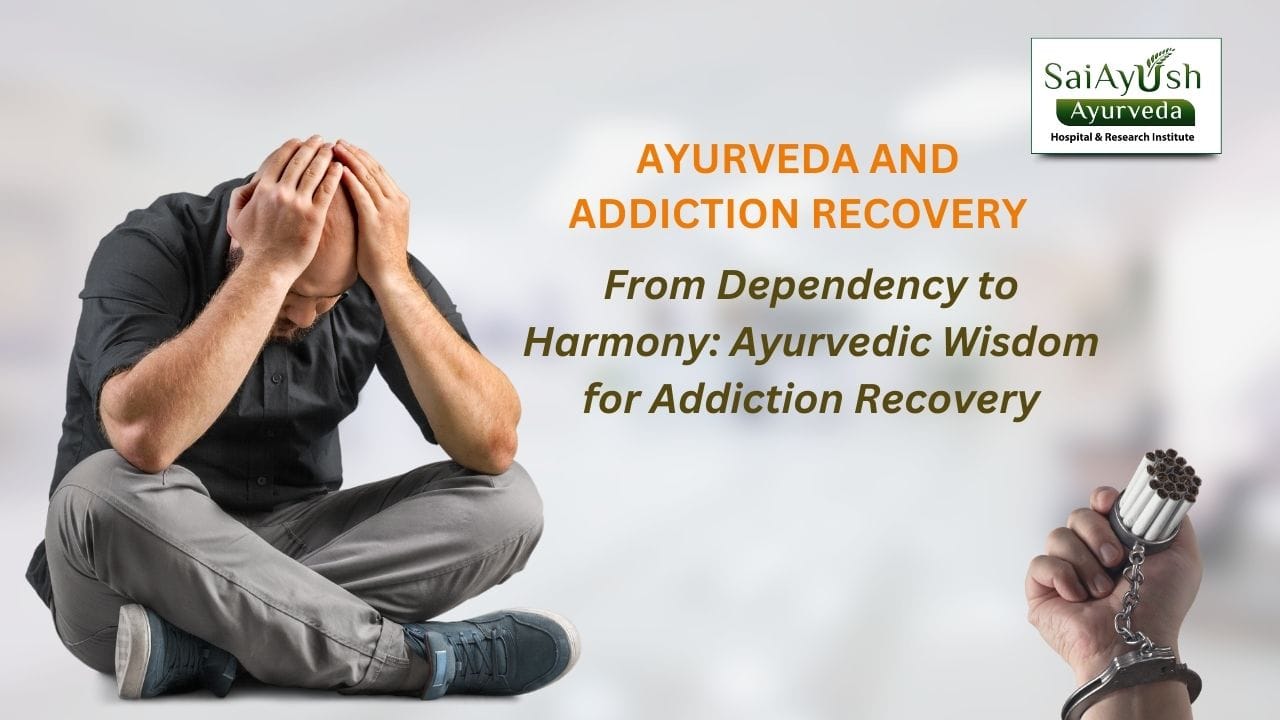
Addiction can affect physical health, mental wellbeing, relationships, work and family life. It is not a failure of character or willpower. A substance use disorder is a treatable health condition that may require medical care, psychological support, medication and long-term follow-up.
Some people explore Ayurveda during recovery to support sleep, stress management, daily routines or general wellbeing. However, Ayurveda should not replace medical withdrawal management, psychiatric care, counselling or prescribed addiction treatment.
Anyone who may be physically dependent on alcohol, sedatives, opioids or another substance should obtain medical advice before reducing or stopping use. Withdrawal can sometimes become dangerous.
What is addiction?
Addiction involves continued use of a substance, or repeated engagement in a behaviour, despite significant harm or loss of control.
Substance use disorders may involve:
- Alcohol
- Opioids
- Sedatives or sleeping tablets
- Stimulants
- Cannabis
- Nicotine
- Other prescription or non-prescription substances
People may experience cravings, difficulty controlling use, increased tolerance, withdrawal symptoms or continued use despite health, financial, occupational or relationship problems.
The causes are complex. Biological vulnerability, mental health, trauma, chronic pain, social conditions, stress and substance exposure may all contribute. Addiction should not be attributed solely to a dosha imbalance, weak self-control or the accumulation of “toxins.”
What does evidence-based addiction treatment involve?
There is no single treatment plan suitable for everyone. A qualified clinician assesses the substance involved, frequency and amount of use, withdrawal history, physical health, mental health, current medicines and available support.
Depending on the person’s needs, treatment may include:
- Medical assessment and supervised withdrawal management
- Medication for certain substance use disorders
- Psychological or behavioural therapies
- Treatment of anxiety, depression, trauma or other mental health conditions
- Family education and support
- Rehabilitation or structured outpatient care
- Relapse-prevention planning
- Peer-support or recovery groups
- Ongoing medical monitoring
The CDC describes substance use disorder as a treatable chronic disease and notes that recovery may involve medication, counselling, behavioural healthcare or rehabilitation. Treatment should be selected according to the individual’s clinical needs.
Can Ayurveda treat addiction?
There is insufficient high-quality clinical evidence to claim that Ayurveda alone cures addiction, prevents relapse or safely manages substance withdrawal.
Ayurvedic care must not be presented as a substitute for:
- Addiction-medicine assessment
- Psychiatric or psychological care
- Medically supervised withdrawal
- Prescribed medicines
- Emergency treatment
- A structured rehabilitation programme when one is required
Statements that Panchakarma or herbal medicines “remove addiction toxins” or correct the underlying cause of addiction are not adequately supported and may encourage unsafe delays in medical care.
Where might Ayurveda have a complementary role?
After medical assessment, Ayurveda may sometimes be considered as an additional component of a wider recovery plan. Its purpose should be clearly defined as supportive wellbeing care—not primary addiction treatment.
A qualified Ayurveda physician may discuss:
- Establishing a consistent sleep and waking routine
- Regular, nutritionally adequate meals
- Gentle physical activity suited to the patient’s health
- Stress-management practices
- Relaxation or breathing exercises where appropriate
- Support for general lifestyle organisation
- Monitoring for interactions before prescribing any herbal formulation
These measures may support routine and wellbeing, but they should not be described as treating physical dependence or replacing evidence-based treatment.
Any Ayurveda physician involved in the person’s care should know about all substances, supplements and medicines being used. Coordination with the primary doctor, psychiatrist or addiction specialist is important.
Why unsupervised detoxification can be dangerous
“Detox” is often used casually, but medically managed withdrawal is different from a wellness cleanse or Panchakarma programme.
Suddenly stopping alcohol after regular heavy use can cause severe confusion, hallucinations, seizures and other life-threatening complications. Withdrawal risks also vary with sedatives, opioids and other substances.
Do not attempt withdrawal using internet instructions, fasting, herbal preparations, massage, purgation or other home detoxification methods.
Seek medical advice before reducing or stopping a substance if the person:
- Uses alcohol or sedatives regularly
- Has experienced withdrawal before
- Uses more than one substance
- Is pregnant
- Has epilepsy, heart disease, liver disease or another significant condition
- Has severe anxiety, depression, psychosis or suicidal thoughts
- Takes prescription medicines
- Has limited support or an unsafe home environment
When is emergency medical attention required?
Obtain emergency medical help immediately for:
- A seizure
- Hallucinations or severe confusion
- Loss of consciousness
- Slow, irregular or difficult breathing
- Blue or grey lips
- Severe agitation or uncontrollable shaking
- Chest pain or an irregular heartbeat
- High fever during suspected withdrawal
- Suspected overdose
- Suicidal thoughts, self-harm or immediate danger to another person
Do not wait for an Ayurveda consultation when these symptoms are present.
Are Ayurvedic medicines safe during recovery?
“Natural” does not automatically mean safe. Herbal products may cause adverse effects, interact with prescription medicines or place additional strain on the liver or kidneys.
People receiving treatment for addiction may also be taking medicines for sleep, anxiety, depression, seizures, pain or other health problems. Combining products without professional review can be harmful.
Before using an Ayurvedic formulation, tell both the prescribing doctor and Ayurveda physician about:
- All prescription and non-prescription medicines
- Alcohol and other substance use
- Vitamins and supplements
- Liver or kidney disease
- Pregnancy or breastfeeding
- Previous allergies or adverse reactions
Do not stop, replace or reduce prescribed medication unless the clinician responsible for that treatment advises it.
Can Panchakarma be used during withdrawal?
Panchakarma should not be used as a substitute for medically supervised withdrawal. Procedures involving fasting, induced vomiting, purgation, enemas or substantial fluid changes may be unsuitable during intoxication, acute withdrawal, dehydration or medical instability.
The person should first be assessed by an appropriate medical professional. Any later consideration of Panchakarma must be individualised, physician-directed and coordinated with the recovery team.
Supporting someone with addiction
Family members can help by approaching the person without blame or humiliation. Useful actions include:
- Encouraging a professional assessment
- Helping arrange transport or appointments
- Learning the warning signs of overdose and withdrawal
- Keeping emergency contact information available
- Supporting agreed treatment without trying to control every decision
- Seeking professional support for the family as well
Avoid forcing the person into an unsupervised home detox or promising that one medicine, therapy or cleansing procedure will cure the problem.
Doctor-guided supportive care at Sai Ayush
Sai Ayush Ayurveda Hospital can assess whether Ayurveda-based lifestyle or general wellbeing support may be appropriate alongside a person’s established medical recovery plan.
Patients can meet the Sai Ayush Ayurveda doctors for an individual consultation. The physician should review the patient’s medical history, current substance use, prescribed treatment and relevant reports before recommending any Ayurvedic intervention.
Sai Ayush should not be represented as an addiction detoxification or rehabilitation service unless those services, staffing and clinical protocols have been independently confirmed. A patient may instead need referral to an addiction-medicine specialist, psychiatrist, emergency department or licensed rehabilitation programme.
For appointment and location information, visit the Sai Ayush contact page.
Frequently asked questions
Can Ayurveda cure alcohol or drug addiction?
There is insufficient evidence to claim that Ayurveda cures alcohol or drug addiction. Evidence-based medical and psychological treatment should remain central to care.
Can a person stop alcohol suddenly at home?
Stopping suddenly may be dangerous for someone who drinks heavily or regularly. Alcohol withdrawal can become life-threatening and should be medically assessed.
Can Ayurvedic medicine be taken with psychiatric medication?
Only after both clinicians review the combination. Herbal products may interact with psychiatric, sleep, seizure or other medicines.
Is relapse a treatment failure?
No. Addiction can be a long-term condition, and treatment plans sometimes need adjustment. A relapse should prompt renewed clinical support and risk assessment, especially because overdose risk may increase after a period of reduced use.
Can yoga or meditation replace counselling?
No. They may be used as supportive practices when clinically appropriate, but they do not replace counselling, medication or supervised withdrawal management.
Key takeaway
Addiction is a treatable medical condition that requires compassionate, evidence-based care. Ayurveda may have a limited complementary role in supporting routines, stress management and general wellbeing after appropriate assessment.
It should never be promoted as a standalone cure, an emergency intervention or a substitute for medically supervised withdrawal, addiction treatment or psychiatric care.
Medical disclaimer: This article is for general education and does not provide a diagnosis or individual treatment plan. Do not stop alcohol, drugs or prescribed medicines based on this information. Seek professional medical care for suspected dependence, withdrawal, overdose or mental-health emergencies.
Medically Reviewed By
Dr. Pasalapudi Visalaanjani, B.A.M.S, MD (Kayachikitsa), Reg No: 1146/A/2016
Updated on september 10, 2026