
Ayurvedic Panchakarma Therapy Treatment in Hyderabad
Ayurvedic Panchakarma Therapy Treatment in Hyderabad
Purification: 5 Step
Reset: Systemic
Cleansing: Deep
Fire: Metabolic
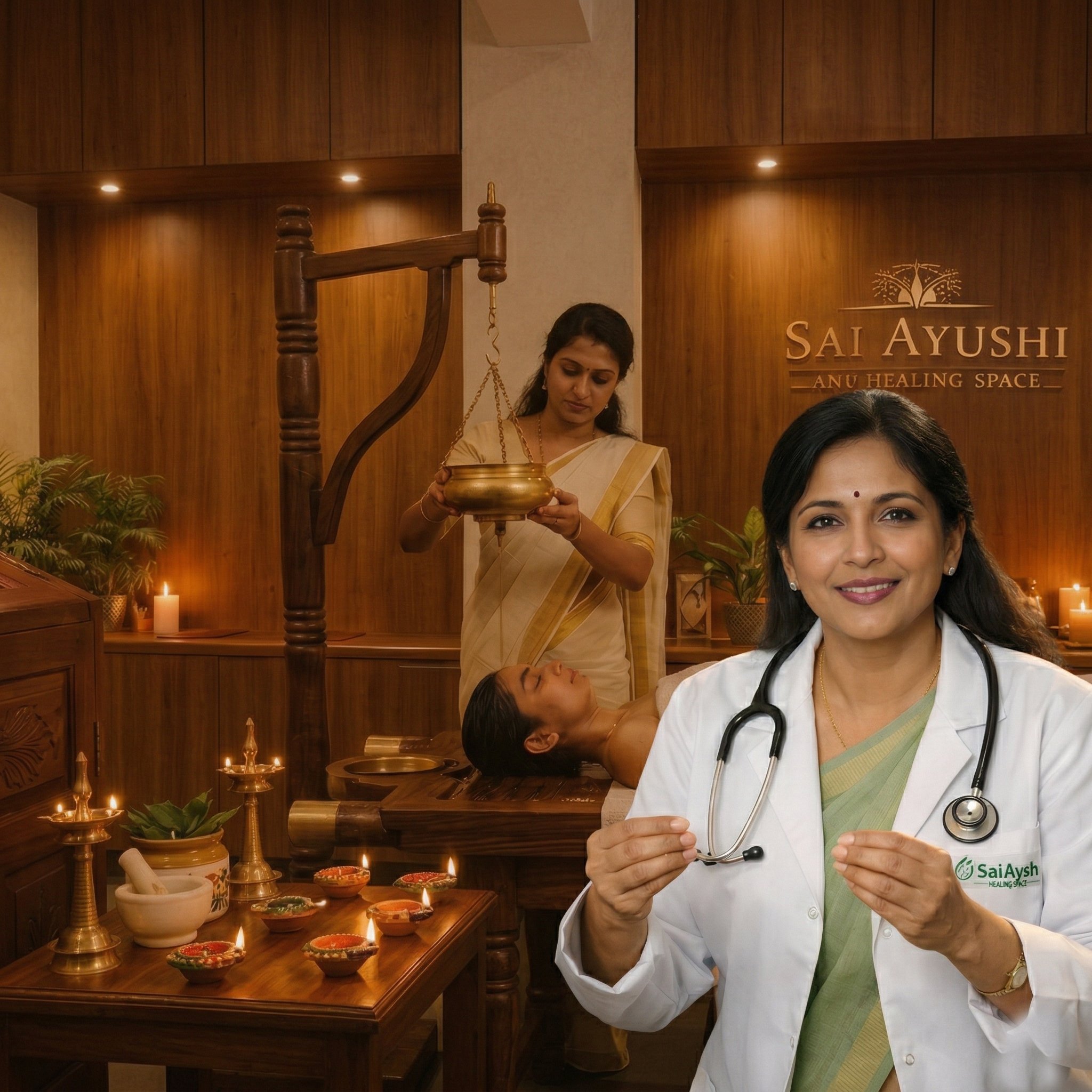
Sai Ayush Ayurveda Hospital provides authentic, physician-supervised Ayurvedic treatment for panchakarma therapy in Hyderabad. This structured, clinical approach precisely targets cellular aging, deep-seated systemic toxicity, and chronic fatigue using classical therapies like targeted Abhyanga and deeply healing Panchakarma. Designed specifically for individuals seeking proactive, preventive health optimization, all interventions are conducted under strict doctor oversight, with each patient's care planned after a thorough clinical assessment. Panchakarma is the ultimate, most profound therapeutic process in Ayurveda. It is not merely a 'spa day' or a simple massage; it is a highly clinical, intensive medical detoxification designed to pull years of deeply embedded, disease-causing toxins (Ama) out of your cells and forcefully expel them from the body. For individuals suffering from highly stubborn, chronic conditions—like severe autoimmune diseases, crippling arthritis, unmanageable PCOD, chronic skin disorders, or deep psychological trauma—Panchakarma is often the only way to physically 'reset' the body's internal environment. At Sai Ayush Ayurveda Hospital, Hyderabad, Panchakarma is conducted with absolute traditional strictness under constant doctor supervision. We meticulously prepare your body through internal oiling (Snehapana), before executing the primary expulsion therapies (like Virechana or Basti), and finally guiding you through a strict post-detox recovery phase (Paschat Karma). Our goal is to safely strip away the deep toxic blockages, completely reset your digestive fire (Agni), and restore your body to a state of absolute physiological purity and receptivity.
- Condition focus: Chronic undiagnosed pain, extreme lethargy, preparation for Rasayana (rejuvenation), autoimmune conditions, profound systemic reboot.
- Key therapies: Vamana, Virechana, Basti, Nasya, Raktamokshana.
Quick Reference Matrix
| PARAMETER | CLINICAL DIRECTION |
|---|---|
| Who it may suit | Patients with incredibly stubborn, chronic diseases who require the absolute deepest level of clinical metabolic cleansing. |
| Who should avoid | The patient is actively pregnant, extremely elderly, completely exhausted, or currently fighting an acute fever. |
| Typical duration | Intensive 14 to 28-day strict inpatient medical protocol. |
Clinical Care Framework
This specialized program follows our integrated ANP³ medical model for fast, sustainable healing.
- Treatment Model: ANP³ (Ayurveda, Naturopathy, Physiotherapy)
- Supervision: Senior Ayurvedic Clinical Team
- Target Conditions: Panchakarma Therapy, Cellular Aging, Systemic Toxicity
- Setting: Hospital Environment (KPHB OP/IP, Madinaguda OP)
- Duration: Typically 7 to 21 days
- Safety Protocol: Rigorous pre-treatment clinical evaluation required
What Is Panchakarma?
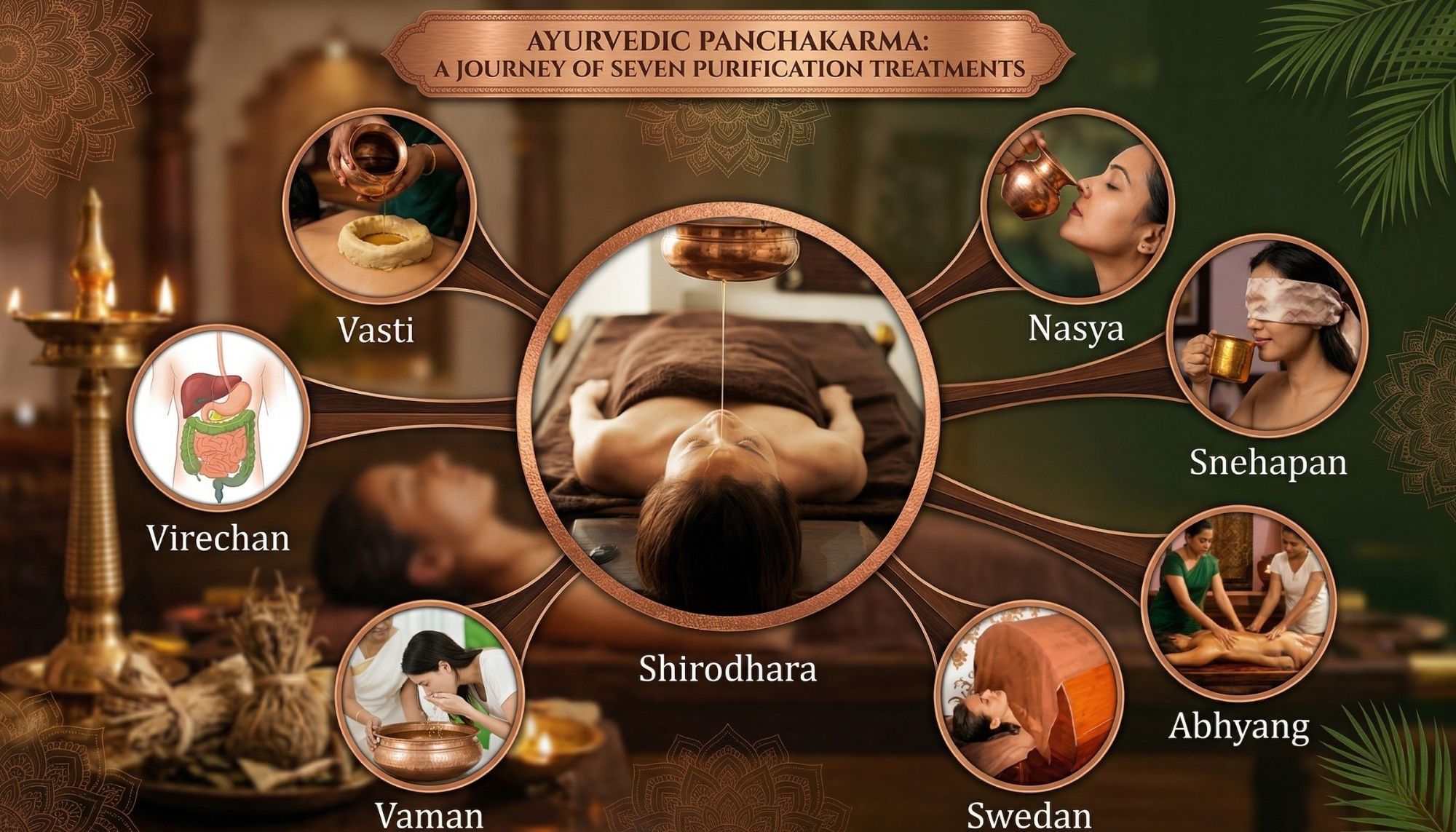
Panchakarma literally translates to 'Five Actions'. It is the supreme Ayurvedic method of 'Shodhana' (deep purification). Unlike oral medicines (Shamana) that try to pacify and suppress toxins inside the body, Panchakarma physically grabs the toxins by the root and forcefully evicts them. The five classical actions are: 1. **Vamana:** Medicated induced vomiting (for chest, lungs, and heavy Kapha diseases). 2. **Virechana:** Medicated induced purgation (for liver, blood, and hot Pitta diseases). 3. **Basti:** Medicated herbal enemas (for colon, bones, and erratic Vata diseases). 4. **Nasya:** Nasal administration of medicines (for brain, eyes, and head diseases). 5. **Raktamokshana:** Blood purification therapies (for severe toxicity in the blood). This is a serious medical procedure. It is never done casually and requires absolute adherence to the doctor's rules to avoid severe weakness.
Who Needs Panchakarma?
You may require a full Panchakarma detox if you suffer from:
- Highly stubborn autoimmune diseases (Rheumatoid Arthritis, Psoriasis, MS)
- Severe, chronic metabolic disorders (PCOD, stubborn obesity, severe diabetes)
- Chronic, debilitating nerve or joint pain that oral medicines cannot fix
- Severe, recurring skin diseases (Eczema, cystic acne) that constantly return
- Deep, chronic respiratory issues or severe lifelong allergies
- Preparation for conception (fertility detox) to ensure the womb is perfectly clean
- A desire for profound, anti-aging rejuvenation (Rasayana) of the whole body
Ayurvedic Understanding of Deep Toxicity (Ama)
In Ayurveda, all chronic diseases begin in the gut. When digestion (Agni) fails, food turns into 'Ama'—a sticky, cold, highly toxic metabolic waste. Over years, this Ama travels through the blood and gets deeply lodged in the weakest tissues (like the joints in Arthritis, or the skin in Psoriasis). Once Ama is stuck deep in the tissues, standard oral herbs cannot reach it. Only the intense process of 'Snehapana' (drinking medicated ghee) can penetrate the cells, unglue the toxins, and drag them back to the gut. If you skip this preparation and just take a laxative, you are only cleaning the surface of the intestines, not the deep cellular toxicity.
Who Should Avoid Immediate Ayurvedic Therapy?
Certain deep-tissue and intensive systemic therapies are strictly contraindicated and must be avoided by:
- Individuals with acute medical emergencies or active systemic infections requiring ICU care
- Patients presenting with highly contagious or acutely weeping dermatological infections (for localized contact therapies)
- Individuals with severe, unmanaged cardiovascular or respiratory distress
- Pregnant women (unless specific, highly gentle OP care is explicitly advised by the senior physician)
How is the Treatment Performed?
Every treatment plan is bespoke and typically follows this clinical framework:
- Comprehensive Diagnostic Evaluation: Deep assessment of your metabolic Doshas, chronicity of the illness, and systemic health.
- Preparatory Phase (Snehana & Swedana): Internal medications and targeted external therapies to mobilize deep-seated toxins (Ama).
- Primary Intervention: Highly targeted clinical therapies (like specialized Basti, Shirodhara, or Lepanam) to aggressively heal the affected systems.
- Post-Treatment Care: Strict dietary modifications (Pathya) and lifestyle management to prevent future relapses.
How Is Treatment Performed?
- Doctor-Led Evaluation (Purva Karma Planning): Panchakarma requires immense physical strength. The doctor first evaluates your Dosha, Agni (digestion), and overall stamina (Bala) to determine exactly which of the five actions (Pancha-Karma) your body actually needs and can safely endure.
- Internal Oiling (Snehapana): This is the crucial first step. You consume increasing doses of medicated ghee for 3 to 7 days. This heavy ghee acts like a solvent, penetrating the deepest tissues, dissolving the hard, sticky toxins (Ama), and bringing them back to the digestive tract.
- External Sweating (Swedana & Abhyanga): Once the toxins are loosened by the ghee, the body is subjected to heavy, hot oil massages and intense herbal steam. This dilates the physical channels (Srotas), physically forcing the dissolved toxins into the stomach and intestines for removal.
- The Main Expulsion (Pradhana Karma): Depending on your specific disease, the doctor executes the expulsion: Vamana (medicated emesis for severe Kapha/Asthma), Virechana (medicated purgation for severe Pitta/Skin diseases), or Basti (medicated enemas for severe Vata/Nerve pain).
- Nasal Clearing & Blood Letting (Nasya & Raktamokshana): If required, Nasya (herbal oils administered through the nose) is used to clear deep toxins from the brain and sinuses. Raktamokshana (bloodletting/leech therapy) is used for highly stubborn, severe skin or joint inflammation.
- Strict Post-Detox Recovery (Paschat Karma / Samsarjana Krama): After the toxins are expelled, your digestive fire is incredibly weak, like a tiny spark. You must follow a highly strict, graded diet (starting with thin rice water and slowly building up to solid food) over several days to safely rebuild your Agni.
Panchakarma Is Not a Spa Treatment
Many modern centers advertise Panchakarma as a relaxing holiday. True clinical Panchakarma is physically exhausting and requires extreme discipline. Drinking large amounts of ghee is uncomfortable, and the expulsion days are intensely tiring. It is a profound medical surgery without knives, requiring deep rest and absolute dietary strictness.
When Should You Consult for Panchakarma?
You should consult our doctors if:
- You have a chronic illness that constantly relapses despite years of medication
- You feel profoundly heavy, constantly exhausted, and deeply lethargic
- Your tongue has a thick, permanent white coating (a clear sign of severe Ama)
- You want to deeply reset your metabolism and immune system
- You are preparing for an intensive Ayurvedic rejuvenation (Rasayana) program
What Results Can You Expect?
Panchakarma provides the most profound physical reset possible in Ayurveda. The practical goals include:
- Massive, visible reduction in severe chronic inflammation and joint swelling
- Clearing of deep, stubborn skin lesions and severe acne
- Profound resetting of the digestive fire, eliminating chronic gas and bloating
- Significant weight loss as deep toxic fluid and fat (Kapha) are expelled
- A massive surge in physical lightness, energy, and mental clarity
- Drastically improved response to regular oral Ayurvedic medicines post-detox
Why Choose Sai Ayush for Panchakarma in Hyderabad?
Sai Ayush Ayurveda Hospital provides highly authentic, doctor-guided Panchakarma. We do not compromise on classical protocols or take shortcuts. Our approach is deeply clinical and prioritizes your absolute safety. Patients choose Sai Ayush for:
- Highly experienced Ayurvedic doctors who personally supervise every expulsion therapy
- Authentic, high-quality medicated oils and pure ghee used for Snehapana
- Strict adherence to classical preparation (Purva Karma) and recovery (Paschat Karma) protocols
- Hygienic, comfortable therapy rooms equipped for intensive treatments
- Honest assessment; we will refuse Panchakarma if your body is not strong enough
- Ethical, transparent, and patient-first care
Book a Consultation
If a chronic, stubborn disease is destroying your quality of life and you need a profound physical reset, consult our Ayurvedic doctors for a thorough Panchakarma assessment. Book your consultation at Sai Ayush Ayurveda Hospital, Hyderabad. Call: +91 81423 28080 / +91 84668 82266 Branches: KPHB and Madinaguda, Hyderabad Also Explore: • [Psoriasis Treatment](/treatments/skin-hair/psoriasis) • [Rheumatoid Arthritis Care](/treatments/pain-spine/rheumatoid-arthritis) • [Ayurvedic Detoxification](/treatments/wellness-programs/detox)
Duration of Treatment
The duration of treatment heavily depends on the chronicity and severity of the condition. Acute flare-ups may require 7 to 14 days of targeted OP therapies. Severe, chronic systemic conditions may require comprehensive 21 to 90-day care protocols, potentially involving In-Patient (IP) admission for intensive daily monitoring and strict dietary control.
Clinical Integration
Our ANP³ care model perfectly integrates classical Ayurveda with Naturopathy and Physiotherapy. We routinely manage patients who are on parallel allopathic medications for diabetes, hypertension, hormonal therapy, or immunosuppressants. We ensure complete safety by carefully reviewing your current prescriptions to explicitly prevent any adverse herb-drug interactions.
FAQ Section
- How long does a full Panchakarma treatment take?
A highly authentic, complete Panchakarma protocol (including preparation, the main expulsion day, and the strict recovery diet) typically takes a minimum of 14 to 21 days. It cannot be rushed in a weekend without risking severe complications. - Do I have to drink large amounts of ghee?
Yes. 'Snehapana' (drinking medicated ghee) is the absolute most critical part of Panchakarma. The heavy fat is the only substance capable of penetrating deep into your cells to dissolve and pull out the hard, sticky, fat-soluble toxins. Without the ghee, the detox is entirely superficial. - Is Panchakarma painful?
It is not painful, but it is physically exhausting. The massages and steam are relaxing, but drinking ghee can cause temporary nausea, and the actual expulsion day (like Virechana/purgation) will leave you feeling completely drained and weak, which is why deep rest is mandatory. - Can I go to work during my Panchakarma treatment?
No. During the intense preparation and expulsion phases, your body is undergoing a massive internal surgery. You must avoid sunlight, cold wind, heavy physical exertion, screens, and severe mental stress. You must take absolute leave from work to rest deeply. - Why is the post-detox diet (Samsarjana Krama) so strict?
After Panchakarma forcefully empties your stomach and intestines, your digestive fire (Agni) is practically extinguished. If you immediately eat heavy, normal food, your body cannot digest it, creating massive new toxins instantly. You must slowly rebuild the fire using thin, warm liquid gruels over several days. - Can Panchakarma cure my autoimmune disease permanently?
Panchakarma is the most powerful tool available to halt the progression of autoimmune diseases by stripping away the deep toxic load (Ama) driving the immune system crazy. While 'permanent cure' is rare in autoimmune conditions, Panchakarma provides massive, long-term remission and drastically improves quality of life. - Is Basti just a normal water enema?
Absolutely not. A normal water enema just washes the very bottom of the colon. Ayurvedic Basti uses highly specific, warm medicated oils and herbal decoctions that are retained in the colon to be absorbed into the bloodstream. It is the ultimate treatment for severe Vata (nerve and bone) disorders. - Can I do Panchakarma to lose weight quickly?
While significant weight loss is a natural side effect of expelling deep toxic fluid and heavy Kapha, Panchakarma is a medical procedure, not a cosmetic weight-loss trick. We do not recommend full Panchakarma solely for aesthetic weight loss unless the obesity is causing severe metabolic disease. - What is the best season to do Panchakarma?
In Ayurveda, the transition periods between seasons (like Spring and Autumn) are considered the absolute best times for Shodhana (detoxification), as the body naturally wants to release accumulated heat or cold. However, for a severe, active disease, it can be done at any time under strict doctor supervision. - Will I feel better immediately after the expulsion day?
Usually, no. Immediately after the expulsion (like Virechana), you will feel profoundly weak, tired, and empty. The true feeling of massive lightness, soaring energy, and physical relief only arrives about a week later, once your digestive fire has been completely rebuilt during the recovery phase.
Medically Reviewed By: Dr. Pasalapudi Visalaanjani, B.A.M.S, MD (Kayachikitsa)
Registration No: 1146/A/2016
Disclaimer: The information provided is for educational purposes and should not replace professional medical advice. Outcomes may vary.