
Doctor-Guided Ayurvedic Treatments in Hyderabad
Comprehensive Ayurvedic therapies tailored to treat the root cause and restore natural balance — physician-supervised at Sai Ayush Ayurveda Hospital, KPHB.
Conditions We Treat
Each treatment programme is individualised after a thorough physician assessment. Select a category to explore available therapies.

Digestive Health
Effective treatments for IBS, chronic acidity, gastritis, constipation, and restoring gut microbiome balance.
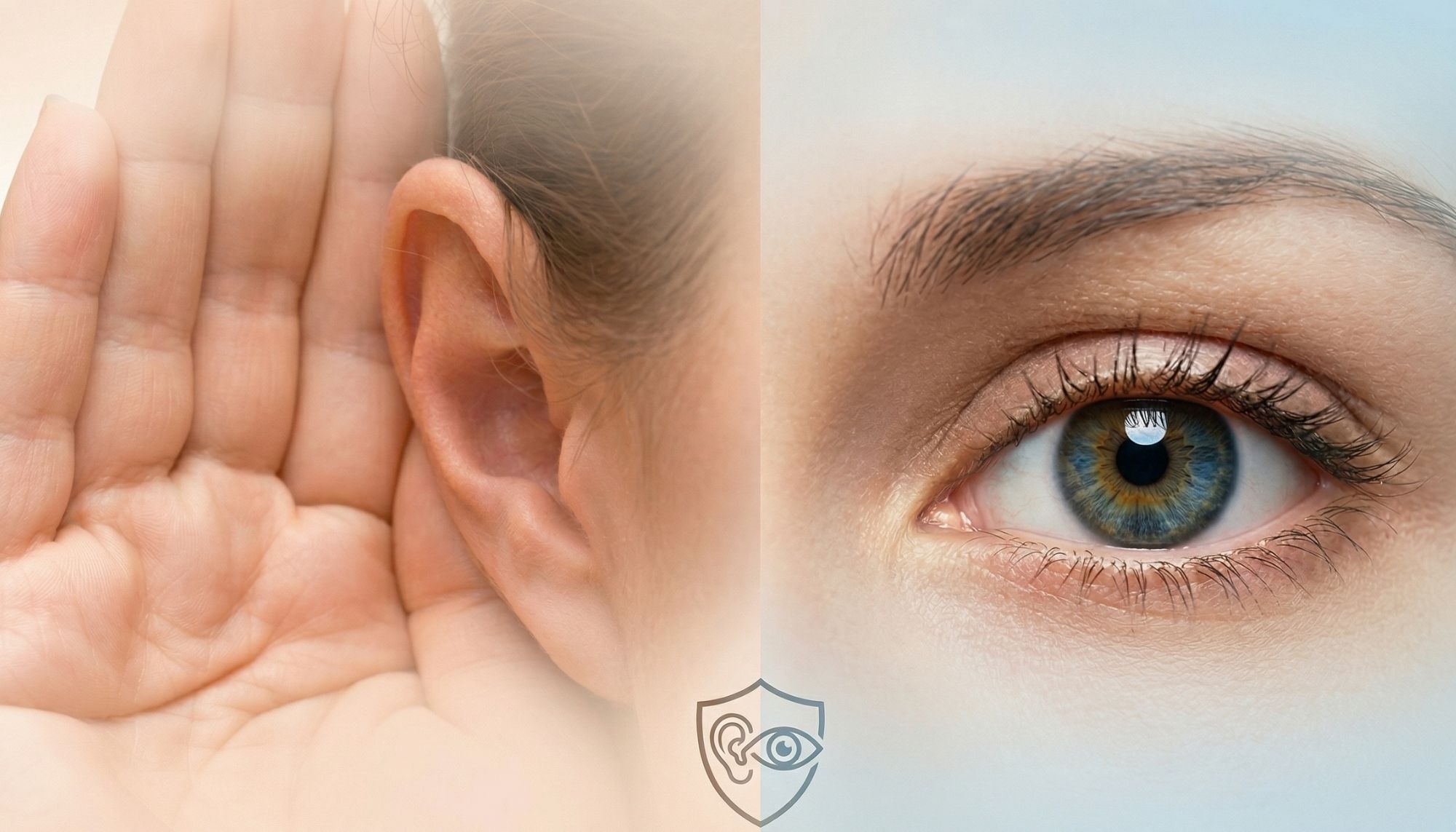
Eye & Ear
Classical netra tarpana and therapies aimed at relieving eye strain, dry eyes, and ear-related chronic conditions.
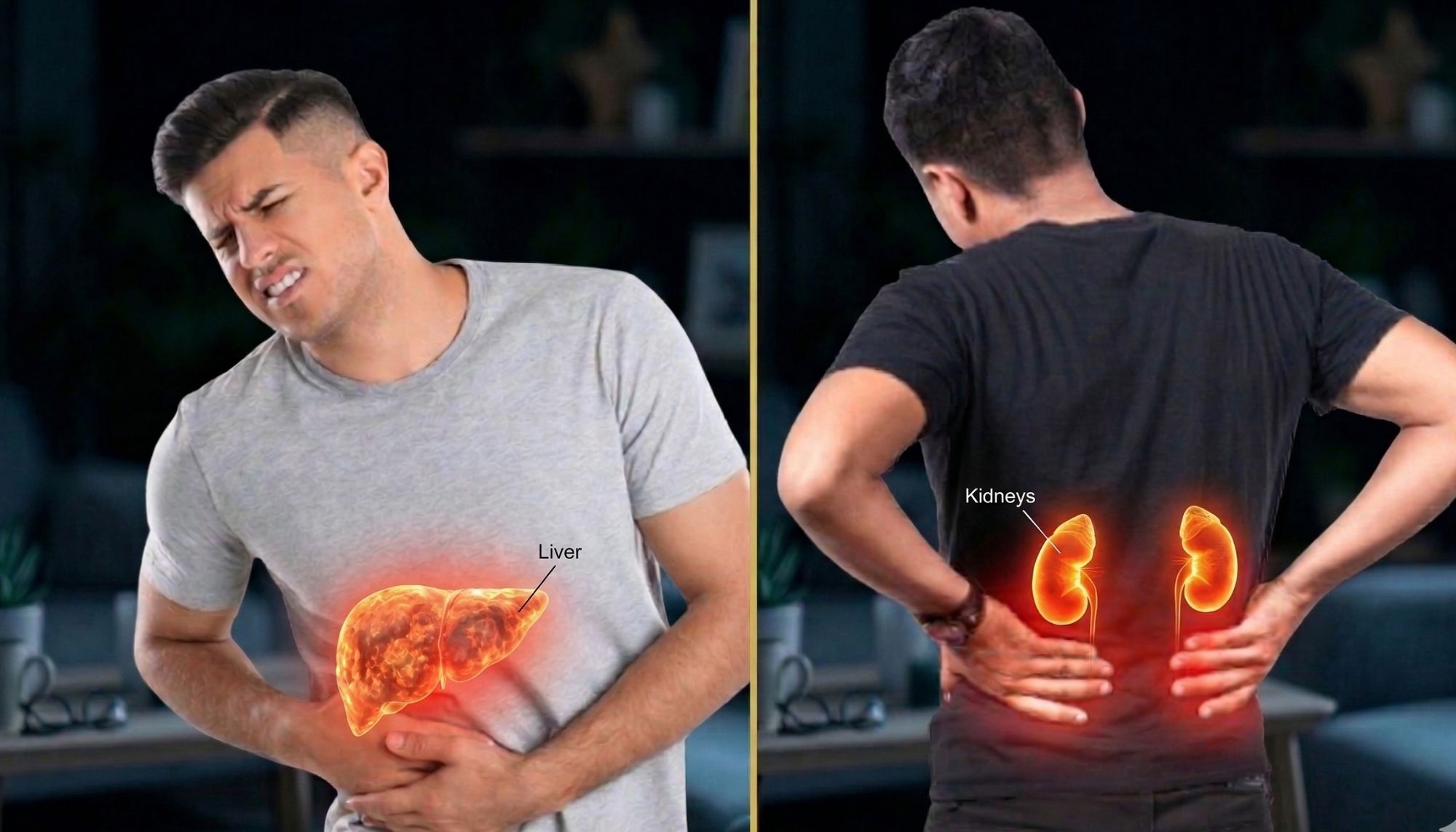
Kidney & Liver
Detoxifying formulations supporting hepatic function enhancement, renal care, and safe systemic waste clearance.

Lifestyle Care
Corrective protocols for metabolic imbalances, obesity management, and reversing the effects of sedentary habits.

Mental Wellness
Medically supervised relaxing procedures targeting chronic stress, anxiety, insomnia, and nervous exhaustion deeply.

Neurology
Supportive classical treatments for neuropathies, paralysis rehabilitation, and degenerative neurological disorders.

Pain & Spine
Comprehensive Ayurvedic care for back pain, sciatica, spondylosis, and chronic joint inflammatory conditions.

Pediatric Care
Gentle, safe immunological boosters and developmental support therapies for recurrent pediatric health issues.
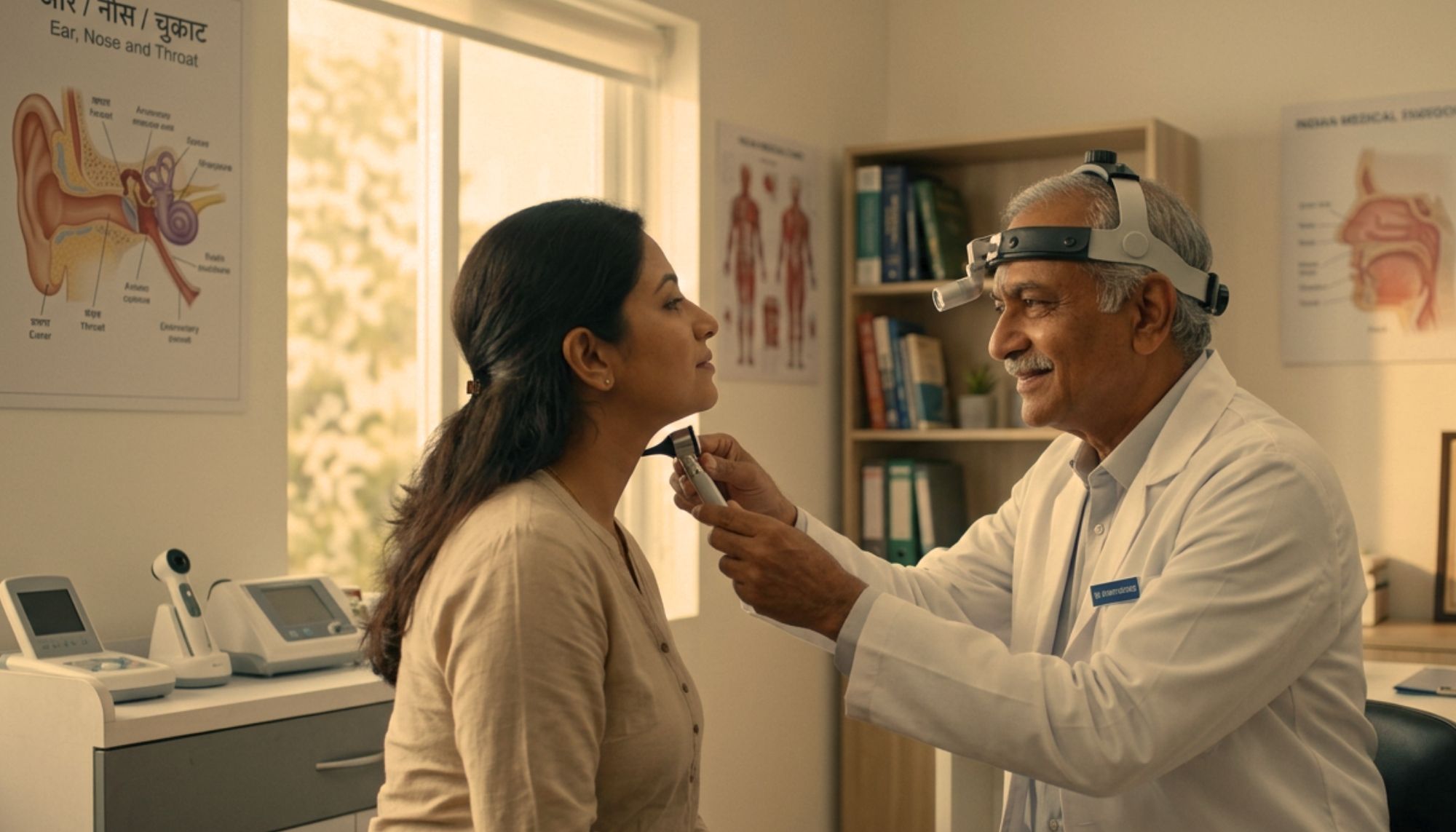
Respiratory & ENT
Therapies targeting allergic rhinitis, asthma, recurrent sinusitis, and compromised immunity profiles naturally.

Skin & Hair
Comprehensive management for chronic conditions like psoriasis, eczema, acne, and premature hair fall problems.
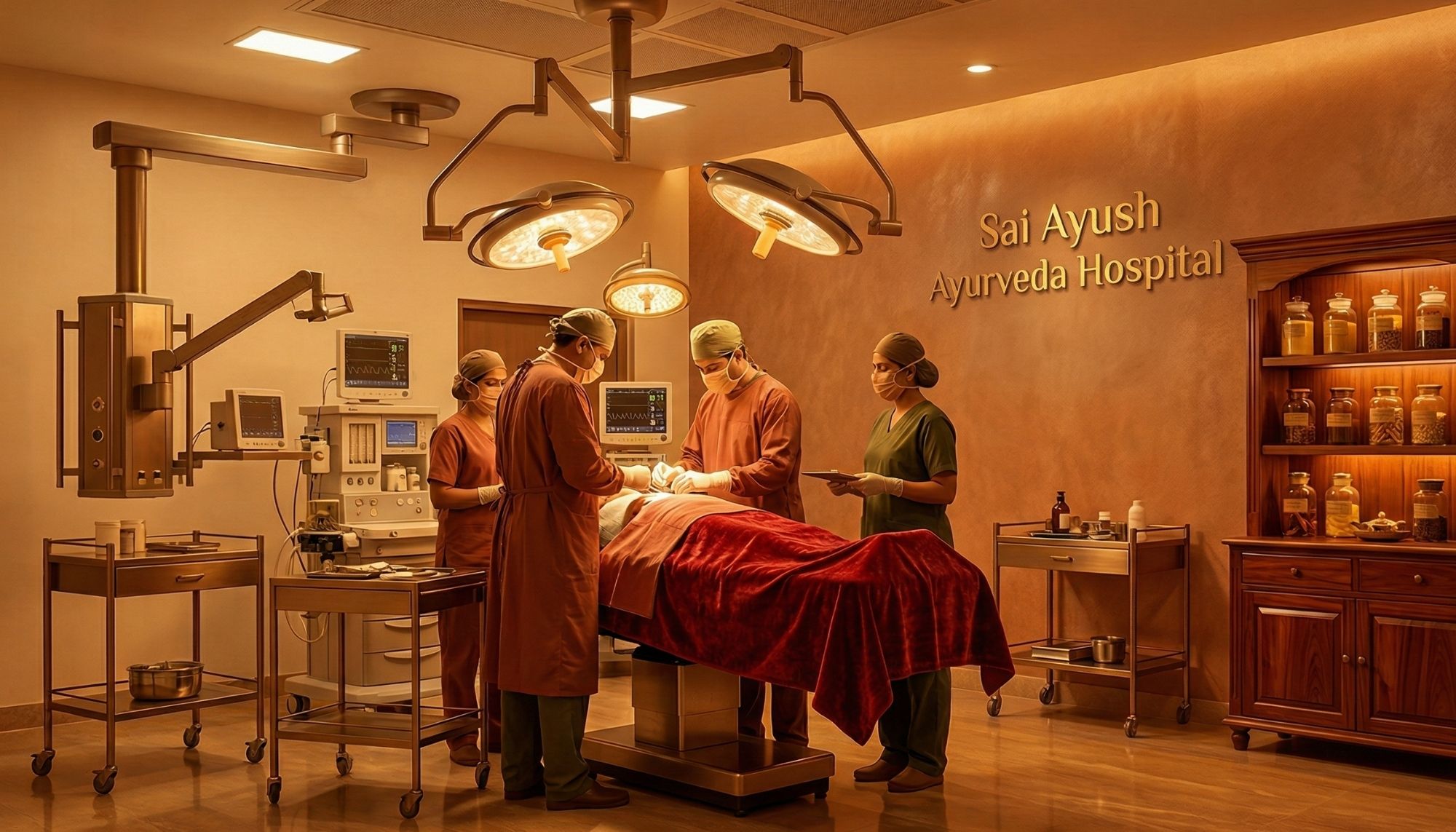
Surgical Care
Para-surgical Ayurvedic procedures including Kshara Sutra for anorectal ailments ensuring faster, complete healing.

Wellness & Prevention
Seasonal detoxification and immunity-boosting therapies designed to prevent disease onset and promote longevity.
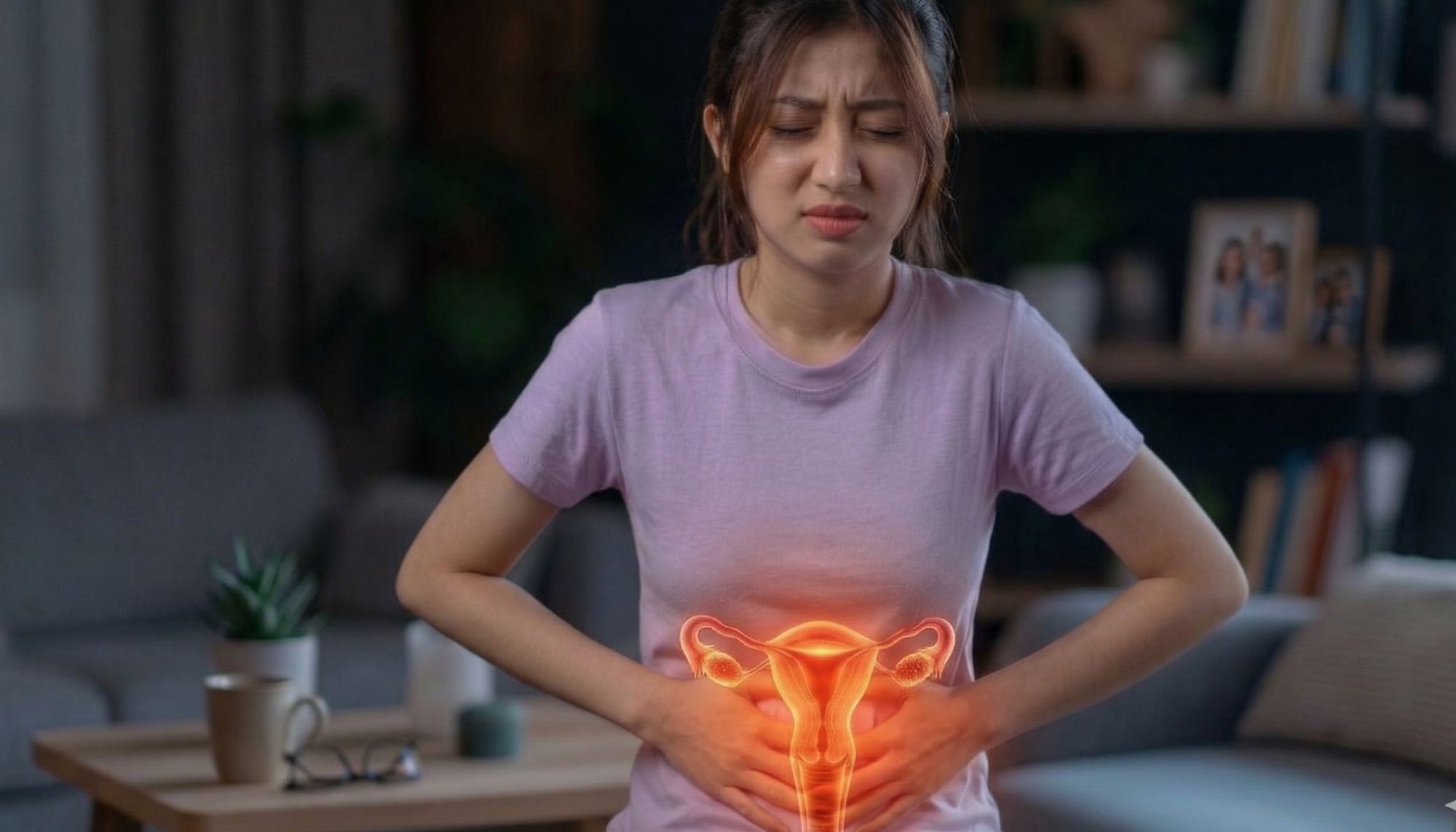
Women's Health
Specialised therapies addressing menstrual irregularities, PCOS, perimenopausal transition, and reproductive wellness.
Quick Clinical Reference
- Who it may suit
- Adults with chronic digestive, musculoskeletal, skin, respiratory, or metabolic concerns after physician screening; also preventive use
- Who should avoid
- Persons with acute infections, uncontrolled systemic disease, or pregnancy — mandatory screening before any treatment
- Typical duration
- Varies; initial programmes typically 4–12 weeks; some chronic conditions require longer-term support
- Safety notes
- Herbal formulations can interact with modern medicines; pre-screening and medication review are essential before starting
- When to refer
- Acute emergencies, active malignancy, uncontrolled cardiac or renal conditions, and surgical indications
- Modern integration
- Lab investigations before therapy; medication interaction review; specialist referral where clinically required
Understanding the TherapyWhat Are Ayurvedic Treatments?
Ayurvedic treatment is a personalised system of classical therapies. We integrate herbal medicines, dietary healing, and purification procedures tailored to your unique requirements.
Rooted in ancient foundational wisdom, our therapies focus on balancing your biological energies. At Sai Ayush, every programme is clinically built completely around you, individually.
Panchakarma
A structured five-fold purification programme. See our dedicated Panchakarma page for full clinical detail. Not required for every patient.
Herbal Medicine (Aushadhi)
Classical herbal formulations — tablets, decoctions (kashayam), medicated oils, powders (churna), and ghee-based preparations (ghrita).
Abhyanga
Therapeutic full-body oil massage using medicated oils selected for your constitution. Supports musculoskeletal health and circulation.
Shirodhara
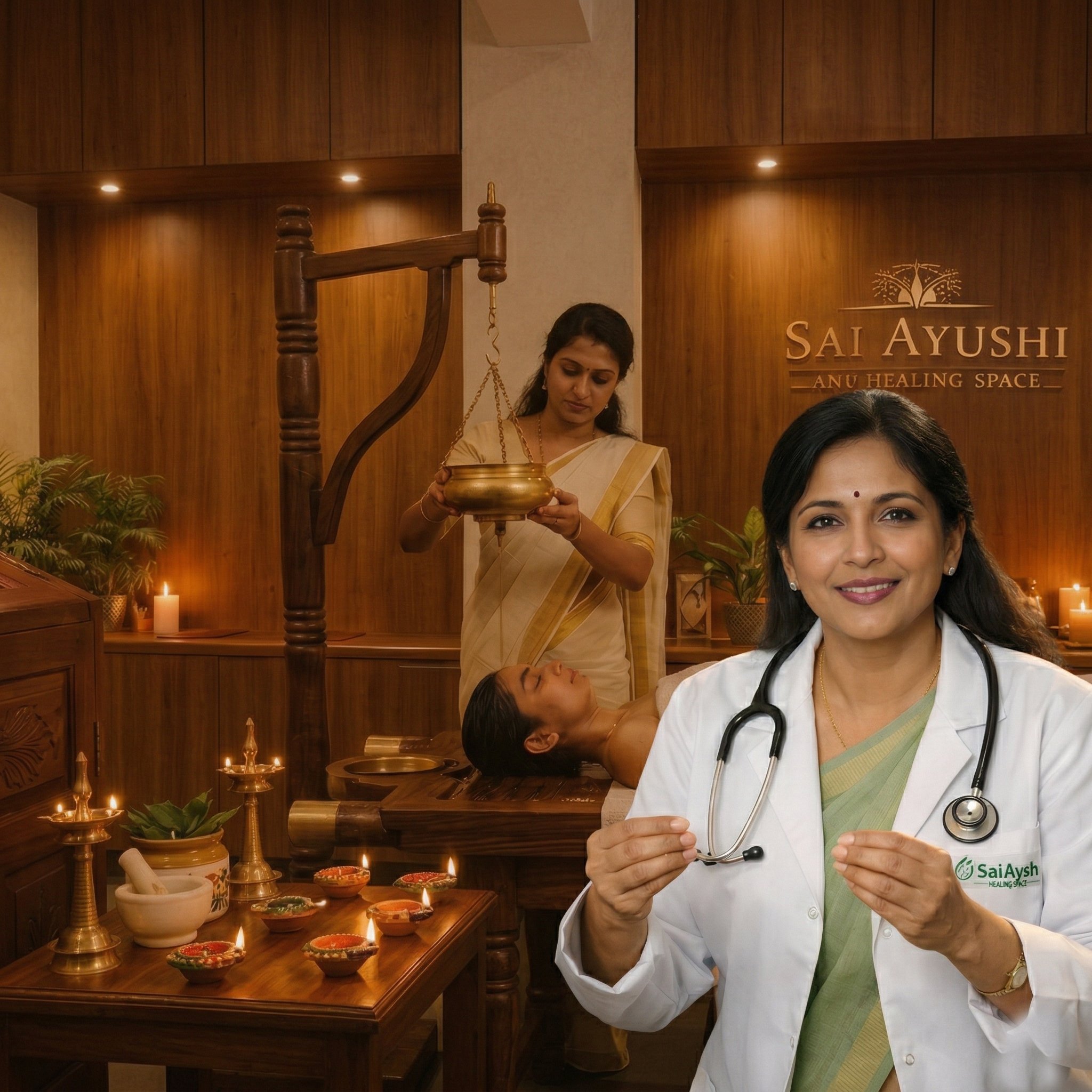
Continuous pouring of warm medicated oil over the forehead. Used for stress, anxiety, insomnia, and neurological support under physician guidance.
Kizhi
Medicated bolus therapy using herbal powders, leaves, or rice poultices applied as therapeutic fomentation for musculoskeletal conditions.
Dietary & Lifestyle Guidance
Personalised dietary protocols (Ahara) and daily routine (Dinacharya) recommendations aligned with your constitution — integral to every programme.
Clinical WorkflowWhat to Expect at Sai Ayush
Initial Physician Consultation
A detailed review of your medical history, current medications, and presenting complaints. The physician performs Nadi Pariksha (pulse diagnosis) and Prakriti assessment. Required laboratory investigations — liver and kidney function, blood glucose, lipid profile — are arranged before treatment commences.
Personalised Treatment Planning
Based on the assessment, the physician creates an individualised plan specifying therapies, herbal formulations, dietary guidelines, and expected programme duration. This plan is explained clearly — goals, process, and precautions — before you commit to anything.
Treatment Delivery and Monitoring
External therapies are performed by trained therapists working under direct physician guidance. Internal medicines are prescribed and dispensed by the attending physician. Progress is reviewed at structured appointments, and the treatment plan is adjusted based on your response throughout the programme.
Follow-Up and Maintenance Care
Regular follow-up consultations monitor progress and taper or adjust treatment as your condition stabilises. Dietary and lifestyle guidance forms an ongoing part of care — Ayurveda places significant emphasis on long-term maintenance through appropriate daily and seasonal practices.
Integrative ApproachHow Ayurvedic Treatments Integrate with Modern Medicine
At Sai Ayush, Ayurvedic treatment is positioned as complementary — not competing — with modern medical care. Our physicians review all available medical reports before therapy begins. For patients on ongoing modern medications, a careful interaction review is conducted at the outset. Where conventional intervention is required, we facilitate referrals to appropriate specialists.
Senior Ayurveda Physician
Our Senior Ayurveda Physician leads the clinical team at Sai Ayush Ayurveda Hospital, KPHB. With over 33 years of hands-on practice in classical Ayurvedic medicine and Panchakarma, they oversee patient assessments, individualised treatment planning, and ongoing programme monitoring to ensure every protocol is clinically appropriate and safe.