
Preparing for your first Ayurvedic massage involves more than selecting an appointment time. The oil, technique, pressure, temperature and duration should be chosen according to the person’s health, skin condition, mobility and tolerance.
In Ayurveda, Abhyanga generally refers to an external oil application performed using physician-selected oil and a prescribed technique. It may be included in an individual care plan or used as a preparatory procedure within a broader Ayurvedic programme.
Abhyanga should not be treated as an identical relaxation package for everyone. A consultation or health screening may be required, particularly for people with ongoing medical conditions, recent injuries, pregnancy, reduced sensation or medicines that increase bleeding risk.
This guide explains how to prepare, what to communicate and what aftercare may be advised. It does not determine whether Abhyanga is suitable for a particular individual.
Is Abhyanga the same as a regular spa massage?
Not necessarily. Although both may involve manual strokes and oil, their purpose, assessment process and method may differ.
In a doctor-guided Ayurvedic setting:
- A physician may review the person’s health and symptoms
- The oil may be selected according to the clinical plan
- Pressure and duration may be modified
- Certain areas may be avoided
- The procedure may be postponed when contraindications are present
- A trained therapist performs the prescribed procedure
- The patient’s response is monitored
- Aftercare is explained according to the individual plan
Abhyanga should not be promoted as a replacement for physiotherapy, medical diagnosis, prescribed medication or treatment for an injury.
Why may an assessment be needed?
Massage affects the skin and underlying soft tissues and may involve pressure, warmth and changes in body position. These factors may not be appropriate for everyone.
Before the first session, the doctor or therapist should understand:
- Why the person is seeking the procedure
- Whether a medical condition has already been diagnosed
- Whether there is current pain, swelling or reduced movement
- Whether symptoms began after an injury
- Whether the skin is healthy and intact
- Whether the person has allergies or sensitivities
- Whether getting on and off the treatment table is safe
- Whether particular positions cause pain, dizziness or breathing difficulty
- Which medicines and supplements are being used
- Whether another healthcare professional has advised restrictions
A consultation does not guarantee that Abhyanga will be recommended.
What should you tell the doctor before the session?
Provide accurate information even if a condition appears unrelated to massage.
Tell the doctor about:
- Pregnancy, possible pregnancy or recent childbirth
- Recent surgery, fracture, sprain or muscle injury
- Fever, acute infection or feeling generally unwell
- Chest pain, breathlessness or unstable heart disease
- Uncontrolled blood pressure
- Diabetes or reduced skin sensation
- Kidney or liver conditions
- Osteoporosis
- Varicose veins
- Previous or suspected blood clots
- Bleeding disorders
- Blood-thinning medicines
- Cancer treatment or recent radiation therapy
- Neurological conditions
- Dizziness, balance problems or recent falls
- Open wounds, rashes, dermatitis or skin infection
- Allergy to oils, herbs, fragrances or cosmetic products
- Recent injections or medical procedures
- Current physiotherapy or rehabilitation
- Any area that should not be touched
Bring an updated list of prescribed medicines, non-prescription products and supplements when requested.
Do not stop or change prescribed medicine before Abhyanga unless the prescribing clinician advises you to do so.
When should Ayurvedic massage be postponed?
The procedure may need to be postponed or avoided when a person has:
- Fever or an acute infection
- Vomiting or diarrhoea
- An unexplained new rash
- Open wounds, burns or active skin infection
- A recent fracture or acute injury
- New severe pain or swelling
- Suspected blood clot
- Unexplained bleeding or extensive bruising
- A recent operation without medical clearance
- Severe dizziness or fainting
- Uncontrolled blood pressure
- Chest pain or breathing difficulty
- Another condition requiring urgent medical assessment
This is not a complete contraindication list. Suitability depends on the individual, the proposed technique and the area being treated.
Do not assume that massage is safe merely because herbal oil or gentle pressure is used.
How should you prepare for your first session?
Follow the instructions provided by the consulting physician or centre. Requirements may vary according to the prescribed procedure.
1. Confirm the purpose of the appointment
Ask whether the appointment includes:
- A medical consultation
- Abhyanga only
- Abhyanga followed by another prescribed procedure
- Steam or heat application
- Hair or scalp oil application
- A bathing facility
- Any required observation period
This helps you plan sufficient time and bring appropriate clothing.
2. Avoid arriving immediately after a heavy meal
A heavy meal immediately before a full-body oil application may cause discomfort, particularly when lying face down or changing positions.
Unless your doctor provides different instructions:
- Avoid arriving immediately after a large meal
- Do not fast unnecessarily
- Follow your usual medical diet
- Take prescribed medicines at their regular times
- Tell the centre if meal timing is linked to diabetes medication
Patients with diabetes, pregnancy or another condition affected by meal timing should obtain individual instructions.
3. Follow your normal hydration plan
Arrive adequately hydrated unless a doctor has advised fluid restriction.
Do not force excessive water intake before or after the session. People with heart failure, kidney disease or another condition requiring fluid restriction must follow their existing medical advice.
4. Bathe according to the centre’s instructions
Some centres may ask patients to arrive with clean skin and without heavy lotions, perfume or cosmetic products.
Tell the doctor if you use:
- Prescription skin creams
- Pain-relief gels
- Medicated patches
- Topical steroids
- Antifungal or antibacterial products
- Adhesive dressings
Do not remove a prescribed patch or dressing unless the treating clinician has advised it.
5. Wear practical clothing
Warm oil may remain on the skin or hair after the session and can stain fabric.
Consider bringing:
- Loose, comfortable clothing
- Older garments that can tolerate oil marks
- A change of clothes if advised
- Necessary mobility aids
- A list of medicines and allergies
- Relevant medical reports
- Hair protection if scalp oil will be used
Avoid wearing jewellery or valuable accessories that may interfere with the procedure.
What should happen before the massage begins?
Before the procedure, the therapist should confirm:
- Your identity
- The physician’s prescription
- The areas to be treated
- The selected oil
- Known allergies or sensitivities
- Pressure and temperature preferences
- Areas that must be avoided
- Whether assistance is required for movement
- Your consent to proceed
You should have an opportunity to ask questions.
At Sai Ayush, the therapist and patient should be of the same gender. Modest draping and patient privacy should be maintained throughout the procedure.
Consent is ongoing. You may ask the therapist to reduce the pressure, adjust the temperature, avoid an area, change your position or stop the session.
What may happen during an Abhyanga session?
The exact method varies according to the prescription.
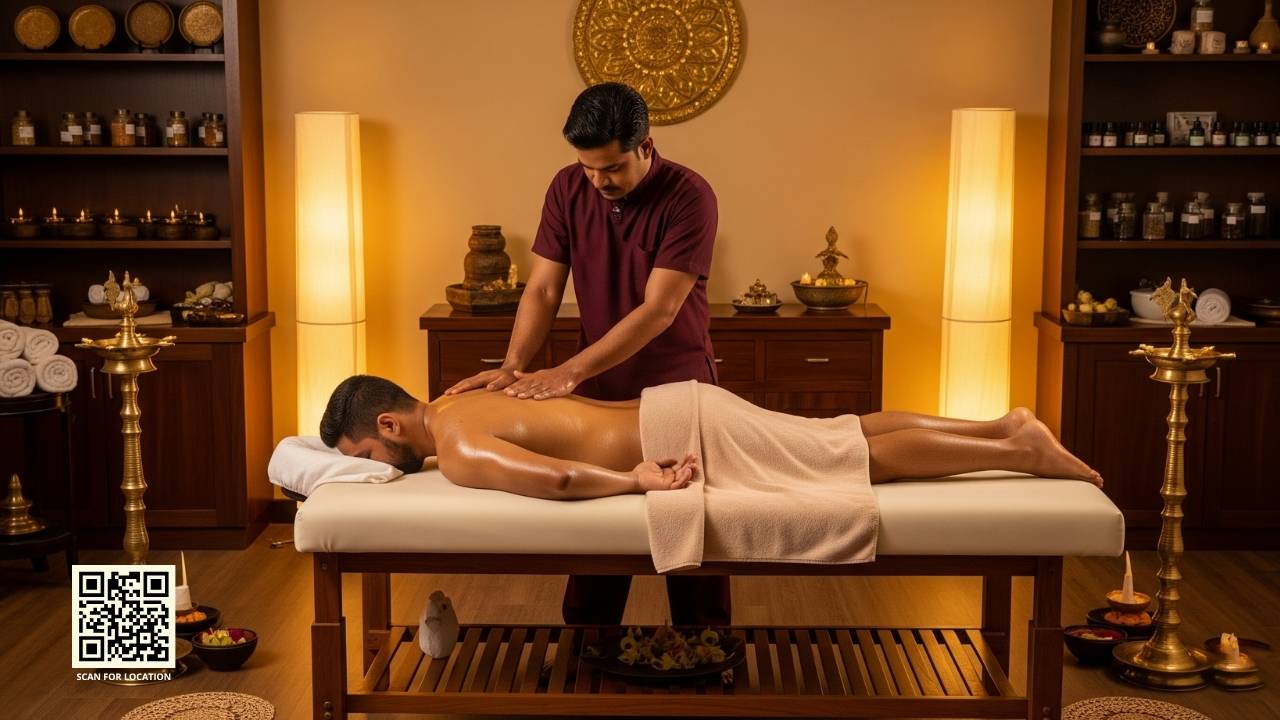
A supervised session may involve:
- Confirming the procedure and checking comfort
- Positioning the patient safely
- Testing the oil temperature
- Applying the selected oil externally
- Using prescribed strokes and pressure
- Adjusting position where necessary
- Monitoring comfort and skin response
- Removing excess oil or providing bathing instructions
- Explaining aftercare
Not every session includes scalp oil, steam, heat or a bath. These should not be automatically added without considering suitability.
The duration is also not identical for every patient.
What should you communicate during the session?
Do not remain silent because you feel the therapist expects you to tolerate discomfort.
Tell the therapist immediately if you experience:
- Excessive heat
- Burning or itching
- Sharp or increasing pain
- Numbness or tingling
- Dizziness
- Nausea
- Breathing difficulty
- Anxiety or discomfort with a position
- Excessive pressure
- A need to use the bathroom
- Any concern about privacy or draping
Therapeutic care does not require the patient to tolerate pain.
“More pressure” does not necessarily mean a more effective procedure.
What aftercare may be advised?
Aftercare depends on the oil, procedure, health condition and whether another therapy is planned.
General instructions may include:
- Sit up and stand slowly
- Ask for assistance if the floor or feet are oily
- Use your walking aid if normally required
- Follow the prescribed waiting period before bathing
- Use the advised water temperature and cleansing method
- Avoid vigorous scrubbing of irritated skin
- Wear comfortable clothing
- Resume normal meals unless given individual instructions
- Follow your normal fluid plan
- Avoid strenuous activity immediately afterwards if advised
- Monitor the skin for an unexpected reaction
- Keep prescribed medicines on schedule
Patients should receive clear instructions rather than generic advice about “releasing toxins.”
Should the oil be left on the skin?
There is no single duration suitable for everyone.
The physician or therapist may consider:
- The selected oil
- Skin sensitivity
- Weather and room temperature
- The patient’s age and health
- Risk of slipping
- Whether scalp oil was applied
- Whether another procedure follows
- The presence of dermatitis or allergy
Leaving oil on longer than instructed does not necessarily improve the result and may increase irritation or inconvenience.
Follow the centre’s individual bathing and oil-removal instructions.
Is tiredness normal after Ayurvedic massage?
Some people may feel relaxed or temporarily sleepy after a session. However, marked weakness, persistent dizziness, severe pain, breathing difficulty or confusion should not be dismissed as a normal “detox reaction.”
Tell the clinical team immediately if you feel unwell before leaving.
If you feel dizzy or unusually drowsy:
- Do not stand without assistance
- Do not drive
- Sit or lie safely
- Inform the doctor or therapist
- Arrange for someone to accompany you if necessary
What reactions should be reported?
Contact the centre or seek medical advice for:
- Persistent redness, burning or itching
- Blistering or a spreading rash
- Facial swelling or breathing difficulty
- Severe or increasing pain
- New numbness or weakness
- Marked dizziness or fainting
- Unusual bruising or bleeding
- New limb swelling, warmth or redness
- Fever or feeling acutely unwell
- A fall or injury after the session
Breathing difficulty, facial swelling, chest pain, fainting, sudden weakness or suspected blood clot requires urgent medical assessment.
Can Abhyanga treat a medical condition?
Abhyanga is described in Ayurveda as an external oil-based procedure. However, evidence is insufficient to advertise it as a cure for diagnosed diseases or to claim that it removes toxins, boosts immunity, melts fat, heals neurological disease or corrects a medical condition’s root cause.
People may seek Ayurvedic consultation for concerns such as stiffness, general discomfort or support within a broader care plan. The underlying cause should still be assessed appropriately.
Massage should not delay investigation of persistent pain, weakness, swelling, numbness, unexplained weight loss or other concerning symptoms.
Questions to ask before booking
Before confirming your first session, ask:
- Is a doctor’s consultation required?
- Who decides which oil and technique will be used?
- Is the therapist appropriately trained?
- Will a same-gender therapist be available?
- How will privacy and draping be maintained?
- What medical information should I bring?
- Are there conditions for which the procedure is unsuitable?
- Will scalp oil, heat or steam be included?
- How long should I allow for the complete visit?
- Is a bathing facility available?
- Should someone accompany me?
- What should I do if I experience a reaction afterwards?
Clear answers help patients provide informed consent and prepare practically.
Doctor-guided Abhyanga at Sai Ayush
At Sai Ayush Ayurveda Hospital, Abhyanga is considered only after reviewing the person’s health information and suitability. The physician may determine the oil, method, duration and any necessary precautions.
The prescribed procedure is performed by a trained same-gender therapist while maintaining modest draping and privacy.
Patients can learn more about doctor-guided Abhyanga therapeutic oil massage.
A consultation does not guarantee that Abhyanga will be advised. The doctor may recommend modification, postponement, referral or another appropriate care option.
Frequently asked questions
Should I eat before Ayurvedic massage?
Avoid arriving immediately after a heavy meal unless instructed otherwise. Do not fast unnecessarily. People with diabetes or meal-dependent medication should obtain individual advice.
Can I take my regular medicines?
Continue prescribed medicines according to the prescribing clinician’s instructions. Tell the Ayurveda physician about all medicines and supplements.
What should I wear?
Wear loose, comfortable clothing that can tolerate possible oil marks. Bring a change of clothes if the centre recommends it.
Can I request a female or male therapist?
Yes. At Sai Ayush, therapist-patient care should follow the same-gender policy.
Will the massage be painful?
The procedure should not require you to tolerate significant pain. Tell the therapist immediately if the pressure, temperature or position is uncomfortable.
Can Abhyanga be performed during pregnancy?
Pregnancy must be disclosed before booking. Suitability, positioning and technique require assessment by an appropriately qualified healthcare professional.
Can I exercise after the session?
Follow the individual advice provided. Strenuous activity may be discouraged immediately afterwards, particularly if you feel relaxed, tired or unsteady.
Can Abhyanga replace physiotherapy?
No. Abhyanga should not replace prescribed physiotherapy, rehabilitation or medical treatment.
How many sessions are required?
There is no standard number suitable for everyone. Frequency should be determined only after assessment and should not be based solely on a promotional package.
Key takeaway
Preparing for an Ayurvedic massage means sharing complete health information, understanding the proposed procedure and knowing when it should be modified or postponed.
Eat and hydrate according to your normal medical requirements, wear practical clothing and tell the therapist about discomfort immediately. After the session, follow the prescribed bathing, activity and skin-care instructions.
Abhyanga should be presented as an individualised, doctor-guided external Ayurvedic procedure—not as a guaranteed treatment, detoxification method or cure for disease.
Medical disclaimer: This article is intended for general education and does not determine individual suitability for massage or Abhyanga. Consult a qualified healthcare professional if you have an existing medical condition, take regular medicines, are pregnant, have a recent injury or develop persistent symptoms. Seek urgent medical care for severe or sudden symptoms.
Medically Reviewed By
Dr. Pasalapudi Visalaanjani, B.A.M.S, MD (Kayachikitsa), Reg No: 1146/A/2016
Updated on september 16, 2026