
An “Ayurveda retreat” can mean very different things. One provider may offer a leisure-oriented wellness holiday, while another may operate a clinical Ayurveda hospital with doctor-supervised procedures and inpatient care. Some facilities offer accommodation and meals, while others provide treatments only on an outpatient basis.
These differences affect safety, cost and what you should expect from the programme.
Before paying a deposit or planning a residential stay, verify what the facility actually provides. Do not rely only on photographs, package names, testimonials or phrases such as “detox,” “rejuvenation” or “complete healing.”
This guide explains the questions to ask before booking an Ayurveda retreat, Panchakarma programme or residential Ayurveda stay.
1. Is it a retreat, wellness centre, clinic or hospital?
Start by asking how the facility is registered and operated.
These terms are sometimes used interchangeably in advertising, but they do not necessarily describe the same level of care.
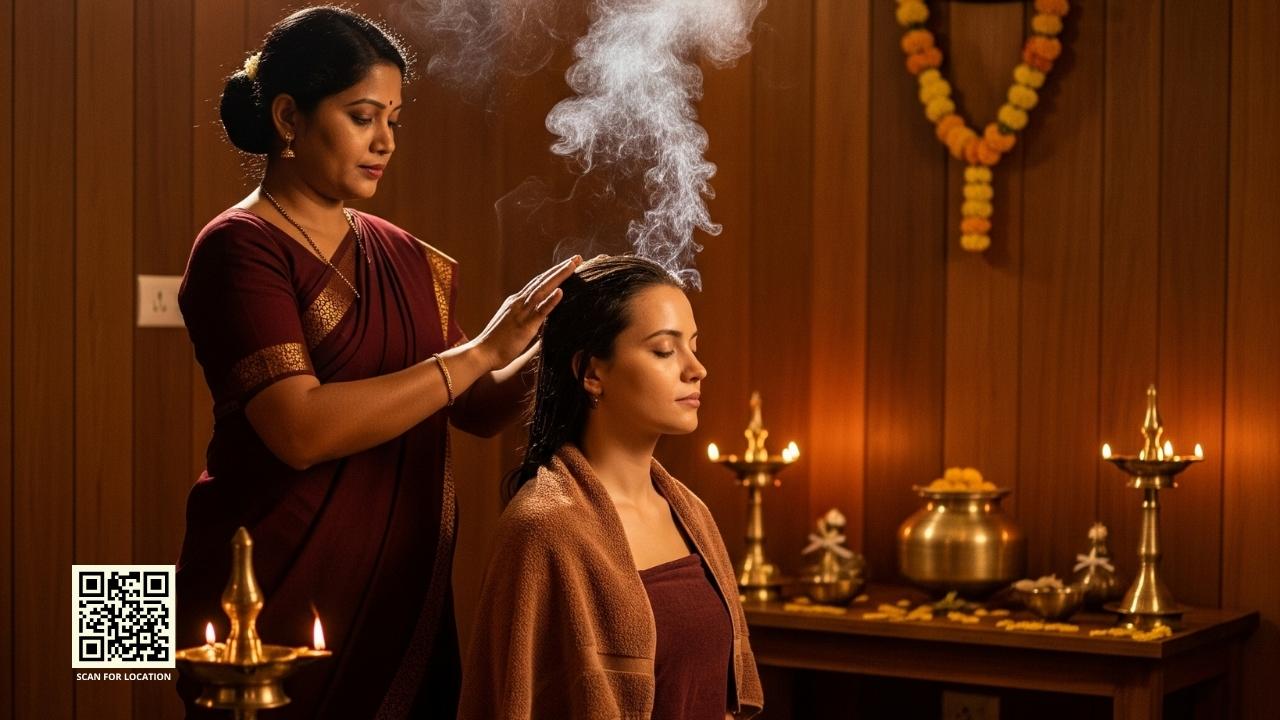
Resort-style Ayurveda retreat
A resort-style retreat may primarily focus on relaxation, recreation, yoga, food and spa-like experiences. Ayurvedic therapies may be offered as wellness services, but access to doctors, nurses and medical monitoring can vary.
Ayurveda clinic
A clinic usually offers consultations, medicines and selected outpatient therapies. It may not have residential rooms, overnight clinical monitoring or inpatient facilities.
Ayurveda hospital
An Ayurveda hospital may provide consultations, supervised therapies and inpatient care. However, hospital accommodation should not automatically be understood as a luxury resort stay.
Ask the provider:
- Is this facility registered as a clinic, hospital, wellness centre or resort?
- Is overnight accommodation available?
- Is the accommodation clinical inpatient care or hospitality accommodation?
- Which services are available at the branch I plan to visit?
- Who is responsible for medical decisions during the programme?
A clear answer helps prevent a mismatch between promotional expectations and the actual facility.
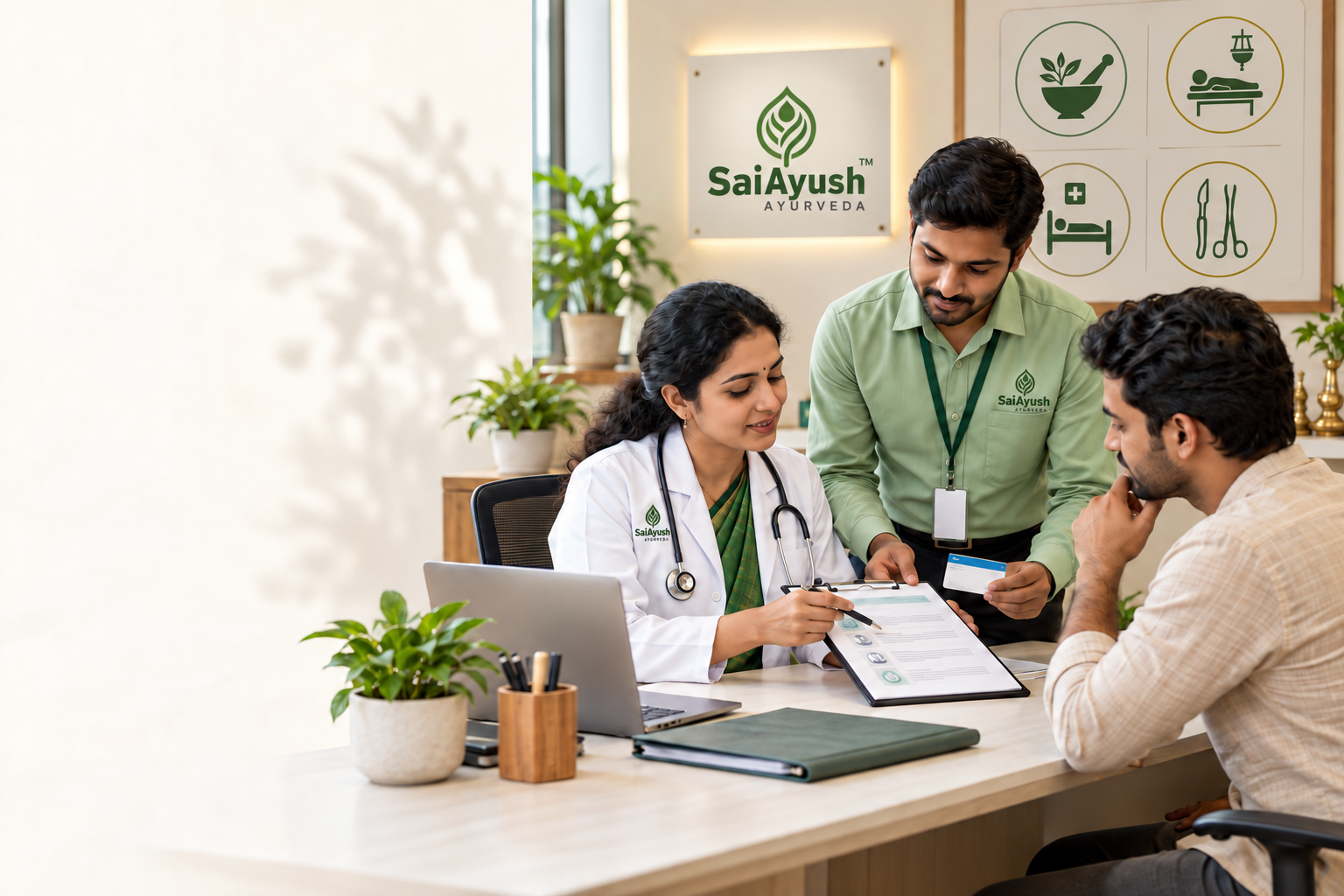
2. Is a doctor’s consultation required before booking therapies?
A responsible provider should not confirm Panchakarma or intensive Ayurvedic procedures solely through a phone call, online questionnaire or package-selection form.
Ask:
- Will I meet a qualified Ayurveda physician?
- Does the doctor assess me before therapies are selected?
- Will my current diagnosis and medical reports be reviewed?
- Will the doctor check my medicines and allergies?
- Can the proposed programme change after assessment?
- Is the consultation included in the quoted price?
A person’s age, strength, diagnosis, medicines and medical stability may affect whether a particular procedure is suitable.
A consultation does not guarantee that Panchakarma or a residential programme will be recommended.
3. Is the programme genuinely individualised?
Be cautious when every guest is offered the same fixed combination of massage, oil treatments, purgation, enemas or herbal medicines.
Ask for a written explanation of:
- The proposed procedures
- Why each procedure is being considered
- The expected duration
- Who will supervise it
- Possible discomfort or adverse effects
- Reasons a procedure may be modified or stopped
- Required preparation and aftercare
Not every person needs all five classical Panchakarma procedures. Some visitors may only be suitable for selected external therapies or lifestyle guidance.
A pre-designed seven-day, fourteen-day or twenty-one-day package should not override clinical judgement.
4. What does “Panchakarma” mean at the facility?
The term Panchakarma is frequently used for programmes that consist mainly of massage, steam or relaxation therapies. Classical Panchakarma is more structured and may involve preparation, a selected main procedure and a recovery phase.
Before booking, ask:
- Which specific procedures are included?
- Is there a preparation phase?
- Is a main cleansing procedure planned?
- What recovery diet or aftercare is required?
- Will the doctor review me during the programme?
- Can I safely travel immediately after completion?
- What happens if I cannot tolerate a procedure?
Readers who want to understand how individual procedures may be assessed can review Sai Ayush’s information about doctor-supervised Panchakarma programmes.
5. What accommodation is actually available?
Do not assume that the word “retreat” includes accommodation.
Request written confirmation of:
- Whether rooms are located within the facility
- Whether the stay is inpatient or hospitality accommodation
- Room type and occupancy
- Private or shared bathroom arrangements
- Accessibility for people with reduced mobility
- Availability of lifts, handrails or wheelchair access
- Whether an attendant can stay
- Check-in and discharge times
- Housekeeping arrangements
- Additional accommodation charges
Also request recent, representative photographs of the actual room type being offered.
Do not assume that words such as “premium,” “deluxe” or “residential” mean the same thing at every facility.
6. Are meals included?
Diet may be an important part of a residential Ayurvedic programme, but meal arrangements differ between providers.
Ask:
- Are all meals included?
- Who plans the diet?
- Are meals prepared at the facility or supplied externally?
- Can allergies and intolerances be accommodated?
- Are diabetes, kidney disease or other medical diets considered?
- Is drinking water provided?
- Are snacks or additional beverages included?
- Can an attendant receive meals?
- Are outside foods restricted?
Do not begin a restrictive diet or fasting programme without disclosing your medical history.
People taking diabetes medicines, blood-pressure medicines or other prescriptions may require meal timing to be coordinated with their existing treatment.
7. Who provides the therapies?
Ask about the qualifications and supervision of both doctors and therapists.
Questions should include:
- Is the treatment plan prepared by a qualified physician?
- Are therapies delivered by trained Ayurveda therapists?
- Is a same-gender therapist available?
- How is patient privacy maintained?
- How frequently does the doctor review progress?
- Who should I contact if I feel unwell?
- Is clinical documentation maintained?
- What infection-control and hygiene procedures are followed?
The doctor should determine the treatment plan. A therapist should not independently change medicines, therapy intensity or procedure duration.
8. How are privacy and modesty protected?
Ayurvedic external procedures may involve oil application or access to particular areas of the body. Ask about privacy before confirming the programme.
Verify:
- Whether male patients receive male therapists and female patients receive female therapists
- What draping is used
- Whether changing areas are private
- Whether the therapy room can be secured appropriately
- Whether another staff member is available when required
- Whether photography and filming are prohibited without consent
You should receive a clear explanation of any procedure before it begins. You may ask questions or withdraw consent.
9. Which medical details must be disclosed?
Provide complete and accurate information about:
- Current diagnoses
- Prescription medicines
- Non-prescription medicines
- Ayurvedic medicines and supplements
- Allergies
- Previous surgery
- Pregnancy or breastfeeding
- Diabetes
- Blood-pressure problems
- Heart disease
- Kidney or liver disease
- Bleeding disorders
- Seizures
- Recent infection or fever
- Mobility limitations
- Recent fractures or injuries
- Mental-health treatment
- Previous reactions to oils or herbal products
Do not stop prescribed medicines in preparation for a retreat unless the prescribing clinician has specifically instructed you to do so.
“Natural” does not mean that a product or procedure is appropriate for everyone.
10. What medical monitoring is available?
The amount of monitoring required depends on the person and the proposed procedures.
Ask:
- Is a doctor available on-site?
- What are the doctor’s review timings?
- Is nursing support available for residential patients?
- Are blood pressure, blood glucose or other parameters checked when required?
- How are adverse reactions documented and managed?
- Is there a nearby emergency hospital?
- What is the emergency-transfer process?
- Who pays for emergency transport or external medical care?
A wellness package should not be used as a substitute for emergency treatment, specialist evaluation or management of an unstable medical condition.
11. Are medicines included in the price?
An advertised package price may not include consultations, medicines, laboratory tests, accommodation, meals or additional therapies.
Ask for an itemised quotation covering:
- Initial consultation
- Follow-up consultations
- External procedures
- Internal medicines
- Oils and consumables
- Accommodation
- Meals
- Attendant charges
- Laboratory tests
- Physiotherapy or yoga
- Transport
- Taxes
- Post-programme medicines
- Follow-up after discharge
Request confirmation of which costs are fixed and which may change after the doctor’s assessment.
Avoid paying a large non-refundable amount before suitability has been established.
12. What are the cancellation and refund conditions?
Read the cancellation policy before paying.
Ask what happens if:
- The doctor decides that the programme is unsuitable
- You become ill before travelling
- The programme must be stopped for medical reasons
- You leave earlier than planned
- A particular therapy is unavailable
- The promised room is unavailable
- Travel is delayed
- The duration changes after assessment
Request the payment, cancellation and refund terms in writing.
13. Are yoga and meditation actually included?
Do not assume that every Ayurveda residential programme includes daily yoga, meditation, pranayama or counselling.
Ask:
- Which sessions are included?
- Who conducts them?
- Are they individual or group sessions?
- Are they suitable for beginners?
- Are modifications available for pain or limited mobility?
- Are they optional?
- Do they involve an additional fee?
Generic yoga postures or forceful breathing exercises may be unsuitable for some health conditions. Participation should be based on individual capacity and professional guidance.
14. What results are being promised?
Be cautious if a provider promises:
- Guaranteed detoxification
- Complete disease reversal
- Permanent pain relief
- Removal of all toxins
- Rapid weight loss
- Reversal of diabetes
- Cartilage or nerve regeneration
- Guaranteed avoidance of surgery
- Anti-ageing or increased longevity
- Cure within a fixed number of days
Outcomes vary according to diagnosis, health status, treatment suitability and many other factors. Testimonials do not establish that another person will receive the same result.
Ask the doctor to explain:
- The realistic goals
- What is uncertain
- Potential risks
- How progress will be assessed
- When another medical opinion is required
15. Is the programme suitable for older adults?
Age alone does not determine suitability, but older adults may have multiple medicines, reduced mobility, osteoporosis, blood-pressure changes or other conditions requiring additional assessment.
Ask about:
- Fall-prevention arrangements
- Bathroom accessibility
- Mobility assistance
- Pressure-area care
- Medication supervision
- Dietary requirements
- Attendant accommodation
- Emergency arrangements
- Coordination with existing doctors
An intensive cleansing procedure should not be recommended merely because a package is marketed for senior citizens.
16. Can children attend an Ayurveda retreat?
Children require age-appropriate medical assessment. Adult Panchakarma programmes should not be adapted casually for children.
Parents should ask:
- Is a clinician experienced in paediatric care available?
- Which procedures are being proposed?
- What evidence and safety considerations apply?
- Can the parent remain present?
- How are medicines dosed?
- What emergency arrangements are available?
Do not give children herbal medicines or involve them in cleansing procedures based only on internet advice.
17. When should a retreat be postponed?
Postpone the booking and seek appropriate medical advice if you have:
- An acute infection or fever
- Unexplained severe pain
- Repeated vomiting or diarrhoea
- Significant dehydration
- New chest pain or breathing difficulty
- Sudden weakness, numbness or speech changes
- Active bleeding
- A recent fracture or major injury
- Uncontrolled blood pressure or blood sugar
- A recent operation without medical clearance
- A rapidly worsening medical condition
A retreat is not an emergency-care facility unless it is specifically equipped, staffed and registered for that level of treatment.
18. What happens after the programme?
Aftercare is particularly important if the programme involves dietary restriction, internal medicines or a cleansing procedure.
Ask:
- Will I receive written discharge instructions?
- Which medicines should continue?
- How should food be reintroduced?
- When may normal exercise resume?
- Can I travel immediately?
- Who should I contact if symptoms occur?
- Is a follow-up consultation included?
- Can follow-up be completed online?
- Will my primary doctor receive a summary if needed?
Avoid programmes that end without clear aftercare or a contact pathway.
Clinical residential care at Sai Ayush
Sai Ayush should be understood as a doctor-led Ayurveda healthcare provider rather than a destination resort.
The KPHB facility provides outpatient and inpatient services. Any inpatient or residential admission is subject to medical assessment, clinical suitability, room availability and confirmation of the services included.
The Madinaguda branch is an outpatient Panchakarma clinic and does not provide inpatient accommodation.
Before travelling, patients should confirm directly:
- Whether inpatient admission is appropriate
- Room availability
- Expected duration
- Whether an attendant may stay
- Meal arrangements
- Therapy and medicine charges
- Follow-up requirements
- What documents and medicines to bring
Do not assume that online photographs, an older package or the word “retreat” confirms current accommodation or programme availability.
Pre-booking checklist
Before making payment, confirm that you have received:
- The facility’s correct name and registration type
- Branch and location details
- Doctor consultation arrangements
- Proposed programme and duration
- Accommodation details
- Meal arrangements
- Therapist and supervision information
- Same-gender therapist confirmation
- Itemised pricing
- Medicine and consumable costs
- Cancellation and refund terms
- Emergency-care arrangements
- Written preparation instructions
- Aftercare and follow-up details
Keep copies of the quotation, payment receipt and written programme information.
Frequently asked questions
Is an Ayurveda retreat the same as Panchakarma?
No. “Ayurveda retreat” is a broad marketing term. A retreat may offer relaxation therapies without providing classical Panchakarma. Panchakarma is a structured Ayurvedic clinical process whose suitability and components should be decided by a qualified physician.
Does every retreat include accommodation?
No. Some facilities provide outpatient therapies only. Accommodation, meals and attendant arrangements must be confirmed separately.
Can I choose my Panchakarma package online?
You may enquire about programme options, but the final procedure should not be chosen without clinical assessment. A fixed package may need to be changed or declined based on your health.
Can I stop regular medicines during the programme?
No. Do not stop or change prescribed medicines unless the relevant prescribing clinician advises you to do so.
Is a seven-day retreat enough for Panchakarma?
There is no universal duration. Preparation, the selected procedure and recovery requirements vary. A shorter wellness stay should not automatically be described as complete Panchakarma.
Is an Ayurveda retreat suitable during pregnancy?
Some procedures, medicines and intensive programmes may be inappropriate during pregnancy. Inform both your obstetric clinician and Ayurveda physician before considering any programme.
Can a retreat cure a chronic disease?
No provider should guarantee that a retreat will cure or reverse a chronic medical condition. The programme’s goals, limitations and potential role should be explained individually.
Is Sai Ayush a resort-style retreat?
Sai Ayush is an Ayurveda hospital and clinical care provider, not a leisure resort. KPHB offers outpatient and inpatient care, while Madinaguda is an outpatient clinic. Patients should confirm admission suitability and available facilities before travelling.
Key takeaway
Before booking an Ayurveda retreat or residential programme, establish exactly what is being offered. Confirm whether the facility is a resort, clinic or hospital; whether a doctor will assess you; which procedures are proposed; and what accommodation, meals, monitoring, costs and aftercare are included.
Do not select Panchakarma solely from a package description. Do not rely on guaranteed outcomes, unverified amenities or testimonials.
The safest programme is one that explains its limitations, reviews your medical history, coordinates with ongoing care and makes recommendations only after an individual assessment.
Medical disclaimer: This article provides general information to help readers evaluate Ayurveda retreats and residential programmes. It does not recommend a particular procedure or determine individual suitability. Consult qualified healthcare professionals before beginning Panchakarma, changing medicines or travelling for residential care.
Medically Reviewed By
Dr. Pasalapudi Visalaanjani, B.A.M.S, MD (Kayachikitsa), Reg No: 1146/A/2016
Updated on september 16, 2026